Sleeping Dogs 1977


When a reclusive man named Smith finds himself hunted with nowhere to run, he is pulled into a violent clash between guerrilla fighters and right‑wing extremists in New Zealand. Framed for murder and labeled a revolutionary conspirator, Smith clings to a philosophy of non‑violence while trapped between the warring factions.


Does Sleeping Dogs have end credit scenes?
No!
Sleeping Dogs does not have end credit scenes. You can leave when the credits roll.
Meet the Full Cast and Actors of Sleeping Dogs
Explore the complete cast of Sleeping Dogs, including both lead and supporting actors. Learn who plays each character, discover their past roles and achievements, and find out what makes this ensemble cast stand out in the world of film and television.

Sam Neill
Smith
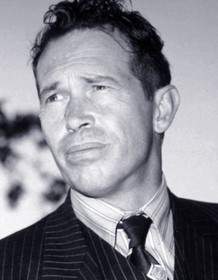
Warren Oates
Col. Willoughby

Ian Watkin
Dudley
Ian Mune
Bullen
Roger Oakley
Assassin Leader
Laurie Dee
Special Sergeant
Donna Akersten
Mary
Bill Juliff
Burton
Bernard Kearns
Prime Minister
Dorothy McKegg
Glorias Mother
Clyde Scott
Jesperson
Bernard Moody
Man at Wharf
Don Selwyn
Taupiri
William Johnson
Cousins
Davina Whitehouse
Elsie
Nevan Rowe
Gloria
Melissa Donaldson
Melissa
Dougal Stevenson
News Reader
Raf Irving
Reporter
Tommy Tinirau
Old Maori Man
Cass Donaldson
Cass
Tony Groser
Gloria's Father
External Links and Streaming Options
Discover where to watch Sleeping Dogs online, including streaming platforms, rental options, and official sources. Compare reviews, ratings, and in-depth movie information across sites like IMDb, TMDb, Wikipedia or Rotten Tomatoes.







Take the Ultimate Sleeping Dogs Movie Quiz
Challenge your knowledge of Sleeping Dogs with this fun and interactive movie quiz. Test yourself on key plot points, iconic characters, hidden details, and memorable moments to see how well you really know the film.
Sleeping Dogs (1977) Quiz: Test your knowledge of the 1977 New Zealand film *Sleeping Dogs*, covering its characters, plot twists, and thematic elements.
Which actor portrays the protagonist Smith?
Full Plot Summary and Ending Explained for Sleeping Dogs
Read the complete plot summary of Sleeping Dogs, including all major events, twists, and the full ending explained in detail. Explore key characters, themes, hidden meanings, and everything you need to understand the story from beginning to end.
Smith Sam Neill finds his life shattered when his marriage ends in a bitter split after his wife’s affair with Bullen Ian Mune. In the wake of the breakup, he retreats to the Coromandel Peninsula, choosing an island owned by a Māori tribe as his refuge. What begins as a quiet, almost hermetic existence—a man and his dog living in a landscape of quiet shores and rugged, wind‑scoured hills—soon becomes a fragile sanctuary pressed into service by a nation gripped by upheaval. The country teeters on the edge of an energy crisis as an oil embargo tightens its grip, and politically charged tensions bleed into civil conflict, turning the island’s peaceful detachment into a precarious bystander position.
On the mainland, trouble comes hurtling toward Smith in the shape of a bomb that detonates in a nearby town. Police arrive on the island, sifting through the quiet life with the blunt logic of arrest and accusation. When they uncover a cache of explosives, Smith is taken to a police station for questioning and suspected of sheltering illegal weapons. The mood quickly shifts from tranquil isolation to prosecutorial danger as he is interrogated under pressure. Among the officers is a former schoolmate, Jesperson Clyde Scott, whose presence underscores the deep personal stakes in a government that has already labeled Smith a pivotal guerrilla figure. The stakes rise as Jesperson lays out a stark choice: exile from New Zealand or a military tribunal that could carry a death sentence.
A dramatic prison transfer becomes a turning point. In a calculated move to confound his captors, Smith induces himself to vomit, a tactic that buys him time and creates enough confusion to enable a daring escape. He vanishes into the city’s back streets and quickly finds work at a small campground, where the promise of a simpler, outside life offers him a brief, fragile sense of peace. The forest of uncertainty that once surrounded him begins to thin as a new presence arrives: a U.S. Army unit takes over the campground, and the dynamics shift once more. The American commander, Willoughby Warren Oates, regards Smith with suspicion, sensing that the quiet man may be more connected to the guerrilla struggle than he appears. The two men clash as the war’s reach stretches into personal space, each reading the other’s motives through a lens of fear and ambition.
The tide of conflict widens when Bullen—now a senior guerrilla leader—reappears and re-enters the fray with renewed legitimacy and menace. The dynamic on the ground hardens as the troops push deeper into enemy territory, and Smith is dragged back into a plot that he would prefer to avoid. The guerrillas launch a bold attack against the military unit, an assault that forces Smith to confront a choice he had hoped to avoid. His reluctance to participate collides with the harsh realities of wartime necessity, and the line between civilian life and rebellion becomes increasingly blurred.
As the pursuit intensifies, government forces and guerrillas collide in a chaotic chase that threads through forests and rugged terrain. The camp is bombed, the rebels scatter, and the pursuit tightens around Smith and Bullen. A tense standoff ensues as Jesperson and his elite squad close in, turning a desperate escape into a final, high-stakes confrontation. In the heat of the moment, Bullen is fatally wounded, a brutal reminder of the price of resistance in a country at war with itself. Smith, yearning for an end to the violence and the cycle of recrimination that has trapped him, makes a stark, fatal decision: he provokes Jesperson into shooting him, choosing a definitive, solitary exit over continued complicity in the violence that has consumed so much of his life.
The story frames a man who seeks refuge from a fractured world but is inexorably pulled back into a conflict defined by loyalty, survival, and the harsh realities of political power. It is a meditation on how personal history collides with national crisis, how isolation can feel both protective and prison, and how even the most well‑intentioned efforts to step away from violence can be drawn back into it by circumstance, guilt, and the very human impulse to resist oppression—even if that resistance ends in a final, merciful release from the struggle.
In a landscape that oscillates between serene beauty and brutal upheaval, the characters navigate a web of choices that test their ethics and resilience. The island’s quiet life, the sudden eruptions of violence, and the fragile truce between endurance and resistance come together to tell a story about belonging, memory, and the difficult paths toward a sense of place in a country at war with itself. The film leaves viewers with a somber reflection on what it means to be an ordinary person caught in extraordinary times, and on the price that is paid when systems of conflict require the ultimate sacrifice.

Coming soon on iOS and Android
The Plot Explained Mobile App
From blockbusters to hidden gems — dive into movie stories anytime, anywhere. Save your favorites, discover plots faster, and never miss a twist again.
Sign up to be the first to know when we launch. Your email stays private — always.
Explore the mobile appWatch Trailers, Clips & Behind-the-Scenes for Sleeping Dogs
Watch official trailers, exclusive clips, cast interviews, and behind-the-scenes footage from Sleeping Dogs. Dive deeper into the making of the film, its standout moments, and key production insights.
Cars Featured in Sleeping Dogs
Explore all cars featured in Sleeping Dogs, including their makes, models, scenes they appear in, and their significance to the plot. A must-read for car enthusiasts and movie buffs alike.
Sleeping Dogs Themes and Keywords
Discover the central themes, ideas, and keywords that define the movie’s story, tone, and message. Analyze the film’s deeper meanings, genre influences, and recurring concepts.
Sleeping Dogs Other Names and Titles
Explore the various alternative titles, translations, and other names used for Sleeping Dogs across different regions and languages. Understand how the film is marketed and recognized worldwide.
Similar Movies To Sleeping Dogs You Should Know About
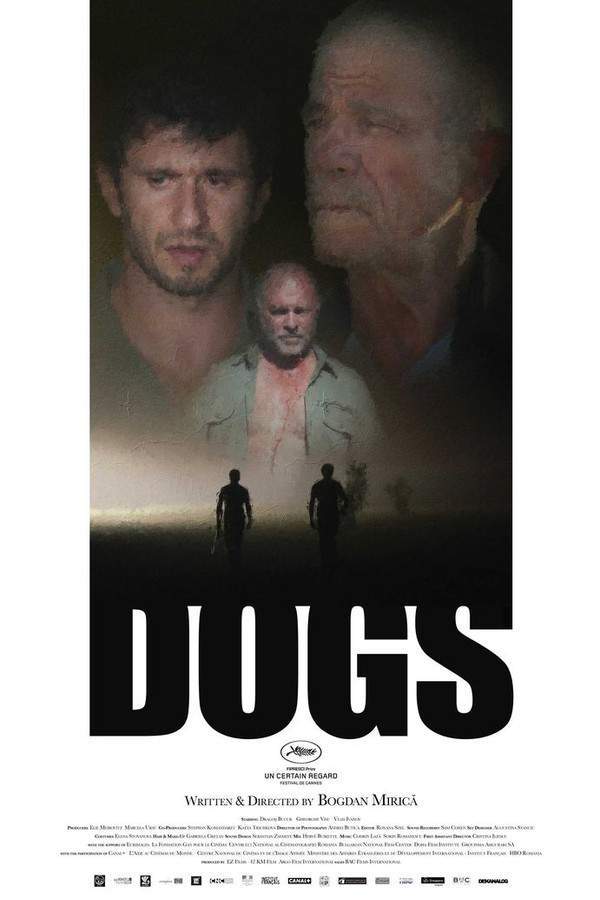
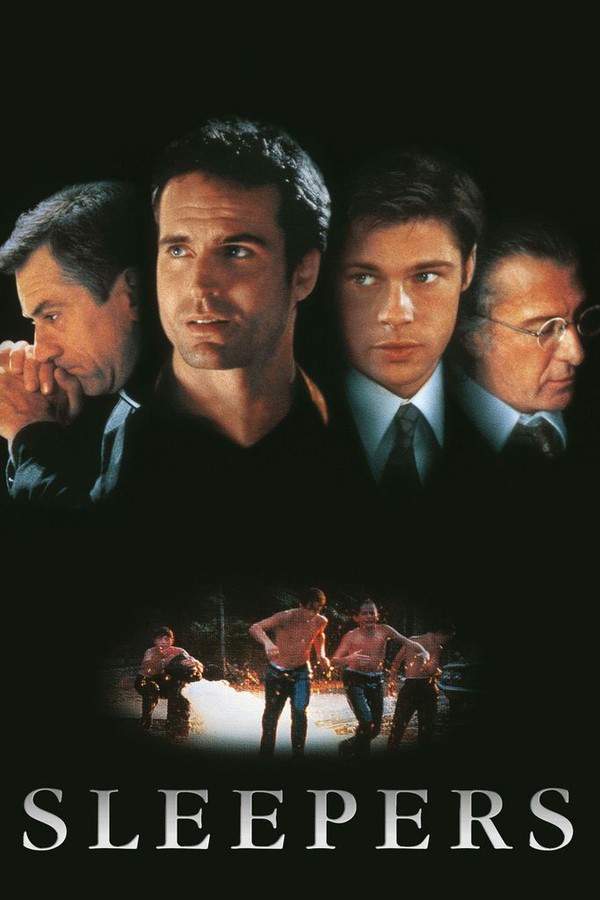
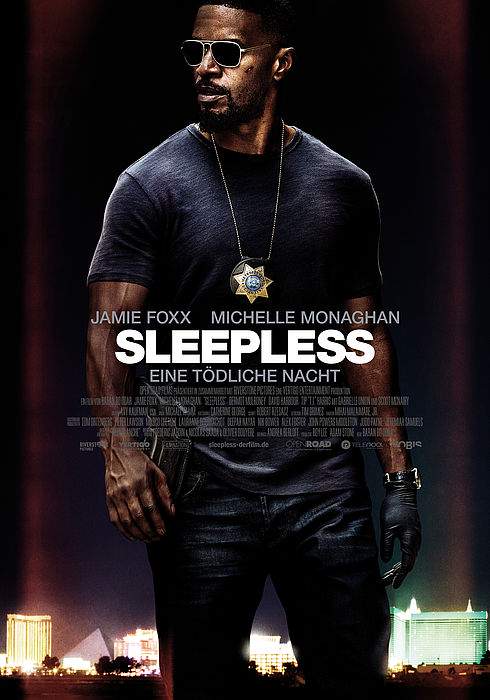
Browse a curated list of movies similar in genre, tone, characters, or story structure. Discover new titles like the one you're watching, perfect for fans of related plots, vibes, or cinematic styles.



Quick Links: Summary, Cast, Ratings, More

What's After the Movie?
Not sure whether to stay after the credits? Find out!
Check out our other apps:

SAT Sphere
Build confidence for the Digital SAT.

Mori Atlas
Discover wild places worth protecting.

Luntero
Search smarter for a home in Amsterdam.

Plot Explained
Unravel movie endings and hidden clues.

Pokechamp
Dive into Pokémon data and battle logic.

Driving Theory
Get ready for your European theory test.

Movie Dust
Plan your next cinema trip with ease.

Musemap
Find art and culture as you travel.

Selkobase
Compare credentials before committing.

Local Manual
Turn an unfamiliar country into practical next steps.

Lernavi
Compare school systems before your next move.

GymRoam
Find a workout stop wherever your plans take you.
Explore Our Movie Platform
New Movie Releases (2026)
Famous Movie Actors
Top Film Production Studios
Movie Plot Summaries & Endings
Major Movie Awards & Winners
Best Concert Films & Music Documentaries
Movie Collections and Curated Lists
© 2026 What's After the Movie. All rights reserved.
Privacy Policy