

What Is Paris After Dark About?
The premise of Paris After Dark in 277 words, with nothing given away. The full story follows below.
In the shadowed streets of occupied Paris, daily life trembles under the relentless gaze of the occupiers. The city’s elegant façades mask a network of quiet defiance, where whispers travel through hospitals, cafés and cramped apartments, stitching together a fragile tapestry of hope. The atmosphere is thick with tension, a blend of subdued dread and an unspoken determination that hangs like fog over the Seine, inviting anyone who dares to listen for the faint pulse of resistance.
At the heart of this covert world is Andre Marbel, an aristocratic physician whose respectable practice provides the perfect cover for his secret role as a leader of the underground. By his side works Yvonne, a devoted nurse whose competence and compassion make her indispensable both in the clinic and in the hidden meetings that sustain the movement. Their partnership is tested by the presence of Jean, Yvonne’s husband, a former soldier whose recent experiences have left him compromised and uncertain, creating an undercurrent of mistrust that threatens to unravel the delicate balance they strive to maintain.
The film moves through this oppressive landscape with a muted, almost lyrical tone, allowing the stakes of ordinary bravery to emerge without overt violence. It explores how war can twist familiar faces into strangers, forcing each character to confront the unsettling possibility of becoming what they despise. Yet, amid the looming darkness, the story is buoyed by quiet acts of solidarity and the stubborn flicker of a spirit that refuses to be extinguished. The audience is left with a lingering sense of intrigue, wondering how these intertwined lives will navigate the moral tightrope of survival and resistance in a city gripped by fear.
What Happens in Paris After Dark?
The complete story of Paris After Dark, from the first scene to the last, in 958 words (about 4 minutes). Spoilers throughout. Names in the text link to 1 cast member page.
Spoilers ahead
French underground activists are secretly printing and distributing leaflets against the Nazis, and many of them work at a factory that produces German tanks. Their covert sabotage is dangerous work, and the factory becomes a focal point for resistance. When a worker is shot after being caught distributing leaflets, his girlfriend Collette Madeleine Lebeau runs a restaurant and must pretend not to care as two German customers talk about the murder.
A nurse in the hospital, Yvonne Blanchard [Brenda Marshall], and a doctor, Dr. Andre Marbel [George Sanders], emerge as the movement’s leaders. They hold secret meetings at the doctor’s house and in the basement of Collette’s restaurant, weaving a network that stretches beyond the factory into the city’s everyday life. The tension intensifies as the German occupation presses in, and the underground struggles to protect its members from discovery.
Yvonne’s husband, Jean Blanchard [Philip Dorn], a former French soldier, is released from a German prison camp. He has been broken in spirit and initially seeks to cooperate with the Germans to safeguard his family. He also uncovers pamphlets hidden in his wife’s dresser and faces a troubling test of trust when she lies, claiming the pamphlets were for another nurse. He burns them and urges her to reveal the other nurse, complicating their relationship and the wider resistance.
The German commander in charge of the factory decides to move the machines and most of the workers to Germany to curb sabotage. He tasks the doctor with vaccinating the workers, turning public health into a precarious shield for control. The doctor calls an emergency underground meeting at his house, and Yvonne attends, telling Jean she must return to the hospital to participate in an emergency surgery. He follows and discovers she’s headed to the doctor’s house, not the hospital, fueling jealousy and suspicion. When she returns, a tense confrontation leaves her shaken, and she retreats to the hospital.
The next morning, Yvonne assists with vaccinations, and she spots her little brother George Benoit [Raymond Roe] in the vaccination line. That night, George declares he intends to leave France and join De Gaulle’s cause. His parents and Jean try to dissuade him, while a barber, Luigi, becomes entangled in dangerous deceit as he takes money from the Germans as an informer.
Another clandestine meeting takes place in Collette’s basement. Luigi flirts with Collette, attempting to follow her into an anteroom that hides a secret passage to the basement. She signals the group to disperse, and Jean, who had followed her earlier, arrives only to learn that Yvonne had been there. A sense of suspicion grows, and the couple’s trust is tested as the movement’s dangers mount.
That night at home, Yvonne confronts George with the family gun, and she takes it away to prevent him from using it to flee. He protests that he’ll need it for a dangerous escape, but she remains skeptical of any plan that might rely on unknown allies from the Underground. The next day, Jean watches from the window as a Gestapo agent exits Luigi’s barbershop and tails George and his friends. He realizes Luigi is the informer and a traitor who has betrayed the movement.
George and his companions are captured and taken back to the factory, where the workers learn that the Allies have landed in North Africa and have begun a work stoppage. In a heated moment, George delivers an inflammatory speech and is shot by Colonel Pirosh, a ruthless officer who has massed soldiers to quell the protest. Pirosh himself is wounded in the chaos, and the rescue plan hinges on a dangerous promise: if the doctor can operate and save him, the workers will be freed. The operation proceeds, with Nurse Yvonne assisting; at one point she hesitates and hands the doctor the wrong instrument in a moment of tension, but she ultimately provides the correct tool and the operation continues.
Luigi reappears at Collette’s restaurant, still trying to flirt, and Jean follows him there. A confrontation ends with Luigi being knocked through a false door in the closet and down the basement stairs. Jean’s blow reveals the basement as the Underground’s hidden headquarters, and Collette and the others rally to his side. Jean declares that he has taken care of the quisling, and the resistance welcomes him back with a renewed sense of purpose: resistance to fascism belongs to everyone, not just the workers.
The Nazi colonel survives and demands that fifty workers be killed unless the shooter is turned over. The doctor insists on keeping his promise, and Jean chooses to bear the burden rather than sacrifice the others. He leaves a note for Yvonne, confessing that he shot Colonel Pirosh and revealing his plan to turn himself in to save the rest. He also confesses to the doctor and the Underground, showing the gun he used—the same family gun that Yvonne had taken from George.
A British plane is said to be coming that night to extract the Underground’s leaders to safety, with Yvonne among those on board. Yet the truth of the plan becomes complicated when Yvonne goes to the doctor’s house to stop Jean from turning himself in, only to learn that he has already left. She admits to the doctor that she used the family gun, and they discuss the grim reality of Jean’s lung condition, acknowledging that he might not have long to live anyway.
Together they manage a secret transmission to Paris, reaffirming that France is still fighting and that the resistance will endure. Jean, listening from the edge of the Gestapo’s reach, hears the broadcast and finds a fragile moment of hope amid the peril, a testament to courage, loyalty, and the unyielding spirit of those who choose to resist.
Paris After Dark Timeline: Every Key Event in Order
15 key events in the order they happen, from “Leaflets and sabotage ramp up” to “Final broadcasts and a glimmer of resistance”. 15 events name a place, across 14 locations.
- 1
Leaflets and sabotage ramp up
French underground activists begin printing and distributing leaflets urging resistance to the Nazis. They target a factory manufacturing German tanks, planning covert sabotage to slow production. The effort creates a tense hush around the assembly lines as workers look for chances to act without being detected.
Where:Factory floor
- 2
Tragic murder of a leaflet distributor
A factory worker who distributes leaflets is shot and killed when caught in the act, shocking his fellow workers. His girlfriend Colette runs a restaurant and has to pretend not to care when two German customers discuss the murder. The incident raises the stakes and deepens resolve among the resistance.
Where:Factory floor
- 3
Yvonne and Marbel emerge as ringleaders
Yvonne Blanchard and Dr. Andre Marbel become the ringleaders of the resistance, organizing secret meetings. They set up gatherings at the doctor’s house and in the basement of Colette’s restaurant to stay hidden from the Germans. The network coordinates vaccinations, leaflets, and discussions with factory workers.
Where:Doctor’s house and Colette's restaurant basement
- 4
Jean released; pamphlets discovered
Jean Blanchard, a former French soldier, is released from a German prison camp. He finds pamphlets hidden in his wife’s dresser and confronts her; she lies about their purpose and denies knowledge of their whereabouts. He burns the pamphlets and urges her to reveal the other nurse, escalating suspicion and distrust between them.
Where:Home
- 5
German plan and vaccination pretext
The German commander decides to move machines and many workers to Germany to cut sabotage. He asks Doctor Marbel to vaccinate the workers as a pretext for control. The plan triggers an emergency underground meeting to plan a response.
Where:Factory and Doctor’s house
- 6
Jealousy and a secret meeting
An emergency underground meeting is held at the doctor’s house, attended by Yvonne and other organizers. Jean follows Yvonne to the meeting, misreading her actions and becoming jealous. When she returns home, she goes to the hospital for an emergency surgery, trying to keep the gathering secret from him.
Where:Doctor’s house
- 7
George’s plan to leave France
The next morning, Yvonne assists with the vaccination in the line when George, her younger brother, shows up with plans to leave France and join De Gaulle. His parents and Jean try to dissuade him, but he persists, claiming that friends will help. The tension emphasizes the pull of exile against family loyalty.
Where:Hospital/house
- 8
LuigI as informer and a clandestine encounter
Jean informs Luigi, the barber, about George’s plan, not knowing Luigi is taking money from the Germans as an informer. Later at Colette’s restaurant, Luigi flirts with Colette and tries to follow her into a secret passage to the basement. Colette signals the others to disperse, and Jean runs into Luigi in the alley as they are leaving with Yvonne and Marbel.
Where:Colette’s restaurant; basement
- 9
George’s gun scare and family tension
That night George returns home with the family gun; Yvonne disarms him but fears the plan to escape. He insists the underground will help him, but she remains skeptical of those outside the movement. The episode heightens the sense of danger around the family and the cause.
Where:Family home
- 10
Gestapo closes in on Luigi’s betrayal
The next day, Jean watches a Gestapo agent leave Luigi’s barbershop and realizes Luigi has betrayed them. He learns Luigi had supplied information about George and the resistance. The net tightens as Gestapo steps up surveillance of the workers at the factory.
Where:Barbershop and alley
Show the other 5 events of Paris After Dark Hide the last 5 events
- 11
George’s arrest and the factory uprising
George and his friends are caught on the road and brought back to the factory, where the workers have learned of Allied landings in North Africa and initiate a work stoppage. George delivers an inflammatory speech before Colonel Pirosh’s soldiers and is shot. The Colonel is wounded, and 50 factory workers are taken into Gestapo custody.
Where:Factory yard
- 12
The operation and instrument misstep
Colonel Pirosh survives only if the doctor can operate; he promises to free the workers if successful. Nurse Yvonne assists but briefly hands the wrong instrument in a bid to kill the patient, then corrects herself when the doctor insists. The operation rests on a razor-thin margin of error and trust.
Where:Doctor’s house/hospital
- 13
Luigi killed; Underground revealed
Luigi reappears at Colette’s restaurant, still flirting, and Jean follows him to the basement. In a struggle, Jean knocks Luigi through a false door and chokes him to death, revealing the basement as the Underground headquarters. Colette and other resistance members arrive to join the fight.
Where:Colette’s restaurant basement
- 14
Siege, confession, and evacuation plan
The Nazi colonel survives and demands that all 50 workers be killed unless the shooter is handed over. The doctor objects, and Jean writes a note confessing that he shot Colonel Pirosh, telling the doctor he plans to surrender to save the workers. He shows the doctor the gun to prove the bullet matches, and a plan forms to evacuate the leaders by a British plane that night.
Where:Factory/Hospital/Underground HQ
- 15
Final broadcasts and a glimmer of resistance
The underground leaders send a secret transmission to Paris declaring that France is still fighting and the resistance endures. Yvonne is set to be on the plane to safety, but Jean contemplates his fate as the hours pass. A final broadcast reaches Paris as Jean stands before the Gestapo, embodying defiance and hope for the cause.
Where:Paris/Underground HQ
Who Are the Main Characters in Paris After Dark?
9 characters, among them Collette (Madeleine Lebeau), Dr. Andre Marbel (George Sanders) and Yvonne Blanchard (Brenda Marshall): who each one is and the part they play in the story. Every profile links to the actor’s page.
-
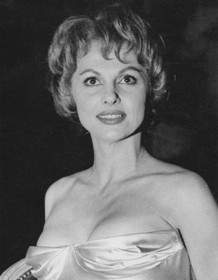
Collette (Madeleine Lebeau)
Played by Madeleine Lebeau
A restaurant owner who quietly supports the resistance while maintaining a calm, accommodating persona. Her space becomes a discreet hub for underground activity, and she signals when to disperse to protect participants. She embodies practical courage, balancing danger with everyday normalcy.
- 🍽️ Restaurant owner
- 🧭 Resistance connector
- 🕊️ Courage under pressure
-
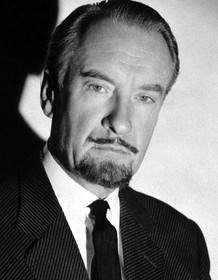
Dr. Andre Marbel (George Sanders)
Played by George Sanders
A physician and ringleader who hosts secret meetings at his home and in the restaurant basement. He orchestrates clandestine vaccination efforts and broader resistance planning. His medical role provides cover for dangerous activities, while a terminal pulmonary condition heightens the stakes.
- 🩺 Doctor
- 🧭 Underground organizer
- ⚕️ Medical cover for risk
- YB
Yvonne Blanchard (Brenda Marshall)
Played by Brenda Marshall
A nurse and key organizer who coordinates clandestine actions while grappling with family duties. She lies to protect colleagues and participates in secret gatherings, balancing risk with loyalty to the cause. Her leadership under pressure helps sustain the resistance network.
- 🧭 Underground leader
- 💉 Nurse
- 🫶 Loyal collaborator
- JB
Jean Blanchard (Philip Dorn)
Played by Philip Dorn
A former French soldier and husband to Yvonne; initially unsettled by suspicion and danger, he eventually commits to the resistance. He confronts jealousy and distrust, then takes decisive action to safeguard others. His arc centers on personal courage and the willingness to sacrifice for the cause.
- 🪖 Former soldier
- 🥊 Protector
- 🔒 Trust recovered
- CP
Colonel Pirosh (Robert Lewis)
Played by Robert Lewis
The German commander in charge of the factory and a ruthless enforcer of occupation. He demands the shooter’s handover under threat of killing many workers, illustrating the brutal stakes of the crackdowns. His authority and menace drive much of the plot’s tension.
- 🛡️ Oppressor
- ⚔️ Authority figure
- 🩸 Threat and coercion
-
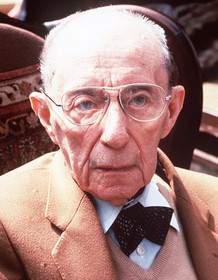
Max (Curt Bois)
Played by Curt Bois
An Underground member who contributes to the resistance’s coordination and operations. He represents the network’s quieter, persistent support system essential to sustaining clandestine activities. He embodies the communal effort behind the resistance.
- 🕵️♂️ Underground ally
- 🤝 Team collaborator
- MB
Madame Benoit (Ann Codee)
Played by Ann Codee
A member of the Benoit household within the Paris setting. She is part of the local community caught up in the risks of the occupation. Her presence helps anchor the resistance within everyday neighborhood life.
- 🏠 Community member
- 🗂️ Family ties
- LB
Lucien Benoit (Jean Del Val)
Played by Jean Del Val
A member of the Benoit family whose interactions intersect with the resistance’s activities. He contributes to the network’s fabric through personal ties and involvement in the broader community.
- 👥 Family connection
- 🗺️ Local contact
- GB
George Benoit (Raymond Roe)
Played by Raymond Roe
A young Benoit family member who delivers a powerful turning point by delivering an inflammatory speech before being shot by Colonel Pirosh. His death underscores the cost of resistance and the peril faced by those who speak out.
- 🗡️ Martyr figure
- ⚖️ Sacrifice
Where and When Is Paris After Dark Set?
Paris After Dark is set in Paris and Occupied France (1942-1943). Here is why the time and place matter to the story.
When
1942-1943
Set in the early 1940s during World War II, Paris endures occupation with resistance quietly growing. The narrative arises after Allied landings in North Africa, signaling shifts in momentum for the underground. Secrecy and risk define daily life as leaders convene in basements and private homes to plan actions. Timeframes hinge on urgent decisions that could expose everyone involved.
Where
Paris, Occupied France
The story unfolds in wartime Paris under Nazi control, where everyday streets sit alongside hidden networks of defiance. A factory mass-produces German tanks, underscoring the regime’s industrial might and the sabotage risk faced by workers. Secret meetings bounce between the doctor’s basement, Colette’s restaurant, and other discreet spaces, turning ordinary locales into vital resistance hubs. The city’s atmosphere blends danger, secrecy, and quiet acts of courage.
- 🗼 Paris under occupation
- 🏭 German tank factory nearby
- 🏥 Underground hospital/meeting spaces
What Are the Themes of Paris After Dark?
3 ideas the story keeps returning to, among them Resistance, Relationships and Sacrifice.
-
01
Resistance
Paris After Dark centers on a clandestine network resisting Nazi control. Leaflets, secret meetings, and calculated risks define the struggle, with ordinary spaces becoming fronts for rebellion. The film highlights how civilians transform fear into action, sustaining hope through coordinated acts of defiance. Courage arises from collective effort, not heroic single moments.
-
02
Relationships
Occupation pressures strain trust and loyalty within families and couples. Jealousy and suspicion surface as characters juggle private lives with clandestine duties. The story shows that personal bonds can both complicate and strengthen the fight against oppression. Resilience requires balancing affection and duty under constant threat.
-
03
Sacrifice
Characters face difficult choices that put others before themselves. Jean Blanchard’s decision to threaten his own safety to protect comrades is a focal point, along with the underground’s willingness to risk capture for the greater good. The narrative emphasizes that enduring freedom often demands personal cost. Endings hinge on acts of selflessness that outlast the perilous moment.
What Kind of Film Is Paris After Dark?
Tense in tone, with steady pacing and a moderate story, going by the plot summary.
- Tone
- Tense
- Pacing
- Steady
- Story
- Moderate
- Intensity
- High
- Ending
- Bittersweet
A tense and somber wartime drama that builds constant anxiety through its portrayal of clandestine resistance work, shattered trust, and the grim sacrifices required to maintain hope under Nazi oppression.
- tense
- claustrophobic
- anxious
- somber
- hopeful
- resolute
- french resistance
- nazi occupation
- marital distrust
- moral disillusionment
Content notes: war violence, imprisonment, betrayal, shooting death, psychological trauma.
Quiz
How well do you remember Paris After Dark? Test yourself on the story.


