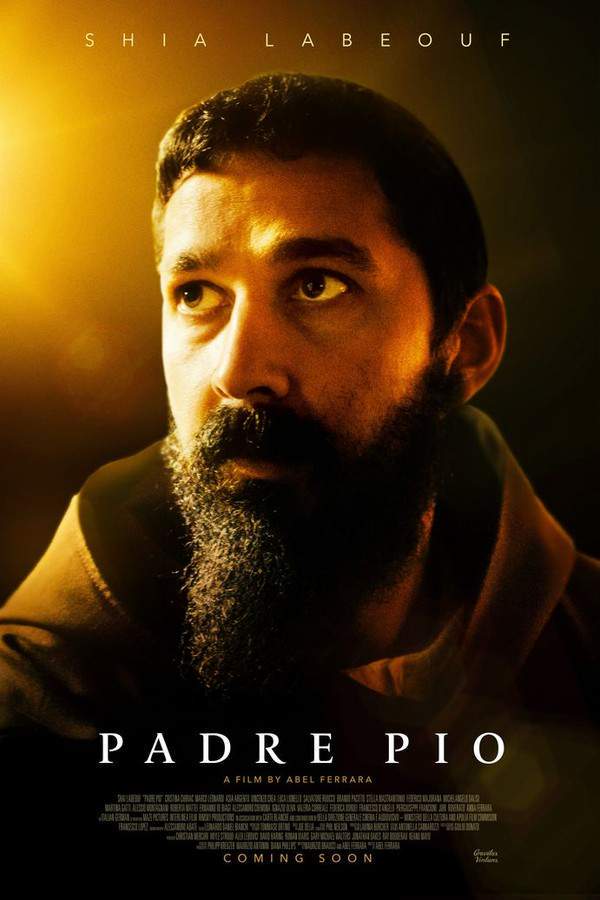
What Is Padre Pio About?
The premise of Padre Pio in 321 words, with nothing given away. The full story and the ending follow below.
In the shadow of the Great War, Italy’s countryside stirs with a restless mixture of hope and fatigue. Villagers return to cracked streets and fields still scarred by conflict, while the nation’s first free election looms like a promise whispered through taverns and church doors. The atmosphere is one of quiet desperation, punctuated by the lingering scent of mustard‑laden earth and the uneasy power of landed aristocrats who still command the labor of the poor. Against this backdrop, a fragile community clings to tradition, faith, and the faint prospect of renewal.
Padre Pio arrives in the modest hill‑town of San Giovanni Rotondo, a man already marked by personal illness and a deep, private struggle against forces that seem both worldly and otherworldly. Though his early days are spent largely in solitude, the very walls of the parish echo with the cries of the wounded, the confessions of the broken, and the tentative prayers of those yearning for relief. His presence radiates a calm intensity, as if his very breath carries the weight of a centuries‑old mantle he is only beginning to understand.
The film’s tone balances reverent melancholy with a subtle, gritty realism. Sun‑drenched plazas and stone‑cobbled alleys contrast with the dim interiors where whispered petitions rise in candlelight. Social tensions simmer beneath the surface, hinting at emerging voices demanding change while old powers guard their privileges. Within this charged environment, Padre Pio becomes a focal point of curiosity and quiet admiration, his humble demeanor hinting at an inner resolve that may shape the destiny of the town.
As the community navigates the uneasy transition from war‑torn hardship toward an uncertain political future, the story invites viewers to contemplate how faith, perseverance, and a single steadfast individual can offer a beacon of hope. The film leaves the audience poised on the brink of transformation, wondering how far one man’s quiet conviction might ripple through a world poised between darkness and dawn.
What Happens in Padre Pio?
The complete story of Padre Pio, from the first scene to the last, in 229 words (about 1 minute). Spoilers throughout. Names in the text link to 2 cast member pages.
Spoilers ahead
It is the year 1920, and Italian villages still bear the scars of World War I. In San Giovanni Rotondo, Shia LaBeouf as Padre Pio arrives after years with his family in Pietrelcina. Despite frailty, he continues to confront visions of Satan, who presents himself as the architect of the war and the town’s deeper troubles. Through the Sacrament of Confession and Holy Mass, the priest bears witness to the suffering of the poor, including miracles such as a crippled man walking again thanks to his prayers. The war’s legacies—medical shortages, faltering health, and mustard gas—are joined by a new form of oppression: a corrupt class of wealthy landowners who dominate the countryside.
Among the locals, Marco Leonardi as Gerardo stands as a militaristic anti-socialist threat, threatening to shoot any worker who tends the fields. In response, many join the Socialist Party to demand a better life. After the town holds its first free election, Gerardo’s forces massacre numerous laborers, a brutal display of how political power and fear can override hope and community.
Moved by the suffering around him, the cleric prays for a path of shared pain for salvation. He receives the wounds of Christ—the stigmata—as a living sign of solidarity. This sacred mark weakens Satan’s grip on the town, offering a spiritual counterweight to the violence and despair that followed the war and the political strife.
Padre Pio Timeline: Every Key Event in Order
12 key events in the order they happen, from “Padre Pio arrives in San Giovanni Rotondo” to “Stigmata disrupts Satan's influence over the town”. Every event takes place in San Giovanni Rotondo.
- 1
Padre Pio arrives in San Giovanni Rotondo
It is 1920 when Padre Pio arrives in San Giovanni Rotondo after years in Pietrelcina. He moves among the sick and poor, bringing a new spiritual presence to the village. Though frail himself, his arrival signals the start of a profound test for the community.
When:1920 Where:San Giovanni Rotondo
- 2
Satan reveals himself as the war's instigator
Satan appears to the town, presenting himself as the mastermind behind the war and the social ills plaguing San Giovanni. He mocks human weakness and claims that violence and corruption are inevitable. Padre Pio senses a dark spiritual battle shaping the town's fate.
When:1920s Where:San Giovanni Rotondo
- 3
Padre Pio learns the suffering of the poor through confession and Mass
While engaging with penitents and witnessing their faith, Padre Pio learns the depth of the poor's suffering through the Sacrament of Confession and the Holy Mass. He hears stories of medical neglect, hunger, and unjust labor, and he feels compelled to intercede. His presence begins to illuminate the humanity behind the town's hardship.
When:1920s Where:San Giovanni Rotondo
- 4
Miracle: a crippled man walks again due to Padre Pio's prayer
A crippled man is brought to his prayers and experiences healing; his limbs regain strength after Padre Pio's intercession. The miracle strengthens the faithful and deepens the sense that divine mercy is present in the community. The event also testifies to the power of prayer amid hardship.
When:1920s Where:San Giovanni Rotondo
- 5
War's aftermath: medical inadequacy and mustard gas
War continues to cast long shadows over the town, with medical inadequacy and squalid health conditions prevailing even after battles. Victims of mustard gas and exhausted laborers bear the scars of conflict, while disease and poverty tighten their grip. The community confronts a slow recovery while grappling with hardship.
When:1920s Where:San Giovanni Rotondo
- 6
Corrupt landowners threaten the poor; Gerardo's stance
Gerardo, a militaristic landowner, uses his grip on the countryside to threaten and sometimes kill laborers tending his land. The oppressive climate breeds fear and resentment among workers. Some begin to seek collective action as a means to survive.
When:1920s Where:San Giovanni Rotondo
- 7
Laborers join the socialist party
Facing exploitation, many laborers join the socialist party in search of fair wages and rights. The movement mobilizes the oppressed into a political force that challenges the town's power structure. Tensions rise as the party gains visibility and influence.
When:1920s Where:San Giovanni Rotondo
- 8
First free election in San Giovanni
San Giovanni holds its first free election, an unprecedented moment for the community. The socialist party wins, signaling a potential shift in governance and social policy. The town braces for reform amid opposition from entrenched interests.
When:1920s Where:San Giovanni Rotondo
- 9
Massacre of socialist supporters after the election
Following the electoral victory, Gerardo's forces massacre many of the socialist supporters, exposing the violent resistance to change. The community mourns as families are torn apart and the town's hope for reform is tempered by brutality. Padre Pio faces the calamity alongside his people.
When:1920s Where:San Giovanni Rotondo
- 10
Padre Pio pleads to become a suffering servant
In response to the suffering around him, Padre Pio prays to God that he may become a suffering servant for their salvation. He offers his pain in solidarity with the oppressed, seeking redemptive meaning in their hurt. The act marks a turning point in his personal mission and the town's spiritual life.
When:1920s Where:San Giovanni Rotondo
- 11
Padre Pio receives the stigmata
That prayer is answered when Padre Pio receives the wounds of Jesus Christ, the stigmata, and bears the mark as a symbol of solidarity with the afflicted. The stigmata confirms his spiritual vocation and deepens people's faith. The personally painful experience becomes a beacon of grace amid the town's turmoil.
When:1920s Where:San Giovanni Rotondo
- 12
Stigmata disrupts Satan's influence over the town
With the stigmata, Satan's influence over San Giovanni Rotondo is disrupted, and a sense of spiritual renewal begins to take hold. The town witnesses a shift toward compassion, humility, and solidarity as the divine signs unfold. Padre Pio's suffering becomes the catalyst for healing the community.
When:1920s Where:San Giovanni Rotondo
Who Are the Main Characters in Padre Pio?
9 characters, among them Padre Pio (Shia LaBeouf), Gerardo (Marco Leonardi) and Renato (Brando Pacitto): who each one is and the part they play in the story. Every profile links to the actor’s page.
-
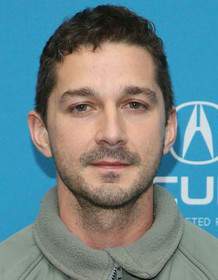
Padre Pio (Shia LaBeouf)
Played by Shia LaBeouf
A devout priest who arrives in San Giovanni Rotondo amid postwar hardship. He confronts spiritual warfare as Satan tries to exploit the town's pain, and he seeks to relieve suffering through prayer and faith. His miracles, including healing the crippled man, demonstrate the power of prayer and culminate in the stigmata as part of the town's larger battle between heaven and earth.
- 🕯️ Priest
- Miracle
- Faith
-
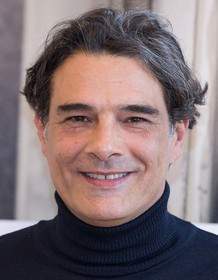
Gerardo (Marco Leonardi)
Played by Marco Leonardi
A militaristic landowner who suppresses the laborers and fears their growing organization. He threatens violence and resists the workers' push for change. After the town secures a first free election, his forces massacre many laborers, illustrating the brutal costs of power and control.
- 🧭 Landowner
- Oppressor
-
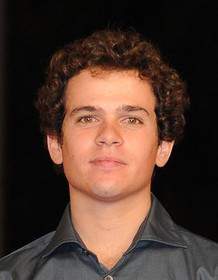
Renato (Brando Pacitto)
Played by Brando Pacitto
A local resident drawn into the conflict between laborers and owners. He wrestles with loyalty and the desire for a better life, reflecting the personal stakes of political upheaval. His perspective highlights the human cost of class struggle.
- 👥 Worker
- Activist
- S(
Silvestro (Luca Lionello)
Played by Luca Lionello
A town figure who navigates the fraught social climate, representing those torn between authority and solidarity with the needy. He observes the effects of war, wealth disparity, and faith on the community. His stance mirrors the era's moral ambiguities.
- 🏛️ Local
- Observer
- G(
Giovanna (Cristina Chiriac)
Played by Cristina Chiriac
A resident who endures hardship with her family and engages with Padre Pio as a source of hope. She embodies resilience in a town ravaged by conflict and economic hardship. Her choices illuminate the human side of faith and struggle.
- 👩👧👦 Family
- Hope
- E(
Elvira (Stella Mastrantonio)
Played by Stella Mastrantonio
A member of the community who stands with the poor and bears witness to the consequences of violence and corruption. She contributes to the communal response to the town's suffering and spiritual crisis. Her voice represents the marginalized in times of upheaval.
- 👩 Community Leader
- V(
Vincenzo (Salvatore Ruocco)
Played by Salvatore Ruocco
A town resident who experiences the strain of political upheaval and class tension. He participates in the social changes taking place and may be part of the labor movement or affected by the violence. His arc underscores the personal stakes of the era.
- 🧑 Worker
- Participant
- M(
Michele (Federico Majorana)
Played by Federico Majorana
A local youth or adult worker who witnesses the transformation of their town under the weight of war, politics, and faith. He models the street-level impact of the era's upheaval and the pull between old structures and new ideologies.
- 🧒 Youth
- Worker
- L(
Luigi (Vincenzo Crea)
Played by Vincenzo Crea
A village resident whose life is shaped by the economic and spiritual turmoil of the period. He reflects the everyday experiences of people caught between powerful forces and a desire for justice and relief.
- 👴 Elder
- Community Member
Where and When Is Padre Pio Set?
Padre Pio is set in San Giovanni Rotondo, Pietrelcina and Italy (1920). Here is why the time and place matter to the story.
When
1920
The story unfolds in 1920, in the immediate aftermath of World War I as Italian veterans return to impoverished villages. Medical shortages and harsh living conditions compound the town's suffering, while political tensions rise with the emergence of worker movements. Faith, miracles, and political upheaval shape the community's response to poverty and corruption.
Where
San Giovanni Rotondo, Pietrelcina, Italy
San Giovanni Rotondo serves as the film's setting, a small Italian town grappling with the aftermath of World War I. Padre Pio arrives to minister to the poor amid disease, weak healthcare, and the scars of conflict. The town is dominated by wealthy landowners who squeeze laborers, setting the stage for social unrest and a decisive clash after the first free election.
- 🕊️ Pilgrim town
- 🏚️ Impoverished village after war
- ⚖️ Contested land and power
What Are the Themes of Padre Pio?
3 ideas the story keeps returning to, among them Faith and Suffering, Social Justice and Spiritual Warfare.
-
01
Faith and Suffering
Padre Pio's presence anchors a spiritual arc where prayer and miracles confront the town's pain. The stigmata and healings signal divine intervention amid war-weariness and social corruption. The film portrays suffering as a path to salvation, testing belief against danger and doubt.
-
02
Social Justice
A militaristic landowner opposes the workers and fears their growing organization. He threatens violence and resists the push for change, culminating in a massacre after the town's first free election. The narrative uses this conflict to critique inequality and the price of political transformation.
-
03
Spiritual Warfare
The struggle against Satan's influence drives the film's conflict, with Padre Pio's wounds and divine signs challenging malevolent forces. The clash between faith, miracles, and earthly corruption frames the town's turmoil. Ultimately, the spiritual battle reshapes the community's sense of hope and redemption.
How Does Padre Pio End?
The last act of Padre Pio and what it means, in 345 words. The ending lands as happy. Big spoilers: read the plot summary first if you have not seen it.
The final act, in full
The ending of Padre Pio is ultimately a stark reflection of the internal and external struggles faced by its characters, particularly Padre Pio himself. Throughout the film, we see Pio haunted by his inner demons—visions of guilt, violence, and self-doubt—that blur the lines between his faith and his fractured psyche. His moments of anger, accusations in the confessional, and violent outbursts symbolize his battle with his own guilt and shame, especially regarding his past, his perceived failings as a spiritual leader, and his personal demons, which may be manifestations of guilt for sins he committed or imagined. The film hints that these manifestations are rooted in Pio’s internal guilt, possibly about abuses or misconduct, and his inability to reconcile his faith with his fractured identity.
Meanwhile, the village around him is torn by poverty, political unrest, and a desperate yearning for justice. The socialists, fighting for better lives, are systematically murdered—reflected in the film’s brutal depiction of class struggle and corruption. Their efforts to bring change are thwarted by corrupt authorities, and the societal divisions remain unbroken, symbolizing the persistent cycle of oppression and inequality. Pio’s own spiritual authority seems disconnected from this reality, as he struggles to heal not only physical ailments but also the spiritual wounds of his community, which appear beyond his reach.
In the film’s climax, it becomes clear that hope is fragile—an illusion in a world rife with violence and injustice. The socialists’ uprising ends in bloodshed, brutally suppressed, confirming that the powerful maintain their grip through violence and suppression. Pio’s internal chaos culminates in a symbolic collapse—his mental and spiritual battles reflect the chaos of the world around him. The film leaves us with a haunting sense that the true battle is within, and that hope for genuine change might be forever lost amid the brutality of the societal structure and the personal demons we carry. Ultimately, the ending suggests that true salvation remains elusive, both for Pio and the community he serves, hinting at the cyclical nature of suffering and the difficulty of transcending personal and societal darkness.
What Kind of Film Is Padre Pio?
Dark in tone, with steady pacing and a moderate story, going by the plot summary.
- Tone
- Dark
- Pacing
- Steady
- Story
- Moderate
- Intensity
- High
- Ending
- Happy
A heavy and spiritually intense drama exploring profound suffering and faith within a bleak post-war society, where a friar's internal battles against demonic temptation lead to a hopeful, miraculous resolution.
- spiritual
- oppressive
- suffering
- hopeful
- contemplative
- somber
- faith
- political corruption
- war aftermath
- spiritual warfare
Content notes: war violence, massacre, demonic temptation, suffering, male nudity, female nudity.
Quiz
How well do you remember Padre Pio? Test yourself on the story.