What Is Numb About?
The premise of Numb in 283 words, with nothing given away. The full story follows below.
In a breezy Hollywood backdrop where creative burnout is as common as coffee runs, a modestly successful screenwriter finds his usual confidence replaced by an unsettling blankness. Hudson Milbank wakes up one morning unable to feel anything at all—no joy, no anger, no spark that usually fuels his scripts. The film opens with him drifting through everyday moments as if watching life through a muted screen, setting a tone that balances nervous humor with an earnest curiosity about what it means to be emotionally adrift.
His longtime writing partner, a steady presence in both his career and personal life, quickly notices the shift. Tom tries to intervene with the mix of concern and sarcasm that only longtime friends can muster, urging Hudson to chase every possible remedy. Their banter, peppered with industry inside jokes and sincere worry, frames the larger world of doctors, therapy sessions, and an endless catalog of pills as both a source of comedic mishaps and a genuine quest for feeling again.
Amid the medical appointments and endless self‑help seminars, a chance encounter introduces a new, brighter hue to the grayscale of Hudson’s existence. Sara Harrison, a warm and observant stranger, recognizes the flicker of something worth saving beneath his numb exterior. Their tentative connection hints at the possibility that love and laughter might serve as the most unconventional—and perhaps most effective—prescription of all.
The film dances between witty dialogue and a thoughtful portrait of modern mental‑health struggles, using the romantic‑comedy format to explore how creativity, friendship, and unexpected romance can illuminate the path back to feeling alive. Its mood is simultaneously light‑hearted and introspective, inviting audiences to wonder whether a single spark can truly reignite a world gone silent.
What Happens in Numb?
The complete story of Numb, from the first scene to the last, in 553 words (about 2 minutes). Spoilers throughout. Names in the text link to 1 cast member page.
Spoilers ahead
Hudson Milbank, portrayed by [Matthew Perry], is a modestly successful screenwriter whose quiet confidence begins to unravel as a strange mood takes hold. He finds himself detached from the world around him, unable to connect with people or his surroundings in a way that feels both unsettling and alien. What starts as a nagging suspicion after a night of heavy cannabis use slowly deepens into a profound sense of disconnection, leaving him unsure of what is real and how to bridge the widening gap between his inner life and the outside world.
His writing partner, Tom, notices the shift first and is visibly disturbed by Hudson’s sudden change. Tom urges his friend to seek help, recognizing that the hurdle isn’t just creative or personal—it’s something that could affect every aspect of his life. The tension between them grows as Hudson’s behavior grows more unpredictable, and the question of where the boundary between imagination and reality lies becomes harder to discern.
Seeking guidance, Hudson encounters Dr. Townsend, a clinician who ultimately diagnoses him with depersonalization disorder. The medical path that follows is marked by a search for the right mental health support, with Dr. Townsend prescribing Clonazepam as part of a broader attempt to stabilize his sense of self. The diagnostic label brings a new framework to Hudson’s experiences, but it does not immediately resolve the confusion or the loneliness he feels as days blur into one another.
When the medications prove insufficient, Hudson turns to Dr. Richmond, a doctor who approaches treatment from a different angle and explores a range of therapies and drugs, including divalproex sodium, in an effort to restore some sense of balance. The shifting medical opinions underscore the fragility of certainty in the face of a mind that refuses easy answers, and Hudson continues to navigate a path that feels both medical and deeply personal.
Amid the turmoil, Hudson meets Sara Harrison, a striking and empathetic woman who sees something worth saving in him. She becomes a conduit for new experiences, inviting him to explore life with renewed openness and curiosity. Through Sara’s warmth and encouragement, Hudson embarks on a journey toward reconnecting with the world—moments of beauty, sound, and sensation that stand in stark contrast to the numbness that has settled inside him. This relationship adds color to a story otherwise dominated by questions of identity and perception.
In parallel, Dr. Blaine, a psychiatrist who initially resists Hudson’s advances, becomes entwined with him in a complicated affair. Their relationship reveals layers of vulnerability in both characters and hints at issues that require professional attention beyond the therapeutic setting. As the affair unfolds, it becomes clear that Dr. Blaine too is carrying her own burdens, complicating the dynamic and forcing Hudson to confront how intimacy and trust operate under the strain of mental health challenges.
The overall arc of the film centers on the tension between perception and reality, and the enduring human need to connect. Hudson’s struggle with depersonalization, the care and missteps of the medical professionals, and the hopeful, sometimes perilous influence of Sara’s companionship all converge to form a nuanced portrait of a man trying to find his footing again. The story remains grounded in emotion, avoiding sensationalism while offering a thoughtful look at how mental health, relationships, and personal identity intersect in moments of crisis.
Numb Timeline: Every Key Event in Order
12 key events in the order they happen, from “Hudson's mood shift after cannabis night” to “Ending questions about recovery”.
- 1
Hudson's mood shift after cannabis night
That night Hudson Milbank experiences a strange mood shift, feeling detached from the world and unable to connect with people. The change is so disorienting that his modest success as a screenwriter feels unreal. His writing partner Tom immediately senses something is wrong and urges him to get help.
- 2
Tom urges psychiatric help
Tom grows increasingly worried by Hudson's detachment and urges him to seek psychiatric help before the symptoms worsen. He emphasizes the importance of professional evaluation rather than trying to ride it out. This moment pushes Hudson toward the decision to consult a clinician.
- 3
Depersonalization disorder diagnosed
Dr. Townsend formally diagnoses Hudson with depersonalization disorder, a disruption of the sense of self and reality. He prescribes medications, including Clonazepam, in an effort to stabilize his symptoms. Hudson leaves the appointment with a new sense of cautious hope but lingering doubt about relief.
- 4
Clonazepam prescribed; limited relief
Despite the medication, Hudson experiences little improvement, and the depersonalization persists. He decides to seek a second opinion from Dr. Richmond.
- 5
New meds considered by Dr. Richmond
Dr. Richmond evaluates Hudson and shifts the treatment approach, moving away from Clonazepam and proposing divalproex sodium along with other alternatives. The new plan reflects the doctors' belief that different pharmacological strategies might address the underlying symptoms more effectively. Hudson remains cautious about whether these changes will work.
- 6
Hudson meets Sara
Hudson meets Sara, a striking woman who finds him attractive and confident enough to offer companionship. She decides to introduce him to positive and compelling experiences in an effort to pull him out of his detachment. Sara's presence marks a more social, experiential route to his healing.
- 7
Sara as a catalyst for healing
Sara becomes a catalyst in his life, encouraging him to engage in uplifting activities and to encounter new perspectives. Her influence aims to ground him in reality by breaking the isolation that having a depersonalization disorder can create.
- 8
Dr. Blaine enters and resists initially
Dr. Blaine, another psychiatrist, is introduced and initially resists Hudson's advances. Despite this, she becomes involved with him and pushes the boundaries of their professional relationship.
- 9
Hudson and Dr. Blaine's affair
Ultimately Hudson and Dr. Blaine begin an affair, complicating the therapeutic dynamic and testing the trust between patient and clinician. The affair intensifies the already fragile balance between care and personal desire.
- 10
Blaine reveals personal issues
Dr. Blaine later reveals that she has serious issues of her own that require professional attention. The disclosure casts doubt on her ability to guide Hudson and forces a reckoning about boundaries.
- 11
Therapy path challenged by personal dynamics
These intertwined personal and medical developments push Hudson toward a crossroads about how to proceed with treatment. He must decide how to pursue recovery while navigating a damaged therapeutic landscape.
- 12
Ending questions about recovery
The film closes with the understanding that depersonalization remains a central challenge, shaped by medical attempts and personal entanglements. It ends with questions about whether recovery is achievable under such tumultuous conditions.
Who Are the Main Characters in Numb?
6 characters, among them Hudson Milbank (Matthew Perry), Sara Harrison (Lynn Collins) and Dr. Blaine (Mary Steenburgen): who each one is and the part they play in the story. Every profile links to the actor’s page.
-

Hudson Milbank (Matthew Perry)
Played by Matthew Perry
A modestly successful screenwriter who descends into depersonalization, becoming emotionally detached from people and his surroundings. He is introspective and anxious about connection, yet struggles to regain a sense of self. The narrative centers on his attempts to reconnect with life while navigating complicated relationships that challenge his clinical status.
- 🧠 Complex
- 💔 Strained Relationships
- 🧭 Identity Crisis
-

Sara Harrison (Lynn Collins)
Played by Lynn Collins
A beautiful young woman who finds Hudson attractive and becomes a catalyst for his social revival. She attempts to pull him back into life by introducing him to positive, vivid experiences. Her presence offers a counterpoint to his clinical detachment, highlighting the tension between escape and connection.
- ❤️ Romance
- 🎯 Influence
- 🧭 Catalyst
-

Dr. Blaine (Mary Steenburgen)
Played by Mary Steenburgen
An experienced psychiatrist who treats Hudson but is drawn into a complicated, ethically fraught affair with him. Her boundary with professionalism dissolves as the relationship grows, revealing shared vulnerability. The affair exposes her own unresolved issues that require professional attention.
- 🧠 Professional
- 💔 Ethical Dilemma
- 🕊️ Vulnerability
-
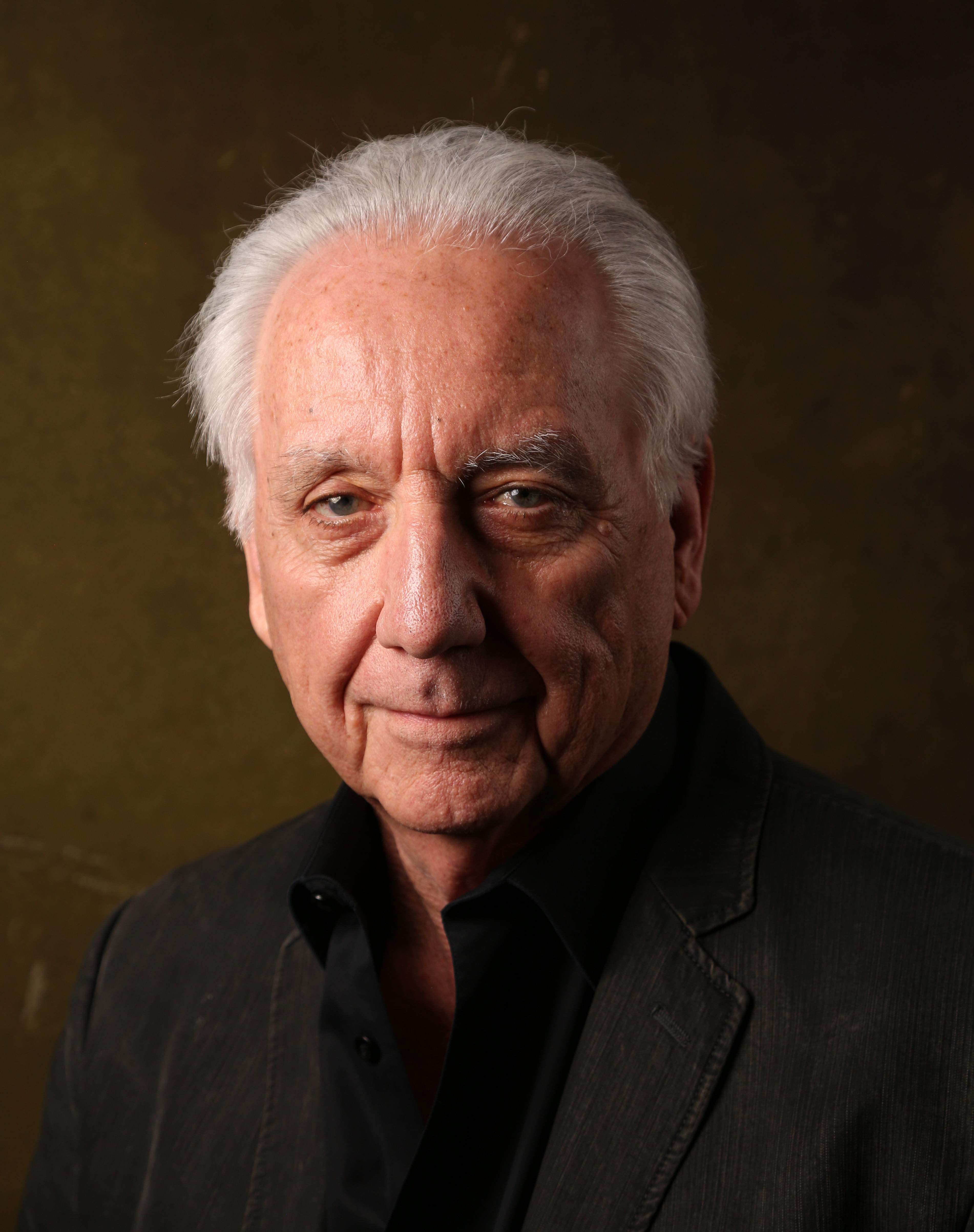
Dr. Townsend (Bob Gunton)
Played by Bob Gunton
A physician who diagnoses Hudson's depersonalization and prescribes medications, representing the clinical authority of the story. He embodies the medical perspective that labels and treats the condition. His role anchors the plot in a framework of diagnosis and pharmacological intervention.
- ⚕️ Diagnosis
- 💊 Pharmacology
- 🧪 Psychiatry
- DR
Dr. Richmond (Brian George)
Played by Brian George
A psychiatrist who leans toward drug-based management as a solution, contributing to the medical team’s approach. He participates in the pharmacological facet of Hudson’s treatment. His presence reflects the era’s emphasis on medication as a primary tool for managing mental health.
- 🧠 Therapy vs Drugs
- 💊 Pharmacology
- 🧬 Research
-

Tom (Kevin Pollak)
Played by Kevin Pollak
Hudson's writing partner who is disturbed by the change in him and urges him to seek psychiatric help. He provides a grounded, loyal perspective and challenges Hudson to confront his issues. His concern highlights the strain of mental illness on friendships and professional collaboration.
- 🗣️ Friend
- 🧭 Support
- 🎭 Drama
Where and When Is Numb Set?
Numb is set in Mt. Sinai Hospital and Psychiatric Clinic (Late 2000s). Here is why the time and place matter to the story.
When
Late 2000s
The events occur in contemporary times, with characters moving through hospitals and clinics. Treatments shown reflect psychiatric practices of the era, including pharmacological approaches and therapy. Clinical corridors and patient visits anchor the narrative in a present-day milieu.
Where
Mt. Sinai Hospital, Psychiatric Clinic
The story unfolds largely within Mt. Sinai Hospital and surrounding psychiatric clinics in an urban setting, where Hudson seeks diagnosis and treatment for depersonalization. Scenes span hospital wards, therapy rooms, and research environments, reflecting a modern medical framework. The setting serves as a backdrop where professional care intersects with personal entanglements.
- 🏥 Hospital
- 🏙️ Urban Setting
- 💉 Medical Treatment
What Are the Themes of Numb?
3 ideas the story keeps returning to, among them Depersonalization, Romance and Treatment.
-
01
Depersonalization
The protagonist experiences a profound detachment from self and surroundings, a disruption of normal perception of reality. This dissociation drives him away from meaningful connection and fuels a quest for understanding. The film uses sensory blur and existential unease to portray his mental state, framing depersonalization as a crisis of identity rather than a simple medical label.
-
02
Romance
A complicated romantic dynamic emerges between patient and caregiver, with ethical lines blurred by attraction. The relationship offers fragile solace but also exposes vulnerabilities on both sides. The narrative uses this romance to explore desire, power, and boundary crossing within a clinical setting.
-
03
Treatment
Treatment is depicted as a multifaceted process combining psychiatric visits and medication, reflecting a present-day medical approach. The film shows how pharmacology and therapy interact, sometimes providing relief and sometimes failing to fully restore sense of self. This theme highlights the limits and challenges of medical intervention in mental health.
What Kind of Film Is Numb?
Hopeful in tone, with steady pacing and a moderate story, going by the plot summary.
- Tone
- Hopeful
- Pacing
- Steady
- Story
- Moderate
- Intensity
- Medium
- Ending
- Happy
A reflective and quirky romantic comedy about a man's search for emotional connection through therapy and medication, punctuated by an optimistic turn when a new relationship offers a spark of hope.
- introspective
- hopeful
- anxious
- romantic
- quirky
- reflective
- mental health journey
- doctor patient relationship
- finding connection
- depersonalization
Content notes: mental illness, psychiatric treatment, medication, inappropriate patient-therapist relationship.
Quiz
How well do you remember Numb? Test yourself on the story.