

What Is Murder in a Small Town About?
The premise of Murder in a Small Town in 287 words, with nothing given away. The full story follows below.
In a quiet New England town where the rustle of maple leaves meets the muted hum of a close‑knit community, a widowed theatre director seeks a fresh start. The town’s pace is punctuated by the lingering weight of old grudges and unspoken histories, creating an atmosphere that feels both intimate and taut with expectation. The scenery of Connecticut’s small‑town charm provides a perfect stage for the gentle clash between artful observation and the raw undercurrents of everyday life.
Cash Carter brings a practiced eye for human behavior honed by years behind the curtain, and his move to the town is as much an escape as it is a chance to apply his theatrical instincts to the world beyond a stage. He carries the quiet ache of a personal tragedy—a past murder that still whispers in his thoughts—while navigating his role as a devoted father to Sophie Carter and a tentative romance with Mimi Barnes. These relationships anchor him, offering moments of tenderness that contrast with the sharper edges of the town’s atmosphere and hint at the deeper motivations that drive his curiosity.
The community itself revolves around the powerful, yet universally loathed, figure of Sidney Lassiter, a millionaire whose presence fuels tension among the locals. His family—Albert Lassiter, Martha Lassiter, and the poised secretary Kate Faxton—embody the fragile alliances and concealed ambitions that ripple through the town’s social fabric. When a sudden death unsettles the delicate balance, Cash finds himself drawn into the investigation, his keen perception turning everyday interactions into clues. The film settles into a mood of understated suspense, where every glance and whispered remark may conceal more than it reveals, inviting the audience to linger in the mystery that lies just beneath the surface.
What Happens in Murder in a Small Town?
The complete story of Murder in a Small Town, from the first scene to the last, in 671 words (about 3 minutes). Spoilers throughout. Names in the text link to 6 cast member pages.
Spoilers ahead
Sidney Lassiter, a local millionaire, dominates the opening sequence with a volley of threats and demands. He menaces that his son, Albert Lassiter, must end his affair or risk being cut from the will. His wife, Martha Lassiter, reveals she knows about his infidelity and makes a clumsy, half-hearted bid to seduce him, exposing the shaky ground of their marriage. Sidney also clashes with his secretary, Kate Faxton, who urges reconciliation with Albert Lassiter. The scene establishes a family divided by money, pride, and fragile loyalties, setting the stage for a murder that will pull everyone into the frame.
That night, a stranger hides in the back seat of Sidney’s car and fatally shoots him, turning private grievances into a public crime. The following day, the lead detective informs Cash Carter that Lassiter’s murder has spawned a long list of suspects, thanks to the victim’s temper and the many people who bore him ill will. Cash, whose background in theater sharpens his powers of observation and psychology, teams up with the detective to interview the principal beneficiaries of the will—the already mentioned Albert Lassiter, Martha Lassiter, and Kate Faxton—placing them at the heart of the investigation and at the top of the suspect roster.
As the questioning unfolds, Cash demonstrates his expertise by dissecting a seemingly ordinary scene for hidden motives. He points out how the lack of calluses on Martha’s hands, the specific wear on her shoes, and the tone of her legs’ muscles might signal a wheelchair need that she uses strategically. This moment underscores his belief that appearances can mask a person’s true intent, and it signals that each of the main players—though they deny complicity—has something to hide. The trio’s interactions become a chess match where everyone appears to be concealing something, and the audience is left to weigh whose deception is most plausible.
Interwoven with the police work are slices of Cash’s personal life. He spends time with Mimi Barnes, dates that bring him into closer contact with the human costs of Lassiter’s world, and navigates the fact that his daughter is preparing to leave for college, bringing the family theme to the foreground. The daughter, Sophie Carter, looms in these scenes as a source of emotional gravity and a reminder of what is riding on every decision Cash makes.
Flashbacks deepen the backstory: Cash and the investigator first met during the unresolved murder of Cash’s wife, a crime that still gnaws at him. In those memories, two thieves accost Cash and his wife, attempting to steal her necklace; the wife is shot, and only one thief is captured. Tony has sworn to capture the other, a vow that continues to haunt him and shape how he reads people in the present. A moment in a restaurant, where Cash mistakes a random man for the second thief, crystallizes this haunting and shows that the wounds of the past can surface in the most ordinary moments.
The film’s structure—alternating between the present-day probe and Cash’s remembered trauma—gives the investigation a textured, human edge. The dialogue moves between sharp observations, tense confrontations, and quiet, revealing exchanges, all while the shadow of the past looms over every interaction. The suspects lie in small and large ways, each concealment adding a layer to the mystery and pushing the audience to consider motives beyond mere greed: a need to protect, a fear of exposure, or a desire to control a narrative that might otherwise unravel.
In the end, what emerges is a portrait of a man caught between two worlds: the stage and the street, the past and the present. Cash’s theatrical instincts enhance his police work, helping him read people with a careful eye, but they cannot dispel the lingering ache of past violence. The film leaves us with a sense that truth in this story is a matter of perspective, and that every character—whether they admit it or not—carries the weight of a wound that shapes what they say, what they hide, and what they finally choose to do.
Murder in a Small Town Timeline: Every Key Event in Order
12 key events in the order they happen, from “Inheritance confrontation and marital confession” to “Haunted by the past while the case unfolds”. 12 events name a place, across 10 locations.
- 1
Inheritance confrontation and marital confession
The film opens with Sidney Lassiter threatening to disinherit his son Albert if he stays with his lover. Sidney's wife Martha reveals she knows about his infidelity and she tries to seduce him, which fails. The heated exchange establishes a volatile family dynamic that fuels the motive for potential conflict.
When:Day Where:Lassiter's office
- 2
Secretary confrontation over reconciliation
Kate Faxton confronts Lassiter, urging him to reconcile with Albert. Lassiter remains stubborn and uninterested in reconciliation, while the family tensions escalate. The scene underscores the toxic atmosphere around the Lassiter fortune.
When:Day Where:Lassiter's office
- 3
Donation demand and antisemitic remark
Lassiter meets with Larry Carter to discuss a theater donation. He makes unreasonable demands and drops subtly anti-Semitic remarks about Carter's Jewish background. Carter condemns his prejudice and storms out, labeling Lassiter an anti-Semite.
When:Day Where:Lassiter's office
- 4
Lassiter is murdered in his car
That night, a stranger hides in the back seat of Lassiter's car and fatally shoots him. The murder is sudden and brutal, setting the plot in motion. Police begin to treat Lassiter's temper and enemies as potential motives.
When:Night Where:In Lassiter's car
- 5
Detective informs Cash of the murder and suspects
Lieutenant Tony Rossini informs Cash that Lassiter is dead and lists a long string of suspects. The group includes the top beneficiaries Albert, Martha, and Kate, who stand to gain from the will. Cash agrees to accompany Tony as they begin questioning the suspects.
When:Next day Where:Police station
- 6
Cash uses observation skills during interviews
During interviews, Cash demonstrates his theater-trained observation. He notes the muscle tone, shoe scuffs, and the absence of calluses on Mrs. Lassiter's hands to argue she is faking a wheelchair need. His deductions establish his method and skepticism.
When:Day Where:Lassiter estate
- 7
All three suspects lie about something
After questioning Albert, Martha, and Kate, Cash and Tony conclude that each is lying about at least one detail. The lack of a single clear truth keeps the motive and identity of the killer concealed. The investigation remains unsettled as inconsistencies surface.
When:Day Where:Police interview rooms
- 8
Intercut with Cash's personal life
The investigation is intercut with scenes from Cash's personal life as he dates Mimi Barnes and copes with Sophie leaving for college. These moments provide emotional stakes beyond the case. They reveal how the case strains his relationships and personal life.
When:Present Where:Cash's home / Various locations
- 9
Flashback: Cash and Tony meet during past wife's murder investigation
In a series of flashbacks, Cash and Tony are shown meeting for the first time during the still-unsolved murder of Cash's wife. The crime involved two thieves who shot Cash's wife while trying to steal her necklace; only one thief was caught. Tony has sworn to find the other thief someday, deepening their complex alliance.
When:Past Where:Past locations
- 10
Restaurant scene hints at Cash's haunted memory
A scene in a restaurant, shown as a flashback, hints that Cash is haunted by the old murder. He mistakes a random man for one of the thieves, underscoring how the past continues to intrude on the present. The moment emphasizes the psychological weight that drives his character.
When:Past Where:Restaurant (flashback)
- 11
Unresolved case continues to drive the investigation
With Lassiter's murder, the case remains unresolved as new clues surface. Cash and Tony's partnership endures despite conflicting stories among the suspects. The film sustains tension by balancing present investigations with lingering questions from the past.
When:Ongoing Where:Police / Lassiter estate
- 12
Haunted by the past while the case unfolds
Cash remains haunted by the unresolved murder of his wife, and the pursuit of the second thief continues with Tony's help. The partnership endures even as emotional wounds complicate judgment. The timeline stays open, leaving a lingering sense of unresolved outcomes.
When:Present Where:Present
Who Are the Main Characters in Murder in a Small Town?
8 characters, among them Cash Carter (Gene Wilder), Sidney Lassiter (Terry O'Quinn) and Martha Lassiter (Frances Conroy): who each one is and the part they play in the story. Every profile links to the actor’s page.
-
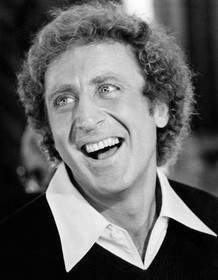
Cash Carter (Gene Wilder)
Played by Gene Wilder
A theater-savvy detective whose gulf between public charm and private trauma guides his method. He uses stagecraft to read people, yet wrestles with the haunting memory of his wife’s unsolved murder. His romantic entanglement with Mimi Barnes and concern for his daughter Sophie color how he weighs loyalty and guilt. He steps into the Lassiter case with a blend of wit and weary resolve.
- 🧭 Detective
- 🧠 Observant
- 💔 Haunted
-

Sidney Lassiter (Terry O'Quinn)
Played by Terry O'Quinn
A volatile, wealthy magnate whose temper and arrogance generate a long list of enemies. He makes volatile decisions and belittling comments, including anti-Semitic remarks, that reveal his moral compass. His murder ignites a scramble among heirs and allies who fear the loss of influence and control. His complex personality fuels the motive web surrounding the will.
- 💼 Wealth
- 🗣️ Intimidating
- 🎭 Controlling
-

Martha Lassiter (Frances Conroy)
Played by Frances Conroy
Sidney’s wife who navigates the power dynamics of a strained marriage. She knows Sidney’s infidelity and uses that knowledge to try to bend his actions, even attempting to seduce him. Her calculated silence and strategic moves place her at the center of trust questions. She embodies the fragility of a woman living in a world built on appearances.
- 👗 Socialite
- 🧭 Loyal
- 💔 Cunning
- AL
Albert Lassiter (Matthew Edison)
Played by Matthew Edison
The hot-tempered son whose place in the family hierarchy is at stake after his father’s death. He becomes a primary suspect because of his leverage over the will and his volatile relationship with his father. His responses reveal a mix of entitlement and genuine fear of losing status. He represents the younger generation trying to claim a share of power.
- 🧑💼 Heir
- 😡 Impulsive
- 🔎 Suspect
-

Kate Faxton (Deirdre O'Connell)
Played by Deirdre O'Connell
Sidney’s secretary who holds intimate knowledge of internal affairs and private conversations. She asks for reconciliation with Albert, hinting at a broader web of loyalties and deception. Her professional role and access to information place her at a pivotal point in the investigation. Her true motives remain ambiguous as the case unfolds.
- 📎 Secretary
- 🕵️♀️ Gatekeeper
- 🗝️ Discreet
-

Mimi Barnes (Cherry Jones)
Played by Cherry Jones
Cash’s girlfriend whose presence adds emotional tension to the case. She represents a counterpoint to the family drama, offering a different perspective on loyalty and desire. Her relationship with Cash contributes to the human stakes of the investigation. She also embodies social connections that complicate motives.
- 💘 Romantic Interest
- 👗 Socialite
- 🗣️ Catalyst
- SC
Sophie Carter (Elisabeth Rosen)
Played by Elisabeth Rosen
Cash’s daughter, about to leave for college. Her impending distance highlights a personal dimension to the case—the fear of losing close contact with her father. She navigates a world of expectations and independence while watching the family drama unfold. Her perspective adds emotional depth to Cash’s choices.
- 👧 Daughter
- 🧭 Moving-On
- 💬 Family
-

Lieutenant Tony Rossini (Mike Starr)
Played by Mike Starr
The seasoned detective leading the case who pairs pragmatic policing with Cash’s theatrical instincts. He shares a history with Cash, including a past murder case tied to Cash’s wife and a long pursuit of the other thief. His partnership with Cash provides tension and a steady counterpoint to the chaos of suspects.
- 🧭 Detective
- 🤝 Partner
- 🧠 Methodical
Where and When Is Murder in a Small Town Set?
Murder in a Small Town is set in Lassiter Mansion, Small Town, Lassiter's Office, The Theater and Police Station. Here is why the place matters to the story.
Where
Lassiter Mansion, Small Town, Lassiter's Office, The Theater, Police Station
Set in a close-knit town centered around the opulent Lassiter estate, the film unfolds across the mansion and the surrounding streets. The mansion serves as the epicenter of wealth, power, and secret tensions, while the theater and police precinct anchor the investigation in public and private spheres. The contrasting settings reveal how appearances clash with hidden motives, driving both drama and suspense.
- 🏠 Small Town
- 🏰 Mansion
- 🎭 Theater
- 🕵️♂️ Investigation
What Are the Themes of Murder in a Small Town?
4 ideas the story keeps returning to, among them Investigation Reality, Family Secrets and Motive & Wealth.
-
01
Investigation Reality
The film centers on an investigation that relies on careful observation and psychological insight rather than explosive action. Cash Carter uses his theater-honed skills to read tells, misdirections, and alibis as the case unfolds. The suspects—a family, a secretary, and a few business associates—all present plausible fronts while hiding secrets. Truth emerges through interviews, doubts, and the unraveling of alibis rather than obvious confessions.
-
02
Family Secrets
Wealth and status cover a web of personal tensions. The Lassiter family dynamics—affection, betrayal, and control—pull the investigation into intimate spaces rather than public ones. Allegiances shift as old resentments surface, revealing how secrets about fidelity and inheritance drive motives. The will creates competing loyalties that complicate who can be trusted.
-
03
Motive & Wealth
Money, power, and the control of a family empire shape many characters' choices. The will leaves Albert and other beneficiaries in a dangerous position, prompting manipulation and pleas for favor. Donor interests and public appearances clash with private resentments. The theater donation scene underscores how money buys influence and signals social standing.
-
04
Memory & Trauma
Cash carries the weight of a past murder—the unresolved crime that haunts his present. Flashbacks reveal how loss shapes his judgments and trust. The investigation intertwines with personal history, showing how memory can both illuminate and distort the truth. The unresolved case with Cash's wife lingers as a lens on his reactions to the Lassiter case.
What Kind of Film Is Murder in a Small Town?
Tense in tone, with steady pacing and a moderate story, going by the plot summary.
- Tone
- Tense
- Pacing
- Steady
- Story
- Moderate
- Intensity
- Medium
- Ending
- Ambiguous
A steady-paced, tense mystery with a melancholic undercurrent, following a widowed director as he uses his theatrical insight to solve a murder while grappling with the haunting trauma of his own past.
- suspenseful
- melancholic
- reflective
- atmospheric
- psychological
- thoughtful
- murder investigation
- grief and loss
- hidden motives
- family secrets
Content notes: murder, past trauma, death of a spouse.
Quiz
How well do you remember Murder in a Small Town? Test yourself on the story.


