Murder in a Small Town 1999


A widowed theatre director moves to a small Connecticut town where he gets involved in solving the murder of a millionaire, who was the most despised man in town.


Does Murder in a Small Town have end credit scenes?
No!
Murder in a Small Town does not have end credit scenes. You can leave when the credits roll.
Meet the Full Cast and Actors of Murder in a Small Town
Explore the complete cast of Murder in a Small Town, including both lead and supporting actors. Learn who plays each character, discover their past roles and achievements, and find out what makes this ensemble cast stand out in the world of film and television.
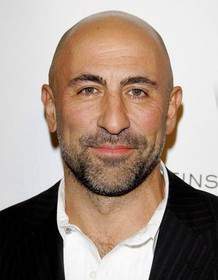
Carlo Rota
Charles

Frances Conroy
Martha Lassiter
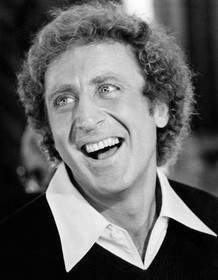
Gene Wilder
Cash Carter

Cherry Jones
Mimi Barnes

Mike Starr
Tony

Deirdre O'Connell
Kate Faxton

Terri Hawkes
Esther

Terry O'Quinn
Sidney Lassiter
Sam Malkin
Medical Examiner
David Fox
Walter Goldin
Matthew Edison
Albert Lassiter
Fulvio Cecere
Richard
Craig Eldridge
Detective Eddy
Roman Podhora
Detective Scalise
Elisabeth Rosen
Sophie Carter
Sten Eirik
Thin Man / Kovacs
James Allodi
Man in Tuxedo
Ben Bass
Michael
Ebon Moss-Bachrach
Billy
Kate Hennig
Mary the Maid
Justine Campbell
Sexy Woman
Renee Murphy
Vickie
Christian Hebert
Teddy the Gardener
Liz Fine
Mourner
External Links and Streaming Options
Discover where to watch Murder in a Small Town online, including streaming platforms, rental options, and official sources. Compare reviews, ratings, and in-depth movie information across sites like IMDb, TMDb, Wikipedia or Rotten Tomatoes.





Take the Ultimate Murder in a Small Town Movie Quiz
Challenge your knowledge of Murder in a Small Town with this fun and interactive movie quiz. Test yourself on key plot points, iconic characters, hidden details, and memorable moments to see how well you really know the film.
Murder in a Small Town (1999) Quiz: Test your knowledge of the characters, plot twists, and key details from the 1999 mystery thriller "Murder in a Small Town".
Who is the wealthy patriarch whose murder sets off the investigation?
Full Plot Summary and Ending Explained for Murder in a Small Town
Read the complete plot summary of Murder in a Small Town, including all major events, twists, and the full ending explained in detail. Explore key characters, themes, hidden meanings, and everything you need to understand the story from beginning to end.
Sidney Lassiter, a local millionaire, dominates the opening sequence with a volley of threats and demands. He menaces that his son, Albert Lassiter, must end his affair or risk being cut from the will. His wife, Martha Lassiter, reveals she knows about his infidelity and makes a clumsy, half-hearted bid to seduce him, exposing the shaky ground of their marriage. Sidney also clashes with his secretary, Kate Faxton, who urges reconciliation with Albert Lassiter. The scene establishes a family divided by money, pride, and fragile loyalties, setting the stage for a murder that will pull everyone into the frame.
That night, a stranger hides in the back seat of Sidney’s car and fatally shoots him, turning private grievances into a public crime. The following day, the lead detective informs Cash Carter that Lassiter’s murder has spawned a long list of suspects, thanks to the victim’s temper and the many people who bore him ill will. Cash, whose background in theater sharpens his powers of observation and psychology, teams up with the detective to interview the principal beneficiaries of the will—the already mentioned Albert Lassiter, Martha Lassiter, and Kate Faxton—placing them at the heart of the investigation and at the top of the suspect roster.
As the questioning unfolds, Cash demonstrates his expertise by dissecting a seemingly ordinary scene for hidden motives. He points out how the lack of calluses on Martha’s hands, the specific wear on her shoes, and the tone of her legs’ muscles might signal a wheelchair need that she uses strategically. This moment underscores his belief that appearances can mask a person’s true intent, and it signals that each of the main players—though they deny complicity—has something to hide. The trio’s interactions become a chess match where everyone appears to be concealing something, and the audience is left to weigh whose deception is most plausible.
Interwoven with the police work are slices of Cash’s personal life. He spends time with Mimi Barnes, dates that bring him into closer contact with the human costs of Lassiter’s world, and navigates the fact that his daughter is preparing to leave for college, bringing the family theme to the foreground. The daughter, Sophie Carter, looms in these scenes as a source of emotional gravity and a reminder of what is riding on every decision Cash makes.
Flashbacks deepen the backstory: Cash and the investigator first met during the unresolved murder of Cash’s wife, a crime that still gnaws at him. In those memories, two thieves accost Cash and his wife, attempting to steal her necklace; the wife is shot, and only one thief is captured. Tony has sworn to capture the other, a vow that continues to haunt him and shape how he reads people in the present. A moment in a restaurant, where Cash mistakes a random man for the second thief, crystallizes this haunting and shows that the wounds of the past can surface in the most ordinary moments.
The film’s structure—alternating between the present-day probe and Cash’s remembered trauma—gives the investigation a textured, human edge. The dialogue moves between sharp observations, tense confrontations, and quiet, revealing exchanges, all while the shadow of the past looms over every interaction. The suspects lie in small and large ways, each concealment adding a layer to the mystery and pushing the audience to consider motives beyond mere greed: a need to protect, a fear of exposure, or a desire to control a narrative that might otherwise unravel.
In the end, what emerges is a portrait of a man caught between two worlds: the stage and the street, the past and the present. Cash’s theatrical instincts enhance his police work, helping him read people with a careful eye, but they cannot dispel the lingering ache of past violence. The film leaves us with a sense that truth in this story is a matter of perspective, and that every character—whether they admit it or not—carries the weight of a wound that shapes what they say, what they hide, and what they finally choose to do.

Coming soon on iOS and Android
The Plot Explained Mobile App
From blockbusters to hidden gems — dive into movie stories anytime, anywhere. Save your favorites, discover plots faster, and never miss a twist again.
Sign up to be the first to know when we launch. Your email stays private — always.
Explore the mobile appDiscover Film Music Concerts Near You – Live Orchestras Performing Iconic Movie Soundtracks
Immerse yourself in the magic of cinema with live orchestral performances of your favorite film scores. From sweeping Hollywood blockbusters and animated classics to epic fantasy soundtracks, our curated listings connect you to upcoming film music events worldwide.
Explore concert film screenings paired with full orchestra concerts, read detailed event information, and secure your tickets for unforgettable evenings celebrating legendary composers like John Williams, Hans Zimmer, and more.


Murder in a Small Town Themes and Keywords
Discover the central themes, ideas, and keywords that define the movie’s story, tone, and message. Analyze the film’s deeper meanings, genre influences, and recurring concepts.
Murder in a Small Town Other Names and Titles
Explore the various alternative titles, translations, and other names used for Murder in a Small Town across different regions and languages. Understand how the film is marketed and recognized worldwide.
Similar Movies To Murder in a Small Town You Should Know About
Browse a curated list of movies similar in genre, tone, characters, or story structure. Discover new titles like the one you're watching, perfect for fans of related plots, vibes, or cinematic styles.




Quick Links: Summary, Cast, Ratings, More

What's After the Movie?
Not sure whether to stay after the credits? Find out!
Check out our other apps:

SAT Sphere
Build confidence for the Digital SAT.

Mori Atlas
Discover wild places worth protecting.

Luntero
Search smarter for a home in Amsterdam.

Plot Explained
Unravel movie endings and hidden clues.

Pokechamp
Dive into Pokémon data and battle logic.

Driving Theory
Get ready for your European theory test.

Movie Dust
Plan your next cinema trip with ease.

Musemap
Find art and culture as you travel.

Selkobase
Compare credentials before committing.

Local Manual
Turn an unfamiliar country into practical next steps.

Lernavi
Compare school systems before your next move.

GymRoam
Find a workout stop wherever your plans take you.
Explore Our Movie Platform
New Movie Releases (2026)
Famous Movie Actors
Top Film Production Studios
Movie Plot Summaries & Endings
Major Movie Awards & Winners
Best Concert Films & Music Documentaries
Movie Collections and Curated Lists
© 2026 What's After the Movie. All rights reserved.
Privacy Policy