What Is Mission to Moscow About?
The premise of Mission to Moscow in 291 words, with nothing given away. The full story follows below.
In the tense years between the two World Wars, President Franklin D. Roosevelt selects Joseph Davies for a diplomatic post of immense strategic importance: the United States Ambassador to the Soviet Union. Leaving behind the familiarity of American politics, Davies and his family embark on a long voyage across the ocean, destined for a nation that remains a mystery to much of the Western world. The film adopts a unique faux-documentary style to chronicle this assignment, setting a tone that blends historical record with personal observation.
Upon arrival in Moscow, the narrative shifts between the ambassador’s official duties and the family’s immersion into Russian society. As Davies examines the country’s industrial programs and agricultural collectives, the story delves into the contrast between American expectations and Soviet realities. From the grandeur of state meetings to quieter moments, such as Mrs. Davies navigating a local department store, the film paints a picture of a society in flux. Through these encounters, the envoy confronts a political landscape vastly different from his own, forcing him to reconcile his preconceptions with the life unfolding before him.
The film weaves a complex tapestry of political intrigue and ideological reflection, utilizing voice-overs to guide the audience through the envoy’s shifting perspective. A central theme emerges as Davies asserts that no leaders have been so misunderstood as those in the Soviet government during these critical years. As he observes the inner workings of the state, including the dramatic atmosphere of the Moscow Trials, he acts as a witness to history, tasked with determining whether the nation’s leaders have been misrepresented by the outside world. This intellectual journey challenges the ambassador to look beyond the surface of international tensions, driving the narrative toward a deeper examination of a rival system.
What Happens in Mission to Moscow?
The complete story of Mission to Moscow, from the first scene to the last, in 314 words (about 1 minute). Spoilers throughout. Names in the text link to 3 cast member pages.
Spoilers ahead
This film adopts a faux-documentary approach to trace ambassador Davies’ impressions of the Soviet Union, his meetings with Stalin, and his evolving view of the United States’ ties with the USSR. It opens with the envoy meeting with president Franklin D. Roosevelt to discuss his appointment as United States ambassador to the Soviet Union, and then follows the envoy’s family’s voyage by boat to Moscow, with stops in Europe along the way.
While in Moscow, the film alternates between the envoy’s interpretations of Soviet politics and communism and his family’s impressions of Russian life. It includes a memorable scene with Mrs. Davies at a Russian department store. The envoy’s perspective on various points in Soviet history unfolds as the narrative moves between personal observation and broader events. It begins with the envoy stating, while seated in an armchair, the following line:
No leaders of a nation have been so misrepresented and misunderstood as those in the Soviet government during those critical years between the two world wars.
The film then transitions to the portrayal of the envoy’s encounters as the story progresses, presenting his views as the narrative moves forward.
Davies is shown witnessing the Moscow Trials conducted in the 1930s, framed as show trials of fifth-columnists working for Nazi Germany and Imperial Japan under Stalin. The sequence is presented through a blend of commentary and observed scenes, inviting the audience to consider how these events are interpreted from Davies’s perspective.
Throughout, voice-overs weave Davies’s opinions into the ongoing storyline. The overarching arc follows two intertwined journeys: the tangible voyage from the United States to the Soviet Union, and the more abstract journey from skepticism about communism and the Soviet system to a sense of conversion or enthusiasm. In tone and structure, the film mirrors the book closely, inviting viewers to compare the cinematic account with the historical narrative on which it is based.
Mission to Moscow Timeline: Every Key Event in Order
14 key events in the order they happen, from “Opening: Davies's misrepresentation assertion” to “Film mirrors the book and invites comparison”. 14 events name a place, across 12 locations.
- 1
Opening: Davies's misrepresentation assertion
The film opens with Davies seated in an armchair, declaring that no leaders of a nation have been so misrepresented and misunderstood as those in the Soviet government during the interwar years. This bold claim frames the documentary as a personal inquiry into perception versus reality. The audience is invited to judge the ensuing footage through his skeptical lens.
When:Opening scene Where:United States (armchair setting)
- 2
Meeting with FDR to discuss ambassadorship
The envoy meets President Franklin D. Roosevelt to discuss his appointment as United States ambassador to the Soviet Union. The exchange blends political strategy with Davies's anticipation of the mission ahead. It establishes the political stakes that frame his voyage.
When:Early 1930s Where:White House, United States
- 3
The voyage begins: leaving the United States
Davies and his family begin a sea voyage toward Moscow, leaving American shores behind. The journey becomes a narrative thread as he compares distance with shifts in perception. The voyage starts to blend domestic concerns with geopolitical curiosity.
When:En route to the Soviet Union Where:Atlantic Ocean
- 4
Stops in Europe on the way
During stops in Europe, the Davies family encounters varied social and political climates that test Davies's initial skepticism. He observes daily life and public spaces, allowing his views to wobble between theory and lived experience. The stops broaden the documentary's frame beyond the United States.
When:Mid-journey Where:Various European ports
- 5
Arrival in Moscow and dual perspectives
The family arrives in Moscow and the film shifts to a dual narrative: Davies's political readings and the Davies family's impressions of Russian life. The juxtaposition underscores how perception shifts as new surroundings illuminate reality. Voice-over commentary begins to guide the viewer through this transition.
When:Early stay in Moscow Where:Moscow, Soviet Union
- 6
Davies's evolving interpretation of Soviet politics
Across his stay, the film alternates between Davies's interpretations of Soviet politics and the realities around him, using his voice-over to frame the analysis. His skepticism meets new observations as events unfold. The narrative invites the audience to weigh his judgments against what he witnesses.
When:Throughout visit Where:Moscow
- 7
Mrs. Davies in a Russian department store
A memorable scene places Mrs. Davies in a Russian department store, contrasting consumer life with the public discourse surrounding the regime. The moment personalizes the political and provides a tactile sense of daily life. It invites viewers to consider how ordinary routines reflect broader social realities.
When:Early Moscow stay Where:Moscow, department store
- 8
Davies meets Stalin
The envoy's encounters include interactions with Stalin, illustrating the tension between personal impression and state power. Davies's impressions of the dictator contribute to the film's examination of leadership and propaganda. The scene anchors the political dimension of his journey.
When:1930s Where:Moscow, with Stalin
- 9
Witnessing the Moscow Trials
The film presents Davies witnessing the Moscow Trials of the 1930s, framed as show trials of fifth-columnists linked to Nazi Germany and Imperial Japan. The sequence blends documentary observation with Davies's interpretive voice-over. It raises questions about due process and the regime's narrative control.
When:1930s Where:Moscow
- 10
Show trials through Davies's lens
The trials are portrayed through a mix of observed scenes and Davies's commentary, inviting viewers to evaluate how perspective shapes historical interpretation. The tension between appearance and reality is a central thread of the narrative. The sequence emphasizes artifice in state proceedings.
When:1930s Where:Moscow
Show the other 4 events of Mission to Moscow Hide the last 4 events
- 11
Two intertwined journeys
The film traces two intertwined journeys: the physical voyage from the United States to the Soviet Union and an abstract intellectual journey from skepticism to tentative enthusiasm. These parallel paths shape the film's emotional and interpretive arc. The structure mirrors the source material on which the film is based.
When:Throughout Where:Across the voyage and Moscow
- 12
Voice-over weaves Davies's opinions into the narrative
Over the course of the film, Davies's opinions are interwoven with the events through voice-over narration. This technique frames the viewer's sense of credibility and biases, inviting constant evaluation. The narration reinforces the movie's central tension between perception and reality.
When:Throughout Where:Various settings
- 13
From skepticism to conversion
As the narrative progresses, Davies moves from initial skepticism about communism toward a sense of conversion or enthusiasm about the Soviet system. The arc centers on his personal transformation rather than a neutral chronicle of events. The conclusion emphasizes the subjective nature of historical interpretation.
When:Ending arc Where:Across settings (US and USSR)
- 14
Film mirrors the book and invites comparison
The documentary's structure mirrors the book closely, inviting viewers to compare the cinematic account with the broader historical narrative. The meta-narrative foregrounds how storytelling shapes our understanding of history. It leaves space for audiences to cross-reference sources in pursuit of truth.
When:End Where:Film narrative frame
Who Are the Main Characters in Mission to Moscow?
9 characters, among them Joseph E. Davies (Self), Emlen Davies and Maxim Litvinov: who each one is and the part they play in the story. Every profile links to the actor’s page.
- JE
Joseph E. Davies (Self)
Played by Joseph E. Davies
American ambassador to the Soviet Union whose voyage to Moscow frames the central narrative. The film follows his transition from initial skepticism about the Soviet system to a more engaged, evolving perspective as he observes politics, leadership, and daily life. His reflections anchor the documentary-style approach and drive the viewer’s interpretation of Soviet events. His journey also juxtaposes official diplomacy with personal and familial experiences.
- 🌐 Diplomacy
- 🧭 Perspective
-

Emlen Davies
Played by Eleanor Parker
Davies's wife, whose experiences in Moscow contrast with the political narrative. The film includes scenes of her impressions of Russian life and a memorable moment at a department store, providing a domestic counterpoint to the ambassador's political observations. Her perspective adds a human dimension to the voyage and highlights the personal impact of international diplomacy.
- 💑 Family
- 🧭 Observation
-
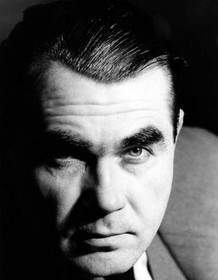
Maxim Litvinov
Played by Oskar Homolka
Soviet foreign minister encountered by Davies, representing Soviet policy and diplomacy. The character embodies the State’s stance in international relations during the period, providing a lens into Soviet leadership and its interaction with Western diplomats. His presence helps frame the complexities of cross-border negotiations and ideological contest.
- 🌍 Politics
- 🤝 Diplomacy
- TL
Tanya Litvinov
Played by Maria Palmer
Litvinov's child or relative depicted in the narrative, contributing a personal viewpoint within the broader political context. Her scenes anchor the human impact of political decisions and the lived experience of life in a country undergoing rapid upheaval. She represents the generation affected by the era's events.
- 👧 Family
- 🧭 Perspective
- ML
Mrs. Litvinov
Played by Barbara Everest
Litvinov's wife who features in the film, adding another personal dimension to the story. Her interactions and presence contribute to the depiction of Soviet life outside the political arena and emphasize the domestic side of historical events.
- 👩🏫 Domestic Life
- 🧭 Observation
-
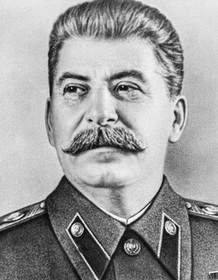
Joseph Stalin (Self - archive footage)
Played by Joseph Stalin
Archive footage of the Soviet leader who shapes the political landscape Davies observes. His presence marks a critical backdrop to Davies's interpretations of Soviet politics and the era of purges and show trials. The footage situates the narrative within real historical power structures rather than purely fictional events.
- 🗺️ Power
- 🕰️ History
-
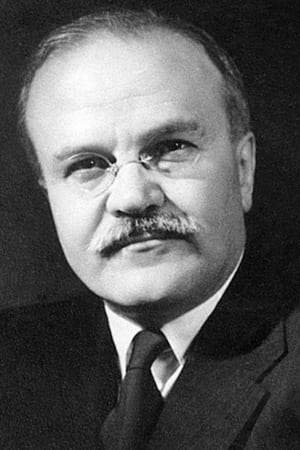
Vyacheslav Molotov (Self - archive footage)
Played by Vyacheslav Molotov
Archive footage of the Soviet diplomat who appears in the narrative, contributing to the portrayal of Soviet leadership and its international posture. Molotov's presence reinforces the film's focus on high-level diplomacy and the era's geopolitical tensions.
- 🌐 Diplomacy
- 🕰️ History
- WC
Winston Churchill (Self - archive footage)
Played by Dudley Field Malone
Archive footage of the British Prime Minister included to contextualize the era's Allied relations and the global stage on which Davies observes Soviet politics. Churchill's appearance anchors the broader international frame against which Davies's impressions unfold.
- 🌍 Alliances
- 🕊️ History
- PF
President Franklin D. Roosevelt (Self - archive footage)
Played by Jack Young
Archive footage of the U.S. President featured in the prologue and frame of the narrative, illustrating the diplomatic backdrop to Davies's mission and the evolving US-Soviet relationship during the era.
- 🗽 Politics
- 🧭 Perspective
Where and When Is Mission to Moscow Set?
Mission to Moscow is set in United States, Moscow and Soviet Union (1930s). Here is why the time and place matter to the story.
When
1930s
Set in the 1930s, the film centers on Stalin's consolidation of power and the Moscow Trials. It weaves the ambassador’s journey with key political events of the period, highlighting the tense atmosphere of pre-World War II Europe. The narrative tone reflects how historical memory and contemporary diplomacy intersect during this era.
Where
United States, Moscow, Soviet Union
The story follows an American ambassador and his family as they travel from the United States to Moscow, exploring life in the Soviet capital. It contrasts Western and Soviet settings, including scenes of daily life and political hubs in Moscow. The film also hints at broader European stops, situating the visit within a larger, geopolitically charged landscape of the era.
- 🏛️ Politics
- 🗺️ Travel
- 📚 History
What Are the Themes of Mission to Moscow?
4 ideas the story keeps returning to, among them Perception, Diplomacy and Trials.
-
01
Perception
The film investigates how Davies perceives the Soviet system, revealing a tension between popular representations and his own observations. It uses a faux-documentary approach to invite critical reflection on media narratives about communism. Davies' evolving view highlights how personal experience can reshape political judgments. The theme foregrounds the gap between appearances and reality in totalitarian contexts.
-
02
Diplomacy
The narrative centers on U.S.-Soviet diplomatic relations during a pivotal era between the world wars. Davies's interactions and meetings frame diplomacy as a process of persuasion, observation, and negotiation. The film juxtaposes official diplomacy with everyday life in Moscow to show the limits and possibilities of collaboration. It invites reflection on how diplomatic ties are built amid suspicion and competing ideologies.
-
03
Trials
The Moscow Trials are depicted as show trials, shaping Davies's interpretation of Soviet justice and state power. The film presents the spectacle of the trials alongside Davies's questions about fairness and truth. It contrasts the reality of political repression with Davies's initial skepticism about communism. This theme examines how history is performed and interpreted.
-
04
History
The film binds personal narrative to a broader history of the Soviet Union in the 1930s. It uses voice-overs and family scenes to anchor historical events in human experience. The juxtaposition of public politics and private life highlights how memory shapes understanding of the era. The portrayal invites viewers to compare cinematic narrative with historical narratives.
What Kind of Film Is Mission to Moscow?
Neutral in tone, with steady pacing and a straightforward story, going by the plot summary.
- Tone
- Neutral
- Pacing
- Steady
- Story
- Straightforward
- Intensity
- Medium
- Ending
- Happy
A steady-paced political drama blending documentary-style analysis with a diplomat's personal journey, presenting a straightforward but earnest conversion to a hopeful outlook.
- semi-documentary
- analytical
- diplomatic
- political
- educational
- earnest
- political diplomacy
- foreign policy
- war and politics
- soviet union
Content notes: political persecution, show trials.