
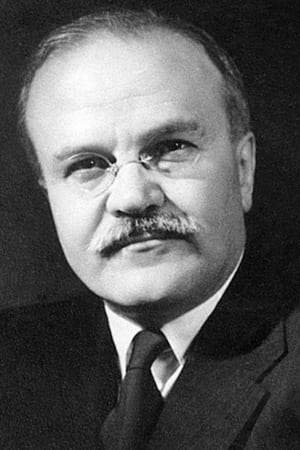
Vyacheslav Molotov: Movies & Box Office
- films
- 11
- on screen
- 1943–2021
- box office
- $3.3M
- average score
- 81
- Born
- March 9, 1890
- Birthplace
- Kukarka, Russia
- Full name
- Vyacheslav Mikhaylovich Molotov
- Citizenship
- Soviet Union
- Occupations
- politician,diplomat,revolutionary,statesman
- Years active
- 1906-1961
- Spouses
- Polina Zhemchuzhina
- Children
- 2
Vyacheslav Molotov's Career in Numbers
Vyacheslav Molotov's films in numbers — as an actor, not counting appearances as themselves: when they were made, the genres Vyacheslav Molotov works in most and the milestones along the way.
Vyacheslav Molotov Movies by Decade
- 2020s 1
Vyacheslav Molotov Movies by Genre
- History 1
History is the genre Vyacheslav Molotov has worked in most, with 1 film.
Vyacheslav Molotov Career Milestones
- First film
- State Funeral 2021
- Best-rated film
- State Funeral Movie Echo Score 81
Vyacheslav Molotov Filmography: Every Movie
Every film Vyacheslav Molotov is credited on, newest first, with the role, the box office and the Movie Echo Score. Rated films average a score of 81. Re-order the list to see the best-rated films or the biggest hits first.
Vyacheslav Molotov Movies as an Actor
1
Vyacheslav Molotov in Documentaries & Specials
10- 2020
 Stalin and the Katyn Massacre as Self (archive footage) · History
 - 2020
 Stalin and the Katyn Massacre as Self (archive footage) · History
 - 2019
 State Funeral as Self (archive footage) · History Worldwide box office: $48K Movie Echo Score: 80
 - 2019
 Korea: The Never-Ending War as Self (archive footage) · Documentary
 - 2019
 The Hitler–Stalin Pact as Self (archive footage) (uncredited) · Documentary
 - 2014
 Winston Churchill: A Giant in the Century as Self (archive footage) · Documentary
 - 2012
 Palme as Self · Documentary Worldwide box office: $3.25M
 - 2003
 Stalin: Man of Steel as Self (archive footage) · Documentary
 - 1972
 Life of a Shock Force Worker as Self (archive footage) (uncredited) · Comedy
 - 1943
 Mission to Moscow as Self (archive footage) (uncredited) · Drama
Who Is Vyacheslav Molotov?
Vyacheslav Molotov was born in Kukarka, Russia in 1890. Credited on films since 1943, as an actor. The background, training and the roles that shaped the career.
Vyacheslav Mikhaylovich Molotov (born Vyacheslav Mikhaylovich Skryabin) was an Old Bolshevik whose political career spanned more than five decades, beginning with his first membership in the Russian Social Democratic Labour Party in 1906 and ending with his formal expulsion from the Communist Party in 1961. Born on 9 March 1890 in the village of Kukarka (now Sovetsk, Kirov Oblast), he rose from a modest merchant family to become one of Joseph Stalin’s closest allies, serving as Chairman of the Council of People's Commissars from 1930 to 1941 and as Minister of Foreign Affairs during the crucial years of the Second World War. Molotov’s tenure was marked by his involvement in the collectivisation of agriculture, the Great Purge, and the negotiation of the infamous Molotov–Ribbentrop Pact, which secretly divided Poland and the Baltic states between Nazi Germany and the Soviet Union. He was the Soviet Union’s chief negotiator with the Allies, representing Stalin at the Tehran, Yalta and Potsdam conferences, and later signing the Anglo‑Soviet Treaty of 1942, while also overseeing the early, though sluggish, Soviet atomic project. His reputation for unwavering loyalty to Stalin earned him both great power and eventual downfall; after Stalin’s death he briefly returned to the foreign ministry, only to be ousted by Nikita Khrushchev’s de‑Stalinisation campaign and relegated to ambassadorships in Mongolia and to the International Atomic Energy Agency. Molotov lived to the age of 96, dying on 8 November 1986 in Moscow and being interred at the Novodevichy Cemetery, leaving a legacy of complex diplomatic skill, ruthless statecraft, and staunch commitment to Soviet ideology.
Molotov’s personal life was intertwined with his political one. He married the Soviet politician Polina Zhemchuzhina in 1920, a union that produced two daughters, Sonia (adopted 1929) and Svetlana (born 1930). Their marriage survived the terror of the Stalinist era but was strained when Zhemchuzhina, of Jewish origin, was arrested in 1948 and subjected to exile and hard labour, only to be released after Stalin’s death. Throughout his long career, Molotov held numerous titles: politician, diplomat, revolutionary and statesman, and he amassed an extensive list of Soviet honors, including four Orders of Lenin and the title Hero of Socialist Labour. Despite the eventual repudiation of many of his policies, he remained unrepentant about his role in the Soviet system until his death, continuing to defend Stalin’s legacy and the principles of Marxist‑Leninist governance.
Who Vyacheslav Molotov Makes Movies With
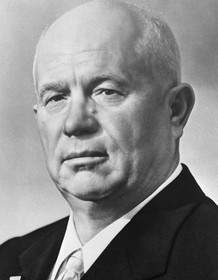
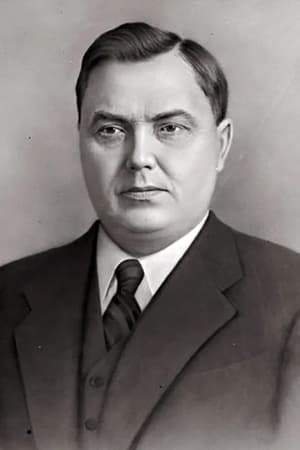
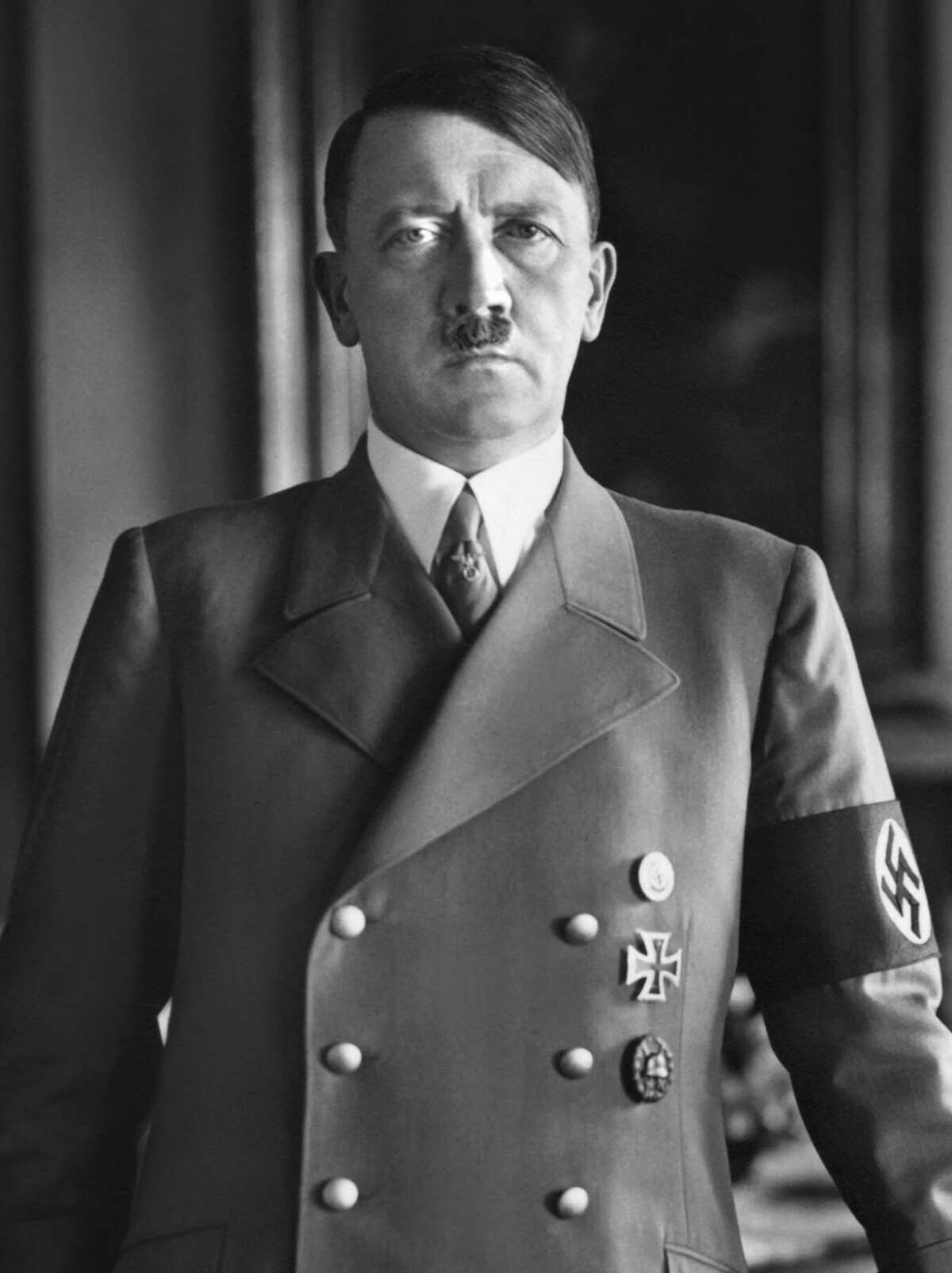
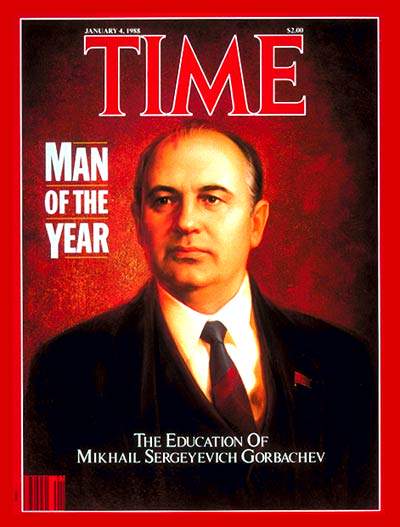
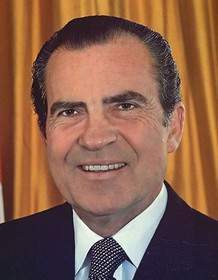
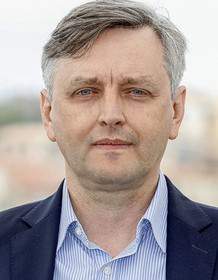
The actors and directors Vyacheslav Molotov shares the most films with. Joseph Stalin comes first, with 10 films together, followed by Nikita Khrushchev (6).

Vyacheslav Molotov: Questions & Answers
How many movies Vyacheslav Molotov has made, the biggest hit, the best-rated film, the award record and more, answered from the filmography above.
How many movies has Vyacheslav Molotov been in?
Vyacheslav Molotov is credited on 11 films, from 1943 to 2021. The filmography on this page lists every one of them, newest first, with the role and the Movie Echo Score.
What is Vyacheslav Molotov's highest-grossing movie?
Palme (2012) is Vyacheslav Molotov's biggest box office hit, with $3.25M worldwide, ahead of State Funeral (2019) ($48K). Across every film with box office figures, Vyacheslav Molotov's movies have made $3.3M.
Vyacheslav Molotov's biggest hits What is the best Vyacheslav Molotov movie?
By the Movie Echo Score, which blends critic reviews, audience ratings and lasting impact, Vyacheslav Molotov's best-rated film is State Funeral (2021) with a score of 81, followed by State Funeral (2019) (80).
Best Vyacheslav Molotov movies, ranked What is Vyacheslav Molotov's newest movie?
The most recent film on Vyacheslav Molotov's filmography is State Funeral (2021).
Who does Vyacheslav Molotov work with most often?
Vyacheslav Molotov shares the most films with Joseph Stalin (10 films), Nikita Khrushchev (6 films) and Georgi Malenkov (4 films).
The Best Vyacheslav Molotov Movies, Ranked
Top rated, most awarded and biggest box office hits from 11 credits.
Coming soon to your phone
The Plot Explained Movie Summary App
From blockbusters to hidden gems: plot summaries, endings explained and timelines on your phone. Save your favorites and never miss a twist again.
Be the first to know when it launches. Your email stays private, always. Learn more about the app
