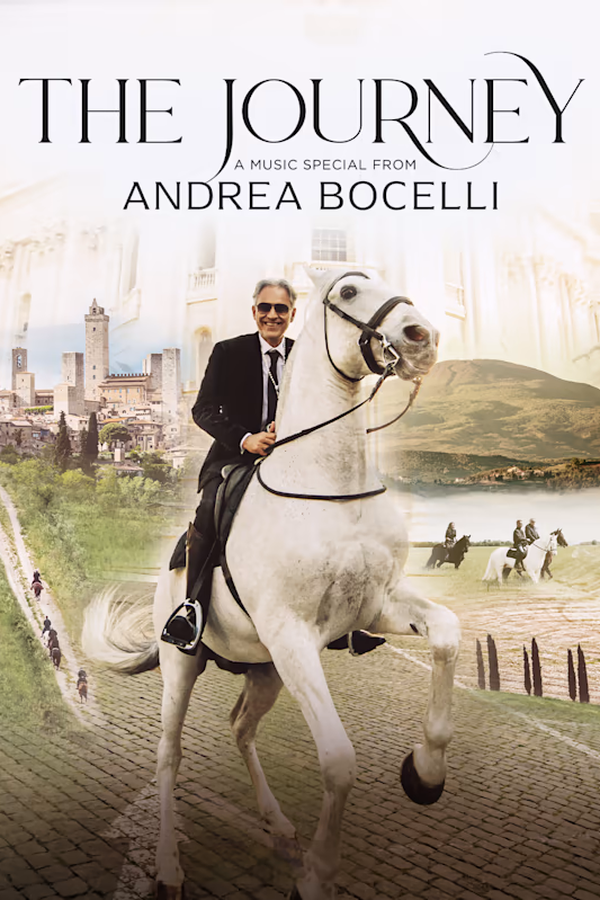
What Is The Journey About?
The premise of The Journey in 346 words, with nothing given away. The full story follows below.
In the summer of 1956, a chaotic evacuation of Budapest leaves a disparate collection of travelers marooned at the city’s only airport. The thrum of dissent outside the terminal mirrors the simmering anxiety inside the cramped bus that will ferry them toward the tenuous safety of the Austrian frontier. Among the passengers sits an aristocratic Englishwoman, Diana Ashmore, whose calm demeanor masks a resolve forged by circumstance, while a fever‑stricken man claiming to be an English officer, Flemyng, clings to the shadows of his own secret. The journey unfolds against a war‑torn landscape of makeshift roadblocks, whispered rumors, and the ever‑present specter of Soviet troops and Hungarian insurgents.
At the heart of this volatile tableau is Major Surov, the local Soviet commander whose authority is as relentless as the cold logic of the ideology he serves. Accustomed to getting his way, he commands with a blend of iron discipline and a fleeting, unexpected tenderness that emerges in moments of personal reflection. His interactions with the travelers are filtered through a lens of suspicion, particularly regarding Flemyng’s dubious papers, yet they also reveal an undercurrent of curiosity about the composed Diana and the fragile humanity that threads through the conflict.
The film balances the stark, gray tones of a war‑scarred countryside with the intimate, almost claustrophobic atmosphere of a hotel turned holding cell, where passengers are forced to confront not only the external turmoil but also the inner contradictions of loyalty, love, and survival. The tension is amplified by the ever‑present danger of gunfire from both sides of the front, while Major Surov wrestles silently with his own sense of duty versus the personal connections that begin to surface.
Through careful pacing and a muted color palette, the story invites the audience to linger on the uneasy alliances that form in the shadow of history, hinting at choices that will test the characters’ convictions long before any resolution can be seen. The mood remains taut, a mixture of dread and fragile hope, setting the stage for a journey where every decision reverberates across a continent in upheaval.
What Happens in The Journey?
The complete story of The Journey, from the first scene to the last, in 495 words (about 2 minutes). Spoilers throughout. Names in the text link to 1 cast member page.
Spoilers ahead
In 1956, against the backdrop of the Hungarian uprising, a diverse group of passengers finds themselves stranded at Budapest Airport and loaded onto a bus that is meant to ferry them toward the neutral frontier with Austria, with the goal of reaching Vienna. Among them is an aristocratic Englishwoman, Diana Ashmore, sitting up front, while a sick man in the back seat—who claims to be an Englishman named Flemyng—casts a shadow over the journey and the fragile accord of the travelers. The mood aboard is tense, with suspicions, whispers, and a murmur of fear as the road twists through a countryside that has become a maze of diversions, roadblocks, and the unpredictable moves of both Soviet troops and Hungarian insurgents.
Their progress is halted at a small lakeside town near the Austrian border, where Major Surov, the local Soviet commander, steps in. He questions the group, confiscates their passports, and orders everyone to stay put in the town’s lone hotel. His scrutiny is sharp, his patience short, and he quickly concludes that Flemyng’s passport may not be genuine. As he speaks, he develops an unsettling fascination with the composed Englishwoman, using the passengers as a sounding board for his own controversial beliefs about Russians, humanity, and the coercive weight of Marxism. The atmosphere grows more charged as the clock ticks and Flemyng’s untreated gunshot wound weakens him.
With the danger intensifying and Flemyng’s condition deteriorating, the Englishwoman brokers a desperate gambit: a fisherman is bribed to ferry them across the lake to Austria under the cover of darkness. Surov, ever vigilant, deduces what is about to happen and springs into action, capturing the two who attempt the crossing. Flemyng receives medical attention from an army doctor, and the Englishwoman is sent back to the hotel, leaving the other passengers to absorb the consequences of her risky decision. A pregnant American passenger speaks bluntly, warning that her actions could imperil everyone aboard, underscoring the moral complexity of the situation.
The tension continues to simmer as stray shots from Hungarian snipers keep the Russian garrison on edge, even as Surov shows a rare moment of compassion when his beloved black horse is wounded and cannot be euthanized. He orders a sergeant to shoot the stricken animal, revealing a softer side to a man who wields power with calculated restraint. When the Englishwoman returns, Surov questions whether she did so willingly; her honest reply—no—leads him to release her. By morning, the group is ordered to move on toward Austria, traveling on foot to the quiet border crossing, while Flemyng remains under arrest and under his watchful eye.
As the party approaches safety, Surov appears again, bringing the weakened Flemyng to the edge of the line and releasing him to the Englishwoman. The scene culminates with a somber, almost bitter, sense of closure as Surov watches the travelers disappear into the morning light—only to be struck down by Hungarian insurgents, a stark end to a tense, morally charged ordeal.
The Journey Timeline: Every Key Event in Order
15 key events in the order they happen, from “Passengers stranded at Budapest Airport” to “Surov is shot by insurgents”. 15 events name a place, across 14 locations.
- 1
Passengers stranded at Budapest Airport
Budapest Airport becomes a tense waiting area as the Hungarian uprising unfolds around the travelers. The group boards a bus toward the neutral frontier with Austria, aiming for Vienna. The mood is uneasy, with the threat of arrest or detainment hanging over them.
Where:Budapest Airport
- 2
A sick man named Flemyng and Lady Ashmore
A sick man in the back claims to be English, Flemyng, and travels with the group. Lady Ashmore, an aristocratic Englishwoman up front, seems to know him and treats him with guarded familiarity. The dynamic hints at a fragile history between them.
Where:Bus interior / en route from Budapest
- 3
Journey hampered by diversions and roadblocks
The trip becomes perilous as diversions and roadblocks are set by both Soviet troops and Hungarian insurgents. The bus struggles through checkpoints and shifting routes, heightening tension among the passengers. The route to the frontier feels increasingly uncertain.
Where:On the road toward the Austrian border
- 4
Lakeside town detainment
In a lakeside town near the Austrian border, Major Surov, the local Soviet commander, detains the group. He questions them, confiscates their passports, and confines them to the town's hotel while the situation is assessed.
Where:Lakeside town near the Austrian border
- 5
Surov suspects a fake passport and grows intrigued
Surov suspects Flemyng’s passport may be forged and presses him for answers. Around him, he develops a growing interest in Lady Ashmore, hinting at a dangerous mix of desire and leverage. The tension between power, loyalty, and personal attraction thickens the air.
Where:Lakeside town hotel area
- 6
Revelation: Flemyng is a Hungarian insurgent
It emerges that Flemyng is a Hungarian insurgent and Lady Ashmore is smuggling him to safety. Surov weighs the moral and strategic implications of letting them continue their journey. The revelation deepens the political stakes for everyone involved.
Where:Hotel in lakeside town
- 7
Surov’s political musings
Surov uses the passengers as a sounding board for his views, articulating a philosophy that Russians are human too. He questions the imposition of Marxism by military force, revealing a complex internal conflict. The conversations blur lines between captor and confidant.
Where:Hotel common room
- 8
Night crossing attempt by lake
With Flemyng weakening from an untreated gunshot wound, Lady Ashmore bribes a fisherman to ferry them to Austria across the lake under cover of darkness. The escape plan relies on secrecy and risk, exposing everyone to further danger.
Where:Across the lake toward Austria
- 9
Capture and separation
Surov detects the escape attempt and acts quickly to capture both Flemyng and Ashmore. Flemyng receives treatment from an army doctor, while Lady Ashmore is sent back to the hotel, temporarily removed from the riskier plans ahead.
Where:Lakeside town / hotel vicinity
- 10
Passengers’ fury and a warning
The other passengers react with fury that Ashmore’s actions jeopardized their chance at release. A pregnant American woman bluntly tells Ashmore what she must do to save them all, adding moral pressure to the already tense situation.
Where:Hotel, lakeside town
Show the other 5 events of The Journey Hide the last 5 events
- 11
Compassion amid danger: the horse is killed
Hungarian sniping keeps the Russian garrison on edge and a shot wounds Surov’s beloved black horse. Unable to euthanise the animal himself, he reveals a compassionate side by ordering a sergeant to shoot the stricken horse. The act humanizes him in the eyes of some passengers.
Where:Near the garrison, by the lake
- 12
Ashmore’s return and dilemma
Lady Ashmore returns, prompting Surov to question whether she came back willingly. When she truthfully says she did not, he reluctantly releases her, signaling a shift in his approach to the group. The dynamic between captor and captive continues to evolve.
Where:Hotel, lakeside town
- 13
Morning orders to depart
In the morning, Surov orders the passengers to leave, minus the arrested Flemyng, and head toward a quiet spot where they can walk into Austria. The group prepares for a forced, uncertain march toward safety. The tension between survival and compliance remains high.
Where:Road toward Austrian border
- 14
Border crossing and release
As the party nears the border, Surov appears with the weakened Flemyng and releases him to Lady Ashmore. The scene marks a precarious equilibrium between mercy and control in a volatile landscape. The escape toward freedom seems momentarily possible again.
Where:Border crossing to Austria
- 15
Surov is shot by insurgents
While watching the two disappear into Austria, Surov is shot by Hungarian insurgents. His fate underscores the chaotic and deadly nature of the conflict surrounding them. The event closes his arc with a quiet, somber end to a complex character.
Where:Border area / outskirts
Who Are the Main Characters in The Journey?
3 characters, among them Major Surov (Yul Brynner), Diana Ashmore (Deborah Kerr) and Flemyng: who each one is and the part they play in the story. 2 of them link to the actor’s page.
-
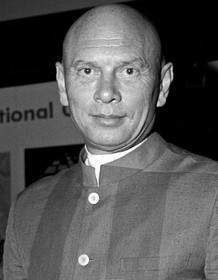
Major Surov (Yul Brynner)
Played by Yul Brynner
A Soviet commander who maintains control with a calm, analytical demeanor. He uses the passengers as a sounding board for his views on Russians and Marxism, yet demonstrates flashes of compassion, notably toward his injured horse. His arc culminates in a fatal confrontation with the insurgents, illustrating the collision of ideology and humanity.
- 🎭 Authority
- ⚖️ Morality
- 🐎 Compassion
-
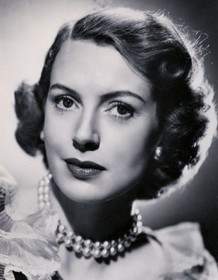
Diana Ashmore (Deborah Kerr)
Played by Deborah Kerr
An aristocratic Englishwoman who involves herself in smuggling Flemyng to safety. Her actions reflect a mix of romantic impulse and pragmatic risk, provoking tensions among the group. Her decisions set off a chain of events that influence the passengers' chances of escape.
- 🎭 Drama
- 🕊️ Moral Dilemma
- F
Flemyng
A sick man in the back seat who claims to be English, later revealed as a Hungarian insurgent with a gunshot wound. His true identity complicates the escape plan and tests the passengers' willingness to risk their safety for a political cause.
- 🗺️ Intrigue
- ⚔️ Conflict
Where and When Is The Journey Set?
The Journey is set in Budapest, Hungary, Austrian border region, Vienna and Austria (1956). Here is why the time and place matter to the story.
When
1956
The events are set during the 1956 Hungarian uprising, when Soviet intervention and local resistance disrupted daily life. The story unfolds as the group attempts a perilous escape through checkpoints, roadblocks, and a tense border crossing. The era is marked by political upheaval, exile, and the precarious balance between danger and aspiration for freedom.
Where
Budapest, Hungary, Austrian border region, Vienna, Austria
The narrative travels from Budapest's transport hubs to a lakeside border town near Austria, with the journey extending toward Vienna. Key locations include the airport and the improvised hotel where passengers are detained. The border landscape and military presence define the setting, underscoring the peril of crossing from Soviet-influenced Hungary into neutral Austria.
- 🏙️ Urban settings
- 🧭 Border crossing
- 🕰️ War-torn era
What Are the Themes of The Journey?
2 ideas the story keeps returning to, among them Freedom & Escape and Morality & Complicity.
-
01
Freedom & Escape
The core tension centers on fleeing a war-torn country and seeking safety across a fragile border. Passengers weigh the risk of capture against the desire for personal liberty, making split-second choices that alter everyone's fate.
-
02
Morality & Complicity
The passengers confront ethical dilemmas: aiding an insurgent, bribing for safe passage, and balancing self-preservation with collective responsibility. The film probes how far individuals will go when lives and futures hang in the balance.
What Kind of Film Is The Journey?
Tense in tone, with variable pacing and a moderate story, going by the plot summary.
- Tone
- Tense
- Pacing
- Variable
- Story
- Moderate
- Intensity
- High
- Ending
- Bittersweet
A tense and morally complex drama set against a war-torn backdrop, where a group of stranded travelers endures constant psychological pressure and danger, creating a claustrophobic and anxious viewing experience that culminates in a somber resolution.
- tense
- claustrophobic
- anxious
- morally complex
- somber
- uncertain
- political repression
- escape
- moral dilemma
- war occupation
Content notes: war violence, gunshot wound, political repression, interrogation, imprisonment.
Quiz
How well do you remember The Journey? Test yourself on the story.