
The Journey 2017


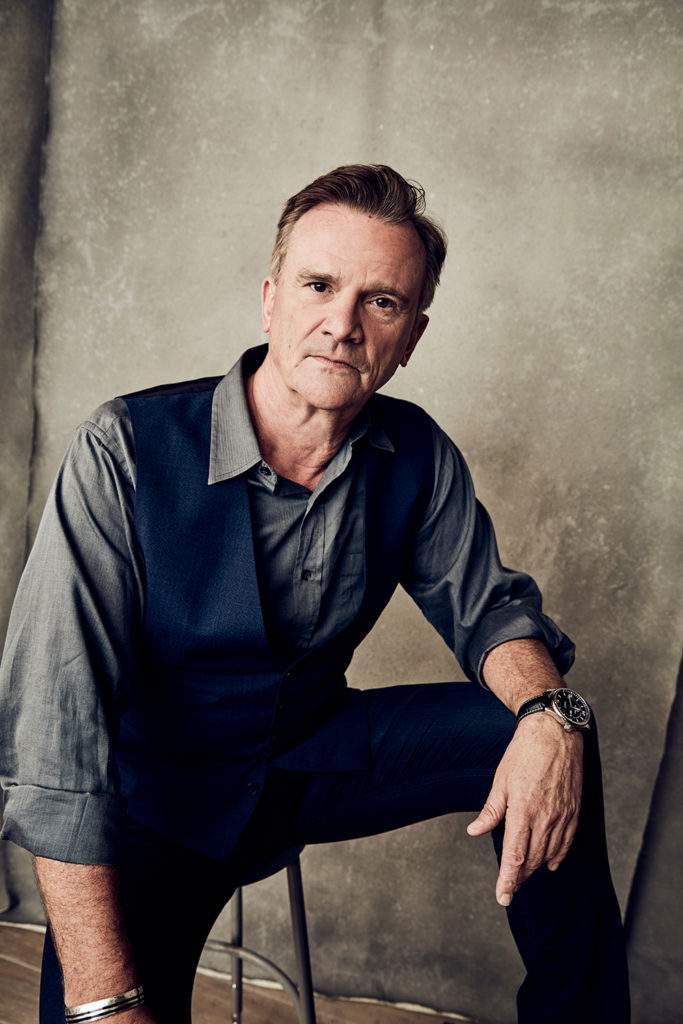

Where to Watch The Journey
See current US streaming, rental, and purchase options for The Journey (2017) via JustWatch.

AMC+ Amazon Channel
HD
MUBI
HD
MUBI Amazon Channel
HD
Philo
HD
Sundance Now
HD
Kanopy
HD
The Roku Channel
HD
Amazon Video
SD
Apple TV Store
HD
Fandango At Home
SD
Google Play Movies
SD
YouTube
SD Streaming availability powered by 
The Journey Plot Summary
Read the complete plot summary and ending explained for The Journey (2017). From turning points to emotional moments, uncover what really happened and why it matters.
In October 2006, as the Northern Ireland peace process edges toward a new agreement, a quiet but pivotal encounter unfolds in St Andrews, Scotland. The film centers on the historic meeting between two former enemies, Ian Paisley and Martin McGuinness, whose differences and past violence loom large even as they begin a tense, shape‑shifting dialogue about peace. With bad weather grounding the planned return, Paisley’s route home becomes a longer, more intimate journey: he must be chauffeured to a different airport to catch a private jet, and McGuinness agrees to ride along, turning a political dispute into a personal, prolonged conversation.
From the outset, the mood is wary. A covert MI5 operation tracks the pair from the shadows, using a young, chatty driver who is allowed to prod them toward frank talk while the security apparatus watches and nudges the discussion along. The surveillance mood blankets the road, and the two men—rigid in their respective stances—struggle to reconcile the toll of their histories with the possibility of a shared future. Paisley clings to the view of McGuinness as a terrorist and murderer, while McGuinness counters by describing how violence fed his world and how the past might be a misstep in a future that could still be saved.
As the van threads through rural lanes, the driver diverts into a forest, a move that raises suspicion in McGuinness. A punctured tire, a deer sighting, and a driver who admits he can’t change a flat tire all become catalysts for deepening dialogue rather than plot drama. The two men wander into a disused Protestant church and study stained glass that Paisley identifies with Foxe’s Book of Martyrs, a moment that juxtaposes sacred imagery with the brutal cost of decades of conflict. The conversation then turns to the Enniskillen bombing, a point of shared pain that neither can easily endorse. McGuinness confesses that, at times, the bombings made him question the path of violence, while Paisley’s fiercest rhetoric shifts as he confronts the human cost of his own leadership. Their exchange grows intimate, and McGuinness, moved by genuine candor, reveals a personal memory that softens yet unsettles Paisley. In response, Paisley accuses him of crocodile tears, underscoring how fragile trust remains.
The tension peaks and then turns toward something almost experimental: a test of whether words can outpace weapons. The vehicle continues toward a secure airbase, where fuel becomes a last‑minute obstacle. The driver’s card is rejected after the tire episode, and Paisley steps into a service station, using his public voice to sway the clerk and coax a retry. The moment underscores the odd balance of power in the scene—public charisma meeting private vulnerability—and it foreshadows the fragile trust that may yet hold or break.
A startling revelation emerges: the driver is connected to MI5, and his role is not to threaten but to shepherd a peaceful outcome. He confirms that the mission is not to set a trap but to guide the two leaders toward dialogue. The two men, now physically exhausted and emotionally exposed, finally face a turning point. Paisley collapses with angina, and McGuinness steadies him, retrieving his medication and offering steadiness in a moment of shared weakness. In the glow of this vulnerability, Paisley recalls the weight of martyrdom—how, at eighty‑one, he is still consumed by a longing to be remembered for a peaceful end rather than another page of violence.
In a quiet, almost ceremonial turn, Paisley speaks of sacrifice and legacy, hinting that peace would require courage from both sides. McGuinness, acknowledging the peril but choosing the “long game,” explains that any private apology would betray his principles, yet he extends a waft of reconciliation that signals a shift toward compromise. The two men reach a candid, symbolic moment when Paisley concedes that his outward defiance may soften, and McGuinness replies with a firm commitment to the long view—one that does not erase the past but aims to outlive its most destructive impulses.
The final leg of the journey brings them to a hangar where a private jet sits under heavy protection. In a rare moment of private time, they confront each other with gravity and honesty. Paisley makes a definitive point about the need for his people to accept the price of peace, while McGuinness refuses to offer the kind of apology that would compromise his identity or the “long game” he champions. They seal their shift with a handshake, choosing a future over persistent grievance. The film closes with a montage of actual images showing Paisley and McGuinness working side by side as first minister and deputy, a powerful coda that affirms the possibility of political reconciliation born from personal risk and stubborn resolve.
This portrait is less about a single speech than about the accumulation of small, stubborn acts that push two lifelong opponents toward a shared horizon. It is a study in restraint and risk, where the most consequential choices are made in the pauses between sentences, in the glances exchanged across years of conflict, and in the quiet decision to walk away from confrontation toward a fragile—but real—peace. The film invites viewers to consider how dialogue, not dominance, can rewrite a landscape scarred by decades of division, and it leaves us with a cautious, hopeful testament to what can happen when leaders choose to meet halfway, even in the shadow of history.
The Journey Timeline
Follow the complete movie timeline of The Journey (2017) with every major event in chronological order. Great for understanding complex plots and story progression.
First meeting in St Andrews
In October 2006, the Northern Ireland peace process is debated in St Andrews, Scotland. Ian Paisley and Martin McGuinness meet for the first time and begin negotiations. They carry deep-seated distrust toward each other, setting a tense tone for the talks.
Weather forces plan to relocate homeward
Bad weather closes the nearby airport, so the plan is to drive Paisley to another airport for a private jet. McGuinness agrees to the change but only if he travels in the car and plane with Paisley. The mood remains practical yet wary as diplomacy begins under pressure.
MI5 surveillance begins
Unbeknownst to them, MI5 is monitoring the car with spy cameras and a microphone. They communicate with the young driver, who is given leeway to speak to passengers and prompt discussion. The two men stay guarded as the journey continues.
Forest diversion and tyre trouble
The driver takes a diversion into a forest, triggering suspicion as the security detail departs. The van brakes hard and slides into a stack of timber, puncturing a tyre. The driver claims to have hit a deer, but Paisley and McGuinness see no blood on the car.
In the woods, the debate deepens
While walking in the woods, the two enemies continue to argue their points and defend their actions. McGuinness wonders if the trip has been planned to end in assassination, and both weigh the risk of violence. They discover a fatally wounded deer and grapple with the moral implications of what they are discussing.
Church of martyrs and the Enniskillen bombing
The two reach a disused Protestant church where Paisley points to martyrs in the stained glass, citing Foxe's Book of Martyrs. They wander to a nearby cemetery and discuss the Enniskillen bombing. Paisley rages at the IRA while McGuinness reveals a private moment about the bombing that unsettles him, and Paisley accuses him of crocodile tears.
A clash of temper and a glimmer of conciliation
The heated argument convinces McGuinness that there is no point continuing, and he refuses to re-enter the van. Paisley acknowledges that his own 'bark' can be worse than his bite, hinting at a possible willingness to seek peace beneath the surface. The tension lingers as they move on toward the airport.
Fuel stop and Paisley's influence
The journey nears the airport and they stop at a service station to refuel. The driver's credit card is bent and initially fails, risking a delay. Paisley uses his public presence to persuade the clerk to retry the number, and it works, allowing them to continue toward the jet.
The MI5 driver reveals his role
The driver confronts McGuinness and Paisley, admitting he is an MI5 operative tasked with protecting them and guiding a peaceful conversation. He explains that his agendas are peaceful and aimed at dialogue, not harm. McGuinness tries to relay the point to Paisley, but the news underscores the fragility of their trust.
Angina and companionship
Paisley collapses in the van with angina, and McGuinness helps him retrieve his medication and settle him down. The moment shifts the balance of control back to the elder statesmen, underscoring the human cost of the political theater. The two men lean on each other as they press toward a possible breakthrough.
Private reflection on martyrdom and peace
Paisley gazes at the stained glass and reflects on his own potential martyrdom and how peace might come without violence. McGuinness challenges him to consider the sacrifices required on both sides, emphasizing the arduous path to reconciliation. They discuss the long game of peace and what it would mean for their people.
Hangar meeting and the famous ultimatum
The van reaches a secure airport hangar where a private jet waits under heavy protection. Paisley issues an ultimatum: he will back the peace accords if McGuinness offers an apology for IRA actions. McGuinness refuses, insisting that apologising would betray his principles, and the two part with a tense but hopeful handshake.
Handshake and the sealing of peace
The conflicting leaders shake hands as friends, acknowledging their mutual enmity but choosing to press forward for peace. The film ends with real photographs of Paisley and McGuinness working together as Northern Ireland's leaders. The handshake marks the sealing of the peace process, if only symbolically.
The Journey Characters
Explore all characters from The Journey (2017). Get detailed profiles with their roles, arcs, and key relationships explained.
Ian Paisley (Timothy Spall)
A veteran Protestant leader and Northern Ireland politician who enters the talks with firm convictions and a wary view of his counterpart. He views McGuinness as a terrorist, yet his journey reveals moments of pragmatism and strategic flexibility. He uses his public speaking persona, even convincing a service clerk to retry the private driver’s card, to push a necessary step toward dialogue. By the end, he balances principled stand-points with a grudging willingness to reach a peaceful compromise.
Martin McGuinness (Colm Meaney)
A principled Irish leader who frames the talks within a long-term vision for peace, acknowledging a painful past while pursuing a durable settlement. He admits past actions, including the impact of the Enniskillen bombing, but refuses to offer hollow apologies that would betray his principles, while still engaging in open dialogue. His calm, strategic approach contrasts with Paisley’s rhetoric and underscores the possibility of reconciliation through steady negotiation and honesty.
The Journey Settings
Learn where and when The Journey (2017) takes place. Explore the film’s settings, era, and how they shape the narrative.
Time period
October 2006
Set during the autumn of 2006, the film centers on the NI peace talks taking place in Scotland. The period follows years of conflict and the long arc toward a permanent settlement, with real-world political stakes amplified by MI5 oversight. The tense, time-bound encounter in the van and woods illustrates how temporality shapes decisions that could alter Northern Ireland’s future.
Location
St Andrews, Scotland, Scottish countryside, forested route, disused Protestant church
The action largely unfolds on a tense, rural route from St Andrews to an airport in Scotland, with the landscape casting a quiet but ominous backdrop for high-stakes diplomacy. Key locations include a forest detour and a visit to a disused Protestant church, which frame the exchanges between Paisley and McGuinness. The setting emphasizes isolation, surveillance, and the pressure of public expectations as the peace talks unfold.
The Journey Themes
Discover the main themes in The Journey (2017). Analyze the deeper meanings, emotional layers, and social commentary behind the film.
🕊️
Peace Process
Two former enemies are forced into dialogue, and the film examines how patient conversation can break deadlocks and reveal vulnerabilities. The car conversations and forest talks become a test of sincerity, beyond rhetoric. The promise of peace collides with lingering distrust, only fully realized in a final gesture that changes the relationship between the men.
💬
Dialogue Under Pressure
Much of the story is built on dialogue in a van and along a forest path, where every word carries political weight. The exchanges expose each leader’s moral calculus, past actions, and willingness to concede. MI5’s unseen guidance and the ever-present risk of assassination loom over the talks, shaping what can be said and how honestly it is said. The honesty gradually chips away at long-held narratives.
🤝
Leadership and Compromise
The film tracks how power can be exercised through restraint and empathy rather than force. The leaders’ willingness to consider the other’s perspective culminates in a symbolic handshake that acknowledges mutual sacrifice. The 'long game' concept drives the negotiation, showing that durable peace may require personal humility and strategic patience.

Coming soon on iOS and Android
The Plot Explained Mobile App
From blockbusters to hidden gems — dive into movie stories anytime, anywhere. Save your favorites, discover plots faster, and never miss a twist again.
Sign up to be the first to know when we launch. Your email stays private — always.
Explore the mobile appThe Journey Spoiler-Free Summary
Discover the spoiler-free summary of The Journey (2017). Get a concise overview without any spoilers.
In the uneasy calm that follows a fragile peace process, two towering figures of Northern Ireland’s tumultuous history find themselves sharing a single vehicle on a winding Scottish road. Ian Paisley, a fire‑brand unionist whose public persona is built on defiance, sits opposite Martin McGuinness, a former revolutionary whose quiet resolve now seeks a different kind of battlefield. Their unlikely partnership is set against the backdrop of mist‑shrouded highlands, where the stark beauty of the landscape mirrors the stark contrasts between the men who occupy the seats.
The film’s world is one of quiet surveillance and lingering mistrust. A young driver, part of a subtle intelligence presence, steers the pair through remote lanes, allowing conversation to surface beneath the hum of the engine. The journey becomes a moving stage where decades of rhetoric, loss, and ideology can finally be spoken aloud, filtered through the natural cadence of the road and the occasional pause that forces introspection.
Tone-wise, the story balances the weight of political legacy with the intimate tension of a private dialogue. There is a pervasive sense of restraint, punctuated by moments of raw honesty that crack the hardened shells each man has built. The Scottish scenery provides a visual counterpoint—a place where the rigidity of past grievances can be softened by the openness of horizons yet to be explored.
As the van rolls onward, the two leaders are compelled to confront not only each other’s histories but also the possibilities that lie beyond them. The narrative invites viewers to sit in that precarious space between antagonism and tentative understanding, suggesting that even the most entrenched divisions may begin to shift when voices are finally allowed to meet on a shared road.
Movies with Similar Twists and Themes
Uncover films that echo the narrative beats, emotional arcs, or dramatic twists of the one you're exploring. These recommendations are handpicked based on story depth, thematic resonance, and spoiler-worthy moments — perfect for fans who crave more of the same intrigue.



Featured on this page

What's After the Movie?
Not sure whether to stay after the credits? Find out!
Check out our other apps:

SAT Sphere
Build confidence for the Digital SAT.

Mori Atlas
Discover wild places worth protecting.

Luntero
Search smarter for a home in Amsterdam.

Plot Explained
Unravel movie endings and hidden clues.

Pokechamp
Dive into Pokémon data and battle logic.

Driving Theory
Get ready for your European theory test.

Movie Dust
Plan your next cinema trip with ease.

Musemap
Find art and culture as you travel.

Selkobase
Compare credentials before committing.

Local Manual
Turn an unfamiliar country into practical next steps.

Lernavi
Compare school systems before your next move.

GymRoam
Find a workout stop wherever your plans take you.
Explore Our Movie Platform
New Movie Releases (2026)
Famous Movie Actors
Top Film Production Studios
Movie Plot Summaries & Endings
Major Movie Awards & Winners
Best Concert Films & Music Documentaries
Movie Collections and Curated Lists
© 2026 What's After the Movie. All rights reserved.
Privacy Policy