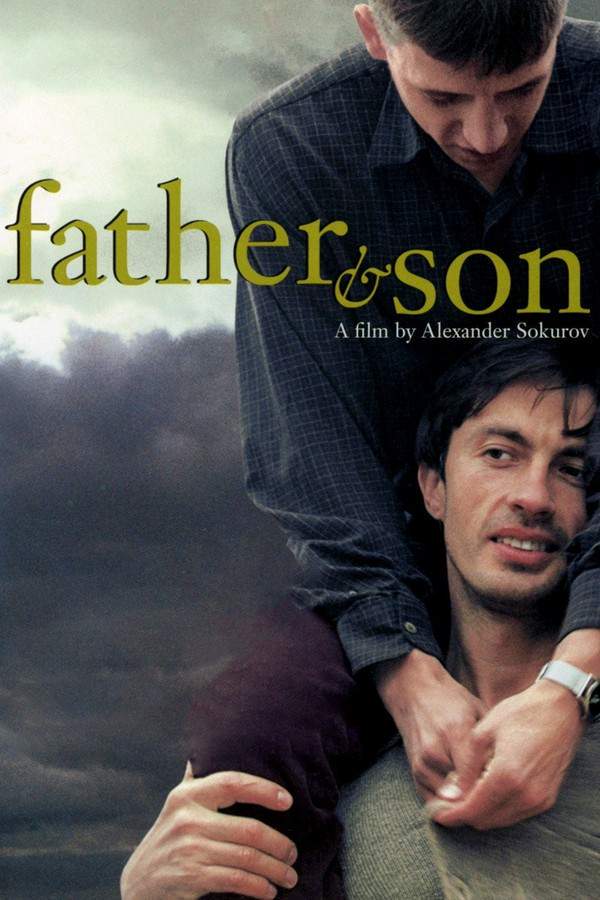
What Is Men and Beasts About?
The premise of Men and Beasts in 302 words, with nothing given away. The full story follows below.
In the frost‑kissed winter of 1942, Aleksei Ivanovich Pavlov—a Red Army commander—finds himself a prisoner of war, his fate untied from the front lines. Seventeen years drift by as he wanders through foreign lands, each step pulling him farther from the home he once knew yet never allowing him to forget it. A quiet determination settles over him, and when the distant call of the Soviet Union finally reaches his weary ears, he resolves to return, steering his compass toward the southern coast where his brother waits.
The film paints a vast, post‑war Soviet landscape—vast plains, wind‑swept steppes, and the lingering shadows of a world reshaped by conflict. Roads become ribbons of memory, linking past and present in a tone that balances melancholy with a stubborn, hopeful grit. The cinematography lingers on the subtle textures of travel: dust‑laden horizons, the soft glow of campfires, and the whispered conversations that rise and fall with the endless miles.
Along this pilgrimage, Pavlov’s path converges with Anna Andreyevna, a physician whose own survival of the Leningrad siege has left her bearing both scars and compassion. She is accompanied by her young daughter, Tanya, whose bright curiosity offers a glimpse of renewal. The trio forms an unlikely caravan, each carrying personal histories that surface in quiet moments of shared silence and tentative laughter. Their interactions hint at a larger story of endurance, where the act of talking about the past becomes a bridge between fractured identities.
Together, they move forward through a world still stitching itself together, the road itself becoming a metaphor for the search for belonging and the quiet courage required to face the unknown. The atmosphere remains introspective, inviting the audience to linger on the spaces between words, to feel the pulse of a land and its people who are constantly redefining home.
What Happens in Men and Beasts?
The complete story of Men and Beasts, from the first scene to the last, in 561 words (about 2 minutes). Spoilers throughout. Names in the text link to 8 cast member pages.
Spoilers ahead
Alexei Ivanovich Pavlov, Nikolay Eryomenko, a commander of the Red Army, is captured near Mga in January 1942 and taken as a prisoner of war. After being displaced for 17 years and wandering through foreign lands, he decides to return to the Soviet Union, choosing to travel toward Sevastopol in southern Ukraine to reconnect with his brother.
During this long journey, he crosses paths with Anna Andreyevna, Tamara Makarova, a doctor he once saved during the Siege of Leningrad. She is traveling south from Moscow with her daughter, Tanya, Zhanna Bolotova, and she invites Alexei to join them. As the miles pass, Alexei openingly shares his life story, weaving together memories of survival, loss, and unexpected mercy.
Their caravan pauses near a reservoir for a meal, and in the quiet aftermath, Alexei recalls his time in Argentina, where illness cost him his job as a laborer. Friends from his camp, Vasily Klyachko Mikhail Gluzskiy and Savvateev Vadim Zakharchenko, had tried to intervene on his behalf, only to be met by Maria Nikolaevna, the estate’s mistress Tatyana Gavrilova. Those memories creep forward and then fade into the rhythm of the road as the group resumes travel the next day.
In a village, a drunken driver causes an accident. Anna tends to the injured, while Alexei and Tanya stay with the group, and this moment prompts him to reflect on the fragility and resilience of human nature. He speaks of times spent in concentration camps—Majdanek, Dachau, and Buchenwald—sharing glimpses of escape attempts and eventual liberation by American forces. The war’s aftermath finds him stretched across continents, working in Sudan, Canada, and Argentina, each place leaving its own mark on his sense of purpose and belonging.
As memories accumulate, Alexei revisits Maria Nikolaevna’s earlier disdain for Russia after a visit, and he recounts a later period in Hamburg where he worked as a driver-mechanic for a wealthy German family. He clashes with the family’s fascist leanings and ultimately resigns after clashes with their sons. A moment of crisis arrives when he is betrayed by old campmates; a desperate suicide attempt is averted thanks to the kindness of Frau Wilde, Maria Rouvel, a German woman whose humanity rekindles his faith in people and the possibility of a better world.
Arriving in Zaporizhzhia, Alexei visits Anna’s relatives and observes the lively bustle of a steel plant, a scene of industry and progress that contrasts with the quiet of his inner journey. A celebration erupts after the successful launch of the plant’s new machinery, marking a tangible sign of rebuilding. Back home, Petr Ivanovich Pavlov, his brother, is revealed to have concealed Alexei’s existence for years under pressure from Petr’s wife, Valentina Sergeyevna Natalya Medvedeva, who burned Alexei’s letters and accepted the lie that he was dead. Tanya intervenes, persuading Petr’s family to reunite with Alexei and finally bridge the years of separation.
The brothers’ long-awaited meeting underscores how time—and the paths each man walked—have transformed them. On one hand, Alexei returns with a hard-won sense of endurance and a cautious optimism about the future; on the other, Petr, shaped by different pressures and choices, confronts the reality that their lives have diverged in significant, defining ways. In the end, the journey home becomes not just a physical reuniting, but a meditation on memory, forgiveness, and the complicated bonds of kinship that survive even the deepest separations.
Men and Beasts Timeline: Every Key Event in Order
12 key events in the order they happen, from “Captured near Mga” to “Reunion and the awakening of two contrasting paths”. 12 events name a place, across 12 locations.
- 1
Captured near Mga
Alexei Pavlov, a Red Army commander, is captured by enemy forces near Mga in January 1942. He becomes a prisoner of war and endures the harsh realities of confinement. The capture marks the beginning of a long, separating chapter from his homeland.
When:January 1942 Where:near Mga
- 2
Years of wandering and longing for home
Over the next 17 years, he wanders through foreign lands, surviving displacement and hardship. The memories of home fade and return in fragmented flashes as he clings to the hope of reunion. His long exile tests his resilience and will to fight for a future in his homeland.
When:late 1950s Where:various foreign lands
- 3
Return to the Soviet Union and plan to reach his brother
Resolved to return, Alexei travels back toward the Soviet Union with the aim of reaching his brother in Sevastopol. The journey becomes a bridge from years abroad to a family reconnection. It signals the beginning of a new chapter in his life.
When:late 1950s Where:Sevastopol
- 4
Meeting Anna Andreyevna and Tanya
On the road, he meets Anna Andreyevna, a doctor he once saved during the Siege of Leningrad, who is traveling south with her daughter Tanya. She invites him to join their small group, offering companionship and safety. As they travel, Alexei shares the life story that defined his wartime years.
When:during the journey Where:Route from Moscow toward the south
- 5
Dinner by a reservoir and memories of Argentina
During a stop by a reservoir for dinner, Alexei recalls his time in Argentina where illness cost him his job as a laborer. Vasily Klyachko and Savvateev, friends from his camp, intervened on his behalf, though their efforts clash with Maria Nikolaevna, the estate mistress. The memory highlights how small acts of kindness and cruelty have shaped his fate.
When:during journey Where:near a reservoir
- 6
War years, camps, and escape attempts
He recounts his experiences in Majdanek, Dachau, and Buchenwald, detailing escape attempts and his eventual liberation by American forces. The stories reveal the brutality he endured and the endurance that carried him through. They form a core part of his understanding of humanity.
When:World War II period Where:Majdanek, Dachau, Buchenwald
- 7
Postwar work around the world
After the war, Alexei works in Sudan, Canada, and Argentina, continuing to travel for work and survival. These postings broaden his view of the world but intensify his longing for home. The wanderings echo his earlier years as a prisoner and survivor.
When:postwar years Where:Sudan, Canada, Argentina
- 8
Russia, Hamburg, and clashes with a new class of masters
Arriving in Hamburg, he recalls his time driving for a wealthy German family and clashing with their fascist leanings. The old tensions resurface as he quits after altercations with the sons. The episodes illustrate the persistence of conflict with the remnants of the old order.
When:postwar years Where:Hamburg, Germany
- 9
Saved by Frau Wilde and renewed faith in humanity
During a moment of despair, he is betrayed by former campmates and attempts suicide, but is saved by Frau Wilde, a kind German woman. Her mercy rekindles his faith in humanity and provides a lifeline to continue seeking a better future. He credits her with restoring his sense of trust in people.
When:postwar years Where:Germany
- 10
Arrival in Zaporizhzhia and the steel plant
Alexei arrives in Zaporizhzhia, visits Anna's relatives, and observes the bustling life around a new steel plant. The city's industry and energy give him a sense of belonging and progress. A celebratory launch of the machinery marks a hopeful milestone in his journey.
When:upon arrival Where:Zaporizhzhia
- 11
Petr's concealment and Valentina's deception
Petr, Alexei's brother, has hidden his existence for years under pressure from his wife Valentina, who burned Alexei's letters and claimed he was dead. Tanya intervenes and persuades Petr’s family to reunite with Alexei. The family finally moves toward reconciliation after years of secrecy.
When:late reunion Where:Petr's family home
- 12
Reunion and the awakening of two contrasting paths
The brothers finally meet, but the years apart have left them very different—shaped by divergent paths of captivity, exile, and travel. Their reunion highlights both the deep bond of family and the profound changes brought by experience. The moment underscores the costs and value of reunion after a long separation.
When:final moments Where:Petr's home
Who Are the Main Characters in Men and Beasts?
9 characters, among them Alexei Ivanovich Pavlov, Anna Andreyevna and Tanya: who each one is and the part they play in the story.
- AI
Alexei Ivanovich Pavlov
A Red Army commander who endures capture, 17 years of wandering, and a flood of memories from concentration camps; his journey back toward his homeland drives the narrative. He confronts the moral complexities of survival and the costs of returning after so long away. His reflections on humanity guide the story’s emotional core.
- 🪖 War veteran
- 🧭 Survivor
- 🕊️ Philosopher
- AA
Anna Andreyevna
A doctor who once saved Alexei during the Siege of Leningrad. She travels south from Moscow with her daughter Tanya and invites Alexei to join them, embodying mercy and practical care in wartime. Her actions anchor the human connections that persist beyond conflict.
- 👩⚕️ Doctor
- 🧭 Caregiver
- T
Tanya
Anna's daughter, traveling with her mother and forming a bridge between generations. She embodies resilience and hope as she helps facilitate the reunion between Alexei and his brother. Her presence highlights the innocence affected by war and the possibility of trust returning.
- 👧 Child
- 🧭 Hope
- MN
Maria Nikolaevna
Estate mistress who represents postwar class tensions and fluctuating loyalties. She employed Alexei as a driver but later disparaged Russia after a visit, illustrating shifting attitudes in a Europe trying to rebuild. Her interactions reveal power dynamics and the fragility of trust.
- 🏡 Aristocrat
- 🗝️ Power
- PP
Petr Pavlov
Alexei's brother, whose family hides his brother's existence under pressure from his wife. His transformation through years of separation tests the bonds of family and truth. The eventual reunion shows how time can alter people yet still pull them back together.
- 🧑 Relative
- 🕊️ Reconciliation
- V
Valentina
Petr’s wife, who suppresses Alexei’s letters and claims he is dead, introducing conflict and fear. Her actions reveal the reality of fear-driven decisions and the toll they take on family ties. She complicates the brothers' relationship and raises questions about truth and memory.
- 👩🏻 Relative
- 🧭 Tension
- VK
Vasily Klyachko
One of Alexei's camp friends who aids him during his trials and voices loyalty. His role shows comradeship forged in extreme circumstances. His later betrayal by old campmates adds a note of tragedy to the story.
- 🧑✈️ Comrade
- 🕊️ Loyalty
- S
Savvateev
Another former camp friend whose actions influence Alexei's fate and the group’s dynamics. His involvement underscores the moral ambiguity of wartime alliances. His interference shapes the path of the protagonist years after the camps.
- 👥 Ally
- 🧭 Decision
- FW
Frau Wilde
A kind German woman who helps Alexei when he is in need, restoring his faith in humanity. Her mercy stands as a key moment of grace in the film. Her act demonstrates the possibility of compassion across enemy lines.
- 🤝 Kindness
- 🧭 Lifeline
Where and When Is Men and Beasts Set?
Men and Beasts is set in Mga, Sevastopol, Leningrad, Zaporizhzhia, Moscow, Hamburg, Argentina, Sudan… (World War II era (early 1940s) and postwar years). Here is why the time and place matter to the story.
When
World War II era (early 1940s) and postwar years
Set in January 1942, the story follows Alexei's capture near Mga and his trials as a prisoner of war. It then recounts memory-laden experiences in Majdanek, Dachau, and Buchenwald, and his liberation by American forces. The narrative continues through postwar years as he works in Sudan, Canada, and Argentina before reuniting with his brother in Sevastopol, highlighting the long shadow of war and the slow process of rebuilding life.
Where
Mga, Sevastopol, Leningrad, Zaporizhzhia, Moscow, Hamburg, Argentina, Sudan, Canada
From the siege-torn outskirts near Mga to the port of Sevastopol, the narrative spans the European and postwar world. It revisits Leningrad during the siege, Hamburg as a driver-mechanic, and Zaporizhzhia with a bustling steel plant, reflecting a world fractured by conflict. The story also touches memories of Argentina, Sudan, and Canada, illustrating the protagonist's long wandering before returning home.
- 🌍 War-torn settings
- 🧭 Transcontinental journey
- 🏭 Industrial towns
- 🕊️ Rebuilding lives
What Are the Themes of Men and Beasts?
4 ideas the story keeps returning to, among them Memory & Trauma, Migration & Identity and Reunion & Forgiveness.
-
01
Memory & Trauma
The film probes the lasting scars of war, from camp memories to years of displacement. Alexei's recollections reveal both resilience and the heavy cost of survival. Memory is shown as a double-edged force that shapes identity and trust.
-
02
Migration & Identity
The character's wanderings across continents mirror a search for belonging after trauma. Each new place tests his sense of self and loyalty to his homeland. The journey itself becomes a means of survival and self-discovery.
-
03
Reunion & Forgiveness
Reconnecting with his brother after years apart exposes changed identities and the difficulty of reconciliation. The film suggests that rebuilding relationships requires confronting past betrayals and shared memories. The eventual reunion emphasizes humanity's capacity to heal.
-
04
Hope & Humanity
Acts of kindness, like Frau Wilde's mercy, illustrate the persistence of goodness across borders. The narrative portrays human warmth as a counterforce to cruelty and despair. It frames hope as a practical force guiding survivors toward rebuilding lives.
What Kind of Film Is Men and Beasts?
Melancholic in tone, with slow pacing and a moderate story, going by the plot summary.
- Tone
- Melancholic
- Pacing
- Slow
- Story
- Moderate
- Intensity
- Medium
- Ending
- Bittersweet
A slow-paced, melancholic journey of a war survivor returning home, intertwining heavy memories of displacement and survival with quiet moments of human connection and a bittersweet reunion.
- melancholic
- reflective
- nostalgic
- somber
- enduring
- hopeful
- war trauma
- homecoming
- memory and loss
- family reconciliation
Content notes: war violence, concentration camps, prisoner of war, suicide attempt, betrayal.
Quiz
How well do you remember Men and Beasts? Test yourself on the story.