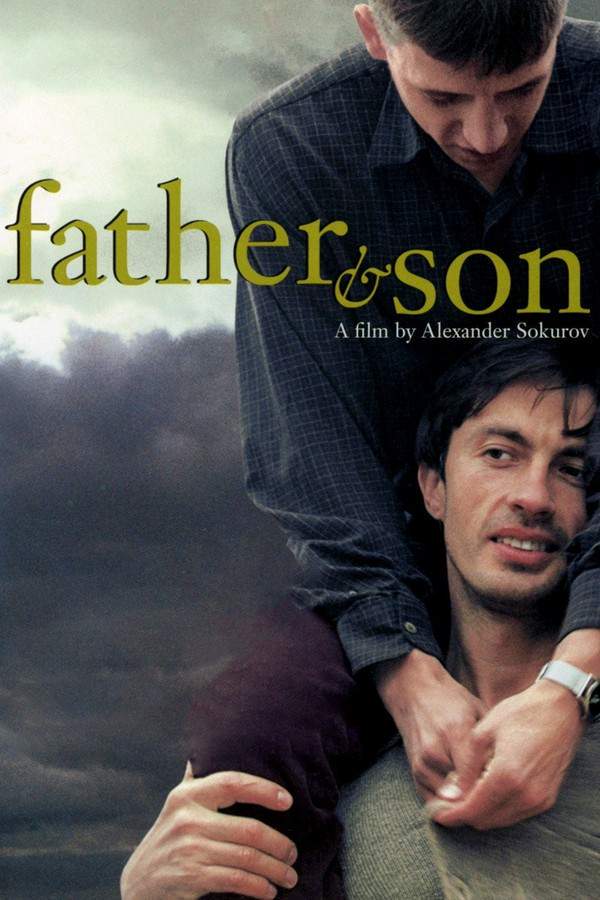
Father and Son 2004

Directed by
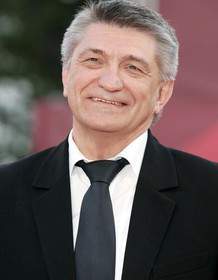
Aleksandr Sokurov
Made by

Seagull Films
Father and Son Plot Summary
Read the complete plot summary and ending explained for Father and Son (2004). From turning points to emotional moments, uncover what really happened and why it matters.
In a seaside city that feels unnamed to the outside world, a father and his son Aleksei share a rooftop apartment that looks out over the water and the quiet pulse of daily life below. The Father, once a combat helicopter pilot, now guides Aleksei as he attends military school where he trains to become a sports trainer. Although the Father’s youth and the easy understanding between them suggest a close, almost sagelike rapport, their different life experiences gradually pull them apart. This growing distance fuels Aleksei’s nighttime terrors, and the rift between father and son becomes the emotional core that haunts the story.
Sokurov’s film is frequently described as plotless, yet it orchestrates two distinct narrative modes that coil around one another. One mode is circular: the film opens and closes with Father comforting Aleksei after a nightmare, a containment that frames the entire experience. The other mode is linear, embedded inside the circular frame, tracing a weekend that unfolds with a deceptive simplicity yet carries the weight of all that has separated them. The visual design of the framing scenes—Father sitting in the snow in his pajamas, the quietness that surrounds these intimate moments—coupled with intertextual references to famous painterly depictions of angels (for instance, Rembrandt’s Jacob Wrestling with the Angel) position Father as Aleksei’s guardian angel, returning from the wounds of combat to protect and console his son. This depiction of almost filial closeness has led some viewers to read subtextual dimensions of intimacy into their bond, highlighting the film’s delicate handling of love, dependence, and protection.
The linear thread narrows its gaze to a two‑day span that Aleksei stitches into a single, nightmarish sequence. Within this frame, Aleksei and Father encounter two young men around Aleksei’s age—Sasha and Fyodor—each effectively fatherless for different reasons, their missing fathers echoing in their own distress and shaping the emotional weather of the city as the two days pass. Parallel to these meetings, Aleksei’s unnamed girlfriend ends their relationship, and Aleksei’s reluctance to embrace fatherhood becomes a point of friction that strains both his personal life and his bond with the Father. The convergence of these threads—the intimate, almost celestial care of a guardian figure and the gritty, everyday ache of unfulfilled responsibility—gives the film its quiet, persistent ache.
Ultimately, Father and Son emerges as a profound allegory of paternal love and filial regret, a somber meditation on a bond that can be both intensely protective and potentially constraining. It functions as a contemporary variation on the Parable of the Prodigal Son, reframing that age‑old story through Sokurov’s restrained, contemplative lens. The result is a meditation that invites reflection on what it means to love a child, to bear witness to growth and failure, and to navigate the thin line between guardian and witness in a world that often feels both intimate and tenuous.
Father and Son Timeline
Follow the complete movie timeline of Father and Son (2004) with every major event in chronological order. Great for understanding complex plots and story progression.
Opening nightmare and comforting
The film opens with Aleksei waking from a nightmare that unsettles him deeply. Father appears and steadies him with quiet, comforting presence, offering safety in the face of fear. This opening establishes the circular structure, where the Father’s protective role recurs at the end.
Guardian angel motif and Rembrandt reference
The Father is presented as Aleksei’s guardian angel, a figure who seems to return from death to protect his son. The imagery references Rembrandt’s Jacob Wrestling with the Angel to elevate their bond to a spiritual plane. The motif foreshadows the fusion of love, danger, and duty that underpins their relationship.
Weekend starts; two narrative structures
Over the weekend, the linear events of Aleksei and Father’s life play out within the larger circular frame. They move through the seaside city, sharing intimate moments that reveal their mutual closeness despite different life experiences. A rift begins to form as unspoken tensions gather beneath the surface.
Encounter with Sasha
On the first day, Aleksei and Father meet Sasha, a peer his own age whose father is absent. The encounter highlights how fatherlessness shapes identity and vulnerability in young men. Father’s protective presence remains evident even as new emotional complexities arise.
Encounter with Fyodor
Later that day, they encounter Fyodor, another young man dealing with a fatherless background. The meeting expands the film’s meditation on male mentorship and emotional need. Father continues to anchor the duo with closeness that hints at both care and boundary.
Girlfriend breakup
Aleksei’s unnamed girlfriend breaks up with him, a blow that tests his readiness to take responsibility. The breakup strains the already delicate balance between him and Father, sharpening their unspoken tensions. The event intensifies the film’s inquiry into what it means to grow up under someone’s watch.
Reluctance to fatherhood
Aleksei resists stepping into fatherhood, resisting the responsibilities Father anticipates him to assume. The resistance becomes a fault line that exposes the gap between the Father’s protective instinct and the son’s need for autonomy. The tension foreshadows the emotional distance widening between them.
Rift and nightmares begin
The rift between Father and Son deepens, and Aleksei’s nightmares become more vivid and frequent. The nightmares assemble the weekend into a single, symbolic sequence of care, conflict, and attempted rescue. The dream logic mirrors Aleksei’s fear of losing his Father’s love.
Nightmare replay of events
In Aleksei’s dream, the Saturday-Sunday sequence of events plays out again as a continuous loop. Father’s unlimited love appears as a constant, even as Aleksei questions his own worth and the worth of their bond. The dream deepens the film’s central meditation on love, guilt, and accountability.
Within the nightmare: Father’s comfort
During the nightmare, Father again brings comfort to Aleksei, underscoring his role as guardian even in the dream. This act reinforces the intensity and fragility of their closeness. The moment crystallizes the thematic core: love that endures even when understanding falters.
Ending rooftop vigil
The closing sequence returns to the rooftop, with Father retiring to wait for Aleksei’s next cry for help. Their bond remains the moral center of the film, a quiet vow rather than a resolution. The rooftop vigil signals patience, tenderness, and the possibility of future reconciliation.
Prodigal Son allegory
Across its final frames, the film casts the relationship as a Parable of the Prodigal Son, blending forgiveness with longing and lingering regret. Father’s return and protection echo the older myth, refracted through a contemporary father–son dynamic. The allegory gives structure to the two-day arc and its emotional resonance.
Rembrandt framing reaffirms guardian role
The concluding imagery reinforces Father as a guardian angel, a figure who watches over Aleksei with quiet, enduring care. The Rembrandt-inspired framing cements the idea of rescue as sacred, not romantic, in the father–son relationship. The film ends with Father on the rooftop awaiting Aleksei’s next cry.
Father and Son Characters
Explore all characters from Father and Son (2004). Get detailed profiles with their roles, arcs, and key relationships explained.
Father
A former combat helicopter pilot who shares a rooftop apartment with his son. He remains youthful and deeply involved in Aleksei's life, projecting both protection and tenderness. His presence acts as a stabilizing force and a source of unspoken tension that fuels Aleksei's nightmares.
Aleksei
A young man attending military school, training to become a sports trainer. He experiences a growing rift with his Father, which culminates in nightmares that warp his sense of safety and love. He is introspective, sensitive, and periodically adrift between dependence and independence.
Sasha
A young man Aleksei's age who is fatherless, highlighting the broader theme of absent father figures and the emotional distress that follows. Sasha’s presence serves as a catalyst for Aleksei’s reflections on fatherhood.
Fyodor
Another young man Aleksei's age who is fatherless; his situation parallels Sasha's and reinforces the emotional reverberations of paternal absence on the sons' minds.
Aleksei's girlfriend
An unnamed girlfriend whose breakup during the two-day period adds strain to Aleksei's personal relationships and deepens the film's exploration of closeness and detachment.
Father and Son Settings
Learn where and when Father and Son (2004) takes place. Explore the film’s settings, era, and how they shape the narrative.
Location
Rooftop apartment, Unidentified seaside city
The film largely unfolds inside a compact rooftop apartment perched above an unidentified seaside city. The rooftop and view of the sea create an intimate, claustrophobic world where Father and Aleksei confront love, fear, and memory. The setting's quiet, coastal atmosphere amplifies the emotional intensity and frames the guardian-angel dynamic.
Father and Son Themes
Discover the main themes in Father and Son (2004). Analyze the deeper meanings, emotional layers, and social commentary behind the film.
🕊️
Parental Love
Father's unconditional love guides the narrative, acting as Aleksei's anchor as well as a source of tension. The two-day weekend exposes how closeness can become dependence, and how Aleksei both craves and resists that care. The film frames this love as a paradox: protective and suffocating at once, a lifeline and a trap. Through Aleksei's nightmares, the movie explores how filial devotion persists even amid regret.
👨👦
Guardian Angel
Father is depicted as Aleksei's guardian angel, returning from death caused by his combat wounds to protect and comfort his son. Intertextual references to Rembrandt's Jacob Wrestling with the Angel anchor this role. This guardian figure helps explain their intense closeness, which some interpret as implying deeper intimacy. The motif reframes their relationship as both spiritual protection and a human bond fraught with complexity.
🔄
Structure & Time
Two narrative structures—one circular, one linear—frame the film, opening and closing with Father comforting Aleksei after a nightmare. The circular frame sets a recurring, guardian-like presence, while the linear sequence covers a two-day weekend of events that Aleksei strings into a single memory. This deliberate structure highlights how memory and perception shape the story. The film uses this duality to explore how time can feel simultaneous and fragmented.
🌊
Seaside Setting
Set in a seaside city, the location contributes to the film's contemplative mood. The coastal atmosphere and rooftop vantage point create a sense of openness paired with isolation, mirroring the emotional distance between characters. The sea backdrop reinforces the quiet, intimate drama at the core of the father–son relationship.

Coming soon on iOS and Android
The Plot Explained Mobile App
From blockbusters to hidden gems — dive into movie stories anytime, anywhere. Save your favorites, discover plots faster, and never miss a twist again.
Sign up to be the first to know when we launch. Your email stays private — always.
Explore the mobile appFather and Son Spoiler-Free Summary
Discover the spoiler-free summary of Father and Son (2004). Get a concise overview without any spoilers.
In the mist‑kissed city of St. Petersburg, a modest rooftop apartment watches over quiet canals and the soft hum of daily life. Within this fragile stillness lives a former combat helicopter pilot who has traded the roar of engines for the quieter duty of guiding his son. The father’s weathered experience and gentle patience create a space where the ordinary and the profound intersect, casting the apartment itself into a sanctuary of unspoken understanding.
Aleksei is a young man caught between the rigors of a military school that shapes him for a future as a sports trainer and the lingering ache of a childhood marked by his mother’s loss. His relationship with the Father feels almost timeless, a blend of mentorship and deep affection that evokes the quiet guardianship of an angel watching over a restless soul. Their evenings are punctuated by hushed conversations and the lingering shadows of past battles, both external and internal.
The arrival of Aleksei’s girlfriend introduces a subtle but palpable shift, prompting him to confront the inevitable steps toward adulthood and the quiet fear of drifting apart from the man who has been his anchor. This new dynamic hints at the delicate balance between dependence and independence, love and the need to let go, without revealing how the characters will navigate the tension.
Sokurov’s direction weaves a contemplative, almost lyrical tone throughout, using the stark winter light and the city’s muted palette to reflect the inner lives of the protagonists. The film feels like a slow‑moving meditation, inviting viewers to linger on the textures of a father’s protective presence and a son’s yearning for his own path, while the surrounding world remains both intimate and inexorably vast.
Movies with Similar Twists and Themes
Uncover films that echo the narrative beats, emotional arcs, or dramatic twists of the one you're exploring. These recommendations are handpicked based on story depth, thematic resonance, and spoiler-worthy moments — perfect for fans who crave more of the same intrigue.



Featured on this page

What's After the Movie?
Not sure whether to stay after the credits? Find out!
Check out our other apps:

SAT Sphere
Build confidence for the Digital SAT.

Mori Atlas
Discover wild places worth protecting.

Luntero
Search smarter for a home in Amsterdam.

Plot Explained
Unravel movie endings and hidden clues.

Pokechamp
Dive into Pokémon data and battle logic.

Driving Theory
Get ready for your European theory test.

Movie Dust
Plan your next cinema trip with ease.

Musemap
Find art and culture as you travel.

Selkobase
Compare credentials before committing.

Local Manual
Turn an unfamiliar country into practical next steps.

Lernavi
Compare school systems before your next move.

GymRoam
Find a workout stop wherever your plans take you.
Explore Our Movie Platform
New Movie Releases (2026)
Famous Movie Actors
Top Film Production Studios
Movie Plot Summaries & Endings
Major Movie Awards & Winners
Best Concert Films & Music Documentaries
Movie Collections and Curated Lists
© 2026 What's After the Movie. All rights reserved.
Privacy Policy