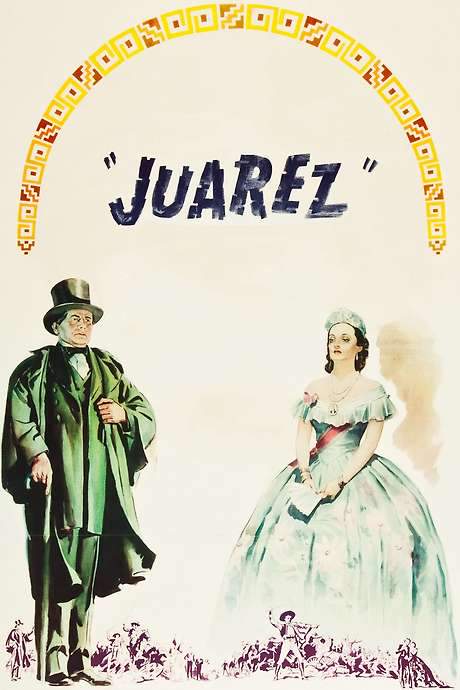
What Is Juarez About?
The premise of Juarez in 303 words, with nothing given away. The full story follows below.
Set against the fraught backdrop of 1860s Mexico, this historical drama unveils a nation torn between the allure of empire and the promise of democracy. The story establishes a high-stakes political stage where foreign intervention collides with the fervent desire for self-governance. As Napoleon III orchestrates a bold move to expand French influence by placing a European noble on a New World throne, the film sets the tone for a profound ideological battle, pitting the grandeur of imperial ambition against the rugged resilience of a people fighting for their sovereignty.
At the center of this turmoil is Emperor Maximilian von Habsburg, an Austrian archduke who arrives in Mexico alongside his wife, Empress Carlota, to claim a crown in a land that remains deeply skeptical of foreign rule. Maximilian is portrayed as a complex figure caught between his own idealistic conscience and the demanding expectations of his French benefactors. Carlota stands as his steadfast anchor, her resolve and ambition fortifying his position even as they navigate a government that is not fully their own. Their arrival marks the beginning of a tense occupation, where the confiscation of lands and the suppression of dissent serve as the spark for deeper unrest.
Standing in opposition is Benito Pablo Juárez, the democratically elected leader whose vision for Mexico stands in stark contrast to the imperial pageantry. Juárez represents the unyielding spirit of the republic, a leader who refuses to compromise the ideals of his people for the sake of political convenience. With the United States watching closely and the Monroe Doctrine looming over the conflict, the narrative weaves a complex tapestry of loyalty, power, and the heavy cost of political idealism. The stage is set for a gripping examination of leadership, where the fate of a nation hangs in the balance between a crown and a constitution.
What Happens in Juarez?
The complete story of Juarez, from the first scene to the last, in 468 words (about 2 minutes). Spoilers throughout.
Spoilers ahead
Set against the fraught backdrop of 1860s Mexico, this historical drama traces the long-running clash between Emperor Maximilian von Habsburg [Brian Aherne] and Benito Pablo Juárez [Paul Muni], a confrontation shaped by foreign intervention, shifting alliances, and the stubborn hope of a democratic future for the country.
When Napoleon III Napoleon III [Claude Rains] instruments a throne for Maximilian, the Austrian archduke arrives in Mexico along with his wife, Carlota of Belgium [Bette Davis], with expectations of establishing French influence by confiscating land returned to native communities and punishing the rebels under his command. The alliance tests loyalties, idealism, and the weight of imperial ambition as Maximilian must navigate a government that is not fully his own and a nation that is far from united.
Maximilian comes to a painful crossroads: he contemplates abdication, but Carlota stays by his side and fortifies his resolve, pushing him to persevere in a role that may betray his own conscience. The offer extended to Juárez, the democratically elected leader of Mexico, to serve as prime minister is flatly refused by Juárez, who remains steadfast in defending self-rule for the Mexican people. This rift deepens the struggle, pitting a crown against a republic and testing what Americans and Mexicans alike believe the future should look like (Monroe Doctrine).
As the Civil War in the United States winds down, the new federal posture in the Americas becomes a decisive factor. The United States warns Napoleon that it will enforce the Monroe Doctrine with military force if necessary, moving to arm Juárez’s army in a bid to restore balance. Yet the French position holds on, even as the tide of aid shifts and the balance of power teeters on a knife-edge. The intrigue intensifies when Alejandro Uradi [Joseph Calleia], a political actor in Washington’s orbit, seizes the American ammunition that could have tipped the scales in Juárez’s favor, a move that complicates the already perilous chess match between empire, presidency, and insurgent forces.
Napoleon responds by ordering the evacuation of French troops from Mexico, a withdrawal that abandons Maximilian to his own devices and strips him of a crucial source of military strength. In the wake of this turning point, Carlota undertakes a perilous return to Paris to plead with Napoleon, only to unravel under the pressure of isolation and mounting pressure. The collapse of imperial protection prompts Juárez and his rebels to close in, and Maximilian and his loyalists are captured.
Despite negotiations that could have seen him freed, Maximilian chooses to remain with those who have stood by him. The moment comes when the court reads its verdict: he is tried, found guilty, and sentenced to death by firing squad, a somber end that reflects the heavy costs of imperial hubris and the stubborn pursuit of a dream that history ultimately redefines.
Juarez Timeline: Every Key Event in Order
12 key events in the order they happen, from “Maximilian and Carlota arrive in Mexico” to “Republican restoration and closing reflections”. 12 events name a place, across 4 locations.
- 1
Maximilian and Carlota arrive in Mexico
French-backed intervention brings Maximilian von Habsburg and his wife Carlota to Mexico, where they begin their imperial project. They immediately face a country torn by war and reformist resistance led by Benito Juárez. The couple signals they intend to assert French influence through governance and land policies.
When:1863 Where:Mexico
- 2
Maximilian envisions suppressing rebels and seizing land
Maximilian realizes his mandate includes consolidating French control by confiscating land returned to native people and punishing rebel forces. He aims to suppress Juárez's supporters and secure a compliant government. Carlota supports these hardline measures.
When:1863 Where:Mexico
- 3
Consideration of abdication, but Carlota urges perseverance
Facing mounting resistance, Maximilian contemplates stepping down from the throne. Carlota urges him to stay loyal to the pro-French project, fearing political collapse and personal peril. The tension highlights the personal stakes of the imperial arrangement.
When:1863 Where:Mexico
- 4
Maximilian offers Juárez prime ministership
Maximilian offers Benito Juárez the position of prime minister to broker a peaceful settlement, but Juárez staunchly refuses to relinquish democratic self-rule. He insists the Mexican people deserve control over their destiny. The offer widens the rift between the imperial regime and republican forces.
When:1863 Where:Mexico
- 5
End of US Civil War and US pressure on Napoleon
With the Civil War ending in the United States, Washington warns Napoleon III that Monroe Doctrine enforcement is possible by military means. The U.S. begins supplying Juárez's army to restore the republic, hoping to prevent a French-backed monarchy.
When:1865 Where:United States
- 6
Uradi seizes American ammunition
Vice President Alejandro Uradi undermines U.S. support by seizing the ammunition intended for Juárez's forces, effectively tipping the balance toward Maximilian. French troops reinforce the imperial position as U.S. aid is blocked.
When:1865 Where:Mexico
- 7
Napoleon orders evacuation of French troops
Napoleon III orders all French troops to evacuate Mexico, leaving Maximilian without meaningful military support. The imperial regime loses its crucial military backing, forcing a perilous stance.
When:1866 Where:Mexico
- 8
Carlota travels to Paris and suffers a mental breakdown
Angered by Napoleon's decision, Carlota returns to Paris to appeal directly to the Emperor. The strain contributes to a mental breakdown and a disintegrating role for the consort.
When:1866-1867 Where:Paris, France
- 9
Juárez forces capture Maximilian
Juárez's forces overrun key imperial positions and capture Maximilian and his soldiers. The rebel victory demonstrates the collapse of the empire's military capability.
When:1867 Where:Mexico
- 10
Maximilian chooses to stay with his loyalists
Even as negotiations unfold to release him, Maximilian insists on remaining with his loyalists, signaling a personal resolve that transcends political expediency. The decision sustains the imperial camp for the moment.
When:1867 Where:Mexico
- 11
Trial and execution of Maximilian
Maximilian and his entourage are tried for their roles in the imperial regime and found guilty. They are sentenced to death by firing squad, marking the definitive end of the empire's rule.
When:1867 Where:Querétaro, Mexico
- 12
Republican restoration and closing reflections
Following the execution, Juárez consolidates republican authority and Mexico returns to self-rule, underscoring the consequences of foreign intervention. The film closes by illustrating the enduring struggle for sovereignty and democratic governance.
When:1867 Where:Mexico
Who Are the Main Characters in Juarez?
5 characters, among them Empress Carlotta von Hapsburg, Emperor Maximilian von Habsburg and Benito Pablo Juárez: who each one is and the part they play in the story. Every profile links to the actor’s page.
-

Empress Carlotta von Hapsburg
Played by Bette Davis
Carlotta is the ambitious, emotionally charged wife of Maximilian who seeks influence within the imperial court while grappling with personal turmoil as the imperial project faces collapse.
- 👑 Empress
- 🧠 Strategist
- 💔 Troubled wife
- EM
Emperor Maximilian von Habsburg
Played by Brian Aherne
A well-meaning but indecisive ruler who aims to establish a European-style empire with French backing, torn between personal duty and political practicality. He contemplates abdication but is pressured to stay, and ultimately faces capture and a fateful choice.
- 👑 Emperor
- ⚖️ Dilemma
- 💼 Policy maker
-
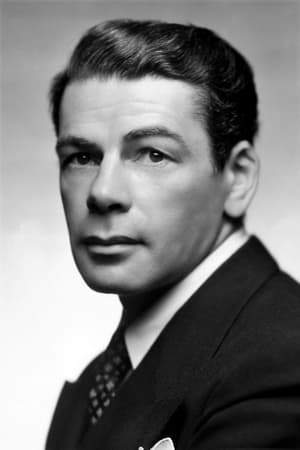
Benito Pablo Juárez
Played by Paul Muni
Juárez is the liberal president who champions democracy and self-rule, steadfast in his refusal to compromise Mexican sovereignty for imperial expedience, leading the resistance against Maximilian.
- 🗽 Democracy
- 🛡️ Resistance
- 🧭 Principles
-
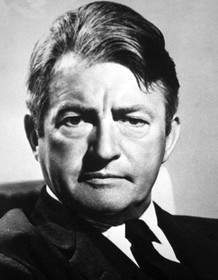
Napoleon III
Played by Claude Rains
Emperor Louis Napoleon III of France orchestrates the intervention to install Maximilian, aiming to extend French influence, but ultimately withdraws under U.S. pressure and strategic recalculations.
- 🗺️ Foreign intervention
- 🕊️ Diplomacy
- AU
Alejandro Uradi
Played by Joseph Calleia
Juárez's ally who shifts the balance by seizing American ammunition, undermining U.S. support for Juárez's rivals and shaping the outcome of the conflict.
- 🤝 Political actor
- 🗺️ Strategic moves
- 🕵️♂️ Subterfuge
Where and When Is Juarez Set?
Juarez is set in Mexico (1860s). Here is why the time and place matter to the story.
When
1860s
The narrative occurs in the mid-1860s, during Maximilian's imperial experiment after the American Civil War. It centers on the balance of foreign support and Mexican resistance, and the political choices that shape the era. The period culminates with evacuation and the downfall of the imperial regime.
Where
Mexico
Set in 1860s Mexico, the story unfolds amid French-backed attempts to crown a European-style empire. The capital and surrounding countryside become stages for court intrigue, land policies, and the clash between liberal reforms and imperial rule. Foreign intervention, domestic rebellion, and a fight for national sovereignty define the setting.
- 🏛️ Mexico
- 🎭 Historical drama
- ⚖️ Political conflict
What Are the Themes of Juarez?
3 ideas the story keeps returning to, among them Empire, Democracy and Conflict.
-
01
Empire
Maximilian's attempt to establish a European-style monarchy in Mexico highlights how empires rely on foreign backing, court politics, and contested legitimacy.
-
02
Democracy
Juárez embodies the push for democratic self-rule, resisting concessions to imperial authority and fighting for a government chosen by the Mexican people.
-
03
Conflict
The clash between liberal resistance and imperial forces drives military campaigns and political recalibrations, revealing how power struggles reshape a nation.
What Kind of Film Is Juarez?
Tense in tone, with steady pacing and a moderate story, going by the plot summary.
- Tone
- Tense
- Pacing
- Steady
- Story
- Moderate
- Intensity
- High
- Ending
- Bleak
A tense and somber historical epic portraying the grim political conflict of foreign occupation, leading to tragic downfalls and a heavy sense of betrayal.
- political tension
- tragic downfall
- oppressive
- grim
- fateful
- melancholic
- political conflict
- foreign occupation
- leadership crisis
- marriage under pressure
Content notes: war violence, execution by firing squad, mental breakdown, political betrayal.