What Is Viva Zapata! About?
The premise of Viva Zapata! in 273 words, with nothing given away. The full story follows below.
Set against the sweeping landscapes of early 20th-century Mexico, Viva Zapata! explores a nation on the brink of profound transformation. Under the long-standing rule of President Porfirio Díaz, the country simmers with unrest as the peasant class endures systemic injustice while the elite consolidate their power. The film captures the gritty atmosphere of this era, where the promise of land reform is nothing more than a distant dream for the campesinos who work the soil but own none of it.
Into this volatile landscape steps Emiliano Zapata, a daring figure portrayed by Marlon Brando, who embodies the hopes of the oppressed. He begins as a man of the people, deeply connected to his roots, but finds himself thrust into the role of a folk hero. Joined by his brother Eufemio, played by Anthony Quinn, Zapata navigates the rugged terrain of rebellion, rallying the peasants against a regime that refuses to yield to the demands of the people. The dynamic between the two brothers offers a grounded perspective on the revolution, contrasting raw passion with the burdens of leadership.
As the struggle escalates, the story delves into the complexities of power, exploring the tension between personal gain and the greater good. Zapata’s journey is framed not just as a military campaign, but as a moral odyssey, testing his resolve as he faces the corrupting influence of authority and the shifting sands of political alliances. The narrative weaves a tale of integrity and resistance, capturing the mood of a country fighting to find its own voice amidst the chaos of change and the enduring myth of a man who dared to ride against the tide.
What Happens in Viva Zapata!?
The complete story of Viva Zapata!, from the first scene to the last, in 300 words (about 1 minute). Spoilers throughout. Names in the text link to 6 cast member pages.
Spoilers ahead
Emiliano Zapata Marlon Brando is part of a delegation sent to complain about injustices to corrupt longtime president Porfirio Díaz Fay Roope, but Díaz dismisses their concerns, driving Zapata to open rebellion, along with his brother Eufemio Zapata Anthony Quinn. He unites with Pancho Villa Alan Reed under the leadership of naive reformer Francisco Madero Harold Gordon.
Díaz is toppled and Madero takes his place, but Zapata is dismayed to find that nothing is changing. Madero offers Zapata land of his own while failing to take action to distribute land to the campesinos who fought to end the dictatorship and break up the estates of the elites, and Zapata rejects the offer, seeking no personal gain. Meanwhile, the ineffectual but well-meaning Madero places his trust in treacherous general Victoriano Huerta Frank Silvera.
Huerta first takes Madero captive and then has him murdered.
As it becomes clear that each new regime is no less corrupt and self-serving than the one it replaced, Zapata remains guided by his desire to return to the peasants their recently robbed lands while forsaking his personal interests. His brother sets himself up as a petty dictator, taking what he wants without regard for the law, but Zapata remains a rebel leader of high integrity.
Although he is able to defeat Huerta after Madero’s assassination, as a result of his integrity, Zapata loses his brother and his position.
Although in the end Zapata himself is lured into an ambush and killed, the film suggests that the resistance of the campesinos does not end. Rumors begin that Zapata never died, but is instead continuing to fight from the hills, feeding the campesinos a sense of hope. As several scenes suggest, over the years, the campesinos have learned to lead themselves rather than looking to others to lead them.
Viva Zapata! Timeline: Every Key Event in Order
11 key events in the order they happen, from “Delegation to Díaz ignites Zapata's rebellion” to “Campesino self-rule endures; resistance continues”. Every event takes place in Mexico.
- 1
Delegation to Díaz ignites Zapata's rebellion
Zapata is part of a delegation sent to complain about injustices to corrupt president Porfirio Díaz. Díaz dismisses their grievances, provoking Zapata to pursue rebellion. He joins with his brother Eufemio and aligns with Pancho Villa under the reformist Francisco Madero.
Where:Mexico
- 2
Díaz toppled; Madero rises, Zapata dismayed
Díaz is toppled and Madero takes his place. Zapata is dismayed to find that nothing meaningful changes for the peasants under the new regime.
Where:Mexico
- 3
Madero offers land to Zapata; reform seems ephemeral
With Madero in power, he offers Zapata land of his own as a concession. Zapata remains hopeful, but the broader program to distribute land to campesinos never materializes.
Where:Mexico
- 4
Zapata rejects personal gain, pursues peasant land rights
Zapata rejects the land offer, making clear he seeks no personal gain. He remains focused on returning land to the peasants rather than enriching himself or his circle.
Where:Mexico
- 5
Madero trusts Huerta; treachery begins
Madero places trust in general Victoriano Huerta, a choice that proves disastrous. Huerta's loyalty is treacherous, signaling the coming betrayal of the revolution.
Where:Mexico
- 6
Huerta captures Madero and has him murdered
Huerta first seizes Madero and then orders his murder, plunging the country into new chaos. The betrayal poisons the reform movement and deepens Zapata's resolve.
Where:Mexico
- 7
Regimes fail to reform; Zapata stays focused on land
As each new regime proves no less corrupt, Zapata remains guided by the goal of returning lands to the peasants. He forsakes personal power in favor of a just cause.
Where:Mexico
- 8
Eufemio's dictatorship contrasts with Zapata's integrity
Zapata's brother Eufemio consolidates power as a petty dictator, taking what he wants without regard for the law. Despite this, Zapata continues to lead with high integrity and dedication to the people.
Where:Mexico
- 9
Zapata defeats Huerta but pays personal costs
Zapata defeats Huerta following Madero's assassination, demonstrating his military skill and steadfastness. In triumph, he loses his brother and his position, paying a personal price for his convictions.
Where:Mexico
- 10
Zapata is ambushed and killed; rumors of survival
Zapata is lured into an ambush and killed, marking a grim turn in the struggle. Rumors persist that he never truly died and continues to fight from the hills, feeding the campesinos with hope.
Where:Mexico
- 11
Campesino self-rule endures; resistance continues
Even after Zapata's death, the film suggests the campesino resistance endures. Over the years, they learn to lead themselves rather than depend on external leaders to guide them.
Where:Mexico
Who Are the Main Characters in Viva Zapata!?
5 characters, among them Emiliano Zapata (Marlon Brando), Eufemio Zapata (Anthony Quinn) and Pancho Villa (Alan Reed): who each one is and the part they play in the story. Every profile links to the actor’s page.
-
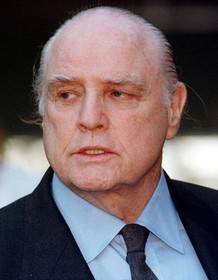
Emiliano Zapata (Marlon Brando)
Played by Marlon Brando
A principled rebel who champions agrarian reform, Zapata unites the peasantry in the fight against Diaz's dictatorship. His steadfast resolve tests him through sacrifice and betrayal, making him the moral center of the uprising.
- ⚔️ Rebel
- 🌾 Leader
- 🧭 Integrity
-
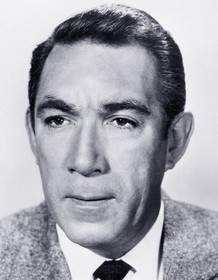
Eufemio Zapata (Anthony Quinn)
Played by Anthony Quinn
Zapata's brother, who pursues power with less regard for the reform cause. His actions contribute to internal conflict within the rebellion and serve as a foil to Zapata's unwavering principles.
- 🗡️ Betrayal
- 👥 Family
- PV
Pancho Villa (Alan Reed)
Played by Alan Reed
A key ally in the rebellion, Villa brings military skill and charisma to the joint leadership against Díaz's regime. His partnership with Zapata embodies the broader revolutionary coalition.
- ⚔️ Ally
- 🧭 Military strategy
- FM
Francisco Madero (Harold Gordon)
Played by Harold Gordon
A reformist leader who rises after Díaz's fall but fails to implement meaningful land redistribution. His cautious approach leaves Zapata and the peasants disillusioned with political promises.
- 🌱 Reformist
- ⚖️ Hopeful
- 👥 Leader
- VH
Victoriano Huerta (Frank Silvera)
Played by Frank Silvera
A treacherous general who destabilizes the revolution by seizing power and orchestrating Madero's murder. He embodies the corrupt, self-serving leadership the rebels oppose.
- 🗡️ Tyrant
- ⚖️ Oppressive regime
Where and When Is Viva Zapata! Set?
Viva Zapata! is set in Mexico (Early 1910s). Here is why the time and place matter to the story.
When
Early 1910s
Set in the first decade of the 20th century, the film follows the fall of Porfirio Díaz and the rise of reformers. It portrays the volatile political shifts, shifting loyalties, and the fierce push for land reform that defines the revolution. The period is marked by upheaval, betrayal, and the quest for lasting change.
Where
Mexico
The story unfolds across Mexico during the Mexican Revolution, presenting both countryside haciendas and urban centers. It highlights the rural poverty and social divides that sparked the uprising led by Zapata. The setting emphasizes the struggle of the campesinos for dignity, land, and self-determination.
- 🌎 Mexico
- 🏞️ Rural landscapes
What Are the Themes of Viva Zapata!?
3 ideas the story keeps returning to, among them Land Reform, Integrity and Revolution and Leadership.
-
01
Land Reform
Zapata fights to restore land to the campesinos who tilled it for generations. The film centers on the promise and failure of land redistribution under changing regimes, highlighting the gap between political rhetoric and real reform. It shows how the peasants’ plight remains the driving force of the movement, even as elites resist change.
-
02
Integrity
Zapata is depicted as a principled leader who refuses personal gain at the cost of his cause. His integrity contrasts with opportunistic peers, including family members who pursue power for themselves. The narrative links moral steadfastness to the legitimacy and resilience of the rebellion.
-
03
Revolution and Leadership
The alliance between Zapata and Pancho Villa against a corrupt regime highlights the complexities of revolutionary leadership. The movement emphasizes collective action and the people’s role in driving change, rather than relying on a single savior. It also foreshadows a lasting struggle as the campesinos prepare to lead themselves.
What Kind of Film Is Viva Zapata!?
Tense in tone, with steady pacing and a moderate story, going by the plot summary.
- Tone
- Tense
- Pacing
- Steady
- Story
- Moderate
- Intensity
- High
- Ending
- Bittersweet
A tense and gritty historical epic that follows a revolutionary's doomed fight against systemic corruption, building a tragic narrative of disillusionment amidst defiant hope.
- tense
- gritty
- oppressive
- hopeful
- tragic
- uprising
- political revolution
- idealism vs corruption
- betrayal
- sacrifice
Content notes: assassination, war violence, political execution, ambush, death of a sibling.