

What Is It’s Always Fair Weather About?
The premise of It’s Always Fair Weather in 286 words, with nothing given away. The full story follows below.
In the bustling aftermath of World II, three inseparable comrades—Ted Riley, Doug Hallerton, and Angie Valentine—share a night of celebration that turns into a pact of forever. Sitting in a beloved New York tavern, they tear a dollar bill into three pieces, each fragment bearing a future date, and vow to reconvene a decade later in the very same spot. Their promise carries the buoyant optimism of a generation that has just survived the unthinkable, setting the tone for a story that blends nostalgic camaraderie with the glitter of a grand musical landscape.
The years that follow whisk the trio onto very different stages. Ted finds himself drawn to the flash and danger of the boxing world, navigating its glittering lights and shadowed corners. Doug trades the open horizons of wartime adventure for the fast‑paced, pressure‑cooked realm of advertising, where creativity collides with corporate ambition. Angie swaps battlefield bravado for the humble rhythm of a small kitchen, striving to keep a culinary dream alive amid everyday responsibilities. Each path reflects a distinct post‑war American dream, and the film’s choreography and score echo the contrast between their individual aspirations and the lingering echo of their shared past.
When the appointed day arrives, the promise made in smoky laughter is tested by the quiet distance that time has carved. The reunion promises both joyous melodies and subtle tension, as the friends confront the ways their lives have diverged while still feeling the pull of the bond that once seemed unbreakable. The movie swirls with lavish numbers, tender moments, and an overarching sense that true friendship may be reshaped, but its core resonance endures, inviting audiences to wonder how love, ambition, and memory can coexist on the same stage.
What Happens in It’s Always Fair Weather?
The complete story of It’s Always Fair Weather, from the first scene to the last, in 1,001 words (about 4 minutes). Spoilers throughout.
Spoilers ahead
Three ex-G.I.s, Ted Riley [Gene Kelly], Doug Hallerton [Dan Dailey], and Angie Valentine [Michael Kidd], who fought side by side in World War II and formed a deep, lifelong bond, narrate a story of friendship tested by time. In October 1945, the trio gathers at their favorite New York bar, Tim’s Bar & Grill, just as they’re about to be discharged. Ted receives a Dear John letter from his girlfriend, who has married another man, and his two friends rally around him, joining in a spirited—if reckless—tour of every other bar in town. They whirl through the streets in a drunken celebration they nickname The Binge, eventually returning to the warmth of Tim’s. The bartender, Tim, looks on with hesitation, doubting whether their fierce promises of eternal friendship can withstand the hardening years ahead, and he wagers that their bond will fray. Nonetheless, the three men insist they’ll remain inseparable, tearing a dollar bill into three pieces and inscribing the date October 11, 1955 on each fragment as a vow to reunite a decade later in the same spot.
Over the next decade, life diverges for each man, revealing how differently postwar dreams can take shape. Ted Riley [Gene Kelly] pursues the flashier world of boxing, becoming a fight promoter and gambler who moves in circles shadowed by risk and corruption. His romantic ideals are tempered by the gritty realities of his environment, and he finds himself entangled with men who operate in the shadows of the sport he loves. Doug Hallerton [Dan Dailey], who once hoped to paint in Europe, instead dives into the pressurized, high-stakes realm of Chicago advertising. The pace and pressure strain his marriage and test his sense of purpose. Angie Valentine [Michael Kidd], who once dreamed of becoming a gourmet chef, ends up running a hamburger stand in Schenectady, New York—The Cordon Bleu—where he balances business with family life and tries to keep alive a culinary passion that once burned brightly. Each man walks a path that reflects ambition, compromise, and the quiet ache of what could have been.
When the ten-year mark arrives, the reunion proves prickly more than consoling. They sit together in a fancy restaurant, only to discover that the bond that once felt unbreakable now feels awkward and strained. The gulf between them is voiced in unspoken judgments: Ted and Angie see Doug as a snob, Doug views Ted as a punk, and Ted and Angie regard Doug as overly uptight. The trio’s discomfort is punctuated by a personal catharsis as they quietly perform a shared moment of regret in the number I Shouldn’t Have Come, a slow, melancholy moment set to the waltz-like rhythm of The Blue Danube. The scene highlights how time can erode camaraderie even when memories remain intact.
Back in the broader orbit of the advertising world, they encounter colleagues from Doug’s agency, including Jackie Leighton [Cyd Charisse], a bright, alluring advertising executive who embodies a polished confidence and quick wit. Jackie becomes a catalyst for the group’s new dynamic when she conceives a plan to reunite them on a television program hosted by Madeline Bradville [Dolores Gray]. The collaboration is electric: Jackie’s savvy, Ted’s charisma, and the possibility of televised anointment breathe new life into an old camaraderie, and Ted gradually finds himself drawn to Jackie as he navigates the evolving landscape of fame and sport. Jackie’s presence also ignites the gym scenes, where she demonstrates boxing prowess and flirts with the world of beefy boxers in a lively sequence set to the playful energy of Baby You Knock Me Out.
Amid the glamour and potential romance, trouble looms for Ted in the form of mobsters who want the fixed outcomes they’ve long exploited. Refusing to participate in any crooked bout, Ted finds himself in danger, narrowly escaping the mob’s clutches by sprinting into a roller skating rink and skating through the bustling streets of Manhattan. In these moments of peril and exhilaration, Ted discovers a renewed sense of self-worth, a self-affirmation that radiates outward and fuels his return to the stage of life with a bit more courage, captured in the number I Like Myself.
Doug’s arc leans toward a quieter, more skeptical critique of corporate life. The tension between authenticity and professionalism weighs on him, complicating his relationships and testing the old bond with his friends. Angie, meanwhile, balances his family responsibilities with a rekindled ambition that still glows with the essence of his earlier dream—the culinary art that once defined him, reimagined within the realities of a bustling urban life.
The TV reunion finally comes to pass, and the three men—still with their old war-brother energy but now seasoned by failure and resilience—face a dangerous interruption: the gangsters close in, intent on silencing Ted. What follows is a chaotic, high-energy confrontation inside the studio where the trio must rely on their wits, teamwork, and street-smarts to outsmart the criminals. In a daring turn, they turn the fight into a televised confession, revealing the gangster boss’s wrongdoing in front of a live audience. The danger subsides as the police arrive, and the trio escapes, their bond momentarily proven to be as enduring as ever.
Back at Tim’s Bar & Grill, the men reexamine the dollar fragments they tore apart a decade earlier and choose to use the remnants to settle their last round of drinks, a symbolic gesture that cements the end of a chapter even as the friendship lingers in memory. Jackie returns to the room and shares a kiss with Ted, a quiet moment that hints at new possibilities while also acknowledging the distance that time has carved between their pasts. As the night draws to a close, the three old friends part ways once more, with no concrete plans for a future reunion, letting their individual lives move forward. The closing number, The Time for Parting, emphasizes the bittersweet truth that some songs end even when their melodies remain inside us, leaving behind a legacy of friendship tempered by experience and time.
It’s Always Fair Weather Timeline: Every Key Event in Order
13 key events in the order they happen, from “Vow at Tim's Bar” to “Parting Ways”. 13 events name a place, across 12 locations.
- 1
Vow at Tim's Bar
Ted Riley, Doug Hallerton, and Angie Valentine reunite at Tim's Bar & Grill after Ted receives a Dear John letter. They toast their friendship and tear a dollar into three pieces, each inscribing October 11, 1955 as their pledge to reunite. This pledge becomes the through-line of the film, anchoring the characters' futures.
When:October 1945 Where:Tim's Bar & Grill, New York City
- 2
Ted's Postwar Life
In the decade after World War II, Ted chases a career as a fight promoter and gambler, drifting into underworld circles. He trades idealism for pragmatism as he navigates crooked deals and violent associates. The rift between Ted and his friends widens as their paths diverge.
When:Late 1940s–1955 Where:New York City
- 3
Doug's Corporate Shift
Doug moves from his painter ambitions to a high-stress advertising career in Chicago. His marriage deteriorates under the strain of long hours and ambition, leaving him feeling increasingly detached. He becomes more focused on status and success than on camaraderie.
When:Late 1940s–1955 Where:Chicago
- 4
Angie's Culinary Life
Angie pursues practicality over passion, running The Cordon Bleu hamburger stand in Schenectady with a wife and several children. He values steady earnings and family stability, mapping a contrasting life to the one he dreamed of. His dream of being a gourmet chef gives way to a more ordinary, secure path.
When:Late 1940s–1955 Where:Schenectady, New York
- 5
Reunion at a Fine Restaurant
The three men reunite in an expensive New York restaurant on October 11, 1955. Their initial excitement gives way to discomfort as they realize they no longer share common interests or values. The scene paves the way for the evening's tensions to surface.
When:October 11, 1955 Where:New York City restaurant
- 6
The I Shouldn't Have Come Moment
Seated together, they mutter regret and alienation, aware they have grown apart. The moment is underscored by the musical number 'I Shouldn't Have Come' sung to The Blue Danube, highlighting the gulf between their younger selves and present realities. It crystallizes the distance that has grown since the war.
When:October 11, 1955 Where:New York restaurant
- 7
Jackie Leighton Enters
Jackie Leighton, a brilliant advertising executive, enters the scene and suggests reuniting the trio on a television program hosted by Madeline Bradville. She recognizes the potential of the unlikely reunion to boost her own show and advances her plan accordingly. Her appearance shifts the stakes from personal reconciliation to public spectacle.
When:October 1955 Where:New York advertising world; restaurant
- 8
Stillman's Gym Demonstration
Jackie accompanies Ted to Stillman’s Gym, where she showcases boxing knowledge and flirts with boxers while the tune 'Baby You Knock Me Out' plays. The scene blends professional interest with personal chemistry, deepening Ted's sense of belonging. It marks Ted's growing entanglement with Jackie and the show's potential.
When:October 1955 Where:Stillman's Gym, New York City
- 9
The Mobsters Target Ted
Ted refuses to fix a fight, incurring the ire of mobsters who want him under their control. He escapes by fleeing into a roller-skating rink, then skates through Manhattan, discovering a renewed sense of self as he regains his confidence. The ordeal foreshadows the public confrontation to come.
When:October 1955 Where:Manhattan, including a roller-skating rink
- 10
TV Reunion Arranged
Despite their misgivings, the three ex-soldiers are persuaded to appear on the televised reunion. The mobsters track Ted into the studio, threatening the live broadcast and testing their resolve to reconnect on screen. The tension builds toward a public reckoning.
When:October 1955 Where:Television studio, New York City
Show the other 3 events of It’s Always Fair Weather Hide the last 3 events
- 11
Live Brawl and Confession
The trio fights the gangsters on live television, turning the confrontation into a cathartic victory. They trick the head mobster into confessing on air, exposing the criminals and strengthening their bond as friends. The broadcast becomes a turning point in their relationship.
When:October 1955 Where:TV studio
- 12
Return to Tim's Bar
The trio escapes the studio and returns to Tim's Bar & Grill, a nod to their original pledge. Doug reconciles with his wife, and the three friends pay for their final drinks, using the torn dollar as the ceremonial reminder of their vow. They reflect on how far they’ve come and what they’ve left behind.
When:October 1955 Where:Tim's Bar & Grill
- 13
Parting Ways
Jackie arrives, kisses Ted, and the three friends part ways for good, without promising another reunion. The moment marks a bittersweet end to their wartime camaraderie, preserving memories while recognizing divergent futures.
When:October 1955 Where:Tim's Bar & Grill
Who Are the Main Characters in It’s Always Fair Weather?
5 characters, among them Ted Riley (Gene Kelly), Doug Hallerton (Dan Dailey) and Angie Valentine (Michael Kidd): who each one is and the part they play in the story. Every profile links to the actor’s page.
-
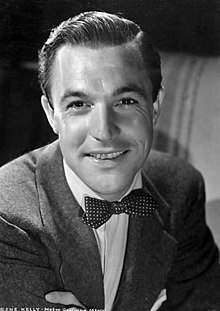
Ted Riley (Gene Kelly)
Played by Gene Kelly
Ted is the group’s charismatic but conflicted veteran who transforms into a fight promoter and gambler. He wrestles with self-esteem and legitimacy, and his pride clashes with the mob’s influence. His evolving relationship with Jackie helps him regain confidence, culminating in a kiss that hints at a transformed sense of self.
- 🤝 Loyal
- 🥊 Risk-taker
- 🔹 Charismatic
- DH
Doug Hallerton (Dan Dailey)
Played by Dan Dailey
Doug planned to be a European painter but ends up in a stressful advertising career in Chicago. His marriage suffers as he becomes more practical and career-focused, revealing a tension between artistic dreams and commercial success.
- 🎨 Creative
- 💼 Professional
- 💔 Troubled marriage
- AV
Angie Valentine (Michael Kidd)
Played by Michael Kidd
Angie dreams of culinary mastery but runs a hamburger stand with a big heart and a growing family. He embodies the pragmatic survivor who keeps a sense of humor, balancing ambition with family life.
- 🍽️ Chef
- 👨👩👧 Family man
- 🧭 Practical
- JL
Jackie Leighton (Cyd Charisse)
Played by Cyd Charisse
An attractive, sharp advertising executive who engineers the reunion and becomes involved with Ted. She embodies brains and allure, driving the pair’s romance and the show-business angle of the story.
- 💡 Smart
- 💃 Alluring
- 🧠 Professional
- MB
Madeline Bradville (Dolores Gray)
Played by Dolores Gray
A glamorous TV show host who helps orchestrate the reunion on live television. She represents the media era’s power to shape public perception and influence the group’s fate.
- 🎤 Media
- 🎬 Showbiz
- 🗣️ Host
Where and When Is It’s Always Fair Weather Set?
It’s Always Fair Weather is set in New York City, Tim's Bar & Grill and Manhattan (1945-1955). Here is why the time and place matter to the story.
When
1945-1955
The story begins in October 1945 as WWII veterans return home. A ten-year vow leads to a 1955 reunion, marking a shift from wartime camaraderie to peacetime careers, romance, and media fame. The period spans late 1940s to mid-1950s, highlighting changes in entertainment (gyms, theater, television) and the challenges of reinvention.
Where
New York City, Tim's Bar & Grill, Manhattan
The film is set primarily in New York City, centering on Tim's Bar & Grill where the veterans reunite after World War II. It showcases urban nightlife, boxing gyms, and television studios that capture midcentury American culture. The New York setting anchors the contrast between friendship, ambition, and disillusionment as the characters navigate postwar life.
- 🗽 New York City setting
- 🎭 Musical vibe
- 🕰 Postwar era
What Are the Themes of It’s Always Fair Weather?
3 ideas the story keeps returning to, among them Friendship, Disillusionment and Identity.
-
01
Friendship
Three ex-GIs pledge eternal friendship but discover that time changes people. The decade between wars strains their bonds, revealing how shared history clashes with personal growth. The live reunion tests loyalty, yet the trio ultimately seeks a path that honors their past while moving forward.
-
02
Disillusionment
Postwar dreams collide with reality as each man pursues a different, less ideal path: Ted promoters boxing and gambling, Doug in high-stress advertising, and Angie running a family hamburger stand. The film probes how ambition can erode friendships and force tough choices. Moments of success are tempered by regret and a longing for simpler values.
-
03
Identity
The characters search for meaning beyond their wartime identities. Roller-skating and showbiz scenes symbolize renewed self-confidence and reinvention. The reunion ultimately forces them to confront who they are, not who they dreamed of becoming, before choosing their own separate futures.
What Kind of Film Is It’s Always Fair Weather?
Bittersweet in tone, with steady pacing and a straightforward story, going by the plot summary.
- Tone
- Bittersweet
- Pacing
- Steady
- Story
- Straightforward
- Intensity
- Medium
- Ending
- Bittersweet
A bittersweet and nostalgic musical that balances energetic song-and-dance numbers with a reflective, poignant story about friendship, the passage of time, and the compromises of adult life.
- nostalgic
- reflective
- melancholic
- bittersweet
- uplifting
- hopeful
- friendship
- post-war life
- reunion
- compromise
Quiz
How well do you remember It’s Always Fair Weather? Test yourself on the story.


