
Lovely to Look At 1952

Directed by
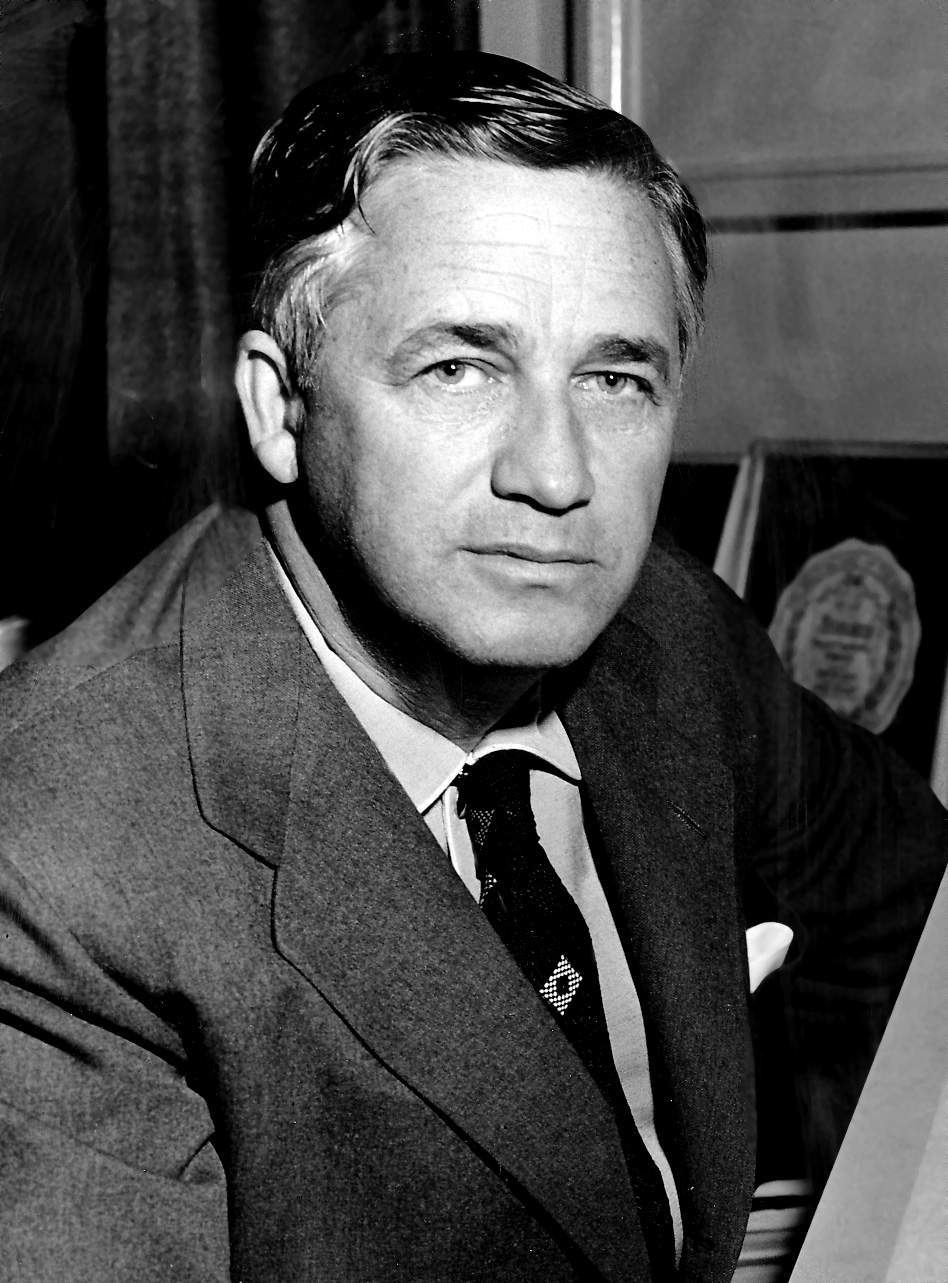
Mervyn LeRoy
Made by

Metro-Goldwyn-Mayer
Lovely to Look At Plot Summary
Read the complete plot summary and ending explained for Lovely to Look At (1952). From turning points to emotional moments, uncover what really happened and why it matters.
Broadway producers Al Marsh, Tony Naylor, and Jerry Ralby are scrambling to secure investors for their brand-new show, facing countless rejections as executives doubt their viability and their startup funds remain painfully slim. The trio keeps the dream alive through sheer optimism, chasing any lead that might keep their theatrical venture afloat.
Backstage in Bubbles Cassidy’s dressing room, Al—whose real family name is Wodzscyngkic—receives a letter from Paris announcing that his Aunt Roberta has died and left him half of her dress salon business. With little choice but to gamble, the producers jet to Paris to try and sell Al’s share, hoping a windfall might jump-start their project.
In the Paris shop, Al meets two sisters, Stephanie and Clarisse, whom Roberta adopted and who now own the other half of the business. Downstairs, Tony learns the shop is in severe debt, a grim revelation that cools the initial spark of possibility. The group leaves discouraged but a new, ambitious idea begins to take shape: expand the fashion business into a lavish nightclub featuring fashion shows. Al hesitates to propose the nightclub plan to [Stephanie], sensing she would disapprove, while Jerry returns to the shop and, drawn to [Clarisse], suggests glamorizing her designs to lure bigger crowds. Tony, too, weighs the option with [Stephanie] in her office, but she declines, fearing creditors won’t approve any risky new venture. During a creditors’ meeting, Tony unexpectedly walks in and demands that they finance the nightclub, signaling a shift from mere restoration to bold reinvention.
Shortly after, Bubbles arrives and rekindles her relationship with Tony, a development that stings [Stephanie], who has quietly fallen in love with him. At the nightclub, the three couples—along with Zsa Zsa and her friend Max Fogelsby—toast champagne and celebrate the budding idea. Tony and [Stephanie] share a dance, an moment that infuriates Bubbles. Before long, Bubbles leaves with Al, and a spark appears between them as he is drawn to her again. Meanwhile, [Stephanie] leaves with Tony in a hansom cab, their kiss lasting until she passes out from exhaustion and drink. The two are left to wake up to the reality of their feelings, while Jerry and [Clarisse] discover their own mutual attraction as they dance together, recognizing a shared chemistry that could power the new venture.
The next morning, Tony arrives to find [Stephanie] hungover and memoryfully blurred about the prior night, yet the couple reconciles when he reminds her of their kiss and admits their love. Sometime later, the men stage a comedy routine performed by Al to entice investors. The act succeeds, and [Max Fogelsby] offers to finance the Broadway show in New York, a prospect that excites Tony but leaves [Stephanie] wary. Tony wrestles with loyalty to his friends and his own ambition, and he returns to New York with a heavy conscience, briefly stepping back from the project as the show stalls.
Recognizing Tony’s inner conflict, Max understands his feelings and sends him back to Paris to help shepherd the fashion finale to its conclusion. Tony apologizes to his friends and pitches in to get the finale ready for a late-night premiere. Through hard work and a sustained push, the finale proves a success, weaving together powerful performances and bold fashion on stage. In the climactic moments, Tony and [Stephanie] dance together—a moment of reunion and promise—while [Clarisse] and Jerry find their own harmony on the floor, and [Al Marsh] and Bubbles share a renewed, affectionate spark as the show closes on a triumphant note.
Lovely to Look At Timeline
Follow the complete movie timeline of Lovely to Look At (1952) with every major event in chronological order. Great for understanding complex plots and story progression.
Aunt's bequest prompts Paris trip
Backstage dressing room, New York: Al receives a letter from Paris announcing his aunt Roberta's death and that he has inherited half of her dress salon business. With their own funds, the Broadway producers decide to travel to Paris to try to sell Al's share.
Arrival in Paris and debt revelation
In Paris, Al meets Stephanie and Clarisse, Roberta's adopted sisters who own the other half of the dress shop. They discover the shop is in severe debt, forcing them to reassess their plans and ambitions.
Plan to expand via a nightclub
Debt burdens the shop, and the group decides to expand with a lavish nightclub featuring fashion shows. Al hesitates to propose the idea to Stephanie, knowing she would disapprove.
Creditors' meeting and demand
During a creditors' meeting, Tony marches in and demands they finance the nightclub project. The creditors remain unmoved, escalating the group's sense of urgency and tension.
Bubbles re-enters Tony's life
Shortly after, Bubbles arrives and resumes her relationship with Tony, which disappoints Stephanie. The love triangle complicates the group's dynamics as rival affections surface.
Nightclub opening and romantic tensions
At the lavish nightclub, the three couples and Zsa Zsa's friend Max celebrate with champagne, heightening romantic tension. Tony and Stephanie dance together, provoking Bubbles' jealousy, who leaves with Al in a taxi; Stephanie kisses Tony in a hansom cab and then passes out. Meanwhile, Jerry and Clarisse realize their mutual attraction.
Morning after: love acknowledged
The next morning, Tony arrives to find Stephanie hung over and unable to recall what happened. He reminds her of their kiss and they openly acknowledge their love.
Comedy routine attracts investment
Sometime later, the men invite investors to a comedy routine performed by Al, which succeeds in winning interest. Max Fogelsby offers to finance the Broadway show in New York, leaving Tony torn between his friends and his new romance.
Tony returns to New York and withdraws
Tony returns to New York but feels guilty for betraying his friends and withdraws from producing the show. Max understands his conflict and sends him back to Paris to help finish the fashion show finale.
Apology and finale preparations
Back in Paris, Tony apologizes to his friends and commits to helping finalize the finale. He helps assemble the final preparations to bring the show to life that night.
Finale night: triumphant performances
The finale proves successful, with Tony and Stephanie dancing together, Clarisse and Jerry dancing, and Al and Bubbles sharing a moment as the show closes. The room celebrates a triumphant ending despite the tensions that led there.
Lovely to Look At Characters
Explore all characters from Lovely to Look At (1952). Get detailed profiles with their roles, arcs, and key relationships explained.
Tony Naylor (Howard Keel)
A determined Broadway producer who pushes for a glamorous show, even as debts loom. He is charming and ambitious, yet torn between his friends and his growing love for Stephanie. His willingness to take risks drives the plot, while his loyalty to the group keeps the team together in the end.
Stephanie (Kathryn Grayson)
A strong-willed producer who doubts naive glamor can fix financial trouble. She develops a deep bond with Tony, balancing professional skepticism with personal affection. She ultimately embraces love as part of the journey to a successful finale.
Bubbles Cassidy (Ann Miller)
A glamorous showgirl entangled in a love triangle, she vies for Tony’s attention while clinging to the spotlight. Her relationship with Tony triggers jealousy and sparks of conflict, but she also demonstrates resilience in pursuing success.
Al Marsh (Red Skelton)
A witty, entertaining figure whose comic timing hides a practical, money-minded side. He wields humor to win investor support and navigates the shifting loyalties within the group.
Jerry Ralby (Gower Champion)
A charming partner who supports glamour and spectacle, and who is drawn to Clarisse. He acts as a catalyst for the romantic and professional entanglements, pushing for a stylish and marketable production.
Clarisse (Marge Champion)
Co-owner of the dress shop and sister-figure in Roberta’s world, she embodies fashion and allure. Her budding attraction to Jerry adds a layer of romance to the fashion-focused plot.
Zsa Zsa (Zsa Zsa Gabor)
A socialite who moves through glamorous circles, aiding or complicating the investors’ efforts with her network and flair. Her presence highlights the social side of the showbiz world.
Max Fogelsby (Kurt Kasznar)
A wealthy investor who becomes a pivotal figure in financing the Broadway venture. His involvement elevates the stakes and tempts Tony toward choices that could redefine the project.
Pierre (Marcel Dalio)
Part of Roberta’s dress salon circle in Paris, he brings a European fashion sense and business savvy to the shop’s fate. His involvement anchors the Paris fashion world within the film’s plot.
Diane Cassidy (Diane Cassidy)
A character in the backstage and social circles who contributes to the dynamics of friendship and loyalty surrounding the main cast. Her presence helps connect different social spheres within the story.
Lovely to Look At Settings
Learn where and when Lovely to Look At (1952) takes place. Explore the film’s settings, era, and how they shape the narrative.
Location
Paris, New York
The story moves between Paris, the cradle of haute couture, and New York, the bustling hub of Broadway ambition. In Paris, Roberta’s dress salon and the glamorous fashion world provide the backdrop for designers and socialites. In New York, investors, producers, and the pressure to turn fashion into a stage spectacle drive the plot and the characters’ choices.
Lovely to Look At Themes
Discover the main themes in Lovely to Look At (1952). Analyze the deeper meanings, emotional layers, and social commentary behind the film.
🎭
Glamour & Ambition
Glamour and commercial ambition intersect as fashion, nightclub shows, and Broadway dreams propel the characters forward. The film contrasts stylish fashion shows with the push for financing and a successful spectacle. This tension between art and profit threads through the quest for recognition and success.
💖
Love vs Duty
A romance unfolds amid business pressures, testing loyalties among friends and lovers. Tony and Stephanie’s budding love collides with the realities of debt, investors, and the need to choose between personal happiness and professional triumph. The relationships shift as affection competes with ambition.
🤝
Loyalty & Betrayal
Friendships among the producers are strained by financial strain and competing desires. Tony’s guilt over shortchanging his partners grounds his decisions, while Max Fogelsby’s investment introduces temptation and a test of trust. The finale hinges on reuniting the group through a shared dream and mutual support.

Coming soon on iOS and Android
The Plot Explained Mobile App
From blockbusters to hidden gems — dive into movie stories anytime, anywhere. Save your favorites, discover plots faster, and never miss a twist again.
Sign up to be the first to know when we launch. Your email stays private — always.
Explore the mobile appLovely to Look At Spoiler-Free Summary
Discover the spoiler-free summary of Lovely to Look At (1952). Get a concise overview without any spoilers.
In the glittering yet unforgiving world of post‑war Broadway, three down‑on‑their‑luck producers — Al Marsh, Tony Naylor and Jerry Ralby — are clinging to a dream of launching a brand‑new musical. Their rehearsal rooms echo with a jaunty Jerome Kern score, and the Technicolor brilliance of their ambitions paints the city with both hope and desperation. Every meeting with skeptical executives feels like a tap‑dance on a tightrope, but the trio’s optimism and friendship keep the show’s heartbeat alive.
A sudden letter changes the rhythm of their lives: Al learns that a Parisian aunt has passed away, leaving him a half‑share of a fashionable dress salon. The prospect of a transatlantic windfall sends the group spiraling to the City of Light, where they encounter the salon’s current caretakers, the charismatic sisters Stephanie and Clarisse. The Parisian setting, with its breezy cafés, elegant boutiques and the promise of haute‑cuisine romance, offers a vibrant backdrop that contrasts sharply with the gritty grind of New York’s theater district.
Amidst the glitter of Parisian couture, the producers find themselves navigating new alliances and simmering attractions. The vivacious Bubbles Cassidy, a Broadway starlet whose presence prickles the air with both tension and possibility, adds another layer of sparkle to the mix. A suave American benefactor, Max Fogelsby, watches the unfolding drama with a knowing smile, hinting that the stakes may be higher than a simple investment. Together, the ensemble balances comedy, romance, and the relentless pursuit of a show that could finally bring their collective dream to life, all set to the infectious rhythm of a Kern‑crafted soundtrack that promises both laughter and longing.
Movies with Similar Twists and Themes
Uncover films that echo the narrative beats, emotional arcs, or dramatic twists of the one you're exploring. These recommendations are handpicked based on story depth, thematic resonance, and spoiler-worthy moments — perfect for fans who crave more of the same intrigue.


Featured on this page

What's After the Movie?
Not sure whether to stay after the credits? Find out!
Check out our other apps:

SAT Sphere
Build confidence for the Digital SAT.

Mori Atlas
Discover wild places worth protecting.

Luntero
Search smarter for a home in Amsterdam.

Plot Explained
Unravel movie endings and hidden clues.

Pokechamp
Dive into Pokémon data and battle logic.

Driving Theory
Get ready for your European theory test.

Movie Dust
Plan your next cinema trip with ease.

Musemap
Find art and culture as you travel.

Selkobase
Compare credentials before committing.

Local Manual
Turn an unfamiliar country into practical next steps.

Lernavi
Compare school systems before your next move.

GymRoam
Find a workout stop wherever your plans take you.
Explore Our Movie Platform
New Movie Releases (2026)
Famous Movie Actors
Top Film Production Studios
Movie Plot Summaries & Endings
Major Movie Awards & Winners
Best Concert Films & Music Documentaries
Movie Collections and Curated Lists
© 2026 What's After the Movie. All rights reserved.
Privacy Policy