It’s Always Fair Weather 1955



A grand, uplifting musical follows three World II friends who vow to reunite a decade after the war at a set place and time. When they finally meet, they discover how far apart their lives have drifted. The reunion awakens long‑cherished dreams, prompting them to reassess their choices and strive to rebuild their friendship.


Does It’s Always Fair Weather have end credit scenes?
No!
It’s Always Fair Weather does not have end credit scenes. You can leave when the credits roll.
Where to Watch It’s Always Fair Weather
See current US streaming, rental, and purchase options for It’s Always Fair Weather (1955) via JustWatch.








Meet the Full Cast and Actors of It’s Always Fair Weather
Explore the complete cast of It’s Always Fair Weather, including both lead and supporting actors. Learn who plays each character, discover their past roles and achievements, and find out what makes this ensemble cast stand out in the world of film and television.
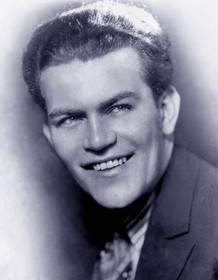
Jay C. Flippen
Charles Z. Culloran

Tito Vuolo
Silvio (uncredited)
Herb Vigran
Nashby (uncredited)
Dwight D. Eisenhower
General Eisenhower (archive footage) (uncredited)
Renata Vanni
Mother (uncredited)
Madge Blake
Mrs. Stamper (uncredited)
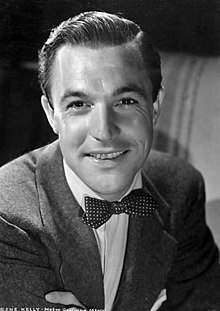
Gene Kelly
Ted Riley
Thurl Ravenscroft
Harry Wilson (voice) (uncredited)
Eugene Borden
Italian Chef (uncredited)
Cyd Charisse
Jackie Leighton
Walter Bacon
Bartender (uncredited)
Alex Gerry
Mr. Stamper (uncredited)
Almira Sessions
Longwood House Manager (uncredited)
Ralph Brooks
Nightclub Patron (uncredited)
Steve Carruthers
Nightclub Patron (uncredited)
Paul Bryar
Carl - Maitre d' (uncredited)
Colin Kenny
Father in Montage/Nightclub Extra (uncredited)
John Breen
Pedestrian (uncredited)
Tomáš Bernard
Page (uncredited)
June Foray
Little Miss Mop-Up (voice) (uncredited)
Harry S. Truman
President Harry Truman (archive footage) (uncredited)
James Gonzalez
Nightclub Patron (uncredited)
Pope Pius XII
Pope Pius XII (archive footage) (uncredited)
Betty Comden
Woman on Phone (voice) (uncredited)
Dan Dailey
Doug Hallerton
Michael Kidd
Angie Valentine
Terry Wilson
Charlie's Henchman (uncredited)
Barry Norton
Nightclub Patron (uncredited)
Carol Richards
Jackie Leighton (singing voice) (uncredited)
Leoda Richards
Nightclub Patron (uncredited)
Alex Romero
Dancer (uncredited)
Cosmo Sardo
Nightclub Patron (uncredited)
Bernard Sell
Nightclub Patron (uncredited)
Frank Nelson
Midnight with Madeleine Announcer (uncredited)
James J. Casino
Boy on Skates (uncredited)
Stuart Holmes
Street Passerby in Roller Skating Number (uncredited)
Peter Leeds
Mr. Trasker (uncredited)
Dolores Gray
Madeline Bradville
William H. O'Brien
Waiter (uncredited)
David Burns
Tim
Donald Kerr
Costume Company Manager (uncredited)
Dick Gordon
Nightclub Patron (uncredited)
Robert Haines
Nightclub Patron (uncredited)
Foster H. Phinney
Nightclub Patron (uncredited)
Jeffrey Sayre
Party Waiter (uncredited)
Al Bain
Fighter (uncredited)
Jimmie Horan
Bar Patron (uncredited)
Richard LaMarr
Bar Patron (uncredited)
Charles Morton
Bartender (uncredited)
Forbes Murray
Street Passerby in Roller Skating Number (uncredited)
Cap Somers
Bar Patron (uncredited)
Harry Wilson
Butch McSween (uncredited)
Paul Maxey
Mr. Fielding (uncredited)
Charles Sullivan
Georgie (uncredited)
Carl Sklover
Mug (uncredited)
Russell Custer
Bar Patron (uncredited)
Ralph Smiley
Waiter (uncredited)
Hal Taggart
Nightclub Patron (uncredited)
Gene Coogan
Nightclub Patron (uncredited)
Beulah Christian
Nightclub Patron (uncredited)
George Ford
Nightclub Patron (uncredited)
Herschel Graham
Nightclub Patron (uncredited)
Shep Houghton
Technician (uncredited)
Murray Pollack
Technician (uncredited)
Frank Gerstle
Mug (uncredited)
Henry Kulky
Drunk in Bar (uncredited)
Herbert Lytton
Doctor at Fight Weigh-In (uncredited)
Sol Gorss
Culloran's Thug (uncredited)
Sven Hugo Borg
Svenson - Masseur (uncredited)
John Cliff
Sergeant (uncredited)
Suzanne Ridgway
Nightclub Patron (uncredited)
Wilson Wood
Roy - TV Director (uncredited)
Sammy Shack
Manager (uncredited)
Fred Rapport
Pedestrian (uncredited)
Dick Simmons
Mr. Grigman (uncredited)
Norman Stevans
Nightclub Patron (uncredited)
Kenneth Gibson
Nightclub Patron (uncredited)
Frank Mitchell
Taxicab Driver (uncredited)
Lou Lubin
Lefty Louie - Gym Trainer (uncredited)
John Marlin
Waiter (uncredited)
Phil Arnold
Butch - Assistant at Stillman's Gym (uncredited)
Bing Conley
Manager (uncredited)
Jeri Weil
Child Dancer (uncredited)
Bert May
Dancer (uncredited)
Dick Cherney
Nightclub Patron (uncredited)
Monty O'Grady
Nightclub Patron (uncredited)
Willie Bloom
Bar Patron (uncredited)
Mike Morelli
Bar Patron (uncredited)
Dan Dowling
Nightclub Patron (uncredited)
Benny Burt
Larry - Costumer (uncredited)
John Indrisano
Charlie's Henchman (uncredited)
Duke Fishman
Mug (uncredited)
Charles Owens
Dancer (uncredited)
Johnny Kern
Mug (uncredited)
Hal March
Rocky Heldon (uncredited)
Tony Dante
Nightclub Patron (uncredited)
Luana Lee
Chorine (uncredited)
Sybil Bacon
Woman on Skates (uncredited)
Christian Pasques
Child Dancer (uncredited)
Don Crichton
Dancer (uncredited)
Marietta Elliott
Wife (uncredited)
Gerald Pierce
Page (uncredited)
Jud Conlon
Angie Valentine (singing voice) (uncredited)
Rodney Bieber
Dancing Boxer
J. Lewis Smith
Bartender (uncredited)
Ben Moselle
Mug (uncredited)
Betty Arlen
Girl (uncredited)
Jimmy Baird
Child Dancer (uncredited)
Linda Danson
Girl (uncredited)
Gary Diamond
Child Dancer (uncredited)
Bill Filippo
Fighter (uncredited)
Nancy Matthews
Child Dancer (uncredited)
Jeanne Shores
Chorine (uncredited)
Gloria Stone
Wife (uncredited)
Jack Stewart Taylor
Fighter (uncredited)
External Links and Streaming Options
Discover where to watch It’s Always Fair Weather online, including streaming platforms, rental options, and official sources. Compare reviews, ratings, and in-depth movie information across sites like IMDb, TMDb, Wikipedia or JustWatch.







Take the Ultimate It’s Always Fair Weather Movie Quiz
Challenge your knowledge of It’s Always Fair Weather with this fun and interactive movie quiz. Test yourself on key plot points, iconic characters, hidden details, and memorable moments to see how well you really know the film.
It’s Always Fair Weather Quiz: Test your knowledge of the 1955 musical comedy It’s Always Fair Weather, covering characters, plot points, and memorable moments.
Which three actors portray the three ex‑G.I. friends in the film?
Full Plot Summary and Ending Explained for It’s Always Fair Weather
Read the complete plot summary of It’s Always Fair Weather, including all major events, twists, and the full ending explained in detail. Explore key characters, themes, hidden meanings, and everything you need to understand the story from beginning to end.
Three ex-G.I.s, Ted Riley [Gene Kelly], Doug Hallerton [Dan Dailey], and Angie Valentine [Michael Kidd], who fought side by side in World War II and formed a deep, lifelong bond, narrate a story of friendship tested by time. In October 1945, the trio gathers at their favorite New York bar, Tim’s Bar & Grill, just as they’re about to be discharged. Ted receives a Dear John letter from his girlfriend, who has married another man, and his two friends rally around him, joining in a spirited—if reckless—tour of every other bar in town. They whirl through the streets in a drunken celebration they nickname The Binge, eventually returning to the warmth of Tim’s. The bartender, Tim, looks on with hesitation, doubting whether their fierce promises of eternal friendship can withstand the hardening years ahead, and he wagers that their bond will fray. Nonetheless, the three men insist they’ll remain inseparable, tearing a dollar bill into three pieces and inscribing the date October 11, 1955 on each fragment as a vow to reunite a decade later in the same spot.
Over the next decade, life diverges for each man, revealing how differently postwar dreams can take shape. Ted Riley [Gene Kelly] pursues the flashier world of boxing, becoming a fight promoter and gambler who moves in circles shadowed by risk and corruption. His romantic ideals are tempered by the gritty realities of his environment, and he finds himself entangled with men who operate in the shadows of the sport he loves. Doug Hallerton [Dan Dailey], who once hoped to paint in Europe, instead dives into the pressurized, high-stakes realm of Chicago advertising. The pace and pressure strain his marriage and test his sense of purpose. Angie Valentine [Michael Kidd], who once dreamed of becoming a gourmet chef, ends up running a hamburger stand in Schenectady, New York—The Cordon Bleu—where he balances business with family life and tries to keep alive a culinary passion that once burned brightly. Each man walks a path that reflects ambition, compromise, and the quiet ache of what could have been.
When the ten-year mark arrives, the reunion proves prickly more than consoling. They sit together in a fancy restaurant, only to discover that the bond that once felt unbreakable now feels awkward and strained. The gulf between them is voiced in unspoken judgments: Ted and Angie see Doug as a snob, Doug views Ted as a punk, and Ted and Angie regard Doug as overly uptight. The trio’s discomfort is punctuated by a personal catharsis as they quietly perform a shared moment of regret in the number I Shouldn’t Have Come, a slow, melancholy moment set to the waltz-like rhythm of The Blue Danube. The scene highlights how time can erode camaraderie even when memories remain intact.
Back in the broader orbit of the advertising world, they encounter colleagues from Doug’s agency, including Jackie Leighton [Cyd Charisse], a bright, alluring advertising executive who embodies a polished confidence and quick wit. Jackie becomes a catalyst for the group’s new dynamic when she conceives a plan to reunite them on a television program hosted by Madeline Bradville [Dolores Gray]. The collaboration is electric: Jackie’s savvy, Ted’s charisma, and the possibility of televised anointment breathe new life into an old camaraderie, and Ted gradually finds himself drawn to Jackie as he navigates the evolving landscape of fame and sport. Jackie’s presence also ignites the gym scenes, where she demonstrates boxing prowess and flirts with the world of beefy boxers in a lively sequence set to the playful energy of Baby You Knock Me Out.
Amid the glamour and potential romance, trouble looms for Ted in the form of mobsters who want the fixed outcomes they’ve long exploited. Refusing to participate in any crooked bout, Ted finds himself in danger, narrowly escaping the mob’s clutches by sprinting into a roller skating rink and skating through the bustling streets of Manhattan. In these moments of peril and exhilaration, Ted discovers a renewed sense of self-worth, a self-affirmation that radiates outward and fuels his return to the stage of life with a bit more courage, captured in the number I Like Myself.
Doug’s arc leans toward a quieter, more skeptical critique of corporate life. The tension between authenticity and professionalism weighs on him, complicating his relationships and testing the old bond with his friends. Angie, meanwhile, balances his family responsibilities with a rekindled ambition that still glows with the essence of his earlier dream—the culinary art that once defined him, reimagined within the realities of a bustling urban life.
The TV reunion finally comes to pass, and the three men—still with their old war-brother energy but now seasoned by failure and resilience—face a dangerous interruption: the gangsters close in, intent on silencing Ted. What follows is a chaotic, high-energy confrontation inside the studio where the trio must rely on their wits, teamwork, and street-smarts to outsmart the criminals. In a daring turn, they turn the fight into a televised confession, revealing the gangster boss’s wrongdoing in front of a live audience. The danger subsides as the police arrive, and the trio escapes, their bond momentarily proven to be as enduring as ever.
Back at Tim’s Bar & Grill, the men reexamine the dollar fragments they tore apart a decade earlier and choose to use the remnants to settle their last round of drinks, a symbolic gesture that cements the end of a chapter even as the friendship lingers in memory. Jackie returns to the room and shares a kiss with Ted, a quiet moment that hints at new possibilities while also acknowledging the distance that time has carved between their pasts. As the night draws to a close, the three old friends part ways once more, with no concrete plans for a future reunion, letting their individual lives move forward. The closing number, The Time for Parting, emphasizes the bittersweet truth that some songs end even when their melodies remain inside us, leaving behind a legacy of friendship tempered by experience and time.

Coming soon on iOS and Android
The Plot Explained Mobile App
From blockbusters to hidden gems — dive into movie stories anytime, anywhere. Save your favorites, discover plots faster, and never miss a twist again.
Sign up to be the first to know when we launch. Your email stays private — always.
Explore the mobile appWatch Trailers, Clips & Behind-the-Scenes for It’s Always Fair Weather
Watch official trailers, exclusive clips, cast interviews, and behind-the-scenes footage from It’s Always Fair Weather. Dive deeper into the making of the film, its standout moments, and key production insights.
Cars Featured in It’s Always Fair Weather
Explore all cars featured in It’s Always Fair Weather, including their makes, models, scenes they appear in, and their significance to the plot. A must-read for car enthusiasts and movie buffs alike.
It’s Always Fair Weather Themes and Keywords
Discover the central themes, ideas, and keywords that define the movie’s story, tone, and message. Analyze the film’s deeper meanings, genre influences, and recurring concepts.
It’s Always Fair Weather Other Names and Titles
Explore the various alternative titles, translations, and other names used for It’s Always Fair Weather across different regions and languages. Understand how the film is marketed and recognized worldwide.
Similar Movies To It’s Always Fair Weather You Should Know About
Browse a curated list of movies similar in genre, tone, characters, or story structure. Discover new titles like the one you're watching, perfect for fans of related plots, vibes, or cinematic styles.





Quick Links: Summary, Cast, Ratings, More

What's After the Movie?
Not sure whether to stay after the credits? Find out!
Check out our other apps:

SAT Sphere
Build confidence for the Digital SAT.

Mori Atlas
Discover wild places worth protecting.

Luntero
Search smarter for a home in Amsterdam.

Plot Explained
Unravel movie endings and hidden clues.

Pokechamp
Dive into Pokémon data and battle logic.

Driving Theory
Get ready for your European theory test.

Movie Dust
Plan your next cinema trip with ease.

Musemap
Find art and culture as you travel.

Selkobase
Compare credentials before committing.

Local Manual
Turn an unfamiliar country into practical next steps.

Lernavi
Compare school systems before your next move.

GymRoam
Find a workout stop wherever your plans take you.
Explore Our Movie Platform
New Movie Releases (2026)
Famous Movie Actors
Top Film Production Studios
Movie Plot Summaries & Endings
Major Movie Awards & Winners
Best Concert Films & Music Documentaries
Movie Collections and Curated Lists
© 2026 What's After the Movie. All rights reserved.
Privacy Policy