The Time of Your Life 1948


At Nick’s Pacific Street Saloon, regulars Joe and Tom cross paths with new faces. Tom, who once owed Joe his life, runs errands for him and instantly falls for Kitty, a newcomer who walks in. Meanwhile, a desperate young man repeatedly calls his girlfriend, begging her to marry him, while Nick muses on the endless stream of patrons who come in for work, company, or simply to while away the time.


Does The Time of Your Life have end credit scenes?
No!
The Time of Your Life does not have end credit scenes. You can leave when the credits roll.
Meet the Full Cast and Actors of The Time of Your Life
Explore the complete cast of The Time of Your Life, including both lead and supporting actors. Learn who plays each character, discover their past roles and achievements, and find out what makes this ensemble cast stand out in the world of film and television.
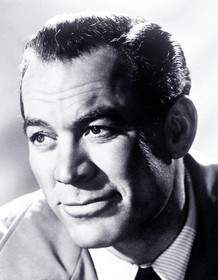
Ward Bond
McCarthy
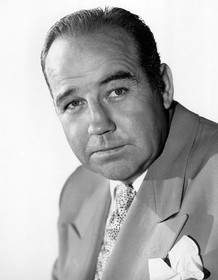
Broderick Crawford
Krupp
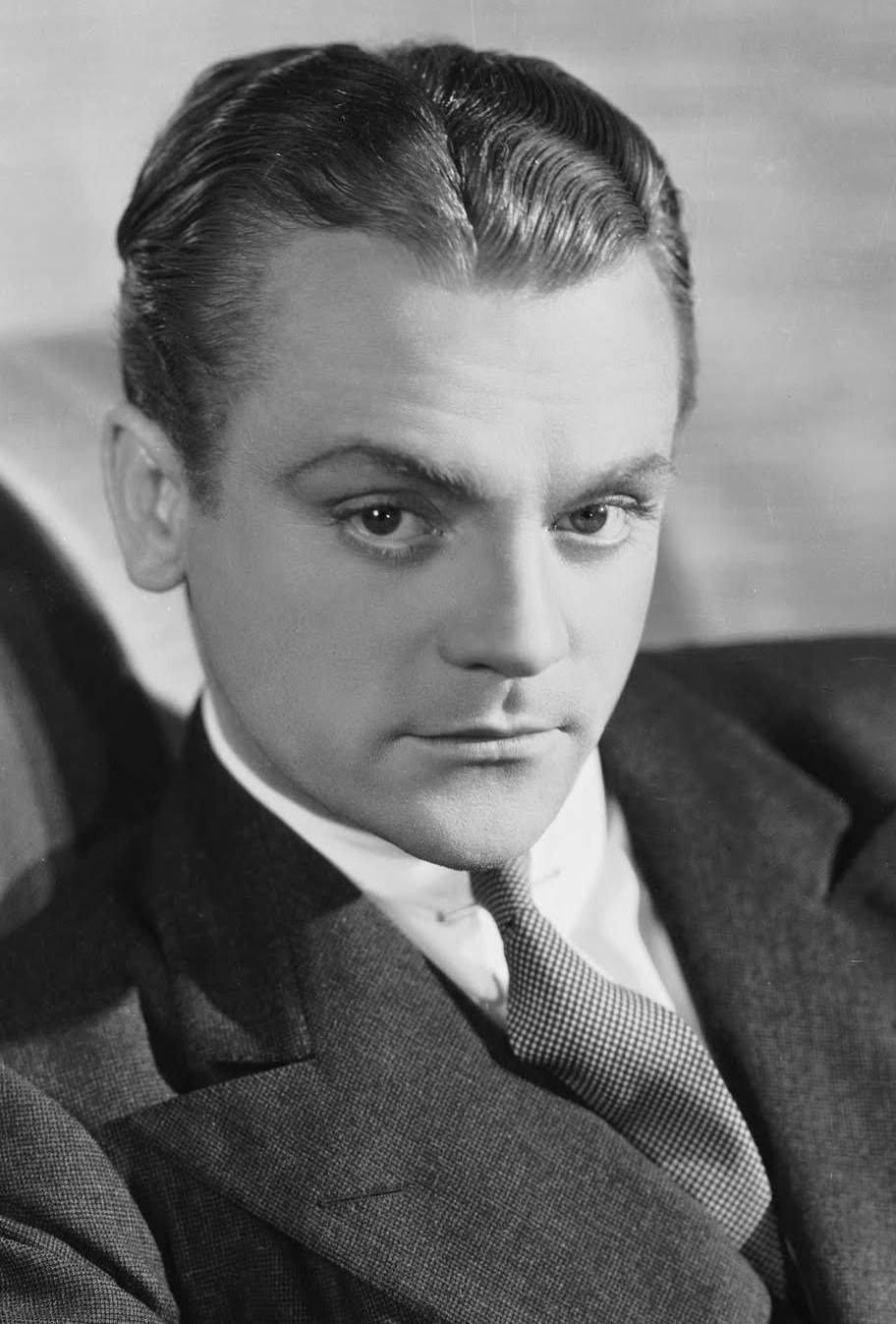
James Cagney
Joseph

Jeanne Cagney
Kitty Duval
James Barton
Kit Carson
Richard Erdman
Willie
William Bendix
Nick
Tom Powers
Freddy Blick
Paul Draper
Harry
Howard Freeman
Society Gentleman
Gladys Blake
Sidekick
Jimmy Lydon
Dudley Bostwick
Natalie Schafer
Society Lady
Wayne Morris
Tom
Pedro de Cordoba
Arab Philosopher
Renie Riano
Lorene Smith
John 'Skins' Miller
Tippler
Claire Carleton
"Killer"
Gale Page
Mary
Lanny Rees
Newsboy
Grazia Narciso
Nick's Mother
Marlene Aames
Nick's Daughter
Reginald Beane
Wesley
Nanette Parks
Elsie Mandelspiegel
External Links and Streaming Options
Discover where to watch The Time of Your Life online, including streaming platforms, rental options, and official sources. Compare reviews, ratings, and in-depth movie information across sites like IMDb, TMDb, Wikipedia or Letterboxd.




Take the Ultimate The Time of Your Life Movie Quiz
Challenge your knowledge of The Time of Your Life with this fun and interactive movie quiz. Test yourself on key plot points, iconic characters, hidden details, and memorable moments to see how well you really know the film.
The Time of Your Life (1948) Quiz: Test your knowledge of the 1948 film *The Time of Your Life*.
Which actor portrays the philosophical patron Joe?
Full Plot Summary and Ending Explained for The Time of Your Life
Read the complete plot summary of The Time of Your Life, including all major events, twists, and the full ending explained in detail. Explore key characters, themes, hidden meanings, and everything you need to understand the story from beginning to end.
The film unfolds almost entirely inside Nick’s Pacific Street Saloon, Restaurant and Entertainment Palace in San Francisco, a place where a window sign invites visitors to “Come in and be yourself,” a motto Nick signs himself. At the center sits Joe [James Cagney], an unemployed man who appears comfortable and affluent, routinely ordering champagne and dispensing advice or money to patrons. He exudes a peculiar calm and a belief that life can be lived in a measured, civilized way, without causing harm to others. Joe also hints at a gift for reading people, suggesting that the deepest truth in someone’s nature lies in the dreams they imagine for themselves rather than the concrete facts of their everyday existence.
Right beside him moves Tom [Wayne Morris], Joe’s best friend and loyal sidekick, who seems to owe his very life to Joe and executes odd errands for him with a strange mix of devotion and quiet resignation. Tom’s world is small but bound to Joe’s larger, dreamlike philosophy; he lacks the push to carve out a life of his own, yet his allegiance to Joe keeps him in motion through the nights at Nick’s.
Two other major figures populate this intimate microcosm. Kitty Duval [Jeanne Cagney], a woman who presents herself as a burlesque performer but carries a shadowed past that includes a probable history as a prostitute. Tom’s gaze lingers on Kitty, and Joe, ever the manipulator of fates, gives Tom the courage to pursue her, nudging him toward a simple act of courting despite the tangled complexities surrounding Kitty. A quick, recurring presence is Willie [Richard Erdman], a guest whose joy is found in the marble-like rhythm of the pinball machines—a small, almost compulsive obsession that keeps his mind focused on tiny victories.
Dudley Raoul Bostwick [Jimmy Lydon] is another fixture who clings to the hope of contacting his long-distance girlfriend, Elsie Mandelspiegel [Nanette Parks], though his nervous energy and missteps frequently complicate the plan. Harry [Paul Draper], a natural-born tap-dancing comedian who cannot quite make people laugh, is hired by Nick and becomes a constant, lively interlude in the rooms with his dancing, a reminder of the tenuous line between performance and genuine joy. A young Black man who arrives seeking work is initially put to washing dishes, but when he spots Nick’s piano, his own talent shines through and Nick decides to hire him to play—an unexpected moment of recognition that reveals the inclusive, if imperfect, nature of the place.
Across the room, Freddie Blick [Tom Powers] stands out as an extorter who preys on Nick’s frailty, coercing money and later prey upon Kitty, testing the limits of Nick’s tolerance and Kitty’s safety. Amid the crowd also appears Kit Carson [James Barton], an older man who dresses like a cowboy and who carries himself with a trickster’s ease, ready to challenge the power dynamics of Nick’s world.
As the plot threads weave together, the tension escalates. Blick’s schemes to humiliate Kitty are ultimately challenged by the intervention of Kit Carson, joined by Joe and Tom, who stand in defense of Kitty and a sense of decency within the shadowed glass of Nick’s enterprise. Willie’s fortunes in the pinball game reach a satisfying turn, while Dudley and Elsie find a renewed connection that suggests a possible future beyond the perilous nights at Nick’s. Tom, encouraged by Joe, moves toward independence, securing a job as a truck driver that finally gives him a chance to build a life beyond the saloon’s glow.
Throughout the night, Nick watches the tides of his own power shift. The sign in the window, the sign that once invited people to “be yourself,” becomes a symbol of control and mercy, and as the story heads toward its close, Nick tears the sign from the door and proclaims, “Enough is enough!” The moment encapsulates a broader turning point: a realization that the world inside Nick’s palace cannot last as it stands, and that the characters might forge a more honest, if uncertain, path beyond the walls.
In this intimate portrait, the film renders a mosaic of personalities bound by one man’s dream of gentleness and the stubborn human desire for dignity. Joe’s insistence on seeing the good in others, Tom’s unflagging loyalty, Kitty’s hidden past, and the various trials faced by Freddie Blick, Willlie, Dudley, Elsie, and the others all collide in a chorus of small triumphs and hard-won realizations. The setting—a single, bustling social space—acts as both sanctuary and stage, a place where ambition, vulnerability, and a shared longing for belonging play out in real time.
The cast enriches the film with texture: [James Cagney] masterfully anchors Joe’s reflective, somewhat mythic worldview; [Wayne Morris] gives Tom a blend of naiveté and grit; [Jeanne Cagney] brings Kitty’s contradictions to life with a measured, enigmatic presence; [Richard Erdman] punctuates the crowd with a melancholy optimism; [Jimmy Lydon] adds nervy energy to Dudley’s attempts to connect with his love; [Nanette Parks] grounds Elsie’s perspective in a practical, hopeful sensibility; [Tom Powers] injects a sharp edge to the menace posed by Blick; [James Barton] channels a sly, gallant old-world charm in Kit Carson; [Paul Draper] provides a comic counterpoint with his dancing, while [William Bendix] anchors Nick with a tough, if increasingly vulnerable, charisma.
The film’s atmosphere bristles with a quiet tension and a sense that dawn might bring a different order to this Bay Area sanctuary. It is not a harsh indictment of urban life but a contemplative exploration of aspiration, loyalty, vulnerability, and the stubborn belief in the possibility of transformation through connection. The ending leaves a lingering sense that the characters have earned a brief respite and a renewed chance to pursue steadier lives, even as the world outside Nick’s doors continues to churn with its own pressures and promises.

Coming soon on iOS and Android
The Plot Explained Mobile App
From blockbusters to hidden gems — dive into movie stories anytime, anywhere. Save your favorites, discover plots faster, and never miss a twist again.
Sign up to be the first to know when we launch. Your email stays private — always.
Explore the mobile appDiscover Film Music Concerts Near You – Live Orchestras Performing Iconic Movie Soundtracks
Immerse yourself in the magic of cinema with live orchestral performances of your favorite film scores. From sweeping Hollywood blockbusters and animated classics to epic fantasy soundtracks, our curated listings connect you to upcoming film music events worldwide.
Explore concert film screenings paired with full orchestra concerts, read detailed event information, and secure your tickets for unforgettable evenings celebrating legendary composers like John Williams, Hans Zimmer, and more.


The Time of Your Life Themes and Keywords
Discover the central themes, ideas, and keywords that define the movie’s story, tone, and message. Analyze the film’s deeper meanings, genre influences, and recurring concepts.
The Time of Your Life Other Names and Titles
Explore the various alternative titles, translations, and other names used for The Time of Your Life across different regions and languages. Understand how the film is marketed and recognized worldwide.
Similar Movies To The Time of Your Life You Should Know About
Browse a curated list of movies similar in genre, tone, characters, or story structure. Discover new titles like the one you're watching, perfect for fans of related plots, vibes, or cinematic styles.


Quick Links: Summary, Cast, Ratings, More

What's After the Movie?
Not sure whether to stay after the credits? Find out!
Check out our other apps:

SAT Sphere
Build confidence for the Digital SAT.

Mori Atlas
Discover wild places worth protecting.

Luntero
Search smarter for a home in Amsterdam.

Plot Explained
Unravel movie endings and hidden clues.

Pokechamp
Dive into Pokémon data and battle logic.

Driving Theory
Get ready for your European theory test.

Movie Dust
Plan your next cinema trip with ease.

Musemap
Find art and culture as you travel.

Selkobase
Compare credentials before committing.

Local Manual
Turn an unfamiliar country into practical next steps.

Lernavi
Compare school systems before your next move.

GymRoam
Find a workout stop wherever your plans take you.
Explore Our Movie Platform
New Movie Releases (2026)
Famous Movie Actors
Top Film Production Studios
Movie Plot Summaries & Endings
Major Movie Awards & Winners
Best Concert Films & Music Documentaries
Movie Collections and Curated Lists
© 2026 What's After the Movie. All rights reserved.
Privacy Policy