
It’s a Great Feeling 1949


The picture teems with cameo appearances as a hopeful waitress working in the Warner Brothers commissary dreams of stardom. When two seasoned actors, Jack Carson and Dennis Morgan, volunteer to assist her, a series of comic misunderstandings and backstage antics ensue, offering a lively, star‑studded glimpse of Hollywood’s golden era.

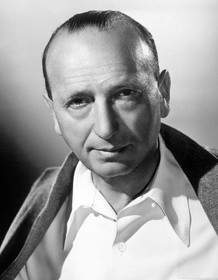

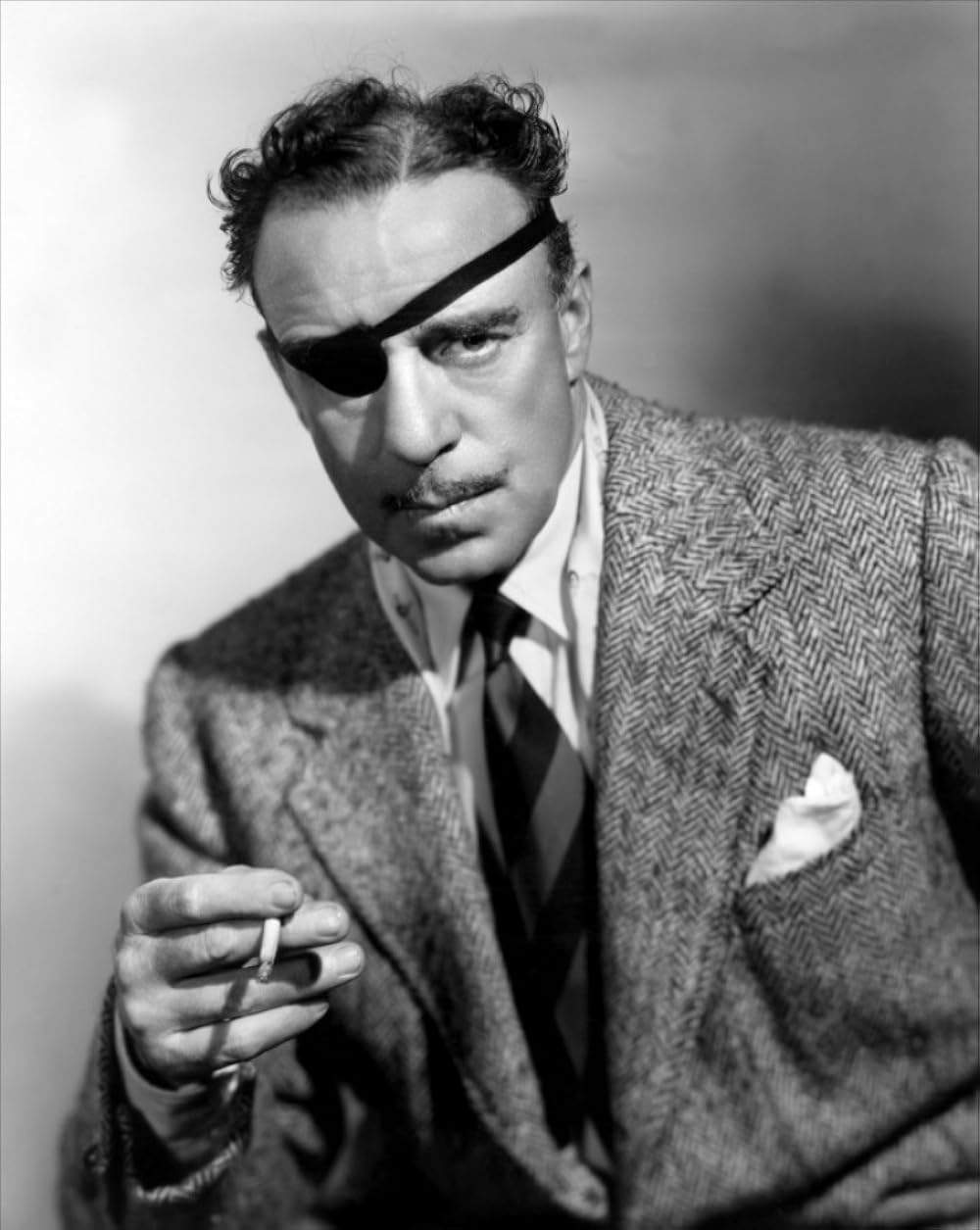
Does It’s a Great Feeling have end credit scenes?
No!
It’s a Great Feeling does not have end credit scenes. You can leave when the credits roll.
Meet the Full Cast and Actors of It’s a Great Feeling
Explore the complete cast of It’s a Great Feeling, including both lead and supporting actors. Learn who plays each character, discover their past roles and achievements, and find out what makes this ensemble cast stand out in the world of film and television.
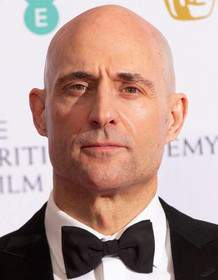
Mark Strong
Man with Cigar (uncredited)
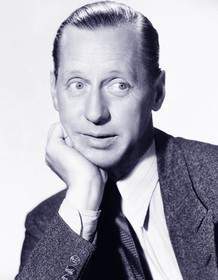
Irving Bacon
RR Information Clerk
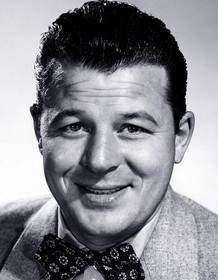
Jack Carson
Jack Carson
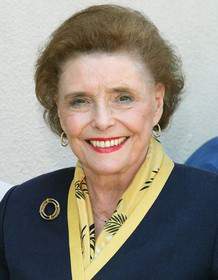
Patricia Neal
Patricia Neal (uncredited)
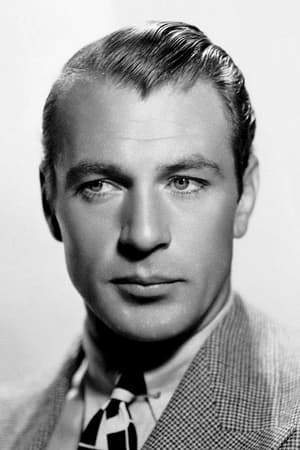
Gary Cooper
Gary Cooper (uncredited)
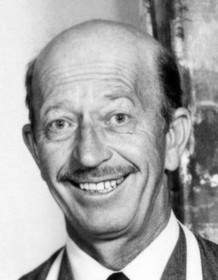
Frank Cady
Oculist (uncredited)
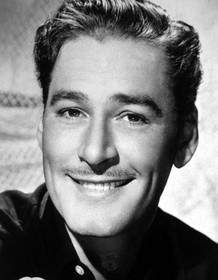
Errol Flynn
Jeffrey Bushdinkle, the Groom (uncredited)
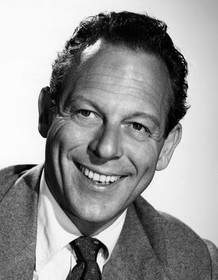
Bill Goodwin
Arthur Trent
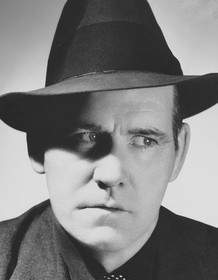
Tom Dugan
Wrestling Fan in Bar (uncredited)
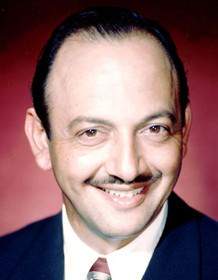
Mel Blanc
Bugs Bunny (voice) (uncredited)
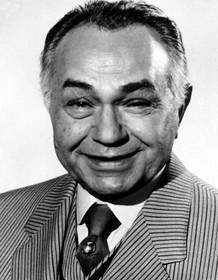
Edward G. Robinson
Edward G. Robinson (uncredited)
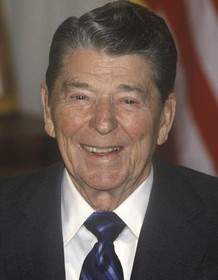
Ronald Reagan
Ronald Reagan (uncredited)
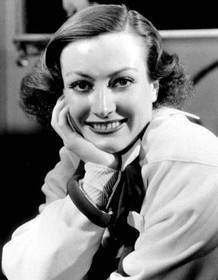
Joan Crawford
Joan Crawford (uncredited)

Nita Talbot
Model (uncredited)
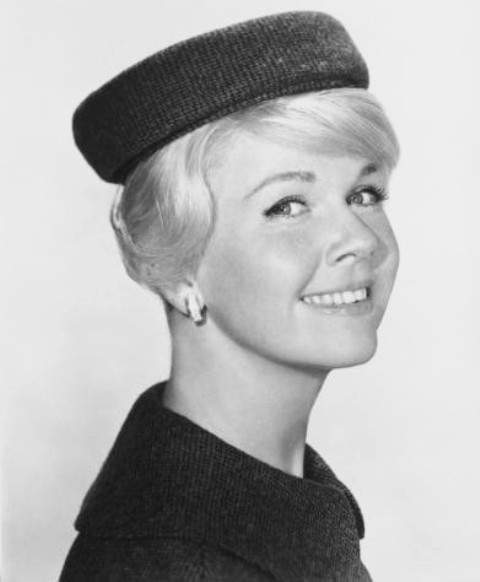
Doris Day
Judy Adams
James Holden
Soda Jerk (uncredited)
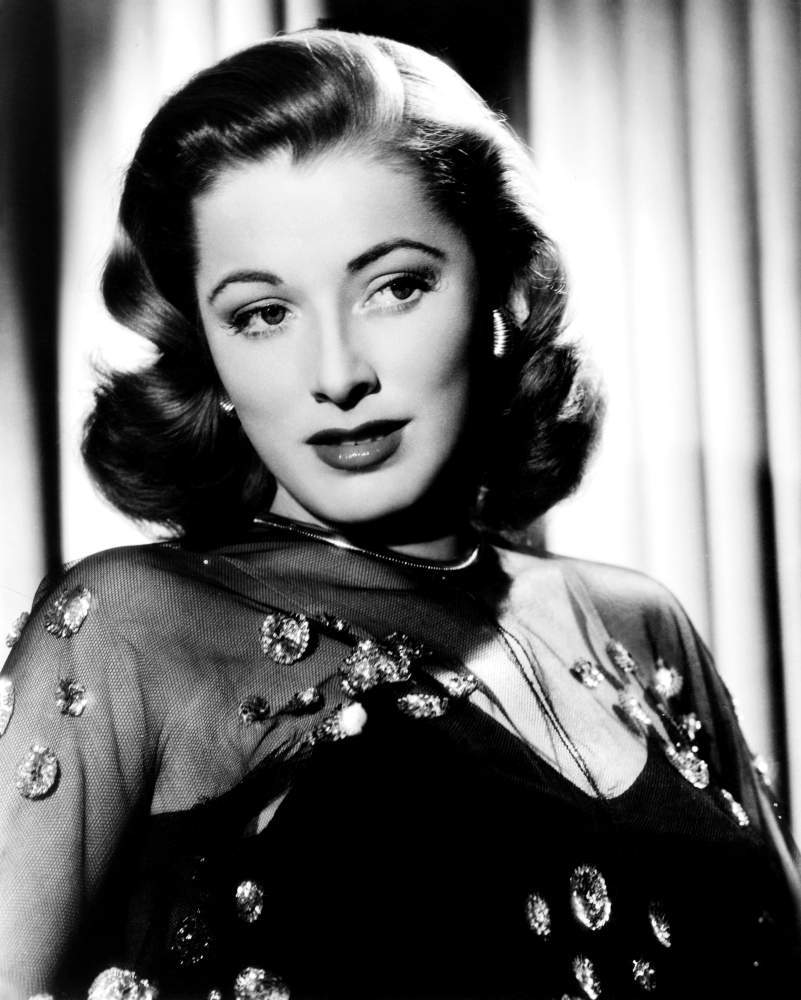
Eleanor Parker
Eleanor Parker (uncredited)
David Butler
David Butler (uncredited)
George Calliga
Frenchman (uncredited)
Sydney Greenstreet
Sydney Greenstreet (uncredited)
Danny Kaye
Danny Kaye (uncredited)
Jane Wyman
Jane Wyman (uncredited)
Douglas Kennedy
Opening Off-Screen Narrator (uncredited)
Dennis Morgan
Dennis Morgan
Lois Austin
Saleslady (uncredited)
Paul Bradley
Frenchman (uncredited)
Franklyn Farnum
Man at Train Station (uncredited)
Jacqueline deWit
Trent's Secretary (uncredited)
Olan Soule
Flack (uncredited)
Jan Bryant
Redhead (uncredited)
Cosmo Sardo
Studio Barber (uncredited)
Sue Casey
Model (uncredited)
Sandra Gould
Train Passenger in Upper (uncredited)
Pat Flaherty
Charlie, Studio Gate Guard (uncredited)
William H. O'Brien
Saloon Waiter (uncredited)
Eve Whitney
Model (uncredited)
Janet Barrett
Michael Curtiz's Secretary (uncredited)
Bess Flowers
Studio Party Guest (uncredited)
Mike Lally
Ticket Salesman (uncredited)
Harold Miller
Studio Party Guest (uncredited)
Ray Montgomery
Raoul Walsh's Assistant (uncredited)
Albert Petit
Frenchman (uncredited)
Forbes Murray
Distinguished Man (uncredited)
George Sherwood
Reporter (uncredited)
Albert Pollet
Frenchman (uncredited)
Harry Seymour
Man in Upper Berth (uncredited)
Sayre Dearing
Studio Employee (uncredited)
Waclaw Rekwart
Frenchman (uncredited)
Jack Wise
Train Passenger in Lower (uncredited)
Shirley Ballard
Beautiful Girl on Bike (uncredited)
William J. O'Brien
Saloon Waiter (uncredited)
Jean Andren
Headwaitress (uncredited)
Carol Brewster
Model (uncredited)
Dudley Dickerson
Porter (uncredited)
Ray Heindorf
Ray Heindorf (uncredited)
Carli Elinor
Frenchman (uncredited)
Georges Renavent
Andre Bernet (uncredited)
Bunty Cutler
Variety Reporter (uncredited)
Wendie Lee
Agnes the Manicurist (uncredited)
Edward Clark
Minister (uncredited)
Joan Vohs
Model (uncredited)
Robert Cherry
Passenger (uncredited)
Claire Carleton
Grace
Marcel De La Brosse
Frenchman (uncredited)
Ralph Littlefield
Hayseed (uncredited)
Harlan Warde
Publicity Man (uncredited)
Buddy Gorman
WB Messenger Boy (uncredited)
Rod Rogers
Flack (uncredited)
Maureen Reagan
Maureen Reagan (uncredited)
Eugene Beday
Frenchman (uncredited)
Al Billings
Wrestler on Television (uncredited)
Henry Mirelez
Pedro (uncredited)
Peter Meersman
Flack (uncredited)
Vic Holbrook
Wrestler on Television (uncredited)
External Links and Streaming Options
Discover where to watch It’s a Great Feeling online, including streaming platforms, rental options, and official sources. Compare reviews, ratings, and in-depth movie information across sites like IMDb, TMDb, Wikipedia or Letterboxd.





Take the Ultimate It’s a Great Feeling Movie Quiz
Challenge your knowledge of It’s a Great Feeling with this fun and interactive movie quiz. Test yourself on key plot points, iconic characters, hidden details, and memorable moments to see how well you really know the film.
It’s a Great Feeling Quiz: Test your knowledge of the 1949 comedy film It’s a Great Feeling.
Which actress plays the role of the ambitious waitress Judy Adams?
Full Plot Summary and Ending Explained for It’s a Great Feeling
Read the complete plot summary of It’s a Great Feeling, including all major events, twists, and the full ending explained in detail. Explore key characters, themes, hidden meanings, and everything you need to understand the story from beginning to end.
The project opens with a parade of real-world filmmakers—including Michael Curtiz, King Vidor, Raoul Walsh, and David Butler—refusing to take the helm of a new Warner Brothers film titled Mademoiselle Fifi, all because Jack Carson has been signed to star. Frustration mounts until a determined fictional studio boss, Arthur Trent, ultimately makes Carson the director, hoping to salvage a project that could still shine. The studio searches for the perfect partner for Carson and fellow lead Dennis Morgan. Their choice falls on a young woman who has barely scratched the surface of Hollywood: Judy Adams, a go-getting waitress in the studio commissary who has spent three months in town without a single audition. Judy’s bold entrance into Carson’s office, where she forces him to give her a chance, marks the beginning of a complicated, comic take on almost every cliché of fame and fortune in Tinseltown. Judy is a self-proclaimed liar, and Carson dares her to pretend to be his secret bride to Morgan. The ploy initially works—Morgan is fooled—until he finally catches on, and the ruse leads to a collision course of pride, ambition, and hurt feelings. The result is a growing sense of disillusionment for Judy, who walks away from the studio feeling used for the entertainment of others.
From there, Carson persists in his quest to find a legitimate breakout for himself and his movie, but disinterest from established stars makes the path seem nearly impossible. Even when Jane Wyman is offered the role, she faints, underscoring the sheer reluctance of top performers to risk their image on a project that feels muddy and unpredictable. Dennis Morgan suggests that the best bet might be to cast someone entirely unknown—someone not yet trapped by a star image and thus willing to risk everything for a chance at glory. Judy re-enters the conversation in a way she never anticipated: Carson and Morgan realize the potential of their own discovery and chase after Judy, who has begun to doubt whether Hollywood can ever truly recognize her talent without manipulation.
Interwoven with the pursuit is a backstage comic ballet in which Edward G. Robinson plays a helpful if scheming ally who aids them in slipping through the studio’s gates. In one pivotal moment, Judy performs the song That Was a Big Fat Lie on camera, a scene directed with a wary eye by Ray Heindorf, whose involvement adds a spark of musical energy to the tense screen test. Yet the test isn’t clean; technical hiccups feed Trent’s growing anxiety and visions of the same face appearing everywhere—the result of Carson and Morgan’s widespread placements of Judy around him. The combination sends Trent into a nervous breakdown and ultimately forces him to cancel production midstream. In a bold attempt to crown Judy’s potential, Carson and Morgan hatch one more scheme: disguise Judy as a glamorous French star, the threads of Yvonne Amour and an accent that’s only partly convincing. The ruse draws public attention and leads to a public meeting with Eleanor Parker and Patricia Neal, who watch Judy perform in a cafe scene and again sing a new number, At the Cafe Rendezvous.
Despite the manipulations, Judy’s inner resolve begins to grow. She confesses the hardship she has endured—saving up for acting and singing lessons, moving far from home, and sacrificing comfort for a dream she never gave up on—and explains why she won’t be easily charmed into a one-size-fits-all Hollywood narrative. The dynamic between Carson and Morgan grows more complicated as both men begin to see Judy not just as a potential star but as a person with her own agency and happiness. A crucial turn comes when Judy’s loyal friend Grace helps her recognize that a life in a small town with a steady fiancé might offer more fulfillment than a fragile, uncertain career in the unpredictable world of movies.
The plan to “discover” Judy culminates in a real train encounter with Trent himself. At first, Judy suspects another ruse, but Trent’s sincerity gradually breaks through. He offers Judy a true chance at stardom, which she hesitantly considers, while Carson and Morgan rush to deliver the good news to her back home in Goerke’s Corners, Wisconsin. The lovers’ triangle and the chance at a genuine career collide in a way that tests loyalty, ambition, and the true meaning of success in the ruthless, bright glare of Hollywood. As the final curtain nears, the truth about Judy’s future—and the people who chased it—begins to crystallize in surprising ways.
In the last, revelatory moment, the film turns on the revelation that Judy’s newfound fiancé is none other than Errol Flynn. The realization reframes the entire pursuit: the story’s true romance may lie not in manufactured stardom or strategic handshakes with studio power but in real life, in a small town, and in a connection that isn’t built on hype or expediency. Carson and Morgan, sensing the shift, choose to step back rather than push Judy toward a path she might not want. The two men depart with a quiet understanding that Judy’s future will unfold on her own terms, not as a contrived movie plot but as a genuine life she chooses for herself. The film closes on a note of warm ambiguity, offering a playful commentary on the Hollywood dream while leaving room for the possibility that true discovery might still happen—off the studio lot, in a place where real people matter more than glitter and guarantees.

Discover Film Music Concerts Near You – Live Orchestras Performing Iconic Movie Soundtracks
Immerse yourself in the magic of cinema with live orchestral performances of your favorite film scores. From sweeping Hollywood blockbusters and animated classics to epic fantasy soundtracks, our curated listings connect you to upcoming film music events worldwide.
Explore concert film screenings paired with full orchestra concerts, read detailed event information, and secure your tickets for unforgettable evenings celebrating legendary composers like John Williams, Hans Zimmer, and more.


Cars Featured in It’s a Great Feeling
Explore all cars featured in It’s a Great Feeling, including their makes, models, scenes they appear in, and their significance to the plot. A must-read for car enthusiasts and movie buffs alike.
It’s a Great Feeling Themes and Keywords
Discover the central themes, ideas, and keywords that define the movie’s story, tone, and message. Analyze the film’s deeper meanings, genre influences, and recurring concepts.

Unlock the World of Movies with Our Comprehensive Wiki
Dive into our Movie Wiki for in-depth film encyclopedia entries, including cast biographies, production trivia, plot synopses, behind-the-scenes facts, and thematic analyses. Whether you’re researching iconic directors, exploring genre histories, or discovering hidden easter eggs, our expertly curated movie database has everything you need to fuel your cinematic passion.
Similar Movies To It’s a Great Feeling You Should Know About
Browse a curated list of movies similar in genre, tone, characters, or story structure. Discover new titles like the one you're watching, perfect for fans of related plots, vibes, or cinematic styles.


Quick Links: Summary, Cast, Ratings, More

What's After the Movie?
Not sure whether to stay after the credits? Find out!




Explore Our Movie Platform
New Movie Releases (2026)
Famous Movie Actors
Top Film Production Studios
Movie Plot Summaries & Endings
Major Movie Awards & Winners
Best Concert Films & Music Documentaries
Movie Collections and Curated Lists
© 2026 What's After the Movie. All rights reserved.