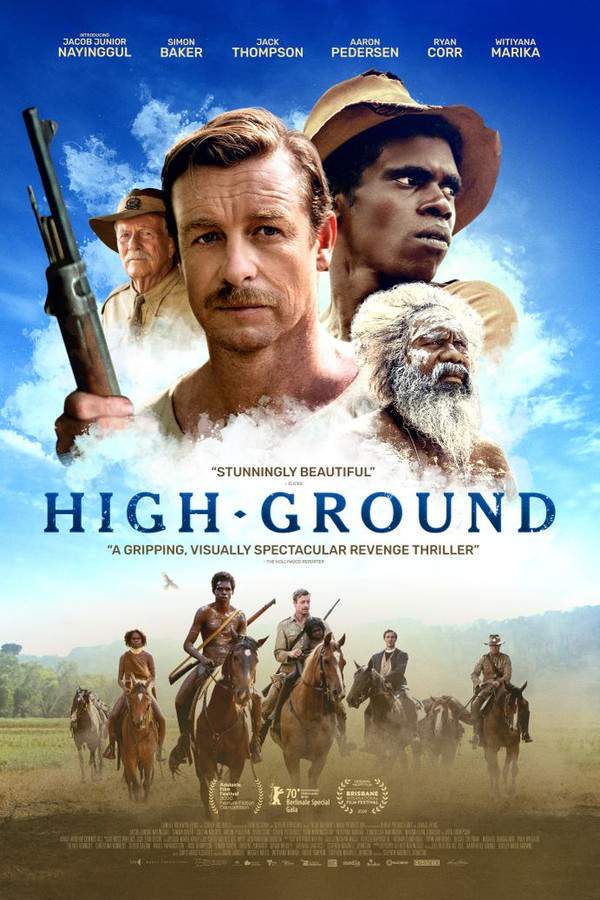
What Is High Ground About?
The premise of High Ground in 298 words, with nothing given away. The full story and the ending follow below.
In the vast, sun‑scorched expanse of 1930s Arnhem Land, the Australian outback becomes a character in its own right—its endless horizon, red‑dusted scrub, and haunting silence shaping every step taken upon it. A remote world where ancient traditions brush against the encroaching weight of colonial presence, the land is both refuge and battlefield, its unforgiving terrain echoing the inner turmoil of those who wander its paths.
When Gutjuk, a young Aboriginal warrior haunted by a tragic past, is pressed into an uneasy partnership with Travis, a seasoned tracker whose own history is marked by loss, the two men set out on a pursuit that is as much about navigating the wilderness as confronting their conflicting loyalties. Gutjuk carries the burden of kinship and duty, while Travis brings the hardened skill of a veteran whose scars run deeper than the injuries visible on his weather‑worn skin. Their alliance is fragile, forged out of necessity yet strained by cultural divides and lingering distrust.
The hunt they embark upon targets Baywara, Gutjuk’s formidable uncle—a figure described only in whispers as relentless and powerful. The pursuit across the outback offers a stark backdrop for a relationship that oscillates between tentative respect and simmering tension, each man measuring the other against the unforgiving landscape and the ghosts that trail them. The film’s tone balances stark, almost tactile realism with a lingering, almost mythic quality, allowing the audience to feel the heat of the day and the chill of night as the two hunters chase a shadow of their own making.
Against this tableau of rugged beauty and stark survival, the story probes questions of identity, loyalty, and the cost of vengeance, inviting viewers to wonder whether the true danger comes from the hunt itself—or from the secrets each man carries beneath the surface.
What Happens in High Ground?
The complete story of High Ground, from the first scene to the last, in 645 words (about 3 minutes). Spoilers throughout. Names in the text link to 8 cast member pages.
Spoilers ahead
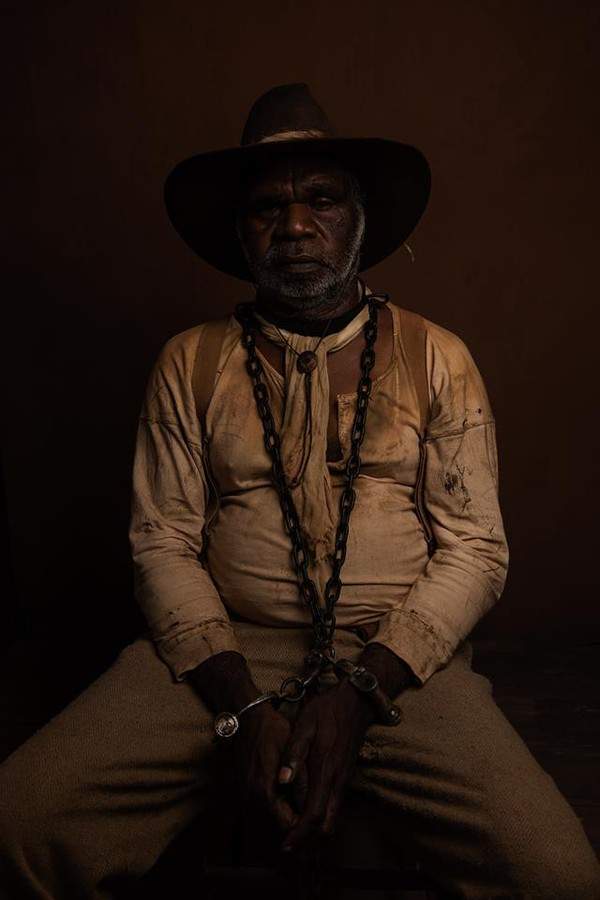
In 1919, a Yolngu community in Arnhem Land is devastated when a police operation is ordered to punish unrelated Aboriginal men for killing a cow. The assault leaves only two survivors: a seasoned warrior, Baywara, and his nephew Gutjuk, Jacob Junior Nayinggul. A World War I veteran and policeman named Travis rescues Gutjuk and transports him to the East Alligator River Mission Outpost, handing him over to Claire, Caren Pistorius. Disgusted by what he has witnessed, Travis abandons his post and begins a difficult reckoning with his past.
Twelve years pass, and Moran, a local officer, with his partner Eddy, return to confront the guilt that has haunted Travis. They urge him to hunt down a mob led by Baywara that has attacked white settlements, drawing him back into a violent conflict he hoped to avoid. Reluctantly, Travis agrees to take Gutjuk—a now eighteen-year-old at the mission and known there as Tommy—on a journey intended to reach Baywara and seek peace, though Moran also dispatches Eddy and Walter, a man described as “half-caste,” to shadow them.
As the pursuit unfolds, Grandfather Darrpa steps forward to propose peace negotiations with Moran at the mission. The fragile moment is torn apart when news arrives that Baywara’s group has attacked another station. Gutjuk demonstrates his growing resolve by rescuing Gulwirri, a young woman in Baywara’s circle, from an attempted assault by white stockmen, underscoring the harsh moral lines that each side navigates.
Gutjuk and Gulwirri eventually confront Baywara at the site of the 1919 massacre, where misjudgments and old loyalties collide. Believing Gutjuk to be a direct threat, Travis shoots Baywara, catalyzing a new wave of violence. In a bid to protect Gutjuk, Travis also shoots Walter, but the revelation of who killed Gutjuk’s family drives Gutjuk to shoot Travis in return, wounding him but not killing him.
Gutjuk then uses a bold distraction—setting fire to the church and sparking a fresh clash around the mission settlement. A tense standoff ensues, with Moran wounded when Travis shoots him, and Claire firing at Eddy. Moran’s nephew Bruce levels his rifle on Gutjuk, but Travis sacrifices himself, taking the shot instead. The confrontation ends with Gutjuk and Gulwirri escaping atop a piebald horse, stepping into an uncertain future beyond the mission’s bounds.
- Baywara, the opponent in the climactic conflict, remains unnamed by actor in this summary, preserving the focus on the unfolding choices and consequences.
- Gutjuk, Jacob Junior Nayinggul, emerges as the central figure whose loyalties and understanding of family, culture, and violence drive the final act.
- Claire, Caren Pistorius, carries a steady presence at the mission, coordinating care and responding to the escalating tensions around the settlement.
- Travis, Simon Baker, struggles with guilt and duty, moving between protector and aggressor as the story probes the costs of choosing sides in a brutal landscape.
- Moran, Jack Thompson, anchors the pursuit with a strict sense of order, even as the violence surrounding his goals spirals beyond control.
- Gulwirri, Esmerelda Marimowa, personifies the vulnerable individuals drawn into a cycle of retribution and survival.
- Grandfather Darrpa, Witiyana Marika, embodies a traditional authority seeking a peaceful resolution amid mounting conflict.
- Eddy, Callan Mulvey, a deputy driven by loyalty to Moran, locks into the chase that pushes all characters toward a fateful reckoning.
- Braddock, Ryan Corr, appears in the broader pursuit, contributing to the mounting tension surrounding the mission and its outposts.
This layered narrative threads historical trauma, personal vendettas, and fragile attempts at reconciliation into a sweeping, character-driven drama. It examines how generations of violence ripple through families and communities, testing allegiance, memory, and the possibility of peace in a landscape where every action reverberates with consequence. The climactic clash crystallizes the moral ambiguity at the heart of the story, leaving Gutjuk and Gulwirri to navigate a world rebuilt on the ashes of past choices.
High Ground Timeline: Every Key Event in Order
13 key events in the order they happen, from “Massacre at Arnhem Land” to “Gutjuk and Gulwirri ride into an uncertain future”. 13 events name a place, across 12 locations.
- 1
Massacre at Arnhem Land
In 1919, a police operation massacres a Yolngu community after a cow-killing incident. Baywara and Gutjuk survive while many are killed, setting a deep-seated trauma and drive for vengeance. The atrocity establishes the film's central conflict.
When:1919 Where:Arnhem Land
- 2
Travis rescues Gutjuk and delivers him to the mission
World War I veteran Travis saves Gutjuk from the massacre and transports him to the East Alligator River Mission Outpost, where he hands him to Claire. He abandons his policing job in disgust, leaving Gutjuk in the care of the mission. A fragile bond forms between Gutjuk and the mission community.
When:1919 Where:East Alligator River Mission Outpost
- 3
Twelve years later: Moran and Eddy press for the hunt
Twelve years pass and Moran along with Eddy reappear, pushing Travis to hunt Baywara to restore order. Gutjuk is now eighteen and living at the mission, referred to as 'Tommy'. The frontier's fragile peace teeters on renewed violence.
When:1931 Where:East Alligator River region
- 4
The hunt begins: Gutjuk accompanies Travis
Travis takes Gutjuk on a mission toward Baywara, aiming to broker peace while fulfilling Moran's directive. Moran sends Eddy and Walter after them to ensure cooperation. The unlikely pairing tests Gutjuk's loyalties and sense of justice.
When:1931 Where:On the trail toward Baywara
- 5
Peace talks interrupted by Baywara's raid
Grandfather Darrpa agrees to peace negotiations at the mission, but news arrives that Baywara has attacked another station. The impending confrontation intensifies distrust between the sides and threatens any chance of reconciliation.
When:1931 Where:East Alligator River Mission
- 6
Gutjuk rescues Gulwirri from stockmen
Gutjuk intervenes to rescue Gulwirri, a young woman linked to Baywara's group, from an assault by white stockmen. The act deepens Gutjuk's ties to Gulwirri and complicates his loyalties. The rescue sharpens the moral stakes of their journey.
When:1931 Where:Stockmen's camp
- 7
Confrontation at the massacre site
Gutjuk and Gulwirri meet Baywara at the very site of the 1919 massacre, a haunting reminder of the past. Baywara's presence forces Gutjuk to confront family ties and shifting loyalties. The encounter marks a turning point in Gutjuk's path.
When:1931 Where:Site of the 1919 massacre
- 8
Travis shoots Baywara and Walter; Gutjuk is saved
Believing Baywara is about to kill Gutjuk, Travis fires and wounds Baywara, triggering a broader killing spree that also claims Walter. The violence accelerates Gutjuk's realization of who bears responsibility for the past. The moment cements the cost of blood feuds.
When:1931 Where:Massacre site vicinity
- 9
Gutjuk shoots Travis after learning the truth
Gutjuk discovers that Travis was responsible for the murder of his family and shoots him, wounding but not killing him. The act reveals the depth of Gutjuk's moral wrestling and the complexities of vengeance. Leadership and loyalty are brutally redefined.
When:1931 Where:Near the mission site
- 10
Gutjuk ignites the church and attacks the settlement
Gutjuk creates a distraction by burning the church and launches an assault on the mission settlement. The attack shatters the settlement's fragile order and intensifies the stand-off. Loyalties fracture under the weight of survival and revenge.
When:1931 Where:Mission settlement and church
Show the other 3 events of High Ground Hide the last 3 events
- 11
Stand-off: Moran is shot and Eddy is killed
During the stand-off, Travis shoots Moran, shifting the balance of power. Claire then shoots Eddy, removing another threat to Gutjuk. The mission's authority crumbles as internal and external tensions collide.
When:1931 Where:East Alligator River Mission
- 12
Travis dies protecting Gutjuk
Bruce, Moran's nephew, aims at Gutjuk, but Travis takes the bullet and dies. Gutjuk and Gulwirri escape, carrying the weight of the massacre and the losses incurred along the way. The hero's sacrifice seals the tragedy of the frontier saga.
When:1931 Where:Mission settlement
- 13
Gutjuk and Gulwirri ride into an uncertain future
Gutjuk and Gulwirri flee on a piebald horse, leaving the mission behind. They move forward together, haunted by history but clinging to each other for survival. The film ends on a cautious note of hope amid unresolved vengeance.
When:1931 Where:Outskirts of the mission
Who Are the Main Characters in High Ground?
10 characters, among them Gutjuk (Tommy), Travis and Claire: who each one is and the part they play in the story. 8 of them link to the actor’s page.
- G(
Gutjuk (Tommy)
Played by Jacob Junior Nayinggul
An eighteen-year-old Yolngu boy and survivor of the 1919 massacre who was raised at the East Alligator River Mission. He carries the burden of trauma and negotiates loyalties between Indigenous communities and white authorities. His actions drive the hunt, and his bond with Gulwirri culminates in a decisive moment.
- 🎯 Protagonist
- 🧠 Traumatized
- 🏹 Survivor
-

Travis
Played by Simon Baker
A World War I veteran and policeman who saves Gutjuk and initially hands him over to Claire. He abandons his job in disgust after the massacre and later participates in the pursuit of Baywara, driven by guilt and duty, ultimately dying in the climactic confrontation.
- 🎖️ Veteran
- 🗡️ Enforcer
- 🕊️ Guilty
-

Claire
Played by Caren Pistorius
Operator of the East Alligator River Mission Outpost who receives Gutjuk from Travis. She remains a steady, practical presence at the mission and becomes involved in the escalating confrontation as violence erupts around the settlement.
- 🏕️ Caretaker
- 👩✈️ Authority
- 🛡️ Survivor
-
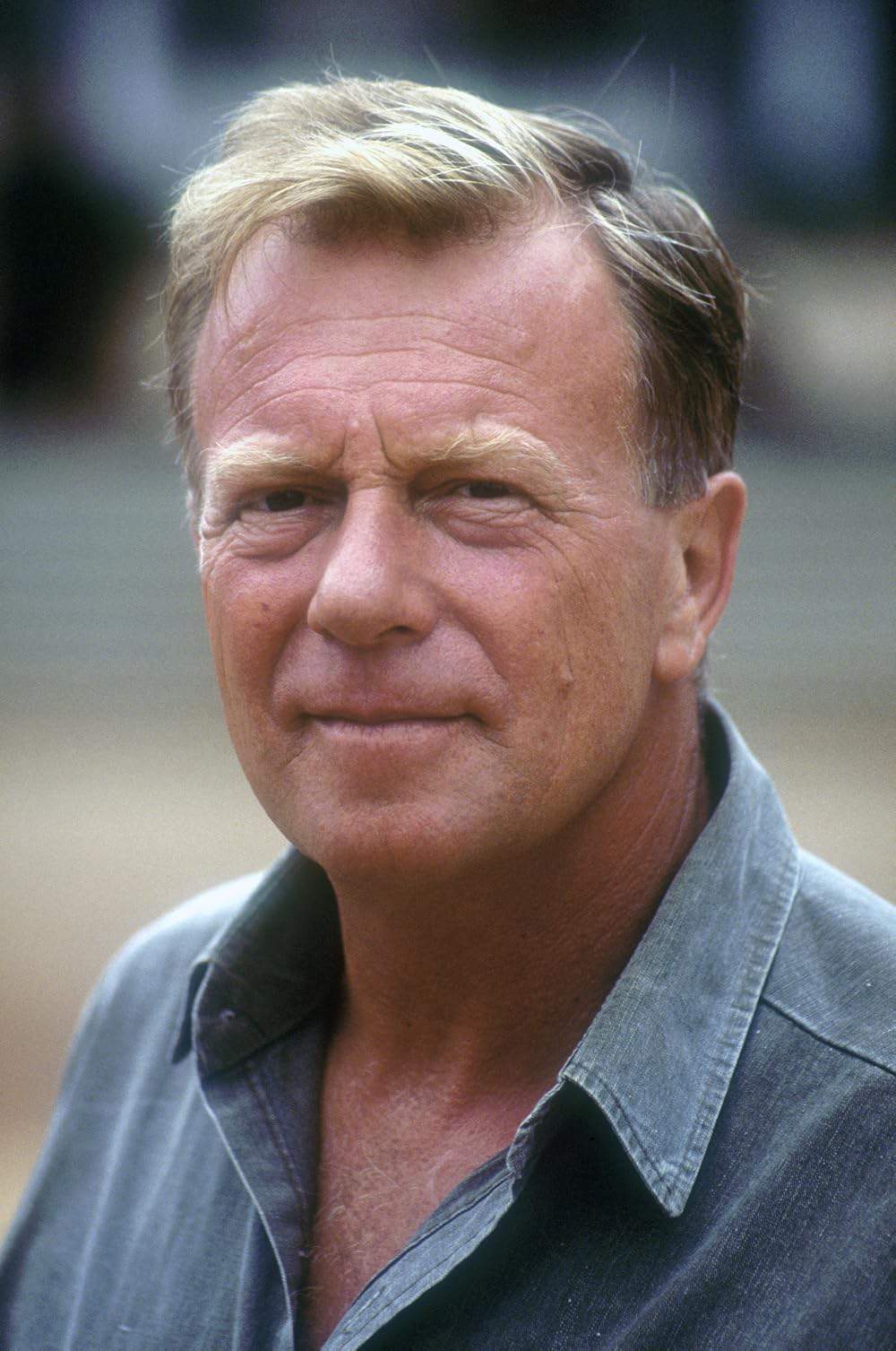
Moran
Played by Jack Thompson
A police officer determined to hunt Baywara, leading the pursuit against the Indigenous group. He embodies the authority and resolute pursuit of justice, even as the conflict spirals beyond control, and is killed during the standoff.
- 👮 Authority
- ⚖️ Pursuit
- 🗡️ Violent
-

Eddy
Played by Callan Mulvey
A member of Moran’s team who is sent after Gutjuk and faces the brutal consequences of the raid on the mission. He is killed during the climactic standoff when Claire shoots him.
- 🧭 Subordinate
- 💥 Conflict
- 🗡️ Death
- B
Baywara
The tribal warrior and leader of the group responsible for the 1919 massacre. He becomes the focal target of the pursuit twelve years later, and is ultimately killed by Travis in the climactic moment.
- 🗡️ Warrior
- ⚖️ Target
- 🕊️ Tragedy
- G
Gulwirri
Played by Esmerelda Marimowa
A young woman from Baywara’s group whom Gutjuk rescues from an assault by white stockmen, signaling a fragile connection between the two sides. She accompanies Gutjuk through the final stand and shares a bond that seeks a way forward.
- 🎎 Ally
- 🏹 Survivor
- 🤝 Partnership
- GD
Grandfather Darrpa
Played by Witiyana Marika
An elder who represents the Indigenous community and proposes peace negotiations with Moran at the mission. His attempt at dialogue underscores a continued desire for non-violent resolution, even as violence rages around them.
- 🗣️ Elder
- 🕊️ Negotiator
- 🪖 Tension
-

Braddock
Played by Ryan Corr
A member of Moran’s pursuit team who helps track Gutjuk and the group in the aftermath of the massacre. His actions contribute to the mounting pressure and danger surrounding the mission.
- 🕵️♂️ Team Member
- 🗺️ Pursuit
- 🗡️ Tension
- W
Walter
A 'half-caste' member attached to the pursuit who participates in the chase during the second act. He is killed during the violence that erupts around the mission as orders are carried out.
- 🧭 Pursuit
- 🪓 Marginalized
- ⚡ Conflict
Where and When Is High Ground Set?
High Ground is set in Arnhem Land and East Alligator River Mission Outpost (1919-1931). Here is why the time and place matter to the story.
When
1919-1931
The film begins with the 1919 massacre carried out by a police operation, and then jumps to twelve years later, around 1931, as a new hunt unfolds for Baywara’s group. This period shows the late colonial era in the Northern Territory, with settler expansion and mounting resistance. The timeline underscores cycles of violence and fragile attempts at negotiation amid the oppressive environment.
Where
Arnhem Land, East Alligator River Mission Outpost
The story unfolds in the Yolngu country of Arnhem Land, centered on the East Alligator River Mission Outpost where colonial authorities and Indigenous communities intersect. The remote river frontier is where tensions between Indigenous landowners, settlers and the authorities erupt into violence. The outpost serves as both a staging ground for pursuit and a fragile refuge for those caught in the conflict.
- 🏞️ Arnhem Land
- 🏚️ East Alligator River Mission Outpost
What Are the Themes of High Ground?
3 ideas the story keeps returning to, among them Colonial Violence, Peace and Reconciliation and Guilt and Memory.
-
01
Colonial Violence
The massacre of the Yolngu community and the subsequent pursuit expose how state power and settler violence carve trauma into Indigenous lives. The film traces how violence begets more violence, challenging any simple notion of justice. It also questions who bears responsibility for the cycle of retaliation that follows.
-
02
Peace and Reconciliation
Grandfather Darrpa’s peace negotiations highlight the fragile hope of coexistence between Indigenous communities and colonial authorities. The looming threat of further attacks tests whether trust can be rebuilt across deep historical wounds. The narrative probes whether dialogue can survive in a landscape shaped by mistrust and conquest.
-
03
Guilt and Memory
Travis’s guilt over past actions and Gutjuk’s burden of survival drive the emotional core of the story. Memory acts as a catalyst for both protecting and destroying relationships as they collide in a landscape scarred by violence. The film suggests that memory can both haunt and illuminate paths toward possible understanding.
How Does High Ground End?
The last act of High Ground and what it means, in 223 words. The ending lands as bittersweet. Big spoilers: read the plot summary first if you have not seen it.
The final act, in full
In the climax of High Ground, Nathaniel and Marcus face off in a tense gunfight, each shooting the other. Jake arrives just in time to stop Marcus from shooting Nathaniel again, forcing Marcus to discard his weapon. It’s a moment that highlights how Nathaniel’s willingness to stand and fight alongside Jake ultimately saves his life. Unfortunately, Nathaniel is fatally wounded in the process; he succumbs shortly after the intense gunbattle. His death is bittersweet—though he never gets to testify in court or see justice served in the traditional sense, he achieves a form of redemption by taking down a dangerous criminal and protecting those he cares about. Earlier, Marcus and his men had killed Sharon, Jake’s deputy, revealing the brutal cost of their pursuit. Ezra, Jake’s father, also gets shot but survives thanks to a fortunate hit that avoids vital organs. In the end, Marcus and his armed gang are all killed, and Jake’s heroism helps ensure justice for the town. As the dust settles, Jake acknowledges that Nathaniel’s sacrifice was crucial, recognizing that his courage and actions, even in death, became a testament to his quest for redemption and pride in his daughter’s future. The community likely accepts Jake as their sheriff now, and through his victory, he begins to move past the trauma that haunted him, striving for a new beginning.
What Kind of Film Is High Ground?
Tense in tone, with steady pacing and a moderate story, going by the plot summary.
- Tone
- Tense
- Pacing
- Steady
- Story
- Moderate
- Intensity
- High
- Ending
- Bittersweet
A tense and morally complex Western thriller that follows a traumatic journey through colonial Australia, marked by bursts of brutal violence and a heavy, oppressive atmosphere.
- tense
- oppressive
- gritty
- melancholic
- violent
- atmospheric
- colonial conflict
- revenge
- coming of age
- survival
Content notes: massacre, colonial violence, murder, child endangerment, racial conflict.
Quiz
How well do you remember High Ground? Test yourself on the story.