What Is Factory Girl About?
The premise of Factory Girl in 249 words, with nothing given away. The full story follows below.
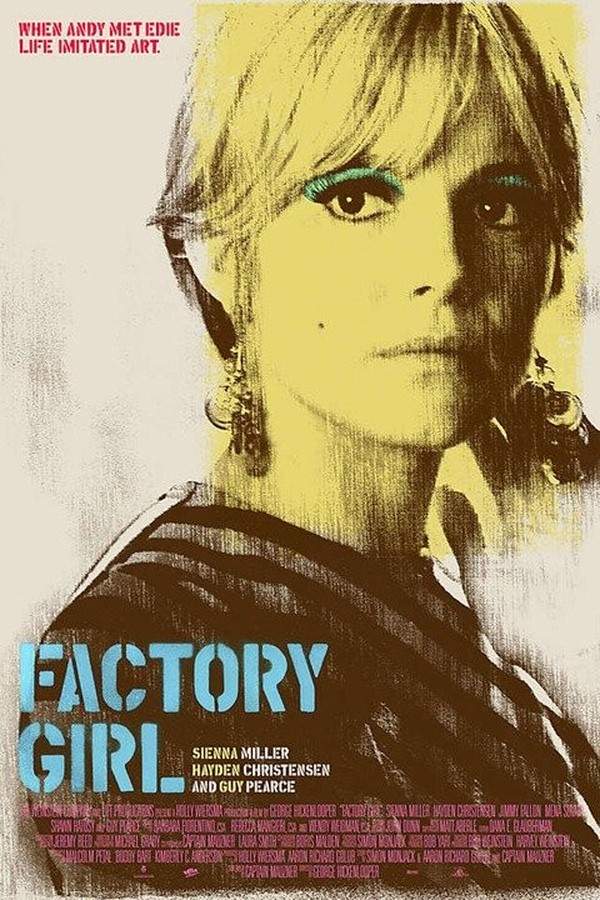
In the electrifying swirl of New York’s 1960s art world, a young woman from a privileged background arrives with a restless curiosity that draws her toward the city’s most famous studio. The era pulses with bold colors, avant‑garde experiments, and a sense that anything can be transformed into art, a backdrop that feels both glamorous and unnervingly fragile.
-
Edie Sedgwick steps into this scene, her ethereal beauty and yearning for genuine connection instantly catching the eye of the notorious pop‑artist who runs the legendary gathering space known as the Factory. As she navigates the glittering parties, fashion shoots, and experimental films that define the community, Edie becomes both participant and observer, caught between the dazzling allure of fame and the quiet longing for something more sincere.
-
Andy Warhol himself presides over the Factory with a mix of charisma and inscrutability, his visionary projects offering a magnet for young talent eager to be part of something groundbreaking. His relationship with Edie hints at a complex dance of influence and inspiration, where the line between muse and collaborator blurs amid the studio’s chaotic creativity.
The film’s tone balances the heady optimism of a generation daring to redefine culture with an undercurrent of melancholy, suggesting that the bright lights of the scene can conceal deeper yearnings. As the story unfolds, viewers are invited to linger in the world of bold self‑expression, watching these iconic figures seek identity, belonging, and artistry within a circle that celebrates excess while quietly questioning its own cost.
What Happens in Factory Girl?
The complete story of Factory Girl, from the first scene to the last, in 561 words (about 2 minutes). Spoilers throughout. Names in the text link to 3 cast member pages.
Spoilers ahead
Edie Sedgwick, portrayed by Sienna Miller, is an ethereal and wealthy young woman who captures the attention of the celebrity media in the vibrant 1960s, primarily through her connection with the enigmatic pop artist and filmmaker, Andy Warhol. Their partnership forms the centerpiece of a circle of hedonistic, carefree socialites who flock around Warhol as he reigns over his iconic studio, known as the Factory, where they indulge in lives filled with excess and self-deception.
The portrayal of Edie’s family is rather grim, reflecting the dysfunction in her background, while Andy is depicted as an immature and self-absorbed figure, forever on the hunt for affluent individuals to manipulate for his artistic pursuits. The narrative is framed by an interview with Edie in a hospital, taking place several years post her rise as a Warhol superstar.
In the mid-1960s, Edie is a young heiress studying art in Cambridge, Massachusetts. Her journey soon leads her to New York City, accompanied by her friend Chuck Wein. Inspired by Andy’s art, Edie aspires to create her own masterpieces, which piques Andy’s interest due to her affluent roots. With a family lineage tied to the oil industry, Edie becomes a key figure in Andy’s world, despite his reputation for creating provocative films that blur the lines of morality and art.
Haunted by a troubled past, including time spent in an asylum, Edie’s mental health is as fragile as her growing fame. As Andy invites her to participate in his underground projects, she becomes his muse, despite her being entangled in psychological issues stemming from childhood trauma and familial betrayal. With her father’s troubling behavior and the recent loss of her beloved brother, Minty, Edie’s past continues to gnaw at her.
As she transitions into the role of a Warhol superstar and an emerging youth-quake fashion model, Edie’s fame begins to flourish, alongside her burgeoning issues with spending and substance abuse. During this glamorous yet destructive phase, her family threatens to sever their financial support, urging Edie to come to terms with her spiraling expenditures. Andy’s jealousy towards Edie’s rumored romance with famed singer Billy Quinn complicates their relationship, leading to a series of manipulative and toxic interactions that push Edie deeper into despair.
Despite her intoxicating rise to prominence, Edie finds herself overshadowed as Andy replaces her with yet another affluent socialite. Her spiral into drug addiction worsens, ultimately alienating her from friends and the art world that once adored her. In a particularly harrowing moment, she accidentally endangers her life in a drug-fueled stupor, highlighting the severity of her addiction.
When friends attempt to reach out, they find her in a precarious state, struggling to reclaim her identity amid the chaos that has become her life. As Edie embraces the reality of her situation, she learns that her ongoing battle with substance dependency is far from over. Years later, in a poignant hospital interview, she expresses her determination to stay sober and create art once more, revealing a flicker of hope amid her disheartening journey.
The film concludes with a gripping reflection on Edie’s struggles, ultimately highlighting the tragic circumstance of her early death at just 28 due to a barbiturate overdose. Meanwhile, in a stark contrast, Andy is confronted with the legacy of their relationship during an interview, where he feigns indifference, suggesting he hardly knew her, sealing the complexity of their intertwined fates.
Factory Girl Timeline: Every Key Event in Order
13 key events in the order they happen, from “Edie's Wealthy Background” to “Andy's Indifference”. 5 events name a place, across 4 locations.
- 1
Edie's Wealthy Background
Edie Sedgwick is introduced as an ethereal young woman from a wealthy family in the 1960s. Her family background reflects a troubled lineage tied to the oil industry, which plays a significant role in her life and her connection to the art world.
When:Mid-1960s Where:Cambridge, Massachusetts
- 2
Journey to New York City
Edie embarks on a journey to New York City, accompanied by her friend Chuck Wein. This transition marks a pivotal shift in her life as she seeks to immerse herself in the vibrant art scene inspired by figures like Andy Warhol.
Where:New York City
- 3
Meeting Andy Warhol
Edie meets the enigmatic pop artist Andy Warhol, who is captivated by her affluent background. Their relationship begins to blossom, forming a partnership that will become central to the unfolding narrative of art and celebrity in the 1960s.
Where:The Factory
- 4
Participation in Warhol's Projects
As Edie becomes more integrated into Andy's world, she begins participating in his underground projects. Her role as his muse solidifies, yet her own mental health struggles extend through this collaborative artistic journey.
Where:The Factory
- 5
Struggles with Mental Health
Edie battles with fragile mental health issues, stemming from a troubled past and time spent in an asylum. This psychological turmoil complicates her rise to fame, juxtaposing her glamorous lifestyle with underlying distress.
- 6
Rise to Fame
With her involvement in Warhol's art scenes, Edie's prominence grows as both a superstar and a fashion model. However, this fame comes at a price, leading her further into issues related to substance abuse and spending.
- 7
Conflict with Family
As Edie's spending spirals out of control, her family threatens to withdraw their financial support. This ultimatum forces Edie to confront the reality of her situation and the impact of her choices on her familial relationships.
- 8
Toxic Relationship with Andy
Edie's rumored romance with singer Billy Quinn ignites jealousy in Andy Warhol, complicating their partnership. The ensuing manipulation and toxicity further deepen Edie's despair and emotional turmoil, exacerbating her addiction.
- 9
Spiraling into Addiction
Despite her meteoric rise, Edie's struggles with drug addiction worsen, alienating her from friends and the art world. This spiral culminates in a dangerous incident, highlighting the severity of her dependency on substances.
- 10
Attempts to Reclaim Identity
Edie's friends attempt to reach out during her darkest moments, but she battles to reclaim her identity amidst the chaos that envelops her life. This struggle reveals the complexity of her situation and the ongoing fight for self-acceptance.
Show the other 3 events of Factory Girl Hide the last 3 events
- 11
Hospital Interview Reflection
Years later, Edie reflects on her past experiences in a poignant hospital interview. She expresses her determination to stay sober and her desire to create art again, offering a glimmer of hope after enduring significant hardships.
Where:Hospital
- 12
Tragic Early Death
The film concludes with the tragic revelation of Edie's death at just 28 due to a barbiturate overdose. Her untimely passing serves as a heartbreaking testament to the issues surrounding fame, addiction, and personal struggle.
- 13
Andy's Indifference
In stark contrast to Edie's struggles, Andy Warhol is confronted during an interview about the legacy of their relationship. His feigned indifference and claims of hardly knowing her underscore the complex dynamics of their intertwined fates.
Who Are the Main Characters in Factory Girl?
3 characters, among them Edie Sedgwick (Sienna Miller), Andy Warhol (Guy Pearce) and Billy Quinn (Hayden Christensen): who each one is and the part they play in the story. Every profile links to the actor’s page.
-

Edie Sedgwick (Sienna Miller)
Played by Sienna Miller
Edie Sedgwick is depicted as a striking yet troubled heiress, whose search for identity through art and acceptance leads her into a whirlwind of fame and self-destruction. Her complex character reveals a blend of vulnerability and ambition, exacerbated by mental health struggles and familial dysfunction. Edie symbolizes the tragic cost of fame, as her ethereal beauty and creativity are marred by addiction and personal demons.
- 🌟 Heiress
- 🎨 Artist
- 😔 Troubled
-

Andy Warhol (Guy Pearce)
Played by Guy Pearce
Andy Warhol is portrayed as an enigmatic and self-centered artist who manipulates his social circle for his artistic gain. His character embodies the duality of ambition and emotional detachment, often using those around him as mere means to an end. His complicated relationship with Edie highlights the darker aspects of fame and influence within the art world.
- 🎨 Artist
- ⚡ Manipulator
- 😕 Egotistical
-

Billy Quinn (Hayden Christensen)
Played by Hayden Christensen
Billy Quinn is introduced as a famous singer whose rumored romance with Edie complicates her relationship with Andy. His character represents a contrasting element of desire and emotional intensity in Edie's life, ultimately acting as a catalyst for jealousy and further turmoil. Billy's presence serves to deepen the narrative of love, loss, and the complexities of human connections.
- 🎤 Singer
- ❤️ Love Interest
- 🤔 Complicated
Where and When Is Factory Girl Set?
Factory Girl is set in Cambridge, Massachusetts and New York City (1960s). Here is why the time and place matter to the story.
When
1960s
The film is set in the 1960s, a decade characterized by significant social upheaval and artistic experimentation. This period saw the rise of counterculture movements, which profoundly influenced art and fashion, creating an atmosphere that embraced excess and the avant-garde. Amid this turbulence, Edie's story reflects the struggles faced by many who sought solace and identity through fame and creativity.
Where
Cambridge, Massachusetts, New York City
The story unfolds in the vibrant backdrop of the 1960s, primarily focusing on Cambridge, Massachusetts, a hub of intellect and creativity where Edie Sedgwick studies art. This eventually leads her to the bustling streets of New York City, the epicenter of cultural change and artistic expression during this era. The dynamic environments of these cities mirror Edie's transformative journey through art, fame, and personal turmoil.
- 🏙️ City
- 🎨 Art
What Are the Themes of Factory Girl?
3 ideas the story keeps returning to, among them Fame, Loss and Despair.
-
01
Fame
Fame is a central theme in 'Factory Girl,' depicting both the allure and the pitfalls that accompany celebrity status. Edie's rise to prominence is portrayed as intoxicating but ultimately destructive, highlighting how the craving for recognition can lead to personal disintegration. The film explores the dichotomy of adoration and alienation faced by those who achieve notoriety in the artistic realm.
-
02
Loss
Loss pervades Edie's journey, influencing her mental state and relationships. The film not only depicts her familial issues and the emotional toll of her brother's death but also emphasizes the loss of identity that comes with addiction and the superficiality of fame. This theme resonates as Edie grapples with her past while trying to find herself amid the chaos.
-
03
Despair
Despair looms large in Edie's life, prominently featuring the impact of her troubled past and mental health struggles. The narrative portrays her descent into addiction and the isolating effects it engenders, showcasing how absolutely overwhelming her circumstances become. This theme resonates deeply, illustrating the fragility of human spirit in the face of overwhelming challenges.
What Kind of Film Is Factory Girl?
Dark in tone, with fast pacing and a moderate story, going by the plot summary.
- Tone
- Dark
- Pacing
- Fast
- Story
- Moderate
- Intensity
- High
- Ending
- Bleak
A fast-paced, dark biographical drama that immerses the viewer in the decadent but ultimately destructive whirlwind of 1960s fame, charting a tragic descent into addiction and exploitation with a heavy, melancholic atmosphere.
- decadent
- melancholic
- frenetic
- tragic
- gritty
- alienating
- fame and celebrity
- drug addiction
- artistic exploitation
- mental health
Content notes: drug abuse, overdose, psychological manipulation, incest, childhood trauma, electroshock therapy.
Quiz
How well do you remember Factory Girl? Test yourself on the story.