What Is Edward II About?
The premise of Edward II in 284 words, with nothing given away. The full story follows below.
In the shadowed halls of 14th‑century England, a kingdom teeters between the pomp of royalty and the raw pulse of medieval politics. The court is a tapestry of gilded ceremony, stern clergy, and hard‑won military tradition, all humming with an undercurrent of unease. Light filters through stained glass, casting colors onto marble floors that have witnessed both grand feasts and whispered conspiracies, setting a tone that feels simultaneously regal and precarious.
Edward II ascends the throne with a heart that beats louder than any crown he wears. His devotion to the low‑born Piers Gaveston is fierce and public, turning the monarch’s private longing into a matter of state. Their bond is a dazzling, almost theatrical display of affection that draws admiration, envy, and scandal in equal measure, making the intimate feel inevitable in the grand arena of governance.
At the opposite side of the throne sits the icy, determined Isabella, whose marriage to the king has grown cold with jealousy and resentment. Unwilling to be sidelined, she begins to navigate the labyrinth of power, aligning herself with the formidable Mortimer, a figure whose influence over the military and the realm’s machinations is unmistakable. Their tentative partnership hints at a delicate balance of ambition and survival, suggesting that personal desire and political calculus are inextricably linked.
The film paints its world with a lush, operatic brush—rich costumes, haunting music, and a lingering melody that underscores every glance and gesture. It invites viewers into a drama where love and duty clash, where the intimacy of a king’s heart reverberates through the stone corridors of a kingdom, and where the subtle currents of intrigue promise that no affection can remain untouched by the weight of the crown.
What Happens in Edward II?
The complete story of Edward II, from the first scene to the last, in 1,029 words (about 4 minutes). Spoilers throughout. Names in the text link to 3 cast member pages.
Spoilers ahead
Edward II Steven Waddington is crowned and immediately reopens the door to a high-risk romance, inviting his longtime friend and lover, Piers Gaveston Andrew Tiernan, back to England from exile. He showers Gaveston with gifts, titles, and unwavering affection, turning their relationship into a blazing center of attention that gleams with passion yet casts a long, sharp shadow over the kingdom. The court, the clergy, and the military all oscillate between fascination and scorn as the pair move through political corridors that tremble at the idea of a king who prioritizes desire over decorum. The dynamic is a stark collision of personal hunger and public duty, where every gesture Gaveston makes is a flashpoint for scandal, and every gesture Edward returns is a gamble with the throne.
From the moment Gaveston returns, the story tightens around the mounting opposition. Kent [Jerome Flynn], Edward’s brother and a vocal defender of the realm’s codes, is among the first to voice protests about Gaveston’s influence over the king. The Bishop of Winchester [Dudley Sutton], a figure of piety and authority, along with Lord Mortimer [Nigel Terry], who commands the kingdom’s military forces, echo the chorus of dissent that begins to threaten the couple’s safety. Yet Edward remains resolute, shielding Gaveston from the growing chorus of enemies who whisper about dethronement or exile. The court’s somber, businesslike mood—where officials in tailored suits replace ornate robes in a symbol-laden court—underscores the collision between a love story and a state that refuses to bend to private passions.
Isabella, Edward’s French wife, cast in the role of the queen who seeks to reclaim a broken marriage, launches a desperate campaign to win back her husband. Tilda Swinton embodies a woman who tries the full array of appeals, from pleas to displays of desire, but she meets a king transfixed by Gaveston’s spell. When she cannot pull him back, Isabella turns to Gaveston herself, drawn into the same intoxication that has ensnared the king. Their exchanges are charged with a wicked wit, and Gaveston’s whispered provocations puncture every layer of royal restraint. The tension between duty and desire becomes the engine of the drama, as Isabella’s attempts to mediate fail to break the bond that defines Edward’s reign.
As Gaveston’s popularity grows among some factions and his enemies sharpen their knives, the king’s court is rocked by interruptions and escalations that threaten to tear the realm apart. The lovers’ separation follows a moment of brutal political calculation: Gaveston is sent away, and the court tunes itself to a melancholy cadence, even as the memory of their closeness lingers like a haunting melody. The moment is punctuated by a serenade, with Annie Lennox lending her voice to Cole Porter’s “Ev’ry Time We Say Goodbye,” a musical choice that mirrors the bittersweet, almost operatic sorrow that threads through the narrative. The tone blends romantic intoxication with a chilling undercurrent of political calculation, a reminder that private passion can illuminate a king’s weaknesses just as surely as it can illuminate his realm’s vulnerabilities.
Despite the separation, the cycle of intrigue continues. The queen’s hope for reconciliation flickers briefly, only to be extinguished when Gaveston returns to the king’s side. The lovers refill the well of their forbidden closeness, yet the court—tired of scandal and hungry for control—prepares for a more decisive intervention. Isabella, now allied with Mortimer in a more cynical bid for power, schemes to shepherd the king’s lineage toward a future in which their own influence over England remains unchallenged. The young Edward III, Edward and Isabella’s neglected son who has witnessed the hostilities, becomes a chilling symbol of what is at stake: a kingdom where a prince’s image is shaped by the quarrels of his parents rather than by real authority.
Tensions erupt into outright brutality as Mortimer’s leadership turns sadistic. In scenes that fuse political plotting with personal cruelty, Gaveston and their ally Spencer [John Lynch] are subjected to torture. The narrative does not flinch from showing a brutal, orchestrated assault on power and affection alike as Outrage, a symbol of resistance to oppression, collides with state force. The torture sequences are contrasted with political maneuvering and the slow, inexorable march toward catastrophe, highlighting how quickly a realm that once celebrated love can descend into vengeance and cruelty.
The end arrives with a cascade of assassinations. Gaveston, Spencer, and others are killed in a purge that leaves Edward, the king who loved too deeply, imprisoned. The execution is rendered as a nightmare sequence in which he faces a grisly, almost ritual end: impalement on a red-hot poker. The moment is framed as a nightmare from which the imprisoned monarch awakens, a disturbing reminder of the fragility of power and the cost of passion. When the executioner finally appears, he discards the ancient weapon and instead kisses the man he was sent to kill, a final, unsettling note on the paradoxes of loyalty and desire that haunt the tale.
In the castle’s shadowed halls, Mortimer and Isabella savor a fleeting triumph. But the victory is hollow, because the crown’s future is scrawled in the margins of the palace’s personal dramas. The scene shifts to the young Edward III, who, isolated from his parents’ quarrels, reveals the cost of ruling through fear and manipulation. Wearing his mother’s earrings and lipstick, and listening to a classical refrain on a Walkman as he stands atop a cage that imprisons his mother and Mortimer, the scene crystallizes the tragedy: a prince who inherits a fractured throne and a heart that has learned too well the language of power, betrayal, and control.
The film unfolds as a sweeping, operatic tragedy that blends historical entanglement with intimate, dangerous love. It traces the arc from royal adoration to political ruin with a cool, unflinching lens, allowing the viewer to witness how personal loyalties collide with national ambitions. It is a story of how passion can both empower and condemn, how a king’s devotion to a beloved can become the very seed of his downfall, and how a child, growing up amid the wreckage of his parents’ rivalry, must navigate a realm shaped by a long memory of power, rebellion, and the cost of mercy.
Edward II Timeline: Every Key Event in Order
15 key events in the order they happen, from “Edward II becomes king and welcomes Gaveston” to “Mortimer and Isabella's brief triumph; Edward III's anguished future”. 15 events name a place, across 9 locations.
- 1
Edward II becomes king and welcomes Gaveston
After the death of his father, Edward II is crowned and immediately invites his former exile friend, Piers Gaveston, back to England. He showers Gaveston with gifts, titles, and displays of love, signaling an intimacy that unsettles the court.
When:early reign Where:England
- 2
Gaveston tortures the Bishop of Winchester
Gaveston wastes no time asserting his power and personally tortures the Bishop of Winchester, who had banished him during the previous reign. The act signals the new king's brutal reach and foreshadows a court in upheaval. The bishop's torment marks Gaveston's perilous return to favor.
When:soon after return Where:Winchester
- 3
Kent protests Gaveston's return
Edward's brother Kent publicly protests Gaveston's return, warning of serious consequences. Other nobles share his concern as fear of Gaveston's influence grows.
When:early reign Where:Royal court
- 4
Mortimer and the Bishop oppose Gaveston; Edward defends him
Lord Mortimer and the Bishop of Winchester join the royal opposition to Gaveston. Edward chooses to defend his lover against mounting enemies, fracturing the court's unity.
When:early reign Where:Royal court
- 5
Isabella tries to win back her husband
Queen Isabella, Edward's wife, vainly tries to win him back from Gaveston but is mercilessly rejected. Her efforts expose the strain in the royal marriage.
When:early reign Where:Palace
- 6
Gaveston inflames Isabella's desires
Gaveston inflames Isabella's desires by whispering obscenities in her ear, complicating political loyalties. The liaison deepens the court's divisions and makes Gaveston even more vulnerable.
When:during Gaveston's influence Where:Isabella's chambers
- 7
Gaveston's exile and forced separation
As threats to Gaveston rise, Edward is forced to send his lover away to appease the nobles. The kingdom braces for a deeper rift between the king and his wife.
When:pre-separation Where:Castle
- 8
Farewell and Ev'ry Time We Say Goodbye
The lovers part, and their farewell is underscored by Annie Lennox's rendition of 'Ev'ry Time We Say Goodbye'. The music marks the emotional cost of political pressure on their relationship.
When:separation moment Where:Castle
- 9
Gaveston returns again; Isabella's reconciliation attempt
Isabella hopes Gaveston's absence will allow reconciliation, but Edward again rejects her. In a last effort to regain his affection, she allows Gaveston to return, renewing the king's affair.
When:later Where:Castle
- 10
Isabella and Mortimer plot to rule through Edward III
Isabella and Mortimer, now lovers, plot to rule the realm through Edward and the young prince, Edward III. Mortimer, a military man, leads the bid, setting the stage for civil strife.
When:rising conspiracy Where:Court
Show the other 5 events of Edward II Hide the last 5 events
- 11
Kent's murder reveals the depths of treachery
Kent attempts to intervene to save his brother but is murdered by Isabella. The act underscores the dangerous convergence of personal vendetta and political ambition.
When:escalating plot Where:Castle
- 12
Torture and public clash with Outrage
Mortimer tortures Gaveston and their friend Spencer, reveling in sadistic control. Meanwhile, a clash between police and the gay rights group Outrage underscores the era's volatility.
When:height of crisis Where:Castle
- 13
Gaveston and Spencer assassinated; Edward imprisoned
Gaveston and Spencer are assassinated; Edward, who has been thrown into a dungeon, learns of their deaths. The kingdom's collapse accelerates as the king's closest allies fall.
When:aftermath of torture Where:Castle dungeon
- 14
Edward II's death and nightmare of final fate
Edward is depicted to be executed by impalement in a dungeon, a nightmare that blurs with his awakening. The executioner, when he does arrive, discards the weapon and kisses the man he was sent to kill.
When:death scene Where:Dungeon
- 15
Mortimer and Isabella's brief triumph; Edward III's anguished future
Back in the castle, Mortimer and Isabella briefly revel in their triumph. The neglected Edward III, wearing his mother's earrings and lipstick, walks atop a cage imprisoning his mother and Mortimer, listening to classical music on a Walkman.
When:final scene Where:Castle
Who Are the Main Characters in Edward II?
7 characters, among them Edward II (Steven Waddington), Piers Gaveston (Andrew Tiernan) and Isabella (Tilda Swinton): who each one is and the part they play in the story. Every profile links to the actor’s page.
-

Edward II (Steven Waddington)
Played by Steven Waddington
The king whose passion for Gaveston drives policy and provokes a powerful nobility. His devotion blinds him to mounting political risk, and his insistence on personal happiness fuels a cycle of betrayal and punishment. Ultimately, his authority crumbles under the weight of court intrigue and cruel retribution.
- 👑 King
- 💘 Lover
- ⚖️ Power struggle
- PG
Piers Gaveston (Andrew Tiernan)
Played by Andrew Tiernan
The king’s friend and lover, a charismatic though provocative figure whose presence unbalances the court. His assertive nature and defiance of church and noble authority provoke fierce opposition, fueling a deadly backlash. Gaveston’s influence catalyzes the tragic arc of Edward II’s reign.
- 🔥 Lover
- 🎭 Hedonist
- 👑 Ambition
-

Isabella (Tilda Swinton)
Played by Tilda Swinton
Queen and wife of Edward II, she alternates between romantic rejection and political maneuvering. Her alliance with Mortimer reveals a pragmatic yet ruthless approach to ruling, highlighting the queen’s role in the court’s power games. She seeks to control the crown through calculated moves and loyalties.
- 👑 Queen
- 💔 Rejected wife
- 🗝️ Power broker
- RM
Roger Mortimer (Nigel Terry)
Played by Nigel Terry
A military and political mastermind who becomes the king’s rival and Isabella’s partner in governance. He masterminds plots to seize control and orchestrates brutal acts against Gaveston and their enemies. Mortimer embodies the ruthless pursuit of power and the mechanics of political domination.
- ⚔️ Power broker
- 🗡️ Tyranny
- 🧭 Schemer
-

Kent (Jerome Flynn)
Played by Jerome Flynn
Edward II’s brother and a vocal opponent of Gaveston’s return. He embodies loyal opposition within the court and acts as a moral counterweight to the king’s indulgences. His firm stance against the king’s entanglements heightens the danger surrounding the throne.
- 🛡️ Noble
- ⚖️ Opposer
- 💔 Tragic death
-
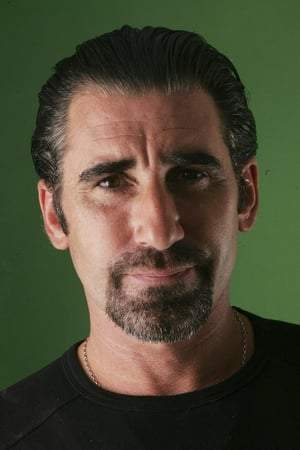
Spencer (John Lynch)
Played by John Lynch
A close confidant to Gaveston and a target of Mortimer’s cruelty. His torture illustrates the brutal methods used to suppress dissent and punish those close to the king. Spencer’s fate underscores the cost of defying the ruling faction.
- 🤝 Ally
- 💔 Victim
- 🗡️ Torture
- PE
Prince Edward (Edward III) (Jody Graber)
Played by Jody Graber
The king’s young son, heir to the throne, who witnesses the court’s decadence and violence. His mother’s earrings and lipstick symbolize a divided upbringing, while his presence foreshadows a future monarchy shaped by neglect and intrigue. The prince embodies the next generation’s burden in a destabilized realm.
- 👑 Heir
- 🧒 Young
- 🕊️ Future ruler
Where and When Is Edward II Set?
Edward II is set in England, Royal Court, Castle and Dungeon (14th century). Here is why the time and place matter to the story.
When
14th century
The story unfolds in early 1300s England, a period of dynastic struggle and political scheming at the highest levels of royalty. It depicts the volatile mix of courtly romance, factional opposition, and brutal punishment that characterizes the era. Although filmed with contemporary stylistic touches, the events trace a classic medieval power saga centered on Edward II and his circle.
Where
England, Royal Court, Castle, Dungeon
The action centers in the English royal court and its surrounding locales—a sprawling castle, opulent chambers, and a dungeon where power clashes with pride. The settings emphasize a medieval monarchy under siege by internal rivals and public scrutiny. The film stages these spaces as stages for tyranny, rebellion, and personal vendettas that redefine the realm.
- 🇬🇧 England
- 🏰 Royal Court
- 🗝️ Political Intrigue
What Are the Themes of Edward II?
4 ideas the story keeps returning to, among them Power & Desire, Betrayal & Tyranny and Public vs Private.
-
01
Power & Desire
Edward II’s obsession with Gaveston drives royal decisions and destabilizes governance. The king’s private longing becomes a public crisis as nobles question his legitimacy. The film links erotic passion directly to political risk, showing how desire can imperil a kingdom as surely as war.
-
02
Betrayal & Tyranny
Enemies weaponize personal weakness to seize control, culminating in torture, assassination, and a coup against the throne. Mortimer’s scheming and Isabella’s shifting loyalties expose the brutality of court politics. The narrative presents tyranny as a mechanism of both violence and manipulation.
-
03
Public vs Private
The royal couple’s private passions are performed for a public audience, turning intimate life into political theater. Public opinion, gossip, and sanctioned executions become tools to suppress dissent. The film underscores the performative nature of power and the costs of keeping up appearances.
-
04
Legacy & Succession
Edward II’s downfall reverberates through the line of succession, shaping the young Edward III and the future of the realm. The plot hints at dynastic ambitions that persist beyond a single ruler, with Mortimer and Isabella shaping the monarchy’s future at the expense of the king. The final scenes reflect on how neglect of the realm’s continuity breeds long-term instability.
What Kind of Film Is Edward II?
Dark in tone, with variable pacing and a moderate story, going by the plot summary.
- Tone
- Dark
- Pacing
- Variable
- Story
- Moderate
- Intensity
- High
- Ending
- Bleak
A dark, operatic, and intense historical tragedy that charts the brutal collision between a king's obsessive passion and the ruthless machinery of state power, culminating in a bleak and violent downfall.
- tragic
- oppressive
- passionate
- operatic
- unflinching
- melancholic
- forbidden love
- political corruption
- betrayal
- queer romance
Content notes: torture, assassination, anal rape, political violence, homophobic violence.
Quiz
How well do you remember Edward II? Test yourself on the story.