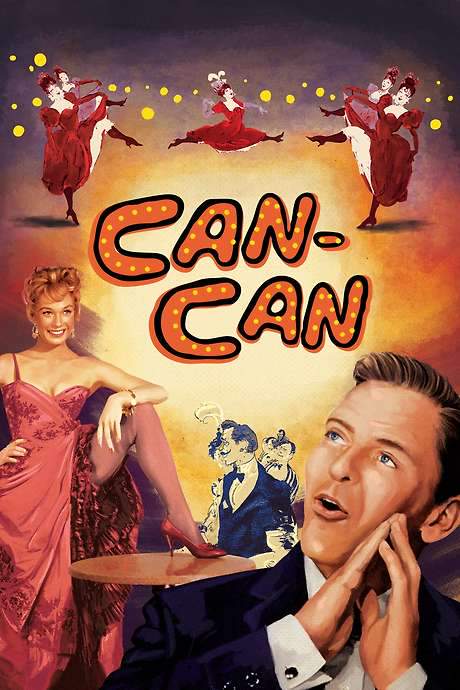
What Is Can-Can About?
The premise of Can-Can in 310 words, with nothing given away. The full story follows below.
In the glittering heart of Montmartre, Paris hums with a restless energy that spills onto cobblestone streets and into the smoky foyers of its night‑life. The city’s pulse is set by the daring rhythm of the can‑can, a spectacle that twirls between scandal and celebration, drawing a crowd that craves both elegance and rebellion. Against this backdrop, a flamboyant cabaret becomes the stage for a clash of worlds—where art flirts with propriety and every high kick seems to echo a challenge to the status quo.
At the center of it all is Simone Pistache, the magnetic proprietor and star dancer whose fearless choreography turns the bal du Paradis into a haven of liberated expression. With a sparkle in her eye and a confidence that commands the floor, she embodies a spirit of independence that both attracts admirers and provokes the city’s more conservative guardians. Her charisma is matched only by her devotion to the club’s survival, making her a beacon for those who seek refuge in music, dance, and unapologetic joy.
Opposite Simone’s exuberance stands Paul Barrière, a self‑righteous magistrate whose sense of duty frames the can‑can as a threat to public decency. Intrigued—and increasingly unsettled—by the allure of the cabaret, he devises a discreet plan to observe the performance up close, hoping to confirm his suspicions. Meanwhile, Simone’s steadfast companion, François Durnais, a clever lawyer with a protective streak, stands ready to defend her world against legal scrutiny, their partnership a blend of affection and fierce loyalty.
As the lights of the theater flicker and the city’s whispers grow louder, the tangled relationships among these three individuals hint at a tantalizing dance of desire, principle, and humor. The inevitable collision of Simone’s free‑spirited artistry with Paul’s moral rigor, under François’s watchful eye, promises a playful yet poignant exploration of love and liberty in a Paris that never stops moving.
What Happens in Can-Can?
The complete story of Can-Can, from the first scene to the last, in 718 words (about 3 minutes). Spoilers throughout. Names in the text link to 4 cast member pages.
Spoilers ahead
In the lively heart of Montmartre, Paris, the Bal du Paradis glows every night with a daring can-can that many deem lewd, even as it dazzles a crowd hungry for spectacle. The cabaret’s star, dancer and proprietor Simone Pistache choreographs the high-kicking numbers with a fearless mix of grace and mischief, turning the stage into a haven where music, movement, and flirtation fuse into something electric. The club’s orbit broadens when her lover and ally, the clever and protective François Durnais, a lawyer by trade, brings along his powerful friend, the chief magistrate Paul Barrière. Their presence promises protection, but it also pulls the dance hall into a maze of law and desire that neither Simone nor the men fully anticipate.
One busy evening, a police raid shatters the routine. Claudine—one of the dancers on Simone’s stage—along with her colleagues, are hauled before the court. The charges hang over the club like a storm cloud, and the air between the raided performers and the judges crackles with unresolved tension. Paul Barrière wishes the women’s arrests dismissed, hoping to shield the Bal du Paradis from scandal. Yet his younger associate, Philippe Forrestier, believes the law must be upheld to preserve public decency. With a mix of cunning and caution, Philippe slips into the cabaret in disguise, gathering evidence and, almost by accident, meeting Simone in a way that stirs a surprising and forbidden attraction. She senses his true identity, but his charm is overshadowed by the reality of his job, and Claudine soon warns her that the man is a judge with the power to decide her fate.
Despite this growing pull, Philippe presses ahead, and Simone is arrested once more when a raid is staged. In a bid to bend the outcome, François resorts to blackmail, threatening to expose a compromising photograph that could topple Philippe’s case. Yet Philippe counters with a surprising resolve: he has already decided to step away from the case, and then he makes a bold proposal—romance and commitment—asking Simone to marry him. Simone, torn between her independence and the possibility of a future with Philippe, asks François to stay out of the arrangement, but he refuses the notion of ever tying himself to marriage. As plans swirl, Paul worries that Philippe’s career may crumble if he takes the leap, but the younger man forges ahead, determined to chart his own path.
When the couple’s engagement seems to invite a new era of legitimacy, Paul devises a plan to test the truth in a different way. He stages a lavish riverboat party for the would-be bride and groom, hoping to trap them in a moment of weakness. Under the influence of wine and performance, Simone is coaxed into a bawdy routine before a refined, upper-class audience. Humiliation follows as she staggers away from the boat, vowing to leave Philippe behind and questioning whether love can survive among judgment and social scrutiny.
Yet the flames of ambition and loyalty burn bright. Simone accepts a loan from François to mount a grand ball, securing the deed to the café as collateral to finance her dream. On the night of the ball, a calculated twist of fate brings François back into a position of legal ownership, and Simone plans her own move of revenge by triggering another raid that lands François in custody, a reversal that unsettles the status quo and tests the limits of their entangled loyalties.
As the courtroom prepares to dismiss for lack of undeniable evidence, the moral league’s president insists that action be taken against the can-can itself. Paul suggests a provocative alternative: let the court witness the dance firsthand to determine whether it is truly obscene. A final can-can erupts in defiance of prejudice, and the verdict seems to tip toward forgiveness and understanding. Yet the night’s revelations reshape every relationship in the room: Simone stands face to face with François inside a jail wagon, and in a surprise twist, he finally asks for her hand in a future that may still be possible, if she can overlook the past and embrace what lies ahead. In the glow of the cabaret’s lanterns and the echo of the crowd’s cheers, two hearts finally converge, leaving the question of marriage open to new possibility as the can-can continues to pulse through the Paris night.
Can-Can Timeline: Every Key Event in Order
14 key events in the order they happen, from “Bal du Paradis and the nightly can-can” to “Final twist: can-can vindicated; proposal on the way”. 14 events name a place, across 13 locations.
- 1
Bal du Paradis and the nightly can-can
In Montmartre, Simone Pistache runs Bal du Paradis where the can-can is performed nightly and draws crowds. The routine is treated by some as lewd, foreshadowing the moral scrutiny that will follow. The cabaret establishes the world of performers and ambitions that intersect with the law.
When:Nightly Where:Bal du Paradis, Montmartre
- 2
Police raid and arrests
A police raid storms the Bal du Paradis, arresting Claudine and the other dancers on charges of public indecency. They are brought before the court, beginning a heated legal battle over morality, art, and punishment. The raid marks the start of a clash between the dancers and the authorities.
When:Night of raid Where:Bal du Paradis, Montmartre
- 3
Paul and Philippe clash over charges
Paul Barrière wishes the charges to be dismissed, arguing for leniency. His younger colleague Philippe Forrestier insists that the laws against public indecency must be enforced. The disagreement sets the tone for the legal drama to come.
When:After the raid Where:Courtroom / Legal offices
- 4
Philippe goes undercover and meets Simone
Undercover, Philippe visits the café, posing as a patron to gather evidence. He befriends Simone and is drawn to her, though Claudine warns him that he is a judge. The encounter complicates his sense of duty and desire.
When:During undercover investigation Where:Bal du Paradis / Café
- 5
Second raid; Simone arrested
Despite his attraction, Philippe leads another raid on the café and Simone is arrested. The arrest raises the stakes as the case moves toward trial. The conflict tests the boundaries between love and professional obligations.
When:Later that night Where:Bal du Paradis
- 6
François blackmails Philippe
François Durnais attempts to blackmail Philippe with a compromising photograph to drop the charges. Philippe, however, has already decided to stop the case, resisting the pressure from François and the powerful circles surrounding them. The threat heightens the personal stakes of the legal battle.
When:After arrest Where:Philippe's office
- 7
Philippe proposes to Simone
In a startling twist, Philippe shocks Simone by proposing marriage, signaling his decision to end the case is tied to a personal pledge. Simone is wary of a life bound to a man whose career could be compromised. The moment shifts the dynamic from law to love.
When:Immediately after decision to stop the case Where:Private setting
- 8
Paul warns against marriage
Paul tries to dissuade Philippe from marrying, fearing it could ruin his career. Philippe ignores the warning, choosing love over principle. The professional and personal loyalties collide once more.
When:After the engagement proposal Where:Office
- 9
Riverboat party and humiliation
To sabotage the engagement, Paul arranges a party for the couple aboard a riverboat. François gets Simone drunk and encourages her to perform a bawdy routine before upper-class guests, humiliating her in public. The stunt tests Simone's resolve and pushes her toward a drastic choice.
When:During the party Where:Riverboat
- 10
Simone takes a loan to stage a ball
Simone borrows money from François to stage a grand ball, offering the deed to the café as collateral. The loan gives her leverage and ties François more closely to the café’s fate. The arrangement foreshadows the reversal of fortunes that follows.
When:Between riverboat incident and ball Where:François's office / Café
Show the other 4 events of Can-Can Hide the last 4 events
- 11
Ball night raid; François arrested
On the ball's night, Simone orchestrates a police raid that arrests François, who is now the legal proprietor of the café. The raid flips the power dynamics and revives the case in court. The scene culminates in renewed legal maneuvering and public interest.
When:Night of the ball Where:Café Bal du Paradis
- 12
Trial; Simone hesitates to testify
At the trial, Simone is called to testify but cannot bring herself to condemn François. Her reluctance weakens the prosecution and keeps the charges hanging. The moral conflict remains unresolved as affection complicates justice.
When:During the trial Where:Courtroom
- 13
Moral league pressure and the can-can test
The president of the local moral league presses for action, arguing the court should declare the performance indecent. Paul urges the court to view the dance to decide its indecency. A can-can is staged for inspection, and the court's verdict seems to soften the moral panic as the dance appears non-obscene.
When:During the trial Where:Courtroom / Performance area
- 14
Final twist: can-can vindicated; proposal on the way
The can-can is deemed not obscene, and the tension culminates with Simone being escorted toward a jail wagon where she discovers François inside. He finally proposes, delivering a romantic twist as the couple’s fate is sealed by love and the law.
When:End of the trial Where:Jail wagon / surrounding area
Who Are the Main Characters in Can-Can?
5 characters, among them Simone Pistache (Shirley MacLaine), François Durnais (Frank Sinatra) and Paul Barrière (Maurice Chevalier): who each one is and the part they play in the story. Every profile links to the actor’s page.
-

Simone Pistache (Shirley MacLaine)
Played by Shirley MacLaine
A confident dancer and the proprietor of Bal du Paradis, Simone embodies independence and flair. She expertly navigates romance, business, and the political machinations around her cabaret. Her wit and resilience drive the plot as she turns schemes against her in a bid to control her own fate.
- 💃 Protagonist
- 🗼 Dancer
- 🎖️ Ambitious
-
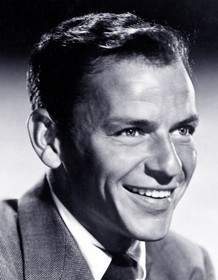
François Durnais (Frank Sinatra)
Played by Frank Sinatra
A lawyer and Simone's lover who moves through circles of power with charm and a willingness to manipulate when advantageous. He uses pressure and a compromising photograph to influence outcomes, but his feelings complicate his actions. Ultimately, he reveals a more personal stake in Simone's future by proposing a marriage.
- 💼 Manipulator
- ❤️ Lover
- 🕊️ Complex
- PB
Paul Barrière (Maurice Chevalier)
Played by Maurice Chevalier
The chief magistrate whose goal is to enforce public decency, maintaining order in a town where art and appetite collide. He orchestrates events that test loyalties and exposes the tension between legal authority and personal interests. His schemes push the story toward its climactic resolution.
- ⚖️ Authority
- 🧭 Strategist
- 🕵️ Gatekeeper
-

Philippe Forrestier (Louis Jourdan)
Played by Louis Jourdan
A younger colleague who initially champions the decency laws, believing in a strict application of the rules. He is drawn to Simone, which complicates his decisions as the case evolves. He ultimately chooses a path that shifts the case away from punishment and toward reconciliation, culminating in a marriage proposal.
- 👨⚖️ Judge
- 💘 Romantic
- 💡 Torn
- C(
Claudine (Juliet Prowse)
Played by Juliet Prowse
A fellow dancer and confidante who acts as a wary ally to Simone. Claudine provides crucial warnings about risks and identities, helping to illuminate the moral ambiguities surrounding the lovers and the legal drama. She represents the ensemble of performers who push back against oppressive norms.
- 🎀 Ally
- 🗯️ confidant
- 🎶 Dancer
Where and When Is Can-Can Set?
Can-Can is set in Montmartre, Paris and Bal du Paradis (Late 19th century (Belle Époque)). Here is why the time and place matter to the story.
When
Late 19th century (Belle Époque)
Set during the Belle Époque in Paris, the period is marked by artistic exploration, opulent social life, and rapid urban growth. The city thrives on theater, dance, and fashionable salons, even as strict public morality laws loom over performances. This clash between liberal entertainment and conservative social codes drives much of the plot.
Where
Montmartre, Paris, Bal du Paradis
The story unfolds in Montmartre, a bohemian neighborhood in Paris known for its cabarets and artist circles. Bal du Paradis is the centerpiece—a bustling cabaret where can-can dances light up the stage and spectators from all social classes mingle. The setting captures the mix of glittering nightlife and underlying social tensions that defined the era.
- 🎪 Cabaret culture
- 🏛️ Belle Époque Paris
- 🎭 Nightlife
What Are the Themes of Can-Can?
3 ideas the story keeps returning to, among them Love vs. Norms, Law and Morality and Artistic Expression.
-
01
Love vs. Norms
A romance blooms across class and professional boundaries, testing personal desires against societal expectations. Simone's independence and charm draw in François and Philippe, forcing them to choose between duty and affection. The love triangle exposes how societal norms constrain genuine connection, yet also how passion can overturn them.
-
02
Law and Morality
Public decency laws and moral leagues drive the conflict, with authorities debating what constitutes indecency on stage. The court becomes a battleground where rules are tested, rewritten, or ignored in the name of art. The climax hinges on the question: who defines morality—the law or the performer?
-
03
Artistic Expression
Performance is both a livelihood and a form of resistance. The can-can, once deemed lewd, is challenged and ultimately affirmed as legitimate entertainment. The film uses dance as a lens to explore freedom of expression versus censorship and social control.
What Kind of Film Is Can-Can?
Light in tone, with steady pacing and a moderate story, going by the plot summary.
- Tone
- Light
- Pacing
- Steady
- Story
- Moderate
- Intensity
- Medium
- Ending
- Happy
A vibrant and flirtatious musical comedy that fizzes with romantic tension, high-kicking dance numbers, and the spirited clash between artistic freedom and stuffy moral judgment in belle epoque Paris.
- lively
- romantic
- playful
- defiant
- glamorous
- entertaining
- romantic entanglement
- nightlife scene
- law vs. art
- social scandal
Content notes: public humiliation, false arrest.
Quiz
How well do you remember Can-Can? Test yourself on the story.