
Battles Without Honor and Humanity: Final Episode 1974

Directed by
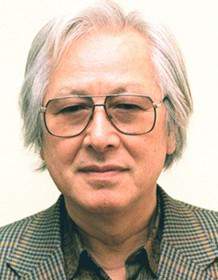
Kinji Fukasaku
Made by

Toei Company
Where to Watch Battles Without Honor and Humanity: Final Episode
See current US streaming, rental, and purchase options for Battles Without Honor and Humanity: Final Episode (1974) via JustWatch.








Battles Without Honor and Humanity: Final Episode Plot Summary
Read the complete plot summary and ending explained for Battles Without Honor and Humanity: Final Episode (1974). From turning points to emotional moments, uncover what really happened and why it matters.
Hideo Hayakawa, now serving as the Secretary General of the rebranded power bloc known as the Tensei Coalition, confronts a shifting underworld landscape after Akira Takeda is released from prison on a technicality. Takeda consolidates Hiroshima’s families, moves them away from a pure yakuza image, and steps to the top as Chairman, while Katsutoshi Otomo assumes the role of Vice Chairman, and Tamotsu Matsumura becomes Managing Director. The inner circle also includes Shoichi Eda as a Director and Hirono’s faction in the background, all imagining a political future that could coexist with their old loyalties.
Tension simmers when Hirono’s men clash with low-level Tensei supporters. The elder yakuza figure Katsutoshi Otomo and Hideo Hayakawa press for yubitsume, the ritual punishment, but a vote among the coalition reshapes the response: Matsumura is tasked with disciplining the offenders to shield the public image from overt yakuza rituals. The year 1966 deepens the rift when Terukichi Ichioka, a friend of Hirono, loses a Tensei adviser to an assassination-like killing and attends the funeral, fanning Otomo’s resolve to strike back. Takeda warns that any reaction that escalates will get expelled from Tensei, creating a fragile balance between loyalty and power.
The police soon raid Tensei offices and seize illegal firearms, a blow that lands Takeda in custody. But on the eve of arrest, Takeda had already called an emergency meeting to decide a successor should he be detained. He selects Matsumura, while Hayakawa pushes for Otomo; Takeda has scripted the voting to favor a fresh face not closely tied to the old yakuza networks. In the wake of Takeda’s arrest, the coalition grows uneasy. Otomo moves to eliminate Matsumura, and Hayakawa’s response teeters on a knife’s edge as Otomo is released on bail and returns to Tensei, while Hayakawa refuses Otomo’s plea for help in avenging Ichioka, setting a volatile stage for a broader confrontation.
The year 1969 marks a crucial pivot: Masakichi Makihara is paroled, and both the Tensei faction and Otomo/Hayakawa vie for his allegiance, with the former ultimately buying his support. Around the same time, Mano Toyoaki and Ichimatsu Kubota defect from their bosses to join the Tensei Coalition for a hefty payoff. But the shifting loyalties are short-lived, as Mano’s reports lead Otomo to realize he has been betrayed. Hayakawa’s decision to stand down in public, even as violence erupts elsewhere, results in his arrest and a chilling moment of restraint within the movement.
Matsumura, sensing the coalition’s evolution beyond politics, declares that the Tensei Coalition is no longer merely a political group and demands unwavering loyalty to him as boss. Hayakawa refuses, announcing his retirement, a signal that the old guard is stepping back from the day-to-day leadership as the new generation asserts itself.
When Takeda is released again in 1970, he resumes his position and begins calculating how to handle Hirono’s looming release. The tension across the families intensifies, prompting a cycle of strategic moves and counter-moves. Makings of a larger reconciliation—or a deeper fracture—hang in the balance as the police grow more vigilant and power reorganizes around the men who survive the upheaval.
Against this backdrop, the final act shifts toward a formalized transition. Matsumura travels to Osaka to stage a formal installation and to invite a diverse array of guests, a trip that ends with violence: remnants of Otomo’s and Hayakawa’s factions shoot up his car, killing Shozo Eda and leaving Matsumura gravely wounded. Yet Matsumura pushes through the ceremony, and [Hiroshi Hirono]? no, here the scene centers on Hirono’s participation, who, while present, refrains from triumphalism. He asks for a seat for Atsushi Ujiie, the right-hand man from Hirono’s camp, signaling a handover that mirrors the new generation’s ascent.
In the aftermath, Takeda glances toward the horizon of power, inviting a quiet, reflective moment with Hirono and acknowledging the price of the old order. Hirono declines such invitations, confessing that any celebration would feel hollow given the lives lost and the brotherhood broken. The film closes on a note of retirement and the dawning reality that a new era has begun—one that the next generation must navigate, even as the ghosts of the past continue to shape every decision.
- Notes: Throughout the narrative, choices are shaped by leadership, loyalty, and the evolving meaning of strength. The players—through acts of political maneuvering, violent discipline, strategic betrayals, and reluctant retirements—paint a portrait of a world where power is as much about image and control as it is about force. The film remains anchored in a neutral, measured tone, presenting the consequences and costs of leadership within Hiroshima’s enduring power dynamics.
Battles Without Honor and Humanity: Final Episode Timeline
Follow the complete movie timeline of Battles Without Honor and Humanity: Final Episode (1974) with every major event in chronological order. Great for understanding complex plots and story progression.
Takeda forms the Tensei Coalition
Takeda, newly released, unites the Hiroshima area yakuza families into the Tensei Coalition and rebrands them as a political force. The move signals a shift from traditional gang activity toward political influence and public image. This founding step sets the stage for the coalition's control over the region.
Discipline decision after the altercation
Hirono's men clash with low level Tensei members, triggering a demand for yubitsume from elder figures Otomo and Hayakawa. The Coalition votes to delegate discipline to Matsumura to avoid the rituals connected with yubitsume. This preserves public image while maintaining control over the violent branch.
Ichioka incident and threats
In 1966 Terukichi Ichioka's affiliated killing provokes Otomo to vow to confront him. Takeda warns that anyone who answers the provocation will be expelled from Tensei. The tension foreshadows a broader struggle for dominance within the coalition.
Takeda arrested and succession plot
Police raid Tensei offices across the network and arrest Takeda. Earlier that day he convened an emergency meeting to pick an acting successor; Matsumura is his chosen nominee, while Hayakawa nominates Otomo. Takeda had orchestrated the vote to install a fresh face less tied to the old yakuza networks.
Discontent after arrest and Matsumura targeted
Immediately after the arrest, Otomo and Hayakawa sow discontent within the coalition. Otomo orders men to kill Matsumura, intensifying the power struggle inside Tensei. The leadership crisis threatens to fracture the organization.
Ba il release and Ichioka meeting
In 1968 Otomo is released on bail and allowed to return to Tensei safety. Hayakawa lures Otomo into a meeting with Ichioka, and the two formally swear brotherhood the next day to take down Matsumura. The alliance signals a new front against Matsumura's leadership.
Makihara parole and recruitment
Masakichi Makihara is paroled in 1969 and both Tensei and Otomo/Hayakawa race to win his support. Toyoaki Mano and Ichimatsu Kubota switch sides to join the Tensei Coalition for a large payoff. The shifting loyalties deepen the coalition's instability.
Ichioka trouble and Mano's betrayal
Ichioka stirs trouble in Tensei turf while Mano falsely reports Matsumura has left town. Otomo learns Mano has betrayed him, and Hayakawa ignores Otomo's calls for help as public guns are brandished and Otomo is arrested. The episode intensifies the rift within the coalition.
Matsumura declares Tensei no longer political
Matsumura announces that the Tensei Coalition is no longer a political group and orders each member to swear loyalty to him as boss. Hayakawa refuses and retires, signaling a consolidation of power around Matsumura. The coalition's identity and leadership are now focused on Matsumura.
Takeda returns and plans Hirono's release
Takeda is released from prison in 1970 and resumes leadership, beginning to plan how to handle Hirono's impending release. The families grow tense as news of Makihara's murder surfaces, escalating factional pressure.
Hirono told he cannot return unless he retires
Authorities inform Hirono that he cannot return to Hiroshima unless he retires. Takeda offers to retire himself, but Hirono rejects the proposal. The retirement issue becomes a pivotal choice for his future influence.
Matsumura negotiates with Hirono in Matsuyama
Matsumura travels to Matsuyama to meet Hirono and proposes that if Hirono retires, his right hand man Atsushi Ujiie can join the Tensei Coalition. Hirono demands that dissenters be cleaned out before any decision. The scene underscores the coming generation shift in leadership.
Osaka installation prep and attack
In preparation for the formal installation as Chairman, Matsumura travels to Osaka inviting guests. Remnants of Otomo and Hayakawa shoot up his car, and Eda is killed; Matsumura is seriously injured. The assassination attempt reveals the real perils of a peaceful leadership transition.
Installation and Hirono's seat request
Despite injuries, Matsumura proceeds with the installation ceremony. Hirono attends and asks for a seat for Ujiie, signaling his behind the scenes influence. Takeda hints at socializing later, but Hirono declines the invitation.
Hirono retires after Makihara retaliation
A member of Hirono's family is killed in retaliation for Makihara's murder, and Hirono witnesses the sister dressing the body. This brutal confrontation pushes him toward retirement and marks the end of his active leadership.
Battles Without Honor and Humanity: Final Episode Characters
Explore all characters from Battles Without Honor and Humanity: Final Episode (1974). Get detailed profiles with their roles, arcs, and key relationships explained.
Shozo Hirono
An aging yakuza boss whose influence spans decades and binds the Hiroshima network. He faces the erosion of traditional codes as politics intrudes into crime, and he must decide how much of his legacy to carry forward. His faction negotiates with the rising Tensei coalition while he copes with the changing winds of power. By the end, he is drawn toward retirement, acknowledging the shifting balance of force and honor.
Akira Takeda
Charismatic and calculating leader of the Tensei Coalition, he elevates crime to a political platform. He engineers succession plans to keep control, even as the methods grow more ruthless. His arrest tests the coalition's cohesion and foreshadows a return with a more calculated approach. He embodies the fusion of crime and politics at the height of the era.
Katsutoshi Otomo
An elder figure within the Otomo faction, he champions harsh discipline and loyalty to the old code. He pushes back against Matsumura and plots moves to curb the younger leadership, employing alliances and intimidation. His stance intensifies when he is drawn into violent plots and later re-emerges as a key rival within the power struggle. His actions reflect the stubborn resistance of traditional yakuza authority.
Tamotsu Matsumura
Managing Director who rises to lead the Tensei Coalition after Takeda's machinations. His ascent is marked by a dramatic attack on his convoy, where Eda is killed and he himself is badly wounded, yet he continues the installation. He navigates factional demands for loyalty and maintains a focus on expanding influence. His leadership marks a transitional moment between generations within the coalition.
Hideo Hayakawa
Secretary General who deftly maneuvers within the coalition to balance competing factions. He participates in plotting against Matsumura and strategically lures Otomo into precarious situations. His actions reflect a pragmatic approach to power, where alliances are formed or dissolved to preserve the coalition’s public image. He remains a pivotal player as the struggle intensifies.
Terukichi Ichioka
A close ally whose death-triggered tensions reveal the fragility of alliances. His funeral disruption and the subsequent ire from Otomo highlight how personal losses fuel political calculations within the yakuza landscape. He stands as a catalyst for retaliatory moves and shifting loyalties. His position underscores the human cost of the power struggle.
Mano Toyoaki
A member who shifts sides for financial payoff, Mano represents opportunistic allegiance changes within the Tensei and Otomo factions. His betrayal and false reports contribute to the manipulation of Matsumura’s movements. His actions illustrate how economic incentives drive strategic pivots in a volatile political-criminal landscape.
Battles Without Honor and Humanity: Final Episode Settings
Learn where and when Battles Without Honor and Humanity: Final Episode (1974) takes place. Explore the film’s settings, era, and how they shape the narrative.
Time period
1965–1970
The events unfold across a five-year window in the late 1960s, a period of rapid change in postwar Japan's organized crime scene. It begins with the August 1965 power shifts within the Tensei Coalition as Takeda consolidates leadership and maneuvers behind the scenes to control succession. The timeline includes Takeda's arrest, Matsumura's rise, Otomo's violent countermeasures, and Hirono's push toward retirement. The era's police crackdowns and media concerns intensify the stakes for loyalty and legitimacy.
Location
Hiroshima region, Osaka, Tokyo, Matsuyama
Set across the Hiroshima region and several major urban centers, the film tracks the power plays among yakuza factions as they move from local influence to a public political stage. Key locations include Hiroshima's regional networks, Osaka for power plays, Tokyo for high-stakes gatherings, and Matsuyama for the old guard’s retreat. The settings reflect how crime groups adapt to political ambitions and public image concerns. The geography of allegiance becomes as important as any traditional code.
Battles Without Honor and Humanity: Final Episode Themes
Discover the main themes in Battles Without Honor and Humanity: Final Episode (1974). Analyze the deeper meanings, emotional layers, and social commentary behind the film.
⚡
Power & Control
The narrative centers on how leadership each faction seeks to consolidate influence. Old loyalties clash with new political ambitions as coalitions shift and leadership is contested. The film shows the fragility of authority when succession is engineered and public image is weaponized. Power becomes a precarious balance between violence, negotiation, and strategic alliances.
🤝
Loyalty & Betrayal
Loyalty within the yakuza families is tested as alliances form and fracture. Betrayals are not merely personal but strategic, aimed at preserving or expanding control within the Tensei Coalition. The characters weigh old codes against pragmatic decisions, revealing how loyalty can be redefined in the pursuit of power. Trust is depicted as fragile, frequently broken for advantage.
🗡️
Violence & Rivalry
Violence serves as both a method and symbol of power, escalating alongside political maneuvering. Rival factions employ brutality to disable rivals and deter opposition, while public rituals attempt to sanitize the violence for a broader audience. The narrative shows how lethal actions ripple through families and coalitions, shaping the balance of power. Rivalry becomes a currency that can finance political strategies as easily as it funds illicit efforts.
🏛️
Politics & Image
The story tracks the transformation of yakuza groups into political actors with carefully curated public personas. Maneuvering within the coalition, arrests, and media scrutiny force leaders to consider how appearances affect legitimacy. The clash between old criminal codes and new political ambitions highlights the tension between tradition and modernization. The era's image-making becomes as consequential as raw force.

Coming soon on iOS and Android
The Plot Explained Mobile App
From blockbusters to hidden gems — dive into movie stories anytime, anywhere. Save your favorites, discover plots faster, and never miss a twist again.
Sign up to be the first to know when we launch. Your email stays private — always.
Explore the mobile appBattles Without Honor and Humanity: Final Episode Spoiler-Free Summary
Discover the spoiler-free summary of Battles Without Honor and Humanity: Final Episode (1974). Get a concise overview without any spoilers.
In the bustling streets of 1960s Hiroshima, the familiar codes of the yakuza begin to mingle with the polished rhetoric of politics. A once‑shadowy crime syndicate is being reshaped into a formal coalition, where the old rhythms of loyalty clash with the bright glare of public ambition. The city itself feels the tension of this transformation, its neon alleys echoing with whispered strategies as former enforcers learn to navigate council rooms and campaign promises.
At the heart of this uneasy evolution stands Hirono, a seasoned underworld figure now confined behind bars, his influence lingering like a quiet storm. Across the prison walls, Takeda emerges as his rival, charismatic and determined to resurrect the organization as a political party, offering a new kind of legitimacy to its members. Beside him, two sharp‑tongued executives—each eager to carve a name for themselves—stir the coalition’s internal dynamics, their competitive drive promising both opportunity and friction.
The world the film paints is one of careful façade and simmering power plays. Traditional rites and unspoken codes exist side‑by‑side with public speeches and strategic alliances, creating a palpable atmosphere where every handshake may conceal an ulterior motive. The tone is steeped in subdued tension, a blend of gritty realism and measured elegance that reflects the characters’ struggle to reconcile their brutal pasts with the polished veneer of political aspiration.
Against this backdrop, the story hints at a delicate balance poised to tip. Old loyalties, personal ambition, and the lure of a new order hover over the coalition like storm clouds, suggesting that the path forward will demand choices as precise and unforgiving as the streets that birthed them.
Movies with Similar Twists and Themes
Uncover films that echo the narrative beats, emotional arcs, or dramatic twists of the one you're exploring. These recommendations are handpicked based on story depth, thematic resonance, and spoiler-worthy moments — perfect for fans who crave more of the same intrigue.


Featured on this page

What's After the Movie?
Not sure whether to stay after the credits? Find out!
Check out our other apps:

SAT Sphere
Build confidence for the Digital SAT.

Mori Atlas
Discover wild places worth protecting.

Luntero
Search smarter for a home in Amsterdam.

Plot Explained
Unravel movie endings and hidden clues.

Pokechamp
Dive into Pokémon data and battle logic.

Driving Theory
Get ready for your European theory test.

Movie Dust
Plan your next cinema trip with ease.

Musemap
Find art and culture as you travel.

Selkobase
Compare credentials before committing.

Local Manual
Turn an unfamiliar country into practical next steps.

Lernavi
Compare school systems before your next move.

GymRoam
Find a workout stop wherever your plans take you.
Explore Our Movie Platform
New Movie Releases (2026)
Famous Movie Actors
Top Film Production Studios
Movie Plot Summaries & Endings
Major Movie Awards & Winners
Best Concert Films & Music Documentaries
Movie Collections and Curated Lists
© 2026 What's After the Movie. All rights reserved.
Privacy Policy