

What Is Outrage Coda About?
The premise of Outrage Coda in 298 words, with nothing given away. The full story follows below.
In a world still echoing the aftershocks of a brutal war between rival yakuza factions, the criminal underbelly stretches far beyond the neon‑lit streets of Tokyo. A fragile equilibrium now holds between the lingering power of the Sanno remnants and the rising influence of the Hanabishi clan, while the global reach of organized crime extends to the sleek nightclubs and bustling ports of South Korea. The atmosphere is one of restless tension, where old codes of honor clash with modern, multinational ambitions, and every whispered negotiation could tilt the balance of power.
Otomo, a former yakuza boss whose reputation once commanded both fear and respect, has spent the past five years away from Japan’s grim corridors. He now operates under the patronage of the enigmatic fixer Mr. Chang, navigating a landscape of high‑stakes deals and discreet enforcement far from his native home. Though removed from his past empire, Otomo carries the weight of his former life, his sense of loyalty and personal honor simmering beneath a calm, stoic exterior.
When the uneasy peace frays and a renewed clash erupts between Mr. Chang and the Hanabishi organization, the stakes rise dramatically. Threats against his benefactor and the looming danger of a broader conflict pull Otomo back toward the country he thought he had left behind. The pull is not merely professional; it is a call to settle unfinished business and protect a fragile order that could shatter with a single misstep.
Against a backdrop of smoky boardrooms, rain‑slick alleys, and the ever‑present hum of unseen surveillance, Otomo finds himself poised on the edge of a decisive reckoning. The journey promises a clash of old‑school yakuza ethos with the ruthless efficiency of a new criminal syndicate, setting the stage for a tense, atmospheric showdown where loyalty, pride, and survival intertwine.
What Happens in Outrage Coda?
The complete story of Outrage Coda, from the first scene to the last, in 1,279 words (about 6 minutes). Spoilers throughout. Names in the text link to 3 cast member pages.
Spoilers ahead
Otomo, Takeshi Kitano and his right-hand man Ichikawa, Nao Ômori, drift into a tense atmosphere on the resort island of Jeju in South Korea, signaling that Otomo has moved on from the chaos of Beyond Outrage and continues to operate with the discreet power of Mr. Chang behind him. Their quiet moment of fishing off the coast setting a calm tone belies the violence and loyalty that thread through their world. That night, Otomo is chauffeured to a neon-lit nightclub crowded with courtesans, where he moves with the practiced ease of a man who commands respect from every corner of the underworld. The scene makes clear that Otomo’s authority is not just historical; it is a living force, acknowledged by those who serve beneath him.
In a shadowed hotel living room, Otomo and his entourage confront a brutal reality. They learn that a pair of prostitutes, under the employ of Hanada, the Yakuza boss of the Hanabishi family who wields power over much of Japan, has suffered at the hands of a noncompliant client. Hanada, Pierre Taki, is found amid the trappings of excess — a bed strewn with S&M toys that speak to a taste for control and spectacle. Otomo insists on compensation for the damage and the offense to their crew, setting a measured, almost ritual tone to the encounter. The boss’s initial calm is a performance; his respect for Otomo evaporates once his own bottom lines are tested. He snaps back with a hollow threat that would seem to end the matter there, but Otomo’s men reveal their readiness to shoot if necessary, and only then does Hanada offer a price: 2 million yen, a number he believes will placate the situation and restore his sense of power.
Yet the negotiation collapses the moment Hanada reneges on even this, having one of Otomo’s men killed when a pickup for the money goes wrong the following day. What follows is a stark demonstration of how swiftly the balance of power can tilt in this world: the act of murder reframes a simple debt into a confrontation between rival criminal factions. The incident reverberates back to Tokyo, where Hanada reports to Nakata and reveals the seriousness of Otomo’s retaliation. The Hanabishi network turns to Mr. Chang for mediation, hoping to resolve the conflict without a full-scale war, and they propose a peace offering of 30 million yen. But Mr. Chang refuses that ask and instead returns with a more enigmatic gesture—an additional 30 million yen to take away, a signal that the chessboard is being reset in ways they do not immediately understand.
Nakata and Hanada puzzle over Mr. Chang’s gesture until Nomura, the current chairman of the Hanabishi clan, steps into the fray with an air of arrogance that belies a looming vulnerability. Nomura’s rank comes from being the old chairman’s brother-in-law, and his leadership is marked by a blend of calculated manipulation and risky overreach. Nishino, Nomura’s second-in-command, resents Nomura’s approach but recognizes the opportunity to exploit the rift between Hanabishi and Chang to consolidate his own grip. Nishino hatches a dangerous plan: he engineers an ambush on the route back from a tense meeting with Mr. Chang and, in a cascade of deception, appears to be murdered in a plotted assassination. Hanada is spared, and Nishino has the nerve to insist that Hanada swear allegiance to him, sending him back to Nomura with a story that the attempt on Nishino’s life was the result of Chang’s men. The plot is a ruthless display of how quickly narratives shift in the underworld when fear and ambition collide.
Nomura, sensing the scent of a lethal political opportunity, doubles down on the idea of using the Hanabishi crisis to purge rivals but underestimates the stubborn, violent code that drives Otomo. The Sanno clan, previously absorbed into the Hanabishi fold in the earlier film, watches with cold precision as alliances rearrange themselves. Otomo, a figure capable of both ruthless efficiency and cool strategic thinking, decides to return to Japan to mete out his own version of justice against those responsible. His return does not go as planned: just as he steps into a country under police scrutiny for past killings, Mr. Chang presses the higher-ups to secure his release, preferring to de-escalate rather than escalate. Yet Otomo rejects the suggestion to retreat, choosing instead to confront the Hanabishi leadership head-on and settle the score on his own terms.
What unfolds is a sweeping, brutal confrontation that pits Otomo and the remnants of the Sanno against the Hanabishi leaders. Nomura tries to marshal a last-ditch defense, but Otomo’s presence is less a man than a symbol of unyielding retribution. Rumors and pretexts dissolve as a gunfight erupts, and Otomo and Ishikawa wipe out a squad of Nomura’s hitmen. The ensuing chaos reveals the fragility of Nomura’s control and the brittle loyalties that bind the Hanabishi world. In a bold and almost operatic turn, Nishino unexpectedly re-enters the scene with a proposal for collaboration aimed at toppling Nomura. He invites Otomo to a critical gathering where Nomura would appear, a set-piece moment designed to drown Nomura in a carefully staged display of power.
Nishino, consumed by ambition, attends the gathering himself and, in a climactic signal of his defiance, proclaims through a dramatic speech that he has faked his own death to escape punishment and that the entire organization should rally behind him rather than Nomura. Just as the room braces for a fresh power shift, Otomo bursts through the door with Ishikawa, both men armed with rifles and a single-minded resolve. They sweep the room, cutting down nearly everyone in sight while Nishino makes a narrow escape, slipping away from the corridor of chaos with his life barely intact.
With Nomura effectively sidelined and the Hanabishi leadership in flux, the power balance tilts decisively in favor of Nishino. He is publicly positioned as the new helmsman, and Nomura is removed in a brutal, decisive move: Otomo traps him, buries him neck-down, and then runs his head over with a car, a stark, merciless act of final control. Otomo then locates Hanada in a hotel and forces a grim, ceremonial end to their feud: Hanada is bound and a dynamite device surgically placed in his mouth is detonated, extinguishing the life of a man whose defiance had driven so much suffering.
What follows is a stark culmination of Otomo’s code and loyalty. He has acted without Mr. Chang’s explicit blessing, a moment that carries immense consequence in this world where honor is currency and loyalty is measured in lives saved or lost. The self-imposed punishment is severe and haunting: Otomo chooses modern seppuku, shooting himself as a literal act of atonement for violating the unwritten rules that govern his canine-like loyalty to Chang’s order. The act of self-destruction is a ritual of renunciation that underscors the film’s brutal moral landscape. Mr. Chang, informed of the violent purge and Otomo’s ultimate penance, is left with a quiet, contemplative sadness as he stares into the distance, tearing at the seams of a world where power and honor are inseparably tangled.
This story unfolds as a dense tapestry of negotiations, betrayals, and outright violence, where each character’s choices ripple outward to reshape loyalties, territories, and reputations. It moves with a stark realism, a clinical portrait of a criminal empire’s internal politics and the personal codes that sustain it. The violence is methodical and relentless, but the film also pauses to reflect on the heavy price of vengeance, the fragile nature of alliances, and the way a single act of defiance can rally a powerful faction or pit a lone avenger against an entire organization.
Outrage Coda Timeline: Every Key Event in Order
15 key events in the order they happen, from “Jeju fishing scene establishes Otomo's return” to “Mr. Chang's seppuku”. 14 events name a place, across 10 locations.
- 1
Jeju fishing scene establishes Otomo's return
The film opens with Otomo and his right-hand man Ichikawa fishing off the resort island of Jeju, signaling Otomo's return from the fallout of Beyond Outrage. This quiet moment hints at the power and loyalty that will drive the upcoming violence. It sets a calm before the storm in the underworld politics that follow.
Where:Jeju Island
- 2
Otomo is welcomed as chief at a Jeju nightclub
That night Otomo is chauffeured to a nightclub full of prostitutes and is treated with the utmost respect, confirming his status as the top figure. The respect shown around him signals his authority within the criminal world. The scene foreshadows the ruthless power plays to come.
Where:Jeju Nightclub
- 3
Hotel confrontation over a service complaint
Otomo and his men go to meet a client who complains about service, entering a hotel living room where Hanada's henchman beats two prostitutes. They confront Hanada in a bedroom littered with S&M toys, exposing his dangerous control. The confrontation centers on compensation for the harm caused.
Where:Hotel living room
- 4
Two million yen agreed as compensation
When Otomo demands compensation, Hanada, backed by armed guards, reluctantly names the sum and agrees to pay—2 million yen. The moment confirms Otomo's leverage and the coercive nature of these deals. It marks a temporary resolution that will soon unravel.
When:Next day Where:Hotel
- 5
Hanada reneges; Otomo's man killed during collection
Hanada reneges on the promised payment and tries to avoid settling the debt. The next day, when Otomo's men go to collect the money, one of them is killed by Hanada's men, escalating the conflict into a deadly confrontation. This betrayal deepens the rift between the Hanabishi family and Otomo's faction.
When:Next day Where:Hotel
- 6
Mediation offer from Hanada and Nakata to Mr. Chang
Back in Tokyo, Hanada and Nakata approach Mr. Chang to mediate the Hanabishi-Otomo dispute, suggesting a peaceful settlement. They propose 30 million yen as a peace offering, hoping to stabilize the situation. This marks the first major attempt to resolve the conflict through diplomacy and money.
Where:Tokyo
- 7
Mr. Chang refuses the 30M, then adds another 30M to take away
Mr. Chang rejects the initial 30 million yen as insufficient, signaling a stiffer stance toward the Hanabishi clan. Curiously, he then offers another 30 million yen to take with them, complicating the negotiation and signaling his unpredictable approach. The exchange reveals the growing distance between Chang's organization and Hanabishi leadership.
Where:Tokyo
- 8
Nishino's misinterpretation leads to a bigger bribe
Nishino's explanation is later shown to be flawed, but it leads to another bribe attempt—this time 100 million yen. Mr. Chang again refuses to engage or attend to the bribe, underscoring his aloof stance toward the Hanabishi leadership. The moment widens the rift between Chang and Hanabishi further.
Where:Tokyo
- 9
Nomura's power play and Nishino's ambush plan
Within the Hanabishi clan, Nomura, the chairman, maneuvers to neutralize rivals while Nishino and Nakata plot to leverage the conflict to their advantage. Nakata tries to push Nishino toward violence, but Nishino engineers a perilous ambush of himself on the route back from a meeting and appears dead before slipping into hiding. The internal politics grow increasingly dangerous.
Where:Hanabishi HQ, Tokyo
- 10
Attempt on Mr. Chang in a coffee shop
Hanada's men attempt to assassinate Mr. Chang in a coffee shop, but the hit fails, illustrating Chang's protective reach and the risks his enemies face. The botched attempt intensifies the stakes for all involved. It also motivates Otomo to push for decisive action against Hanabishi.
Where:Coffee shop
Show the other 5 events of Outrage Coda Hide the last 5 events
- 11
Otomo returns to Japan; police detain him, then release
Otomo travels back to Japan to pursue vengeance against the Hanabishi, but is detained by police for past murders. Mr. Chang pressures the higher-ups to release him and seeks a peaceful settlement to prevent further bloodshed. Otomo agrees to hold his ground but remains ready for action.
Where:Japan (Tokyo)
- 12
Ballroom assault wipes out Hanabishi leadership
Otomo, with remnants of the Sanno clan, storms a ballroom and massacres the Hanabishi leaders in a calculated, brutal strike. Nishino, hoping to consolidate power, escapes the massacre, leaving the field clear for Otomo to enforce his own brand of justice. The clan's leadership is effectively decimated.
Where:Ballroom
- 13
Nomura is targeted by Otomo; he is killed
With Nomura's leadership exposed as incompetent, Otomo closes in and eliminates him. The act punishes Nomura for his role in the broader scheme and signals Otomo's willingness to mete out his own form of justice. The dramatic death marks a turning point in the Hanabishi power structure.
Where:Nomura's domain
- 14
Hanada dies in a hotel hit; dynamite used
Otomo locates Hanada in a hotel, ties him up in an S&M game scenario, and detonates dynamite placed in his mouth, killing him in a final act of brutal justice. The denunciation of Hanada's crimes is complete and indiscriminate. The personal vendetta culminates in a pyrrhic victory for Otomo.
Where:Hotel
- 15
Mr. Chang's seppuku
News of the brutal purge spreads, and Mr. Chang stares into the distance with quiet sorrow. He ends the cycle of violence by performing modern seppuku, a stark code of loyalty and honor in the face of a ruthless underworld war. The ending closes the circle on loyalty, betrayal, and consequence.
Who Are the Main Characters in Outrage Coda?
7 characters, among them Otomo (Takeshi Kitano), Ichikawa (Nao Ômori) and Hanada (Pierre Taki): who each one is and the part they play in the story. Every profile links to the actor’s page.
-
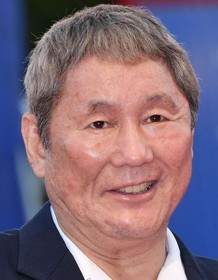
Otomo (Takeshi Kitano)
Played by Takeshi Kitano
A ruthless, deeply principled enforcer who commands respect through fear and loyalty. He operates with a strict personal code, willing to bend rules but never betray his allies or Mr. Chang. His actions blend strategic violence with a stubborn sense of honor, culminating in a drastic self-punishment for perceived transgression.
- 🗡️ Enforcer
- 🧭 Loyal
- 🗺️ Strategist
- I(
Ichikawa (Nao Ômori)
Played by Nao Ômori
Otomo’s right-hand man and trusted muscle. He executes orders with pragmatic efficiency and provides steadiness amid shifting loyalties. His loyalty to Otomo marks him as a key ally in the brutal power plays that drive the plot.
- 🗡️ Loyal
- 🧭 Right-hand
- 🗺️ Strategist
- H(
Hanada (Pierre Taki)
Played by Pierre Taki
The Hanabishi boss whose defiant arrogance sparks the central conflict. His willingness to renege on payments and push back against Otomo signals his status as a dangerous, unpredictable actor within the clan hierarchy.
- 👑 Boss
- 🔥 Violent
- 💰 Rich
- N(
Nakata (Sansei Shiomi)
Played by Sansei Shiomi
A high-ranking Hanabishi figure entangled in the clan’s intrigue. He navigates rivalries and shifting alliances, contributing to the complex political maneuvering that frames the feud.
- 🧭 Strategist
- 🗡️ Ruthless
- N(
Nishino (Toshiyuki Nishida)
Played by Toshiyuki Nishida
Second-in-command who uses calculated moves to undermine Nomura and pivot power toward his allies. His scheming reflects the ruthless pragmatism at the heart of the clan’s governance.
- 🧭 Strategist
- 💼 Politician
- 🗡️ Ruthless
- N(
Nomura (Ren Osugi)
Played by Ren Osugi
The ex-stockbroker-turned-clan chairman, whose leadership style is ineffective in the escalating conflict. His position makes him a primary target as rival factions seek to rewrite the clan’s leadership.
- 👑 Chairman
- 💼 Leader
- MC
Mr. Chang (Tokio Kaneda)
Played by Tokio Kaneda
A cosmopolitan fixer who runs a multinational criminal organization. He exerts distant, strategic influence over events, preferring to resolve disputes through leverage and diplomacy rather than brute force alone.
- 🌐 Boss
- 🧭 Global
- 🤝 Negotiator
Where and When Is Outrage Coda Set?
Outrage Coda is set in Jeju Island, South Korea, Tokyo and Japan (Contemporary). Here is why the time and place matter to the story.
When
Contemporary
The events unfold in the present day, reflecting modernized yakuza dynamics and international reach. The story blends traditional codes of honor with current-day violence and corporate-style maneuvering. It portrays a time when multinational criminal networks and street-level enforcement operate in the same era.
Where
Jeju Island, South Korea, Tokyo, Japan
Jeju Island, a resort island in South Korea, opens the story where Otomo and his associate Ichikawa fish and project quiet control. The action then shifts to Tokyo, where the Hanabishi clan's headquarters and high-stakes meetings reveal the depth of power struggles. The stark contrast between the resort atmosphere of Jeju and the urban intensity of Tokyo highlights the cross-border nature of the film's criminal world.
- 🗺️ Location
- 🏖️ Island
- 🏙️ City
What Are the Themes of Outrage Coda?
4 ideas the story keeps returning to, among them Honor & Loyalty, Power & Politics and Revenge.
-
01
Honor & Loyalty
Otomo operates under a rigid code of loyalty to Mr. Chang, even when it puts him on a collision course with his own clan. The film emphasizes personal duty over institutional rules, culminating in Otomo’s self-imposed punishment as a demonstration of honor. This theme threads through his willingness to kill or die for those he serves and respects.
-
02
Power & Politics
Behind the violence lies a web of clan politics where Nishino, Nakata, and Nomura vie for control. The Hanabishi leadership struggles to consolidate power while external forces from Mr. Chang influence outcomes. The plot turns on negotiations, betrayals, and calculated moves designed to reshape the underworld’s leadership at every level.
-
03
Revenge
Revenge drives Otomo back to Japan as he pursues those responsible for the earlier murders. The pursuit escalates from targeted killings to a sensational, all-out purge of Hanabishi leaders. The quest for vengeance is framed as both personal justice and a destabilizing clampdown on rival factions.
-
04
Global Influence
Mr. Chang’s multinational criminal organization casts a shadow over the events, illustrating how localized feuds intersect with global networks. The story shows cross-border leverage, where diplomacy and force are used to settle disputes. The characters’ fates hinge on a larger, worldwide web of crime and influence.
What Kind of Film Is Outrage Coda?
Dark in tone, with steady pacing and a complex story, going by the plot summary.
- Tone
- Dark
- Pacing
- Steady
- Story
- Complex
- Intensity
- High
- Ending
- Bleak
A methodical and oppressive crime saga that unfolds with brutal realism, depicting a relentless power struggle in the Japanese underworld where loyalty is tested and vengeance is exacted at a heavy, tragic cost.
- brutal
- tense
- methodical
- oppressive
- ritualistic
- melancholic
- yakuza
- organized crime
- revenge
- loyalty and betrayal
Content notes: graphic violence, torture, suicide, organized crime, murder.
Quiz
How well do you remember Outrage Coda? Test yourself on the story.


