
Japan Organized Crime Boss 1969

Directed by
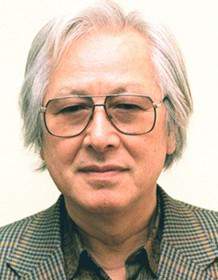
Kinji Fukasaku
Made by
Toei Company
Where to Watch Japan Organized Crime Boss
See current US streaming, rental, and purchase options for Japan Organized Crime Boss (1969) via JustWatch.











Japan Organized Crime Boss Plot Summary
Read the complete plot summary and ending explained for Japan Organized Crime Boss (1969). From turning points to emotional moments, uncover what really happened and why it matters.
Japan Organized Crime Boss Timeline
Follow the complete movie timeline of Japan Organized Crime Boss (1969) with every major event in chronological order. Great for understanding complex plots and story progression.
Danno Organization expands from Osaka in the post-war era
The Danno Organization grows beyond its Osaka base as Boss Danno and Chief Executive Tsubaki consolidate power in the post-war years. They aim to project influence across Japan, drawing the attention of rival families. The expansion lays the groundwork for the later conflict with the Tokyo Alliance and Yokohama factions.
Tokyo Alliance forms to block Danno's progress
To counter Danno's expansion, the Tokyo yakuza families form the Tokyo Alliance and appoint Boss Yato as chairman. They coordinate proxy actions against Danno's interests. This alliance marks a new theater of conflict in the region.
Hamanaka Family pledges fealty to Danno
In Yokohama, the boss of the Hamanaka Family commits fealty to the Danno Organization, signaling a shift in regional power. The Hamanaka affiliation strengthens Danno's grip in the area. Rival forces start planning a proxy war to pressure Yokohama.
Tsukamoto is released after eight years; learns his wife has died
Hamanaka's right-hand man, Tsukamoto, is released from prison after eight years. He discovers that his wife committed suicide, an event that hardens his resolve. The personal loss intensifies the looming gang conflicts.
Hamanaka boss killed by Sakurada hitmen; Tsukamoto inherits
Shortly after Tsukamoto's release, the Hamanaka boss is killed by explosives hurled by hitmen from the Sakurada Family. With his dying breath, the boss passes control to Tsukamoto and urges him to reject the Danno Organization to defend Yokohama. Tsukamoto inherits leadership under the shadow of a violent proxy war.
Funeral attended by Yato and Danno; Kamiyama offers guidance
A funeral is held for the fallen Hamanaka boss. Chairman Yato and Boss Danno visit to pay respects, signaling the ongoing rift between factions. Kamiyama, the retired Hamanaka boss, offers to assist Tsukamoto as an unofficial advisor to navigate the conflicts.
Tsukamoto contemplates truce; chooses revenge instead
Tsukamoto wishes to call a truce with the Sakurada Family and end his family's oath to Danno, but the pressure from his men leads him to decide to kill Boss Sakurada. His choice reinforces the hardline stance within Hamanaka and escalates the cycle of vengeance.
Kazama kills Boss Sakurada; returns home mortally wounded
Senior Hamanaka officer Kazama takes on the enmity by personally murdering Boss Sakurada. He returns home mortally wounded and dies, his death underscoring the brutal cost of the feud. Tsukamoto's plan is further complicated by Kazama's actions.
Tsubaki warns Tsukamoto about leadership risks
Tsubaki warns Tsukamoto to stay with the Danno Organization and that opposing him could mean dying in the gutter. The warning reveals the dangerous politics surrounding leadership choices. Tsukamoto's resolve remains tested as he weighs loyalty against personal code.
Kazama's sister finds an ally in Tsukamoto; romance develops
Kazama's sister, left with no protector, finds a new ally in Tsukamoto. He promises to help her and, through shared hardship, they develop a relationship. The personal bond adds emotional stakes to the ongoing gang conflict.
Hokuryu Kai expelled; Miyahara challenges Sakurada via loyalty shift
The Hokuryu Kai, led by Miyahara, is expelled from the Tokyo Alliance for disrespect and code violations. In response, Danno convinces Miyahara to swear loyalty to Tsukamoto and mobilizes them against the Sakurada Family. The conflict escalates as loyalties shift and clashes intensify.
Taki hostage situation; Miyahara confrontation; budding romance continues
During the confrontation, Taki is captured, and Tsukamoto confronts Miyahara at a nightclub. He refuses to fight, and Miyahara, aiming to avoid a full-scale war, allows Taki to leave. Kazama's sister tends to Tsukamoto's wounds, and they grow closer.
Ooba’s attack on Danno; casualties and reprisals
Ooba, a resentful former boss, carries out an attack on Boss Danno during a confrontation with Danno's circle. Danno is wounded along with an American tourist who dies later; Ooba is killed and his wife dies in the pursuit. The Hamanaka Family rescues Ooba's wife, while the police later denounce Tsukamoto's role.
Miyahara ambushed; Tsukamoto arrested; Danno strike decimates Hamanaka
Following Bokudo Kita's push for reconciliation and a Tokyo Alliance-backed truce, Miyahara is ambushed and killed by alliance forces. Tsukamoto is arrested, but the Danno Organization seizes the initiative and delivers a surprise attack that devastates the Hamanaka Family. Tsukamoto is eventually released.
Final confrontation: Danno and Yato slain; Tsukamoto dies heroically
Disgusted by the truce, Kamiyama lets Tsukamoto approach the ceremony site where Danno is to be reconciled. Tsukamoto stabs Danno and Yato, seeking to avenge the honor of his clan, while Bokudo survives. A rival yakuza shoots Tsukamoto; he bleeds out, having upheld his family's honor.
Japan Organized Crime Boss Characters
Explore all characters from Japan Organized Crime Boss (1969). Get detailed profiles with their roles, arcs, and key relationships explained.
Yato (Seizaburô Kawazu)
Chairman of the Tokyo Alliance, Yato is a calculating power broker who uses diplomacy and force to block Boss Danno’s expansion. He orchestrates strategic moves, leveraging allies and rivals to maintain balance and advantage. His composed exterior masks a readiness to employ ruthless measures when necessary. He emerges as one of the key architects shaping the conflict between rival factions.
Tetsuo Tsukamoto
Hamanaka’s right-hand man, released after eight years in prison, learns his wife has committed suicide. He initially seeks a truce with the Sakurada Family but is driven by vengeance, ultimately taking actions to honor his men’s desires. His evolving sense of duty pits family loyalty against personal justice. His arc centers on choosing between obedience to the gang and his own moral code.
Miyahara
Leader of the Hokuryu Kai, Miyahara is depicted as a drug-addicted figure who is expelled from the Tokyo Alliance and later confronts the rival factions. His defiance triggers confrontations and escalations, culminating in a deadly ambush that narrows the field of battle. His presence destabilizes the alliances and forces opposition to react with force.
Kamiyama
Retired boss of the Hamanaka family, Kamiyama offers his experience as an unofficial adviser to Tsukamoto. He represents the older generation’s perspective and provides strategic counsel amid the violence. His involvement signals a continuum of old loyalties shaping new power plays. He acts as a stabilizing, though cautious, voice within the turmoil.
Kazama
A senior Hamanaka officer, Kazama ruthlessly murders Boss Sakurada to protect his own faction’s interests. He returns home mortally wounded, dying soon after and leaving a tragic wake. His actions reveal the brutal pragmatism at the heart of gang politics and the high personal costs of leadership. He also catalyzes crucial shifts in allegiance and power.
Taki
Kazama’s sister, left with little after her brother’s machinations. She works as a singer and finds support and eventual romance with Tsukamoto, offering a humanizing counterpoint to the gang violence. Her presence underscores the personal costs of the yakuza conflicts on families and bystanders. She embodies resilience amid upheaval.
Ooba
A former boss with a grudge against the Danno Organization, Ooba coordinates attacks and becomes a central figure in the violent feud. His actions trigger a deadly pursuit and a dramatic confrontation that exposes the fragility of alliances. He is ultimately killed, marking a turning point in the power struggle.
Japan Organized Crime Boss Settings
Learn where and when Japan Organized Crime Boss (1969) takes place. Explore the film’s settings, era, and how they shape the narrative.
Time period
Postwar Japan, late 1940s
Set in the immediate aftermath of World War II, the story captures a cityscape in transition where rebuilt economies and shattered loyalties give rise to powerful yakuza networks. Power vacuums and political pressure foster intense factional infighting among Osaka, Yokohama, and Tokyo crews. The era's instability amplifies violence, betrayals, and the brutal pursuit of influence.
Location
Osaka, Yokohama, Tokyo
The Danno Organization's base centers in Osaka, while Yokohama becomes a frontline battleground for proxy wars against rival families. Tokyo emerges as the political hub where the Tokyo Alliance negotiates power and peace terms. The film unfolds in a gritty postwar urban landscape filled with docks, clubs, backroom deals, and shifting loyalties.
Japan Organized Crime Boss Themes
Discover the main themes in Japan Organized Crime Boss (1969). Analyze the deeper meanings, emotional layers, and social commentary behind the film.
⚖️
Power Struggle
Warring factions vie for dominance as the Danno Organization and the Tokyo Alliance maneuver to expand or contain influence. Alliances are forged with calculated precision and broken when convenience wanes. The conflict reveals how authority is built on leverage, fear, and calculated risk rather than mere loyalty. The balance of power constantly shifts as leaders edge toward decisive, often devastating, moves.
🗡️
Loyalty Vengeance
Characters wrestle with loyalty to their families versus the pull of personal revenge. Tsukamoto’s arc embodies this tension, as dutiful duty clashes with a desire for vengeance after personal losses. The film probes how vengeance can both justify and destroy those who pursue it. Loyalties are tested by blood ties, grudges, and the harsh realities of gang warfare.
🌆
City Aftermath
Postwar urban centers become theaters of crime where rebuilding roofs over heads coincides with rebuilding power structures. The violence leaves scars on communities and individuals alike, highlighting a society struggling to redefine order. The city itself acts as a character, shaping choices and accelerating the rise and fall of its criminal hierarchies. Economic desperation and factional rivalries collide in alleys, clubs, and backrooms.
🤝
Alliances Betrayal
Strategic pacts are constantly negotiated, renegotiated, and broken as interests realign. The narrative shows how alliances can shield a group one day and doom it the next, depending on shifting calculations and personal agendas. Betrayal is the price of political survival within the yakuza world. Trust is a scarce resource, traded like a commodity in a brutal game.

Coming soon on iOS and Android
The Plot Explained Mobile App
From blockbusters to hidden gems — dive into movie stories anytime, anywhere. Save your favorites, discover plots faster, and never miss a twist again.
Sign up to be the first to know when we launch. Your email stays private — always.
Explore the mobile appMovies with Similar Twists and Themes
Uncover films that echo the narrative beats, emotional arcs, or dramatic twists of the one you're exploring. These recommendations are handpicked based on story depth, thematic resonance, and spoiler-worthy moments — perfect for fans who crave more of the same intrigue.


Featured on this page

What's After the Movie?
Not sure whether to stay after the credits? Find out!
Check out our other apps:

SAT Sphere
Build confidence for the Digital SAT.

Mori Atlas
Discover wild places worth protecting.

Luntero
Search smarter for a home in Amsterdam.

Plot Explained
Unravel movie endings and hidden clues.

Pokechamp
Dive into Pokémon data and battle logic.

Driving Theory
Get ready for your European theory test.

Movie Dust
Plan your next cinema trip with ease.

Musemap
Find art and culture as you travel.

Selkobase
Compare credentials before committing.

Local Manual
Turn an unfamiliar country into practical next steps.

Lernavi
Compare school systems before your next move.

GymRoam
Find a workout stop wherever your plans take you.
Explore Our Movie Platform
New Movie Releases (2026)
Famous Movie Actors
Top Film Production Studios
Movie Plot Summaries & Endings
Major Movie Awards & Winners
Best Concert Films & Music Documentaries
Movie Collections and Curated Lists
© 2026 What's After the Movie. All rights reserved.
Privacy Policy