

What Is Battles Without Honor and Humanity About?
The premise of Battles Without Honor and Humanity in 308 words, with nothing given away. The full story follows below.
In the smoky alleys and cramped stalls of post‑war Japan, the nation’s shattered economy gives rise to bustling black markets where every transaction carries a hidden price. The city’s streets pulse with a restless energy, a mix of desperation and opportunity that draws together veterans, hustlers, and the shadowy yakuza families eager to claim the spoils of a country trying to rebuild itself. The atmosphere is thick with rain‑slicked neon, whispered deals, and a code of conduct that feels both ancient and malleable, setting the stage for a world where loyalty is measured in favors and blood.
At the heart of this turmoil stands Shozo Hirono, a former soldier whose disciplined past collides with the chaotic present. Returning to civilian life, he gathers a close‑knit circle of comrades—men who share his wartime camaraderie and a yearning for purpose amid the scramble for power. Their bond, forged in hardship, becomes a small island of trust in a sea of shifting allegiances, and Hirono’s sense of honor drives him to navigate a landscape where respect is earned as often as it is demanded.
Around them, ambitious yakuza families—led by figures such as Yoshio Yamamori and Hiroshi Wakasugi—jostle for dominance, each seeking to expand influence through a mixture of business, intimidation, and the ever‑present ritual of brotherhood. The delicate balance between these factions hints at larger currents of conflict, where strategic marriages of convenience and whispered negotiations shape the underworld’s hierarchy. The culture of the yakuza, with its rigid traditions and unspoken rules, creates an undercurrent of tension that permeates every interaction.
Against this backdrop, Hirono and his tightly‑woven crew find themselves caught in a new war of loyalties, ambition, and survival. The city’s murky nightscape mirrors the moral grayness they must face, promising a tale where honor is constantly tested, and the line between ally and adversary remains perilously thin.
What Happens in Battles Without Honor and Humanity?
The complete story of Battles Without Honor and Humanity, from the first scene to the last, in 712 words (about 3 minutes). Spoilers throughout. Names in the text link to 12 cast member pages.
Spoilers ahead
In 1946 Kure, Shozo Hirono, a war veteran, is sent to prison after fatally stabbing a sword-wielding yakuza who attacked a friend, receiving a 12-year sentence. A brutal prison brawl leads to a moment of fragile alliance when he is placed in solitary confinement with Hiroshi Wakasugi of the Doi Family; the two men forge a sworn brotherhood through a blood oath. Wakasugi, determined to secure Hirono’s release, attempts a harakiri, vowing that if he survives, he will arrange Hirono’s freedom by pressuring the prison warden through the powerful Yamamori Family led by Yoshio Yamamori. Hirono is released, and his band of former soldiers—Tetsuya Sakai, Seiichi Kanbara, Shinkai Uichi, Masakichi Makihara, and Shuji Yano—swear loyalty to the Yamamori clan, sharing sake during a ceremonial pledge that is witnessed in part by the aging power broker Okubo Kenichi.
Three years slip by, and Hirono finds trouble again when he clashes with a man named Ueda at a gambling den. Ueda, a blood relative of Okubo, prompts Hirono to perform yubitsume as an apology. Okubo accepts the gesture but asks Yamamori to absorb Ueda into his family and to help influence a crucial vote for corrupt politician Shigeto Nakahara who backs a rival named Kanamaru, a political struggle pitting Yamamori’s faction against Doi’s. Tetsuya Sakai kidnaps and threatens one of Kanbara’s allies to tilt the balance, then disappears into hiding. Doi’s enforcers beat Kanbara and pressure Yamamori, triggering a temporary peace: Wakasugi becomes a guest member of Yamamori’s family, while Kanbara takes his place within the Doi Family.
Six months later, Doi shifts its strategy and partners with the Kaito Family from Hiroshima, moving against Yamamori. Wakasugi hints at killing his boss to end the entanglement, but Hirono reminds him that betrayal is forbidden by yakuza code. With no consensus among the sworn brothers, Hirono volunteers to handle the matter alone, and Yamamori agrees to leave him a stake in the family’s fortune. Hirono executes the hit on Doi during a meeting with the Kaito group and then goes into hiding. A later ruse brings Kanbara to lure Hirono out, but the plan backfires when another car opens fire. Hirono realizes he’s been abandoned by Yamamori and hunted by the Doi Family, and surrenders to the authorities. Wakasugi visits Hirono in prison, warns of Yamamori’s scheming, and eventually murders Kanbara before fleeing, only to be betrayed by an anonymous police tip that leads to his girlfriend’s family and a fatal gunfight with the police.
As the Korean War rages through the 1950s, the Yamamori Family prospers on war contracts but fractures as members turn to philopon, driven by heavy kickbacks. [Tetsuya Sakai], now a high-ranking officer, and [Shinkai Uichi] clash with Yamamori’s drug dealings. Arita, Shinkai’s lieutenant, ghost-writes a plan to reform the family’s structure so each member can be self-sustaining and reduce kickbacks; Toshio Arita oversees a brutal purge, killing Ueda, and the internal conflict erupts into violence: Sakai’s faction emerges victorious in the street battles, [Arita] orders a life sentence for a police officer, and Shinkai dies before he can flee the city by train.
Hirono is paroled once more, and Yamamori immediately asks him to kill Sakai, only to take him to a meal and leave him to pay the bill. Hirono learns that Yamamori has become a wealthy and calculating power broker. He visits the home of Wakasugi’s former partner to pay his respects and finds Sakai there with a new partner and a baby, narrating that Yamamori’s lies have riven their sworn circle and that Sakai plans to launch his own organization while negotiating with the Kaito Family. Makihara, a survivor who remains loyal to Hirono’s former allies, informs Hirono that Yano is pressing the Kaito Family to end negotiations. Hirono refuses Sakai’s offer to join and instead announces his own detachment from Yamamori, while Makihara and Hirono’s faction reveal the truth about the past betrayals. As the two men vow to settle their score, Makihara’s assassins strike Sakai, killing him at a toy shop for his child. At Sakai’s funeral, Makihara and Yamamori are in attendance, and Hirono arrives with a gun, shatters the display, and hurls a final threat at Yamamori before walking away, leaving the violent world of loyalties and debt to endure its endless cycle.
Battles Without Honor and Humanity Timeline: Every Key Event in Order
12 key events in the order they happen, from “Hirono's arrest and imprisonment in Kure” to “Paroled Hirono faces Sakai; defection and murder”. 12 events name a place, across 10 locations.
- 1
Hirono's arrest and imprisonment in Kure
In 1946, war veteran Shozo Hirono shoots a sword-wielding yakuza who attacked his friend, earning a 12-year prison sentence. The act pulls him into a brutal prison world where his fate will intertwine with powerful criminals.
When:1946 Where:Kure
- 2
Sworn brothers in solitary
Inside the prison's solitary wing, Hirono befriends Hiroshi Wakasugi of the Doi Family. They exchange stories and vow to protect each other as sworn brothers through a blood oath.
When:1946 Where:Prison
- 3
Wakasugi's harakiri vow
Wakasugi attempts harakiri to secure an early release, promising Hirono that if he survives, he will arrange for Yamamori to bribe the warden. The vow cements their bond and foreshadows future loyalties.
When:1946 Where:Prison
- 4
Hirono's release and Yamamori alliance
Hirono is released and, at a ceremonial pledge, his ex-soldier group swears loyalty to the Yamamori Family, drinking sake to seal the bond. Doi and Okubo serve as witnesses to the new alliance.
When:1946 Where:Yamamori Family ceremony
- 5
Yubitsume and political maneuvering
In 1949, Hirono performs yubitsume to Okubo as apology for a fight with Ueda. Okubo accepts but asks Yamamori to absorb Ueda's family and help eliminate a vote for Kanamaru, linking criminal power to political influence.
When:1949 Where:Okubo/Yamamori territory
- 6
Sakai seizes a vote-influencing leverage
Sakai kidnaps and threatens one of Kanamaru's allies to sway the vote, enabling Nakahara's side to win. The act demonstrates the reach of Yamamori's network and the widening political-criminal web.
When:1949 Where:City
- 7
Doi against Yamamori; a brokered truce
Six months later, Doi moves to confront Yamamori and plans an alliance with the Kaito Family. Wakasugi stops him in the name of loyalty to Hirono, and a deal is brokered: Wakasugi becomes a guest of Yamamori while Kanbara takes Doi's place in the Doi Family.
When:1949-1950 Where:City streets
- 8
Hirono eliminates Doi; trap and surrender
Hirono volunteers to address the Doi threat and assassinate Doi during a meeting with the Kaito Family. When Kanbara helps him escape, a setup ambush unfolds; Hirono realizes Yamamori betrayed him and he surrenders to the authorities for the murder.
When:1950 Where:Outside meeting with Kaito Family
- 9
Wakasugi revenge and police pursuit
Wakasugi visits Hirono in prison, then murders Kanbara in revenge before going on the run. An anonymous tip—allegedly from Yamamori—leads police to his girlfriend's home, and a gunfight ensues during his attempt to escape, leaving Wakasugi dead.
When:1950 Where:City/Osaka area
- 10
Korean War profits and growing internal strife
During the Korean War, the Yamamori Family prospers from war contracts and expands its reach. Yet internal strife grows as members traffic philopon for kickbacks, threatening the clan's unity and power.
When:1950s Where:Korean War era
- 11
Ueda killed and the Yamamori-Sakai war erupts
Arita kills Ueda in a barbershop, triggering a wider feud between Sakai and Shinkai loyalists and Yamamori factions. Shinkai is stabbed to death before he can flee, and Arita receives a life sentence after a police confrontation.
When:1950s Where:City
- 12
Paroled Hirono faces Sakai; defection and murder
Paroled Hirono is drawn back into Yamamori politics when Yamamori asks him to kill Sakai, who intends to form his own empire. After tensions mount, Sakai is killed by Makihara's hitmen at a toy shop; at Sakai's funeral, Hirono arrives with a gun, fires at the funeral display, and threatens Yamamori before departing, signaling a new vendetta.
When:1950s Where:City/Funeral
Who Are the Main Characters in Battles Without Honor and Humanity?
10 characters, among them Shozo Hirono (Bunta Sugawara), Yoshio Yamamori (Nobuo Kaneko) and Hiroshi Wakasugi (Tatsuo Umemiya): who each one is and the part they play in the story. Every profile links to the actor’s page.
- SH
Shozo Hirono (Bunta Sugawara)
Played by Bunta Sugawara
A war veteran who becomes a central yakuza figure, Hirono navigates a brutal postwar underworld with a mix of pragmatism and stubborn loyalty. His decision to take matters into his own hands marks him as both protector and danger to those around him. He faces the dilemma of honoring his past while shaping his own path in a world that rewards power over principle.
- 🧭 Loyal
- 💥 Impulsive
- 🗡️ Violent
- YY
Yoshio Yamamori (Nobuo Kaneko)
Played by Nobuo Kaneko
Patriarch of the Yamamori Family, he wields influence through political and criminal networks. He is calculating and composed, using deals and threats to extend his empire while maintaining a public image of stability. His leadership blends strategic restraint with ruthless decision making.
- 👑 Patriarch
- 💼 Calculating leader
- HW
Hiroshi Wakasugi (Tatsuo Umemiya)
Played by Tatsuo Umemiya
A sworn brother to Hirono, Wakasugi embodies loyalty and tragedy. His commitment to the alliance collides with the brutal realities at the top, leading to a fatal cycle of vengeance. He becomes a symbol of the costs of staying true to one’s boss in a world that thrives on betrayal.
- 🤝 Sworn brother
- 🔪 Loyal but fatal
- TS
Tetsuya Sakai (Hiroki Matsukata)
Played by Hiroki Matsukata
An ambitious officer within the Yamamori faction, Sakai embodies strategic cunning and a willingness to rethink loyalties for power. His calculated moves threaten the status quo, culminating in violent confrontations with rival factions.
- 🗡️ Enforcer
- 🧠 Strategist
- SK
Seiichi Kanbara (Tamio Kawachi)
Played by Tamio Kawachi
A pragmatic figure who navigates factional lines, Kanbara is both an ally and a volatile adversary. His ambition and willingness to take risks reveal the volatile nature of the yakuza world.
- ⚖️ Pragmatic
- 🕵️♂️ Resourceful
-
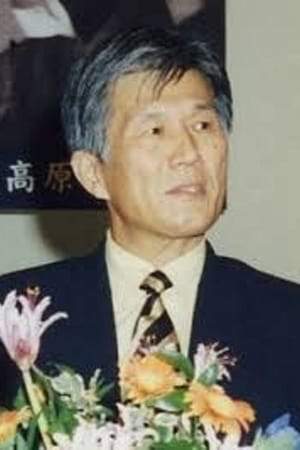
Shinkai Uichi (Shin'ichirô Mikami)
Played by Shin'ichirô Mikami
A high-ranking member who plots with others against rivals, Shinkai embodies ruthless pragmatism that makes him dangerous to allies as well. His schemes and alliances set in motion a chain of killings and shifting loyalties.
- 🔥 Ambitious
- 🗣️ Influential
- TA
Toshio Arita (Tsunehiko Watase)
Played by Tsunehiko Watase
A subordinate who handles the drug trade within the Yamamori orbit, his actions escalate violence and expose the fragility of loyalties within the family. His involvement helps trigger a broader conflict that reshapes the power structure.
- 💊 Drug operations
- 🕵️ Subordinate
- MB
Mizutani Bunji (Tsuyoshi Arita)
Played by Tsuyoshi Arita
A minor gang member aligned with Shinkai's faction, Mizutani Bunji participates in operations that influence events. His presence illustrates the layered, sprawling nature of postwar yakuza politics.
- 🗺️ Minor player
- 🧩 Factional links
- U(
Ueda (Gorō Ibuki)
Played by Gorō Ibuki
A blood relative of the Okubo family, Ueda is a key figure in the shifting alliances that define the postwar underworld. His death signals the high cost of factional violence and the volatile balance of power.
- 🧬 Family tie
- 💼 Connected
- KO
Kenichi Okubo (Asao Uchida)
Played by Asao Uchida
Patriarch of the Okubo Family, he represents a politically connected faction whose influence intersects with both Yamamori and Doi. His strategic mind and network of alliances help steer the underworld’s power dynamics.
- 👔 Political influence
- 🗝️ Power broker
Where and When Is Battles Without Honor and Humanity Set?
Battles Without Honor and Humanity is set in Kure and Japan (1946-1950s). Here is why the time and place matter to the story.
When
1946-1950s
Set starting in 1946, just after Japan’s surrender, the story follows the volatile early postwar years into the mid-1950s. Scarcity, black markets, and evolving political power shape the underworld’s expansion. War contracts and corruption fuel factional battles as loyalties are tested.
Where
Kure, Japan
The film unfolds in Kure, a major port city in Hiroshima Prefecture, set against postwar reconstruction. Its shipyards and docks provide the backdrop for the rise of yakuza networks exploiting the rebuilding economy. Narrow streets and harborfronts become stages for shifting loyalties, betrayals, and violent confrontations.
- 🏯 Postwar Japan
- 🚢 Port city
What Are the Themes of Battles Without Honor and Humanity?
3 ideas the story keeps returning to, among them Loyalty, Power and Corruption and Violence and Revenge.
-
01
Loyalty
Loyalty binds sworn brothers and gang members, shaping alliances that seem unbreakable even as rivals maneuver for power. The film follows Hirono and Wakasugi as they pledge themselves to a boss and to each other, risking everything for the group. Yet loyalty also becomes a weapon, used to justify betrayals and ruthless decisions in the name of family.
-
02
Power and Corruption
The postwar underworld is driven by money, contracts, and control of resources. Leaders justify extreme measures as necessary to secure the family’s future, while greed corrodes trust and inflames rivalries. The pursuit of profit fuels assassinations, manipulations, and shifting loyalties, showing how money buys influence and violence alike.
-
03
Violence and Revenge
Violence erupts as a practical language to resolve disputes when political solutions fail. Each act of vengeance tightens the net around leaders and sworn brothers, dragging many into the cycle. The revenge arc motivates betrayals and the rise and fall of power within the families, with personal costs borne by all involved.
What Kind of Film Is Battles Without Honor and Humanity?
Dark in tone, with fast pacing and a complex story, going by the plot summary.
- Tone
- Dark
- Pacing
- Fast
- Story
- Complex
- Intensity
- High
- Ending
- Bleak
A relentless, gritty epic of post-war yakuza warfare that delivers a cynical and brutal depiction of betrayal, ambition, and the violent decay of honor within the criminal underworld.
- brutal
- cynical
- tense
- gritty
- paranoid
- melancholic
- yakuza betrayal
- organized crime
- post-war japan
- moral decay
Content notes: graphic violence, murder, prison violence, betrayal, organized crime, self-harm (harakiri).
Quiz
How well do you remember Battles Without Honor and Humanity? Test yourself on the story.


