
Street Mobster 1972

Directed by
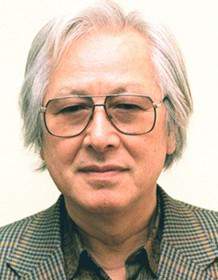
Kinji Fukasaku
Made by

Toei Company
Street Mobster Plot Summary
Read the complete plot summary and ending explained for Street Mobster (1972). From turning points to emotional moments, uncover what really happened and why it matters.
Isamu Okita Bunta Sugawara is a man haunted by a grim origin and a date that mirrors Japan’s surrender in 1945. Born the sole son of an alcoholic prostitute-turned street food vendor who neglected him, he watched his mother drown while stumbling home drunk. With no education or money, he spirals into trouble, spending time in reform schools, and eventually forming a teenage gang that extorts people and abducts girls to sell to brothels on Kawasaki’s hard-edged streets. When the Takigawa yakuza family demands a cut of their earnings and Okita resists, he is brutalized and left for dead by the very crew he once walked with.
Abandoned by his former friends, Okita fights back, stabbing the gangsters who beat him and earning a ten-year prison sentence. In prison, he crosses paths with Taniguchi Noboru Mitani, a quiet inmate serving time for domestic violence. Upon their release, Taniguchi declines Okita’s invitation to reunite, choosing instead to confront the sight of his abused wife waiting outside the gates.
Back home, Okita spends his last coins at a sauna, where a confrontation with old associates rekindles old debts. The gang recognizes him and arranges for a prostitute—Kimiyo Mayumi Nagisa—to approach. Kimiyo, a survivor of Okita’s past cruelty, chases him to the factory that used to be his hideout. After a violent confrontation, they realize they still feel something for each other, and they connect in a charged moment of renewed intimacy.
A new option rises when Kizaki Asao Koike, a disowned yakuza, proposes building a fresh gang from local street punks to take on Takigawa. They embark on a war, raiding Takigawa-owned businesses, and Okita is shot as the conflict intensifies. The rivals contact Boss Yato Noboru Andō, a powerful figure who would rather see Okita bow to his leadership. Okita initially resists, but he ultimately yields to the pressure of the mounting conflict.
Forced to reconcile with Takigawa, Okita is drawn into the Yato family’s fold, serving as an officer with Kizaki as his second-in-command. He amasses wealth and control through illegal dice games, securing his own territory. Yet the life of a warlord estranges him from the thrill of combat and from the faithful fire he once had for fighting. His affair with Kimiyo fragments his marriage, and she leaves in anger after he shows blatant disrespect toward the Saiei Group’s chairmen, Eisaku Owada Asao Uchida.
The Saiei Group, led by the Owadas’ alliance, expects contrition. Yato forces Okita to perform yubitsume as a show of apology, but Okita refuses, earning expulsion from the circle. Advised to leave town, he instead leads a guerrilla war against the Saiei Group, choosing to fight to the end rather than bow out.
As the heat of battle redoubles, most of Okita’s gang is murdered, and even Kizaki turns on him, attempting to flee only to be struck down by a car in a brutal rescue gone wrong. Yato’s forces strike a decisive blow, killing Takigawa’s captains and offering Owada a veneer of peace in exchange for Okita’s life. With only two loyal men left, Okita faces surrender, cutting off his own finger in a grim display of surrender, while the Saiei Group reneges on their promise, carting off his remaining men to execution.
Kimiyo, who once forgave him, tries to intervene to save Okita, only to be fatally stabbed. In a rage driven by grief and betrayal, Okita lunges at Yato, stabbing him in the chest, but the Saiei Group finishes him off with gunfire. The movie closes on the brutal note of the two murdered bodies lying side by side, a stark testament to a life spent warring with the world that shaped him.
Street Mobster Timeline
Follow the complete movie timeline of Street Mobster (1972) with every major event in chronological order. Great for understanding complex plots and story progression.
Birth of Isamu Okita
Okita reveals his birth date, August 15, 1945, the same day as Japan's surrender in World War II, a coincidence he finds inauspicious. He is born to an alcoholic prostitute who neglects him, and the early years are shaped by poverty and instability.
Mother's drowning and childhood neglect
His mother drowns while walking home drunk, leaving him to fend for himself. With no education or money, his childhood is marked by neglect, setting him on a path toward trouble on the mean streets.
Reform school and gang formation
He is sent to reform school twice for misbehavior. With nowhere to turn, he forms a teenage gang and begins extortion and kidnapping girls to sell to brothels along Kawasaki's mean streets.
Beating by Takigawa and prison sentence
The Takigawa yakuza family demands a cut of their earnings, and Okita refuses, leading to a brutal beating. Abandoned by his friends, he retaliates with a knife and is ultimately sentenced to ten years in prison.
Prison meeting with Taniguchi
In prison, Okita meets Taniguchi, a quiet inmate serving time for domestic violence. Their paths cross as they navigate the harsh realities of incarceration and the future beyond the walls.
Release and Taniguchi's refusal
After serving their sentences, Okita and Taniguchi are released. Taniguchi declines Okita's plan to team up again after finding his abused wife waiting outside the prison gates.
Home return, sauna fight, and Kimiyo
Okita returns home and spends the last of his money at a sauna, getting into a fight with old associates. They propose hiring a prostitute, who turns out to be Kimiyo—the girl Okita once raped and sold. After a violent confrontation, they realize they still have feelings for each other and sleep together.
Kizaki's takeover plan
Kizaki, a yakuza expelled from his family, proposes recruiting local street punks to form a new gang and wage war on Takigawa. The gang raids Takigawa-owned businesses, and Okita is shot as Takigawa's men close in on their hideout.
Alliance with Boss Yato
Kizaki reaches out to Boss Yato, a rival, asking to pledge loyalty. Okita initially refuses but eventually yields to the pressure of the escalating war and aligns himself with Yato.
Okita becomes Yato's officer
Okita is made an officer of the Yato family, with Kizaki as his second-in-command. He gains his own territory and earns wealth by running illegal dice games, enjoying a lavish criminal lifestyle.
Infidelity and yubitsume refusal
Growing bored with the role, Okita cheats on Kimiyo, who leaves in anger. He disrespects Chairman Owada, leading Yato to demand yubitsume; Okita refuses and is expelled with his men.
Guerrilla war and betrayal
Refusing to leave, Okita wages a guerrilla war against the Saiei Group as most of his gang are killed. Kizaki betrays him and tries to flee but is crushed by oncoming traffic, ending his bid for escape.
Final stand, betrayal, and downfall
Yato orders a final strike against Takigawa, and the Saiei Group uses a brutal power play. Okita cuts off his own finger, surrenders, and watches as his remaining men are taken to execution. Kimiyo is killed trying to save him, and Okita unleashes a berserk attack on Yato before being shot dead by the Saiei Group; the two bodies are left to rot.
Street Mobster Characters
Explore all characters from Street Mobster (1972). Get detailed profiles with their roles, arcs, and key relationships explained.
Isamu Okita (Bunta Sugawara)
A fiercely ambitious street kid who climbs from poverty to become a powerful yakuza figure. He forms and leads a gang, then joins the Yato family, gaining wealth through illegal ventures while wrestling with personal loyalties. His arc is defined by a rapid rise, ruthless tactics, and a descent into a brutal war against rival forces.
Taniguchi (Takeo Chii)
A quiet, reserved man serving time for domestic violence who, after release, declines Okita’s offer to join him. His restraint and moral ambiguity stand in contrast to Okita’s extremity, hinting at a different path that could have been taken.
Boss Yato (Noboru Andō)
A formidable rival who orchestrates power plays and warfare against Takigawa’s faction. He exacts obedience, demands apologies, and uses strategic violence to maintain control, ultimately shaping the trajectory of Okita’s fate.
Kizaki (Asao Koike)
A yakuza expelled from his family who proposes building a new gang by recruiting local street punks. He proves to be opportunistic and ultimately betrays Okita, highlighting the fragility of loyalties in the criminal underworld.
Kimiyo (Mayumi Nagisa)
A young woman who has a traumatic past with Okita, later sharing complicated feelings and a tentative forgiveness. Her arc culminates in tragedy as she becomes a casualty in the power struggle, underscoring the personal costs of the cycle of violence.
Takigawa (Keijirō Morozumi)
Head of the Takigawa yakuza family, a major figure in the ongoing war with the Saiei Group. His leadership and rival alliances drive the broader conflicts and shape the territory Okita fights over.
Eisaku Owada (Asao Uchida)
Chairman of the Saiei Group, a Osaka syndicate seeking to form an alliance with Takigawa. He represents the broader corporate-criminal power structure against which Okita and his allies contend, and he plays a pivotal role in demanding loyalty and enforcing consequences.
Street Mobster Settings
Learn where and when Street Mobster (1972) takes place. Explore the film’s settings, era, and how they shape the narrative.
Time period
Postwar Japan
The story is rooted in the years following Japan's surrender in 1945, with the protagonist born in 1945. It depicts the rough, evolving underworld of a rapidly changing urban Japan, where survival hinges on strength and ruthless pragmatism. The period is marked by social upheaval that shapes Okita’s rise and the ensuing yakuza wars.
Location
Kawasaki, Japan
The action unfolds on the mean streets of Kawasaki, an industrial city in Kanagawa Prefecture. Its factories, bar rooms, and alleyways provide a gritty setting where underworld figures operate. The city serves as a backdrop that highlights postwar urban decay and the vulnerability of its residents to gang violence.
Street Mobster Themes
Discover the main themes in Street Mobster (1972). Analyze the deeper meanings, emotional layers, and social commentary behind the film.
🗡️
Loyalty & Betrayal
Loyalty is fluid and often bought with power, while betrayals are common in the scramble for control. Okita, Kizaki, and Yato navigate shifting alliances as strength and fear dictate who stays or goes. The tension between allegiance and self-preservation drives much of the conflict and character choices.
💥
Violence & Power
Power is forged through force, scare tactics, and calculated violence. The yakuza war unfolds with raids, killings, and strategic strikes, showing how control over territory and resources is paramount. Ritual acts of intimidation, like yubitsume, underscore the brutal code governing their world.
🔥
Fate & Rage
Okita’s hunger for ascent becomes a self-destructive force, fueling rage and reckless decisions. His stubborn pride leads to extreme acts, including self-mutilation, and blinds him to looming consequences. The cycle of revenge ultimately consumes him and those around him.

Coming soon on iOS and Android
The Plot Explained Mobile App
From blockbusters to hidden gems — dive into movie stories anytime, anywhere. Save your favorites, discover plots faster, and never miss a twist again.
Sign up to be the first to know when we launch. Your email stays private — always.
Explore the mobile appStreet Mobster Spoiler-Free Summary
Discover the spoiler-free summary of Street Mobster (1972). Get a concise overview without any spoilers.
In a gritty post‑war Japanese town where neon‑lit alleys and smoky factories blur the line between survival and violence, two rival yakuza families have carved the streets into uneasy territories. The city’s pulse is a mix of restless ambition and simmering dread, a place where honor is measured in whispered deals and the clatter of dice can decide a life. Against this backdrop, the atmosphere feels both raw and cinematic, inviting the viewer to feel the heat of heated tempers and the cold calculation of organized crime.
Isamu Okita returns from a decade behind bars, carrying the scars of a childhood shaped by loss and neglect. He moves through the town with a defiant swagger, his past a tapestry of hardship that fuels a fierce resolve to reclaim his place. Though the world around him has shifted, his instinct for leadership and an unyielding sense of personal code remain intact, hinting at a man who has learned to navigate both the streets he once ruled and the shadows that now claim them.
The moment he steps back onto the pavement, he discovers his hometown overrun by the competing yakuza factions, each pressing its own brand of pressure on the local underworld. Incensed and unwilling to submit, Isamu assembles a handful of loyal allies, forming a rag‑tag crew ready to challenge the new order. Their gathering is less a polished operation than a gritty coalition of streetwise veterans, each bringing a mixture of grit, skill, and a willingness to fight for a cause that feels larger than themselves.
As the uneasy truce between the factions begins to crumble, the town’s atmosphere tightens, crackling with the promise of confrontation. The stakes are personal and communal, drawing on Isamu’s desire for redemption and the crew’s yearning for purpose. Within this volatile mix, alliances are tested, loyalties are forged in fire, and the relentless rhythm of the streets hints at a violent showdown that will define the future of everyone caught in its wake.
Movies with Similar Twists and Themes
Uncover films that echo the narrative beats, emotional arcs, or dramatic twists of the one you're exploring. These recommendations are handpicked based on story depth, thematic resonance, and spoiler-worthy moments — perfect for fans who crave more of the same intrigue.



Featured on this page

What's After the Movie?
Not sure whether to stay after the credits? Find out!
Check out our other apps:

SAT Sphere
Build confidence for the Digital SAT.

Mori Atlas
Discover wild places worth protecting.

Luntero
Search smarter for a home in Amsterdam.

Plot Explained
Unravel movie endings and hidden clues.

Pokechamp
Dive into Pokémon data and battle logic.

Driving Theory
Get ready for your European theory test.

Movie Dust
Plan your next cinema trip with ease.

Musemap
Find art and culture as you travel.

Selkobase
Compare credentials before committing.

Local Manual
Turn an unfamiliar country into practical next steps.

Lernavi
Compare school systems before your next move.

GymRoam
Find a workout stop wherever your plans take you.
Explore Our Movie Platform
New Movie Releases (2026)
Famous Movie Actors
Top Film Production Studios
Movie Plot Summaries & Endings
Major Movie Awards & Winners
Best Concert Films & Music Documentaries
Movie Collections and Curated Lists
© 2026 What's After the Movie. All rights reserved.
Privacy Policy