What Is And the Ship Sails On About?
The premise of And the Ship Sails On in 309 words, with nothing given away. The full story follows below.
In July 1914, a glossy cruise ship slips away from Naples, its decks crammed with mourners, aristocrats, artists and a scattering of strangers. Their shared purpose is a solemn ceremony: to carry the ashes of the legendary opera diva Edmea Tetua to the windswept cliffs of her native Erimo. The voyage unfolds against the warm glow of early‑summer Mediterranean waters, a floating stage where memory and myth mingle with the clatter of luggage and the creak of teak.
The ship’s story is narrated by Orlando, an Italian journalist who turns the camera on himself and the bustling crowd, offering wry commentary that feels simultaneously intimate and theatrical. Around him swirl larger‑than‑life personalities—a jealous soprano vying for the diva’s secret, a pompous English aristocrat spying on his own wife, a grand duke whose sister plots intrigue, and a brooding count who has turned his cabin into a shrine. Their interactions are steeped in flamboyant humor, social satire and a lingering sense that every gesture is part of a larger performance.
Amid the glittering parade of pretensions, a handful of Serbian refugees appear on deck, their presence a quiet ripple in the otherwise polished surface of the journey. Their arrival hints at the wider turmoil beginning to stir beyond the ship’s polished railings, while surreal touches—such as a bewildered rhinoceros being shuttled through the hold—underscore the film’s dream‑like blend of realism and absurdity. The atmosphere is both lavish and precarious, a vivid tableau that balances festivity with an undercurrent of impending unrest.
The tone remains unmistakably Fellini‑inspired, mixing vivid color, melodramatic music and self‑reflexive wit. As the cruise sails toward its ceremonial destination, the audience is invited to ponder the thin line between spectacle and catastrophe, and to watch the characters navigate a world where art, politics and personal ambition collide on a sea that feels both boundless and intimately confined.
What Happens in And the Ship Sails On?
The complete story of And the Ship Sails On, from the first scene to the last, in 636 words (about 3 minutes). Spoilers throughout. Names in the text link to 6 cast member pages.
Spoilers ahead
The film opens in July 1914 with a quiet, sepia-toned scene at Naples Harbor, just before the cruise ship Gloria N. slips away. The visual shift from silent projection to living color marks the moment when dialogue returns and the ship becomes a moving stage for a sprawling, Fellini-like panorama. On board, Freddie Jones as Orlando—the Italian journalist who narrates directly to the camera—explains that this voyage is no ordinary trip. It is a funeral procession meant to scatter the ashes of the beloved opera singer Edmea Tetua, near her birthplace on the island of Erimo.
Edmea Tetua, Janet Suzman, is celebrated in legend as the greatest singer of all time, her voice described in godlike terms that seem almost mythical. The narration sprinkles the voyage with sly, gossip-fueled humor about a parade of fantastical caricatures—opera singers, voice teachers, orchestra directors, theatre producers, actors, prime ministers, counts, princesses, grand dukes, and fans driven to feverish devotion. The ship becomes a floating gallery of personalities and pretensions, each figure longing for a moment in Edmea’s shadow.
A jealous and brazen soprano, Franca Maresa as Ildebranda, presses to uncover the secret of Edmea’s incomparable voice, while a bristle-haired Russian basso wanders the mess hall and hypnotizes a chicken with nothing but his voice. A curly-cued actor travels with his mother in a comical bid to charm sailors, and Peter Cellier as Sir Reginald Dongby, a voyeuristic English aristocrat, revels in watching his wife, Lady Violet. The ship’s social ladder is further complicated by the Grand Duke of Harzock—a portly, almost boyish aristocrat—whose blind sister, the dancer Pina Bausch, plots with her lover, the prime minister, to disinherit him. Meanwhile, the brooding Count of Bassano retreats to his cabin, which he has converted into a temple in memory of the diva.
A dreaded stench erupts from the hold and reveals a neglected rhinoceros, a misfit beast that must be washed and returned to the hold with water and hay, a surreal hiccup in the glamorous pageantry. On the ship’s third day, a crowd of shipwrecked Serbians appears on deck, refugees rescued and sheltered just long enough to be brought toward Italy. The Grand Duke and his entourage mistake the Serbians for terrorists and order the captain to segregate them, while the captain agrees to disperse Edmea’s ashes at Erimo first.
As the ceremony concludes, refugees are moved to lifeboats; a bomb hurled by a youthful Serbian screams through panic, and the Austro-Hungarian flagship answers with cannon fire. The Gloria N. sinks amid chaos: Albertini, conducted by Paolo Paoloni as Il Maestro Albertini, leads the musicians in a desperate, cinematic effort, the grand piano sliding across the deck and mirrors shattering as suitcases drift through flooded corridors. The workers behind the scenes reveal a grand mechanical ballet—giant hydraulic jacks, acres of plastic sea, and an army of technicians stoking smoke and fire effects—while an enigmatic figure, perhaps Orlando or Fellini himself, watches the chaos unfold.
The camera returns to a final, intimate image: Orlando in a lifeboat, the rhinoceros happily nibbling on hay beside him. In a rustic, almost deadpan aside, he confides, > Did you know, that a rhinoceros gives very good milk? <
This closing beat loops back to the voyage’s core illusion: what began as a ceremonial race through theatrical excess ends with a playful, self-referential wink. The film uses the spectacle of the sinking Gloria N. to question the difference between performance and catastrophe, and to remind the audience that what they are watching is as much a production behind the camera as it is a story on the deck. The ostentatious pageantry, the political infighting, the surreal comic touches, and the dreamlike absorption in Edmea Tetua’s legend all fold into a single, strange voyage that leaves viewers with a lingering mix of amusement, awe, and reflection.
And the Ship Sails On Timeline: Every Key Event in Order
11 key events in the order they happen, from “Opening: July 1914, Naples port to sea” to “Final shot: Orlando in lifeboat with the rhinoceros”. 11 events name a place, across 11 locations.
- 1
Opening: July 1914, Naples port to sea
The film opens with a sepia-toned scene of July 1914 as the Gloria N. prepares to sail from Naples Harbor. The mood shifts as the sequence transitions from silent projection to color and dialogue begins. We learn the voyage is a funeral journey to scatter Edmea Tetua's ashes near Erimo, her birthplace.
When:July 1914 Where:Naples Harbor
- 2
Orlando speaks directly to the audience
Orlando, the Italian journalist, breaks the fourth wall by addressing the viewer directly from aboard the ship. He explains that the voyage is a funeral mission and offers subjective anecdotes about the ship's cast of characters. His commentary sets a Fellini-esque tone for the voyage.
When:Start of voyage Where:On board the Gloria N.
- 3
A parade of eccentric passengers and gossip
The journalist sketches a gallery of passengers with whims and quirks: jealous soprano Ildebranda, a Russian basso who hypnotizes a chicken with his voice, a curly-haired actor and his mother, Sir Reginald Dongby spying on his wife Lady Violet, and a grand duke whose sister plots to disinherit him. The sequence blends opera, politics, and comic fantasy to evoke Fellini's satirical carnival at sea. The crew and guests mingle in a carnival of cultures and gossip.
When:Early voyage Where:Gloria N.
- 4
A stench from the hold: a love-sick rhinoceros
A terrible stench rises from the ship's hold as a love-struck rhinoceros has been neglected by the crew. The crew scrambles to manage the beast, illustrating the absurdities that play out on this floating pageant. The rhino's presence adds a surreal, comic counterpoint to the voyage.
When:Early voyage Where:Gloria N. hold
- 5
Day three: shipwrecked Serbians revealed
On the third day, a crowd of shipwrecked Serbians is found camped on the deck, refugees rescued from rafts the night before. The mix of cultures on board turns into a chaotic, festive tableau as they are brought aboard. The moment foreshadows the political tensions looming over the voyage.
When:Day 3 Where:Gloria N. deck
- 6
Aristocratic mistrust: Serbians mistaken as terrorists
The Grand Duke of Harzock and his entourage fear the Serbian refugees are terrorists and demand they be isolated to a corner of the ship. The captain reluctantly complies as the passengers and crew debate the proper handling of the uninvited guests. The episode satirizes class prejudice amid international crisis.
When:Day 3 Where:Gloria N. deck/quarters
- 7
Austro-Hungarian flagship arrives and demands return
A mighty Austro-Hungarian flagship sails into view, demanding the return of the Serbian refugees. The captain agrees to the demand only if Edmea Tetua's ashes are dispersed at Erimo beforehand. The encounter injects political stakes into the shipboard carnival.
When:Approach of the flagship Where:Sea near Gloria N.
- 8
Ashes dispersed at Erimo and ceremony aboard
With the captain's bargain, Edmea Tetua's ashes are dispersed at Erimo before the refugees are handed over. The crew holds a ceremonial moment that mirrors the fictive opera of the voyage. The atmosphere tips from ceremony to impending peril as outside forces loom.
When:After negotiations Where:Erimo (island) / On board near Erimo
- 9
Bomb attack and the sinking of Gloria N.
Following the dispersal, a young Serbian hurls a bomb at the Austro-Hungarian flagship, triggering cannons and chaos. The Gloria N. sinks amid the pandemonium as aristocrats and refugees scramble for lifeboats. A grand piano slides and mirrors shatter as the ship slides into the sea.
When:End of voyage Where:Sea near Erimo
- 10
Behind-the-scenes reveal: the making of the floating opera
A reverse tracking shot reveals Fellini's spectacle: giant hydraulic jacks, acres of plastic ocean, and technicians burning naphthalene to fake smoke. The enigmatic figure behind the camera may be Orlando or Fellini himself, hinting at a film within a film. The sequence reframes the earlier drama as a constructed production.
When:Post-disaster reveal Where:On set / Behind the scenes
- 11
Final shot: Orlando in lifeboat with the rhinoceros
The camera glides forward to a lifeboat where Orlando and the rhinoceros share a moment of odd companionship. He quips about rhinoceros milk, revealing his wry, affectionate humor. He resumes rowing, drifting away on a vast, plastic ocean as the screen fades.
When:Final moment Where:Lifeboat at sea
Who Are the Main Characters in And the Ship Sails On?
12 characters, among them Orlando (Freddie Jones), Sir Reginald J. Dongby (Peter Cellier) and Ildebranda Cuffari (Franca Maresa): who each one is and the part they play in the story. 10 of them link to the actor’s page.
-
Orlando (Freddie Jones)
Played by Freddie Jones
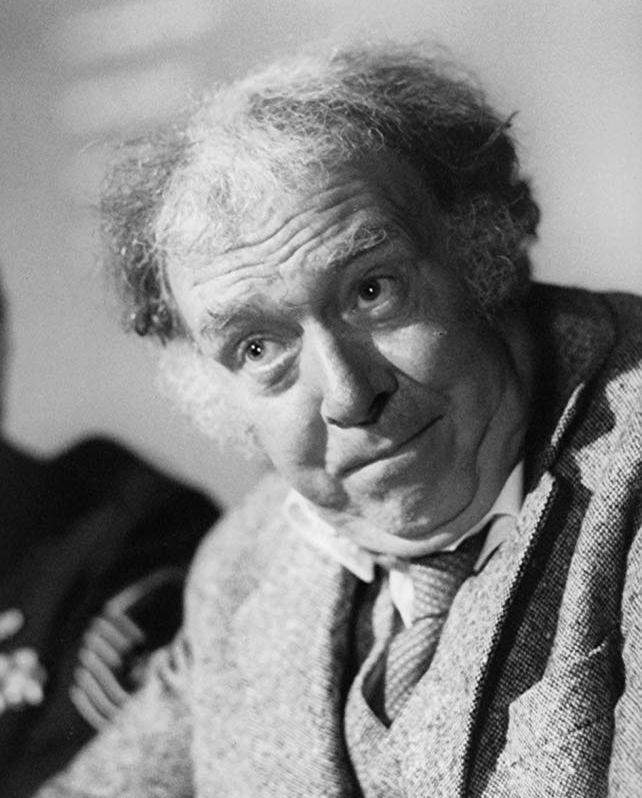
An Italian journalist who addresses the audience directly, guiding viewers through the ship’s social carnival with wry commentary and anecdotal gossip. He blends reportage with a Felliniesque humor, treating the crew and guests as characters in a grand, ridiculous chorus. His warmth and self-aware narration anchor the film’s playful, satirical tone.
- 🎭 Satire
- 🗞️ Journalism
- 🧭 Narration
- SR
Sir Reginald J. Dongby (Peter Cellier)
Played by Peter Cellier
An voyeuristic English aristocrat who obsesses over his wife and the goings-on around him. He embodies the upper-class gaze, relishing others’ misadventures while avoiding self-scrutiny. His presence highlights the gendered and class dynamics that thread through the voyage.
- 🎩 Aristocracy
- 👀 Voyeurism
- 🗺️ Society
- IC
Ildebranda Cuffari (Franca Maresa)
A jealous soprano whose obsession with Edmea Tetua drives much of the on-board intrigue. She embodies artistic vanity and rivalry, using performance and scheming to secure her own status. Her temperament exposes how passion and ambition can distort art.
- 🎭 Drama
- 🎶 Opera
- 🤫 Jealousy
- IG
Il Granduca (Grand Duke of Harzock) (Fiorenzo Serra)
Played by Fiorenzo Serra
A pompous, self-styled prince among the ship’s elite, whose insecurity about his own power feeds his theatrics. He embodies the capriciousness of nobility and the fragility of status in a world of satire. His actions reveal how privilege rigidly structures social dynamics at sea.
- 👑 Aristocracy
- 🌀 Power
- 🧭 Elite
- IC
Il Conte di Bassano (Pasquale Zito)
Played by Pasquale Zito
A nobleman who retreats into a private sanctuary on the ship, seeking sanctuary and control over his own memory of Edmea Tetua. His isolation contrasts with the on-board chaos, highlighting how individuals cope with loss and longing.
- 🎩 Nobility
- 🧭 Reflection
- 🕯️Memory
- IC
Il Capitano (Antonio Vezza)
Played by Antonio Vezza
The ship’s captain who must balance indulgent passengers with the practical demands of voyage and safety. His decisions propel the action from social games to a crisis when conflict erupts with the Austro-Hungarian fleet. He embodies leadership under pressure amid farce and disaster.
- ⚓ Leadership
- 🛡️ Responsibility
- 🚢 Maritime
- D(
Dorotea (Sarah-Jane Varley)
Played by Sarah-Jane Varley
A young passenger whose presence on the voyage intersects with family dynamics and the ship’s salon politics. Her interactions reveal how youth, affection, and desire punctuate the social theater. She acts as a focal point for generational perspectives aboard the vessel.
- 👧 Youth
- 💕 Romance
- 🏛️ Family
- TV
Teresa Valegnani (Elisa Mainardi)
Played by Elisa Mainardi
A passenger whose role highlights the everyday lives of the ship’s travelers, balancing personal aspiration with the spectacle around her. Her presence grounds the surreal happenings in ordinary human concerns—love, envy, and fear.
- 🎭 Everyday Life
- 💬 Conversation
- 👥 Social
- ET
Edmea Tetua
A legendary opera singer whose ashes are to be scattered near her birthplace, described as the greatest voice of all time. Her aura drives much of the voyage’s intrigue, as passengers seek to absorb or manipulate the memory of her art. Her absence becomes a catalyst for the on-board drama.
- 🎤 Legend
- 🪄 Voice
- 🌀 Memory
- PL
Principessa Lherimia (Pina Bausch)
Played by Pina Bausch
A princess who embodies theatrical glamour and the collision between folk expression and aristocratic form. Her connections with other powerful figures reveal the film’s exploration of performance as currency and influence. She participates in the social spectacle while navigating personal ambitions.
- 👑 Royalty
- 🎭 Performance
- 💫 Aura
- IM
Il Maestro Albertini (Paolo Paoloni)
Played by Paolo Paoloni
The conductor whose baton hints at control over both music and the ship’s mood. He negotiates the tension between artistry and the chaos around him, guiding performances even as the voyage destabilizes. His presence underscores art’s attempt to impose order on disorder.
- 🎼 Music
- 🧭 Direction
- 🎭 Arts
- IP
Il Primo Ministro (Philip Locke)
Played by Philip Locke
A political figure whose presence on the ship reveals the intersection of governance, scandal, and public perception. His interactions with other elites illustrate the marshy boundary between statecraft and salon intrigue. He embodies the intersection of power and spectacle.
- 🏛️ Politics
- 🎭 Influence
- 🌐 Power
Where and When Is And the Ship Sails On Set?
And the Ship Sails On is set in Naples Harbor, Gloria N. cruise ship and Erimo Island (July 1914). Here is why the time and place matter to the story.
When
July 1914
The events unfold on the eve of World War I, in July 1914, a period of heightened political tension across Europe. The narrative threads through aristocratic excess and cultural satire just before the war reshapes the continent. The Sarajevo assassination is referenced, foreshadowing the looming global conflict that will abruptly alter the characters’ lives. The setting uses contemporary pre-war dynamics to underscore the absurdity and fragility of the era.
Where
Naples Harbor, Gloria N. cruise ship, Erimo Island
The voyage begins at Naples Harbor, routing the Gloria N. as a floating stage for a funeral procession. The ship itself becomes a moving microcosm of European society, hosting a carnival of aristocrats, artists and journalists. The action shifts from port city bustle to the enclosed decks where social rituals and desires play out against the sea.
- 🌆 Harbor
- 🛳️ Ship
- 🗺️ Island
What Are the Themes of And the Ship Sails On?
3 ideas the story keeps returning to, among them High Society Satire, Escapism and Illusion and War Prelude.
-
01
High Society Satire
The crew and passengers become living caricatures, performing rituals of status, gossip, and taste on a floating stage. Orlando’s narration exposes the vanity and hypocrisy behind glamorous façades. Ildebranda’s jealousy, the Grand Duke’s pretensions, and the Captain’s compromises reveal the hollow pomp of aristocracy when faced with collective danger. The film uses humor to critique social hierarchies while celebrating the vitality of a theatrical crowd.
-
02
Escapism and Illusion
The luxury cruise functions as a self-contained fantasia, where artifice, music, and gossip drown out looming catastrophe. Behind the glitter, the behind-the-scenes machinations of film and stagecraft are exposed, reminding viewers that spectacle is crafted. The rhinoceros, a chaotic element, disrupts order and tests the passengers’ ability to pretend nothing is wrong. The ship becomes a bubble of fantasy that can burst at any moment.
-
03
War Prelude
The narrative situates a world on the brink, with the Serbs on the deck and tensions between Austro-Hungarian forces looming near. The refugees’ presence highlights how political upheaval intrudes on leisure and spectacle. The Sarajevo assassination and the fleet’s arrival frame the voyage as a microcosm of a Europe about to convulse. The ending hints that the entire masquerade may be a preface to broader conflict.
What Kind of Film Is And the Ship Sails On?
Whimsical in tone, with variable pacing and a complex story, going by the plot summary.
- Tone
- Whimsical
- Pacing
- Variable
- Story
- Complex
- Intensity
- Medium
- Ending
- Ambiguous
A surreal and dreamlike voyage blending theatrical pageantry with the looming threat of war, creating a whimsical yet melancholic reflection on art, class, and the end of an era.
- dreamlike
- theatrical
- surreal
- melancholic
- satirical
- celebratory
- class differences
- art and artifice
- the end of an era
- refugees and displacement
Content notes: war violence, bombing, ship sinking.
Quiz
How well do you remember And the Ship Sails On? Test yourself on the story.