We All Loved Each Other So Much 1974


A many splendored thing. Three partisans bound by a strong friendship return home after the war, but the clash with everyday reality puts a strain on their bond.

Does We All Loved Each Other So Much have end credit scenes?
No!
We All Loved Each Other So Much does not have end credit scenes. You can leave when the credits roll.
Meet the Full Cast and Actors of We All Loved Each Other So Much
Explore the complete cast of We All Loved Each Other So Much, including both lead and supporting actors. Learn who plays each character, discover their past roles and achievements, and find out what makes this ensemble cast stand out in the world of film and television.

Marcello Mastroianni
Himself

Monica Vitti
Vittoria in 'L'eclisse' (archive footage) (uncredited)
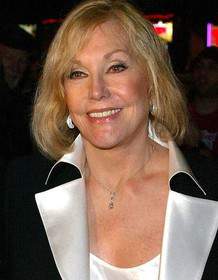
Kim Novak
Mildred Rogers in 'Of Human Bondage' (archive footage) (uncredited)
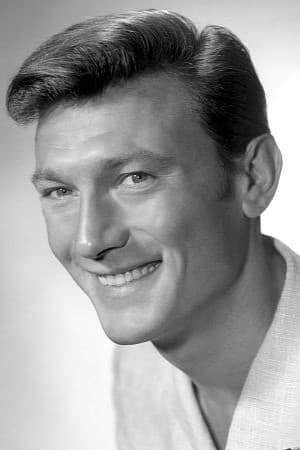
Laurence Harvey
Philip Carey (archive footage) (uncredited)

Stefania Sandrelli
Luciana Zanon
Ettore Scola
Nino Manfredi
Antonio
Vittorio Gassman
Gianni Perego
Lamberto Maggiorani
Antonio Ricci in 'Ladri di biciclette' (archive footage) (uncredited)
Isa Barzizza
Elena
Giovanna Ralli
Elide
Fiammetta Baralla
Maria
Ugo Gregoretti
Presenter (uncredited)
Aldo Fabrizi
Romolo Catenacci
Elena Fabrizi
Anna Catenacci, Romolo's wife
Enzo Staiola
Bruno Ricci in 'Ladri di biciclette' (archive footage) (uncredited)
Carla Mancini
Lena
Luciano Bonanni
Torquato (uncredited)
Lorenzo Piani
Enrico
Aristide Caporale
Man bothering Fellini
Vezio Natili
Bishop (uncredited)
Guidarino Guidi
Himself
Mike Bongiorno
Himself
Livia Cerini
Rosa
Ivana Rumor
Vendor in Restaurant (uncredited)
Stefano Satta Flores
Nicola Palumbo
Iolanda Fortini
Guest (uncredited)
Dino Curcio
Palumbo
Marcella Michelangeli
Gabriella
Amedeo Fabrizi
Amedeo, Romolo's son
Alberto Postorino
Man in restaurant
Nello Meniconi
Himself
Alfonso Crudele
Edoardo
Pierluigi Praturlon
Himself
Olga De Marco
Woman at Catenacci's Refreshment (uncredited)
External Links and Streaming Options
Discover where to watch We All Loved Each Other So Much online, including streaming platforms, rental options, and official sources. Compare reviews, ratings, and in-depth movie information across sites like IMDb, TMDb, Wikipedia or Box Office Mojo.





Take the Ultimate We All Loved Each Other So Much Movie Quiz
Challenge your knowledge of We All Loved Each Other So Much with this fun and interactive movie quiz. Test yourself on key plot points, iconic characters, hidden details, and memorable moments to see how well you really know the film.
We All Loved Each Other So Much (1974): A drama about three former Italian Resistance fighters navigating love, ambition, and friendship in post‑war Rome.
Which three characters are the former Resistance fighters?
Full Plot Summary and Ending Explained for We All Loved Each Other So Much
Read the complete plot summary of We All Loved Each Other So Much, including all major events, twists, and the full ending explained in detail. Explore key characters, themes, hidden meanings, and everything you need to understand the story from beginning to end.
Three former Resistance fighters—Gianni Perego Vittorio Gassman, Antonio Ricci Nino Manfredi, and Nicola Palumbo Stefano Satta Flores—try to build new lives in a Rome that is recovering from war. Antonio becomes a dedicated nurse who falls in love with Luciana Stefania Sandrelli, a woman he meets in the city. Gianni starts out as an assistant in a law firm whose head, La Rosa, is mounting a political bid on the Socialist ticket. Nicola takes up teaching at the high school level, marries, and has a son named Tommasino. The trio believes they are shaping their own destinies, even as the shadows of the past linger.
Three years after the war, the friends gather in a restaurant to reminisce, and an unspoken truth begins to surface: Luciana and Gianni are falling in love. When they finally confess their affair to Antonio, he confronts Gianni with a blow, shattering the fragile balance of their fragile postwar camaraderie. Meanwhile, Nicola’s life begins to unravel when a violent argument with a superior over the fate of the film Bicycle Thieves costs him his job, prompting him to leave his wife and child and move to Rome.
As time passes, Gianni and Luciana carry on living together, and Gianni’s career advances as he becomes a lawyer. He is asked to defend a corrupt real estate developer, but he refuses, later insisting that his refusal was rooted in moral principles rather than any political alliance—though the implication lingers that the firm’s entanglements with power may have affected him. Elide, the daughter of the client, develops feelings for Gianni, and the movie gently hints that Gianni may have accepted a bribe. Nicola, meanwhile, tries to reinvent himself as a film critic and to launch a film magazine, but his venture falters.
Years drift by, and Antonio, Nicola, and Luciana share a drunken night in which old resentments flare. Antonio argues with Luciana, who dreams of stardom; the moment passes, but the tension remains. Sometime later, Gianni receives news that Luciana may have attempted suicide. He finds her at a hotel, and in a tense scene she asks whether Antonio knows about their past. Nicola’s temper flares again, and he slaps her; she apologizes, and Antonio begins another quarrel with Nicola. Luciana recovers, and the trio parts once more, while Gianni watches from afar, unable to summon the courage to approach.
A further montage ages the characters: Gianni has married Elide Giovanna Ralli and built a comfortable, prosperous life with two children, while Tommasino grows toward adulthood. Nicola resurfaces on a television quiz show about Italian cinema, answering every question correctly and winning a substantial prize, which he uses to reconnect with his wife. On the next episode, a misstep about Bicycle Thieves costs him the winnings, underlining how memory and pride continue to tug at the group.
In 1959, at the Trevi Fountain, Antonio spots Luciana again, now an alcoholic actress who is hard to reach, and an impresario’s demands keep them apart. A decade later, Gianni’s countryside mansion and his ongoing estrangement from Elide reveal a man who is powerful yet emotionally isolated. When a quarrel with his father-in-law gives him real power over a business project, Elide confesses she has met another man, a revelation that devastates him and drives her toward suicide.
Antonio has remarried, and he and his new wife encounter Luciana again—now working as an usher with a young son. At a village festival, Vittorio De Sica Vittorio De Sica shares an anecdote that supports Nicola’s infamous quiz-show win, and the adults’ world-scrapings collide with a quiet truth: the younger generation has inherited a legacy of compromises. On a late-night drive back to Rome, Antonio happens upon Gianni, who pretends to be broke. They arrange to meet with Nicola, now a stringer for a newspaper, and the three old friends converge once more in the familiar restaurant.
The reunion is bittersweet and revealing: Gianni declares that they are a generation who did not fulfill the hopes they once had for a better world, a charge they level at one another in a drunken, cathartic brawl. When the dust settles, Nicola reveals that Tommasino is getting married, and the news brings an emotional release. They visit Antonio’s wife together, and Gianni finally confesses that he has always loved Luciana, while Luciana insists she never thought of him in those terms. After Gianni leaves, Nicola realizes he forgot his driver’s license, which becomes a small symbol of the ways time steals certainties. The next morning, the group returns the license to Gianni’s door and departs with a renewed sense of disagreement, yet something resembling lingering affection as they drift apart once again. In the end, the film leaves us with a quiet sense of memory, loss, and the stubborn endurance of friendship across the decades.

Coming soon on iOS and Android
The Plot Explained Mobile App
From blockbusters to hidden gems — dive into movie stories anytime, anywhere. Save your favorites, discover plots faster, and never miss a twist again.
Sign up to be the first to know when we launch. Your email stays private — always.
Explore the mobile appWatch Trailers, Clips & Behind-the-Scenes for We All Loved Each Other So Much
Watch official trailers, exclusive clips, cast interviews, and behind-the-scenes footage from We All Loved Each Other So Much. Dive deeper into the making of the film, its standout moments, and key production insights.
We All Loved Each Other So Much Themes and Keywords
Discover the central themes, ideas, and keywords that define the movie’s story, tone, and message. Analyze the film’s deeper meanings, genre influences, and recurring concepts.
We All Loved Each Other So Much Other Names and Titles
Explore the various alternative titles, translations, and other names used for We All Loved Each Other So Much across different regions and languages. Understand how the film is marketed and recognized worldwide.
Similar Movies To We All Loved Each Other So Much You Should Know About
Browse a curated list of movies similar in genre, tone, characters, or story structure. Discover new titles like the one you're watching, perfect for fans of related plots, vibes, or cinematic styles.
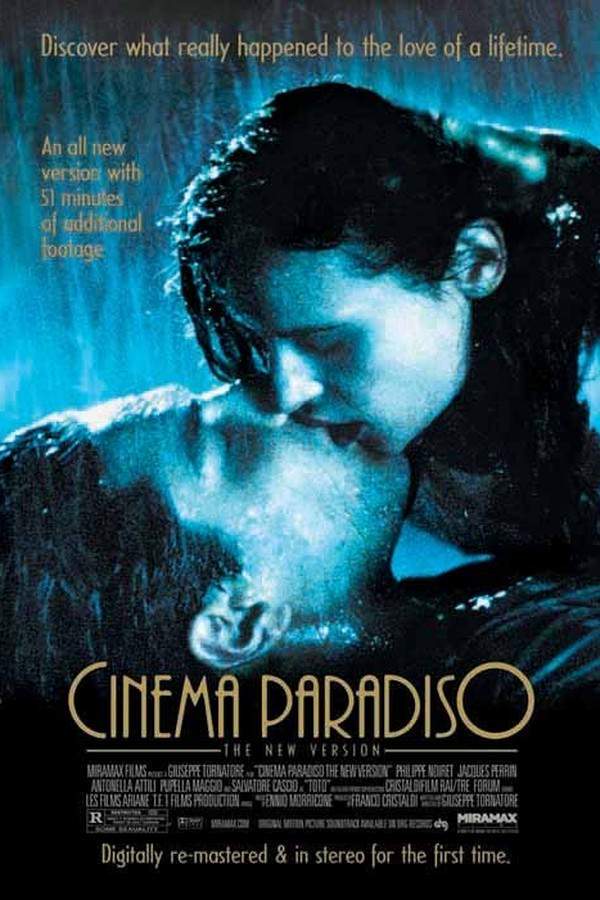
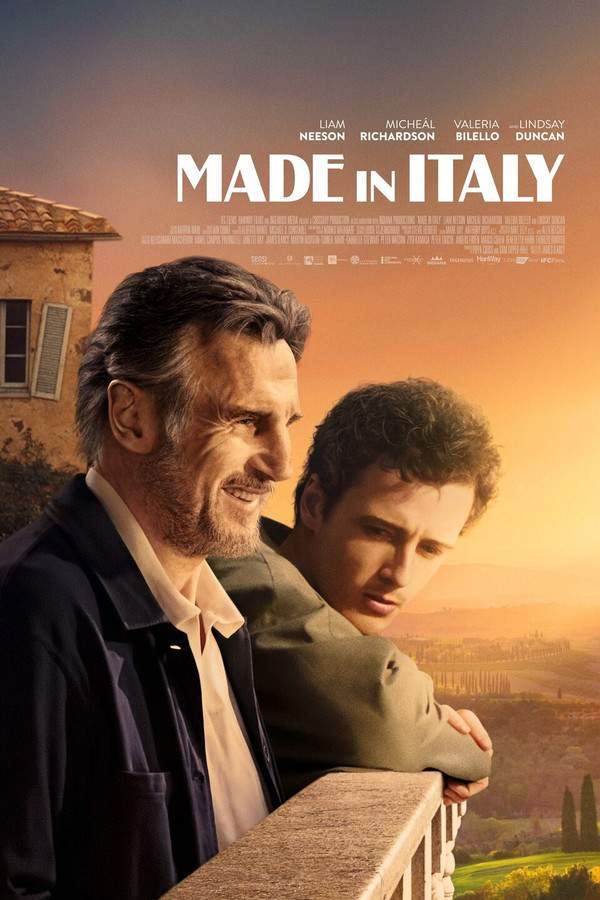


-hbTR_oK2SWsInw.jpg)


Quick Links: Summary, Cast, Ratings, More

What's After the Movie?
Not sure whether to stay after the credits? Find out!
Check out our other apps:

SAT Sphere
Build confidence for the Digital SAT.

Mori Atlas
Discover wild places worth protecting.

Luntero
Search smarter for a home in Amsterdam.

Plot Explained
Unravel movie endings and hidden clues.

Pokechamp
Dive into Pokémon data and battle logic.

Driving Theory
Get ready for your European theory test.

Movie Dust
Plan your next cinema trip with ease.

Musemap
Find art and culture as you travel.

Selkobase
Compare credentials before committing.

Local Manual
Turn an unfamiliar country into practical next steps.

Lernavi
Compare school systems before your next move.

GymRoam
Find a workout stop wherever your plans take you.
Explore Our Movie Platform
New Movie Releases (2026)
Famous Movie Actors
Top Film Production Studios
Movie Plot Summaries & Endings
Major Movie Awards & Winners
Best Concert Films & Music Documentaries
Movie Collections and Curated Lists
© 2026 What's After the Movie. All rights reserved.
Privacy Policy