I Vitelloni 1953


Five restless youths linger in a sleepy Italian town, each chasing hollow ambitions. Fausto, the leader, is a womanizer; Riccardo craves fame; Alberto drifts in dreams; Moraldo longs for city life; Leopoldo aspires to be a playwright. Their lazy days unfold on a river‑edge beach, as Fausto’s affairs alarm his pregnant wife and the group drifts from one uneventful episode to the next.

Does I Vitelloni have end credit scenes?
No!
I Vitelloni does not have end credit scenes. You can leave when the credits roll.
Meet the Full Cast and Actors of I Vitelloni
Explore the complete cast of I Vitelloni, including both lead and supporting actors. Learn who plays each character, discover their past roles and achievements, and find out what makes this ensemble cast stand out in the world of film and television.
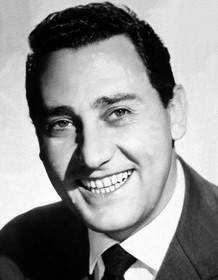
Alberto Sordi
Alberto
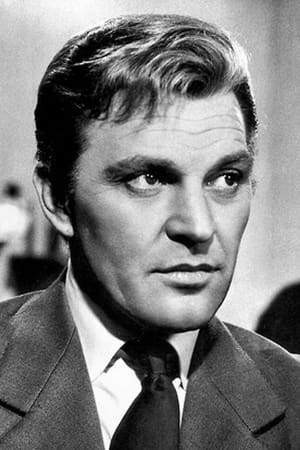
Franco Fabrizi
Fausto Moretti
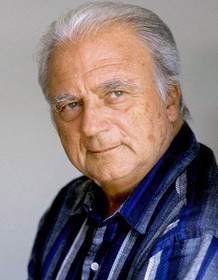
Franco Interlenghi
Moraldo Rubini

Leopoldo Trieste
Leopoldo Vannucci
Silvio Bagolini
Giudizio
Riccardo Fellini
Riccardo
Leonora Ruffo
Sandra Rubini
Jean Brochard
Francescco Moretti
Claude Farell
Olga
Carlo Romano
Michele Curti
Enrico Viarisio
Signor Rubini
Paola Borboni
Signora Rubini
Lída Baarová
Giulia Curti
Arlette Sauvage
Mysterious Woman at the Cinema
Vira Silenti
Gisella
Maja Niles
Caterina
Achille Majeroni
Sergio Natali
Guido Martufi
Guido
Milvia Chianelli
Riccardo's Friend
Enzo Andronico
A Boy at the Carnival (uncredited)
Lino Toffolo
A Boy at the Carnival (uncredited)
Riccardo Cucciolla
Narrator (voice) (uncredited)
Gigetta Morano
Alberto and Olga's Mother (uncredited)
Franca Gandolfi
Ballerina (uncredited)
Gustavo De Nardo
(uncredited)
Gondrano Trucchi
(uncredited)
Alberto Anselmi
(uncredited)
Lilia Landi
Self (uncredited)
Graziella De Roc
(uncredited)
Giovanna Galli
Ballerina (uncredited)
External Links and Streaming Options
Discover where to watch I Vitelloni online, including streaming platforms, rental options, and official sources. Compare reviews, ratings, and in-depth movie information across sites like IMDb, TMDb, Wikipedia or Box Office Mojo.






Take the Ultimate I Vitelloni Movie Quiz
Challenge your knowledge of I Vitelloni with this fun and interactive movie quiz. Test yourself on key plot points, iconic characters, hidden details, and memorable moments to see how well you really know the film.
I Vitelloni Quiz: Test your knowledge of the 1953 film *I Vitelloni* with these ten questions ranging from easy to challenging.
Who is crowned "Miss Mermaid 1953" in the film?
Full Plot Summary and Ending Explained for I Vitelloni
Read the complete plot summary of I Vitelloni, including all major events, twists, and the full ending explained in detail. Explore key characters, themes, hidden meanings, and everything you need to understand the story from beginning to end.
As summer wanes along the Adriatic coast, a violent downpour interrupts a beachside beauty pageant, casting a cloud over a town that seems to drift with the tide. Sandra Rubini [Leonora Ruffo] is crowned “Miss Mermaid 1953,” but the euphoria falters when whispers spread that she might be pregnant by Fausto Moretti [Franco Fabrizi], a man with a notorious appetite for flirtation. Under pressure from Francesco [Enrico Viarisio], her respectable father, the couple agrees to a shotgun wedding. The ceremony is modest, attended by only a few locals, and the newlyweds depart for a honeymoon that feels more like a temporary escape from provincial monotony.
Back home, Fausto’s circle of twenty-something friends—Moraldo Rubini [Franco Interlenghi], Riccardo [Riccardo Fellini], Alberto [Alberto Sordi], and Leopoldo Vannucci [Leopoldo Trieste]—drifts between empty cafés, seedy pool halls, and windswept beaches, filling their days with small pranks and restless chatter. They taunt road workers from the comfort of a luxury car, only to face embarrassment when the vehicle breaks down. Moraldo, the youngest of the five vitelloni and Sandra’s brother, watches Fausto’s womanizing with an uneasy ache, dreaming of a way out of their stifling town and toward something bigger in the city. Riccardo nurtures grand, almost operatic ambitions to sing and perform, while Alberto—supported by his devoted mother and his capable sister Olga—grapples with the ache of Olga’s secret dating of a married man. Leopoldo, ever the aspiring dramatist, crafts a play and eagerly seeks the eccentric stage actor Sergio Natali [Achille Majeroni] to bring it to life.
When Fausto returns from the honeymoon, a work opportunity in a religious-articles shop owned by Michele Curti [Carlo Romano] tethers him to a dull but steady routine. Yet the old flame in him never really goes dark: he continues to chase women, even in the presence of his wife. At the annual masquerade ball, he becomes fixated on Giulia Curti [Lída Baarová], Curti’s worldly wife, a sight that unsettles Sandra’s precarious new life. Inside the glittering ballroom, Alberto—dressed in drag and visibly intoxicated—shuffles across the floor in a surreal fandango, his oversized papier-mâché carnival head bobbing with the rhythm. The dawn finds Fausto returning home to a grim truth: his sister Olga has run off with her lover, leaving the family to pick up the pieces.
In a moment of reckoning, Fausto’s attempt to seduce Giulia ends in humiliation as her husband fires him, and in a moment of reckless bravado, he steals a gold-painted angel statue from Curti’s shop. He enlists Moraldo to help him hawk the statue, first to a convent and then to a monk, but both pass on the risky purchase. Eventually, the statue is left with a simple-minded peasant, who places it on a sun-warmed mound outside his humble dwelling and tends to it with a gentle, almost religious affection.
A later night finds Leopoldo accompanying Natali for a walk along the sea to discuss the merits of Leopoldo’s play, only for Natali to proposition him; Leopoldo bolts, puzzled and frightened by the confrontation. News of Fausto’s late-night indiscretion with a variety performer travels swiftly, and Sandra, heart torn between love and doubt, flees home with the baby in her arms. The four friends—Riccardo, Alberto, Leopoldo, and Moraldo—join the whispered search for Sandra and the child, scouring the coastline and the outskirts of the town until they find her at Fausto’s father’s house, where Francesco explodes in anger and lashes out with a belt.
Yet even amid conflict, a fragile reconciliation emerges. Fausto and Sandra walk back toward their uncertain future, tentative but hopeful about finding a life beyond provincial boundaries. And Moraldo, carried by a train’s rhythmic chug toward a distant city, imagines his vitelloni friends sleeping and dreaming their lives away—caught between the pull of the shore and the lure of the world beyond, forever watching the horizon for something more.

Coming soon on iOS and Android
The Plot Explained Mobile App
From blockbusters to hidden gems — dive into movie stories anytime, anywhere. Save your favorites, discover plots faster, and never miss a twist again.
Sign up to be the first to know when we launch. Your email stays private — always.
Explore the mobile appWatch Trailers, Clips & Behind-the-Scenes for I Vitelloni
Watch official trailers, exclusive clips, cast interviews, and behind-the-scenes footage from I Vitelloni. Dive deeper into the making of the film, its standout moments, and key production insights.
Cars Featured in I Vitelloni
Explore all cars featured in I Vitelloni, including their makes, models, scenes they appear in, and their significance to the plot. A must-read for car enthusiasts and movie buffs alike.
I Vitelloni Themes and Keywords
Discover the central themes, ideas, and keywords that define the movie’s story, tone, and message. Analyze the film’s deeper meanings, genre influences, and recurring concepts.
I Vitelloni Other Names and Titles
Explore the various alternative titles, translations, and other names used for I Vitelloni across different regions and languages. Understand how the film is marketed and recognized worldwide.
Similar Movies To I Vitelloni You Should Know About
Browse a curated list of movies similar in genre, tone, characters, or story structure. Discover new titles like the one you're watching, perfect for fans of related plots, vibes, or cinematic styles.


-hbTR_oK2SWsInw.jpg)


Quick Links: Summary, Cast, Ratings, More

What's After the Movie?
Not sure whether to stay after the credits? Find out!
Check out our other apps:

SAT Sphere
Build confidence for the Digital SAT.

Mori Atlas
Discover wild places worth protecting.

Luntero
Search smarter for a home in Amsterdam.

Plot Explained
Unravel movie endings and hidden clues.

Pokechamp
Dive into Pokémon data and battle logic.

Driving Theory
Get ready for your European theory test.

Movie Dust
Plan your next cinema trip with ease.

Musemap
Find art and culture as you travel.

Selkobase
Compare credentials before committing.

Local Manual
Turn an unfamiliar country into practical next steps.

Lernavi
Compare school systems before your next move.

GymRoam
Find a workout stop wherever your plans take you.
Explore Our Movie Platform
New Movie Releases (2026)
Famous Movie Actors
Top Film Production Studios
Movie Plot Summaries & Endings
Major Movie Awards & Winners
Best Concert Films & Music Documentaries
Movie Collections and Curated Lists
© 2026 What's After the Movie. All rights reserved.
Privacy Policy