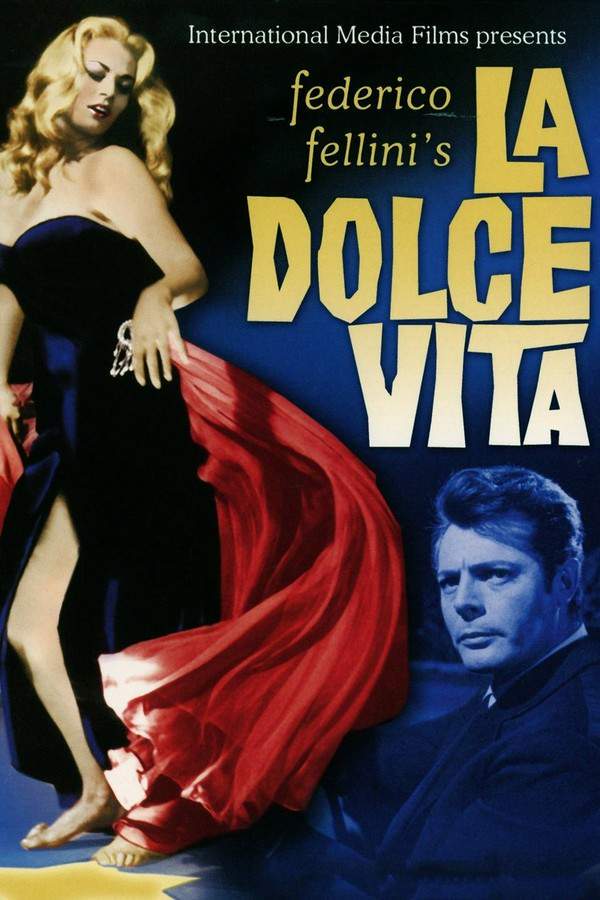
What Is I Vitelloni About?
The premise of I Vitelloni in 332 words, with nothing given away. The full story follows below.
In the sweltering heat of a midsummer on the Adriatic, a small Italian town seems to move at the pace of the tide. The narrow streets, the languid cafés, and the endless river‑edge beach create a world where time feels both abundant and pointless. The community is a patchwork of familiar faces and whispered ambitions, its quiet rhythm broken only by the occasional burst of youthful mischief. The atmosphere is suffused with a gentle melancholy, a sense that something larger lies just beyond the horizon while the present stretches out like the sea itself.
At the heart of this stillness drift five men in their twenties, each clinging to a fragile dream. Fausto, the charismatic leader, spends his days chasing women and daring his friends to follow his reckless example. Riccardo is driven by an almost theatrical longing for fame, rehearsing grand gestures that never quite leave the rehearsal room. Alberto wanders in a haze of idle fantasies, his thoughts as weightless as the clouds above the beach. The youngest, Moraldo, watches the town with yearning eyes, hoping that a train away lies a life he can finally claim. Finally, Leopoldo sketches plots and dialogues, convinced that a playwright’s pen might be his ticket out of the provincial lull. Their interactions are a mixture of playful teasing, subtle rivalries, and an unspoken camaraderie that keeps them tethered to one another even as each eyes a different escape.
The film moves with a breezy, slightly ironic tone, capturing the paradox of youthful inertia: the feeling of endless possibility paired with the comfort of familiar stagnation. Light‑hearted pranks and idle conversations mask deeper uncertainties, and the sea breeze seems to carry the characters’ whispered hopes and doubts. As the summer wanes, the group’s days become a series of quiet episodes that hint at the inevitable crossroads where longing may finally meet reality, leaving the viewer to wonder which of them will step beyond the sand and which will watch the tide recede, forever waiting.
What Happens in I Vitelloni?
The complete story of I Vitelloni, from the first scene to the last, in 641 words (about 3 minutes). Spoilers throughout.
Spoilers ahead
As summer wanes along the Adriatic coast, a violent downpour interrupts a beachside beauty pageant, casting a cloud over a town that seems to drift with the tide. Sandra Rubini [Leonora Ruffo] is crowned “Miss Mermaid 1953,” but the euphoria falters when whispers spread that she might be pregnant by Fausto Moretti [Franco Fabrizi], a man with a notorious appetite for flirtation. Under pressure from Francesco [Enrico Viarisio], her respectable father, the couple agrees to a shotgun wedding. The ceremony is modest, attended by only a few locals, and the newlyweds depart for a honeymoon that feels more like a temporary escape from provincial monotony.
Back home, Fausto’s circle of twenty-something friends—Moraldo Rubini [Franco Interlenghi], Riccardo [Riccardo Fellini], Alberto [Alberto Sordi], and Leopoldo Vannucci [Leopoldo Trieste]—drifts between empty cafés, seedy pool halls, and windswept beaches, filling their days with small pranks and restless chatter. They taunt road workers from the comfort of a luxury car, only to face embarrassment when the vehicle breaks down. Moraldo, the youngest of the five vitelloni and Sandra’s brother, watches Fausto’s womanizing with an uneasy ache, dreaming of a way out of their stifling town and toward something bigger in the city. Riccardo nurtures grand, almost operatic ambitions to sing and perform, while Alberto—supported by his devoted mother and his capable sister Olga—grapples with the ache of Olga’s secret dating of a married man. Leopoldo, ever the aspiring dramatist, crafts a play and eagerly seeks the eccentric stage actor Sergio Natali [Achille Majeroni] to bring it to life.
When Fausto returns from the honeymoon, a work opportunity in a religious-articles shop owned by Michele Curti [Carlo Romano] tethers him to a dull but steady routine. Yet the old flame in him never really goes dark: he continues to chase women, even in the presence of his wife. At the annual masquerade ball, he becomes fixated on Giulia Curti [Lída Baarová], Curti’s worldly wife, a sight that unsettles Sandra’s precarious new life. Inside the glittering ballroom, Alberto—dressed in drag and visibly intoxicated—shuffles across the floor in a surreal fandango, his oversized papier-mâché carnival head bobbing with the rhythm. The dawn finds Fausto returning home to a grim truth: his sister Olga has run off with her lover, leaving the family to pick up the pieces.
In a moment of reckoning, Fausto’s attempt to seduce Giulia ends in humiliation as her husband fires him, and in a moment of reckless bravado, he steals a gold-painted angel statue from Curti’s shop. He enlists Moraldo to help him hawk the statue, first to a convent and then to a monk, but both pass on the risky purchase. Eventually, the statue is left with a simple-minded peasant, who places it on a sun-warmed mound outside his humble dwelling and tends to it with a gentle, almost religious affection.
A later night finds Leopoldo accompanying Natali for a walk along the sea to discuss the merits of Leopoldo’s play, only for Natali to proposition him; Leopoldo bolts, puzzled and frightened by the confrontation. News of Fausto’s late-night indiscretion with a variety performer travels swiftly, and Sandra, heart torn between love and doubt, flees home with the baby in her arms. The four friends—Riccardo, Alberto, Leopoldo, and Moraldo—join the whispered search for Sandra and the child, scouring the coastline and the outskirts of the town until they find her at Fausto’s father’s house, where Francesco explodes in anger and lashes out with a belt.
Yet even amid conflict, a fragile reconciliation emerges. Fausto and Sandra walk back toward their uncertain future, tentative but hopeful about finding a life beyond provincial boundaries. And Moraldo, carried by a train’s rhythmic chug toward a distant city, imagines his vitelloni friends sleeping and dreaming their lives away—caught between the pull of the shore and the lure of the world beyond, forever watching the horizon for something more.
I Vitelloni Timeline: Every Key Event in Order
14 key events in the order they happen, from “Pageant interruption and a secret” to “Reconciliation and a last image”. 14 events name a place, across 13 locations.
- 1
Pageant interruption and a secret
A violent downpour on the Adriatic coast interrupts the beachside beauty pageant. Sandra Rubini, crowned Miss Mermaid 1953, faints, and rumors spread that she is pregnant by Fausto Moretti. The town buzzes with speculation as summer ends.
When:End of summer Where:Beachside town on the Adriatic coast
- 2
Shotgun wedding
Under pressure from Francesco, Fausto agrees to a shotgun wedding with Sandra. The ceremony is a sparsely attended middle-class affair. The newlyweds then depart for a honeymoon in Rome.
When:Shortly after pageant Where:Local town church
- 3
Rome honeymoon
Fausto and Sandra leave for a honeymoon in Rome, stepping into a world beyond their provincial town. The trip marks a temporary escape from the town's expectations. The couple returns to a different reality, still financially strapped.
When:Immediately after wedding Where:Rome
- 4
Back from honeymoon, unemployed
Fausto returns to an unemployed life, living with his parents. His twenty-something friends drift from empty cafés to seedy pool halls and windswept beaches, filling time with petty pranks. One reckless day they taunt road workers from a luxury car, only to be beaten when the car breaks down.
When:After honeymoon Where:Provincial town
- 5
Moraldo's quiet longing
Moraldo, the youngest vitellone, watches Fausto's womanizing with unease and questions the point of their provincial lives. He dreams of escaping to the city, balancing desire with loyalty to family and friends.
When:Around this period Where:Town
- 6
Friends' ambitions and dreams
Riccardo nurtures ambitions to sing and act. Alberto is a daydreamer living with his mother and Olga, who secretly dates a married man. Leopoldo writes a play and discusses it with Natali, an eccentric stage actor he hopes will perform in it.
When:Ongoing Where:Town
- 7
New job at Curti’s shop
Back from the honeymoon, Fausto takes a job as a stockroom assistant in Michele Curti's religious articles shop. The respectable steady job clashes with his restless temperament and lifestyle.
When:After wedding Where:Curti shop
- 8
Infidelity persists
Fausto continues to pursue other women even in Sandra’s presence, showing his inability to settle into a conventional marriage. His flirtations intensify the strain of their precarious domestic life.
When:Post-honeymoon Where:Shop and home
- 9
Masquerade ball and surreal spectacle
At the annual masquerade ball, Fausto is bedazzled by Giulia Curti, the wife of his employer. Alberto, in drag and wearing an oversized carnaval head, performs a surreal dance that unsettles the evening. The night exposes fractures beneath the town’s respectable surface.
When:During the ball Where:Ball hall
- 10
Olga’s elopement
Returning from the ball at dawn, Alberto is shattered to learn that his sister Olga is running off with her lover. The revelation further strains the family’s fragile stability.
When:Dawn after ball Where:Family home
Show the other 4 events of I Vitelloni Hide the last 4 events
- 11
The statue theft
Fausto makes a clumsy play for Giulia, then is humiliated when her husband fires him. In revenge, he steals a statue of an angel from Curti’s shop and enlists Moraldo to help hawk it. They fail to pawn it to a convent or a monk, who both turn them away.
When:Night Where:Curti shop and surrounding locales
- 12
The statue’s fate
The angel statue is abandoned with a simple-minded peasant who sets it on a mound outside his hut and caresses it. The object becomes a quiet, strange remnant of the characters’ failed swagger.
When:Sometime after the theft Where:Peasant’s hut on the hillside
- 13
Sandra’s departure and the search
Sandra runs away with the baby after a one-night stand. Moraldo and the others join Fausto in a desperate search for wife and child. They eventually find her at Fausto’s father’s home, where Francesco belts Fausto in a fit of rage.
When:After the search Where:Fausto’s father’s home
- 14
Reconciliation and a last image
Fausto and Sandra reconcile and walk home together, hopeful about their life ahead despite the town’s stifling ordinariness. Meanwhile, Moraldo boards a train, imagining his friends sleeping and dreaming their lives away in some distant future.
When:Evening Where:Town streets and train station
Who Are the Main Characters in I Vitelloni?
8 characters, among them Moraldo Rubini (Franco Interlenghi), Fausto Moretti (Franco Fabrizi) and Alberto (Alberto Sordi): who each one is and the part they play in the story. Every profile links to the actor’s page.
-
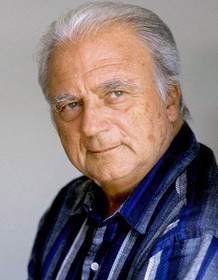
Moraldo Rubini (Franco Interlenghi)
Played by Franco Interlenghi
The youngest Vitellone, Moraldo watches his friends with a mix of envy and fatigue. He dreams of escaping the provincial town and moving to the city, where life might finally feel meaningful. His quiet, reflective demeanor provides a counterpoint to Fausto's brash bravado, highlighting the tension between ambition and inertia.
- 🧭 Dreamer
- 🎈 Yearning
- 👀 Observer
-
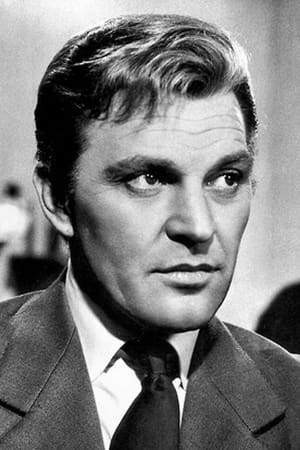
Fausto Moretti (Franco Fabrizi)
Played by Franco Fabrizi
A charming but unreliable figure, Fausto is the group’s skirt-chasing chronic nonconformist. He marries Sandra to quell gossip but keeps chasing other women, showing a reckless disregard for commitment. His actions spark the unraveling of relationships and push his friends to confront their own stasis.
- 💃 Flirtatious
- ⚡ Impulsive
- 🧰 Self-centered
-
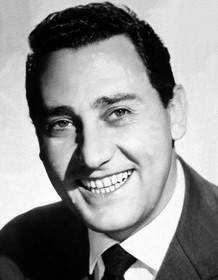
Alberto (Alberto Sordi)
Played by Alberto Sordi
A dreamy, sensitive artist-in-waiting, Alberto longs for a stage larger than the town. He performs a surreal dance in drag at the masquerade, exposing his need to escape into performance. His closeness to his family and his own artistic yearnings underscore the tension between imagination and ordinary life.
- 🎭 Dreamer
- 🕺 Performer
- 👨👩👧 Family-centered
- LV
Leopoldo Vannucci (Leopoldo Trieste)
Played by Leopoldo Trieste
An aspiring dramatist who writes a play and discusses it with Natali, Leopoldo embodies the hope of artistic recognition. He uses theatre as a route to meaning beyond provincial constraints, even as practicality and doubt temper his ambitions. His plans reflect the era's search for cultural validation in small-town settings.
- 🎭 Aspiring writer
- 🧭 Dreamer
- 🤝 Friend of Natali
- R(
Riccardo (Riccardo Fellini)
Played by Riccardo Fellini
A baritone with ambitions to sing and act, Riccardo nourishes unrealistic dreams while supporting his friends. He participates in the group’s schemes and introspections, illustrating how talent coexists with the desire for a bigger stage. His idealism mirrors the film’s broader question of whether aspiration can outgrow the town.
- 🎶 Singer
- 🎭 Dreamer
- 👥 Friend
- SR
Sandra Rubini (Leonora Ruffo)
Played by Leonora Ruffo
Sandra, Moraldo’s sister, is crowned Miss Mermaid and becomes the center of gossip about pregnancy. The pressure of reputation and family honor pushes her to make drastic choices, including leaving home with her lover. Her actions catalyze the search for Fausto and test the bonds of marriage.
- 👰 Bride-to-be
- 💔 Conflicted
- 🔥 Catalyst
- GC
Giulia Curti (Lída Baarová)
Played by Lída Baarová
Giulia is a mature beauty and the wife of Michele Curti, who becomes the object of Fausto’s attempts at seduction. Her resolve and eventual rejection of Fausto contribute to the tension in the love triangle and to Fausto’s professional downfall when her husband fires him.
- 💋 Femme fatale
- 💼 Authority
- 🏛️ Rejection
- MC
Michele Curti (Carlo Romano)
Played by Carlo Romano
Owner of a religious-articles shop and a friend of Fausto’s father-in-law, Michele represents a practical, morally upright counterweight to the group’s escapades. He ultimately fires Fausto after witnessing his flirtations with Giulia, underscoring the consequences of reckless behavior on personal and family honor.
- 🏬 Shopkeeper
- ⚖️ Authority
- 🛡️ Protector
Where and When Is I Vitelloni Set?
I Vitelloni is set in Adriatic coast town and Italy (1953). Here is why the time and place matter to the story.
When
1953
Set in the early 1950s, the film sits in postwar Italy where economic growth is beginning to nibble at traditional roles. The era’s social rituals—weddings, masquerade balls, and family pressures—shape the lives of young men and women. The time period highlights a transitional moment between old provincial stability and the lure of urban possibility.
Where
Adriatic coast town, Italy
The story unfolds in a provincial Italian town by the Adriatic Sea, where the shoreline and seaside venues frame the characters' social life. The setting emphasizes a tight-knit community with a routine of cafes, markets, and local events. It’s a place where gossip travels quickly and ambitions often collide with provincial norms.
- 🌊 Adriatic coast
- 🏖️ Beach setting
- 🏘️ Small-town life
What Are the Themes of I Vitelloni?
3 ideas the story keeps returning to, among them Dreams vs Reality, Friendship & Masculinity and Love & Infidelity.
-
01
Dreams vs Reality
Five friends float between idle provincial life and the pull of the city. Moraldo’s longing to escape contrasts with Fausto’s resistance to obligation, revealing how dreams collide with daily responsibilities. The film uses quiet moments and bursts of action to show how aspiration can be both inspiring and precarious. Ultimately, the characters test whether the town’s limits can be overcome or accepted.
-
02
Friendship & Masculinity
The Vitelloni’s camaraderie defines their sense of identity, even as it traps them in repetitive behavior. Bonding through pranks, conversations, and shared spaces becomes both a support network and a pressure chamber. The absence of true direction among the men highlights fragile masculinity and the fear of failure. The group’s dynamics push some toward self-awareness while others drift further from maturity.
-
03
Love & Infidelity
Romance in the town is entangled with social expectations and reputational risk. Sandra’s pregnancy rumor and Fausto’s wandering affections expose the fragility of marriage and trust. Giulia represents an adult, desired ideal who resists misadventure, while confrontations at home reveal the costs of passion and pride. The narrative uses these tensions to critique the gendered codes of behavior in a small community.
What Kind of Film Is I Vitelloni?
Melancholic in tone, with slow pacing and a straightforward story, going by the plot summary.
- Tone
- Melancholic
- Pacing
- Slow
- Story
- Straightforward
- Intensity
- Medium
- Ending
- Bittersweet
A melancholic and reflective portrait of idle youth, characterized by a sense of yearning and the quiet desperation of unfulfilled dreams within a sleepy provincial town.
- restless
- nostalgic
- melancholic
- provincial
- yearning
- aimless
- coming of age
- provincial life
- friendship
- unfulfilled dreams
Content notes: infidelity, emotional abuse.
Quiz
How well do you remember I Vitelloni? Test yourself on the story.
Where to Watch I Vitelloni
Stream it on Darkroom and HBO Max, or rent or buy it from Amazon Video and Apple TV Store. US availability and prices from JustWatch.
 Darkroom
  HBO Max
  HBO Max Amazon Channel
  Plex
Plex  Plex Channel


Streaming availability in the US, powered by