
Fellini’s Casanova 1976

Directed by
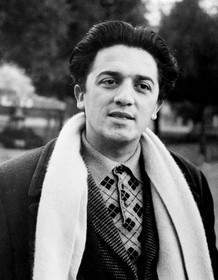
Federico Fellini
Made by

PEA
Fellini’s Casanova Plot Summary
Read the complete plot summary and ending explained for Fellini’s Casanova (1976). From turning points to emotional moments, uncover what really happened and why it matters.
Casanova ventures to one of Venice’s islands for a peculiar encounter involving a fake nun, all arranged for the entertainment of a wealthy voyeur. While there, he becomes increasingly frustrated because the man overseeing this voyeurism shows little interest in Casanova’s own pursuits, particularly his research into alchemy and his elaborate schemes. Disappointed, Casanova rows back to the mainland only to be arrested and brought before the High Court, accused of his notorious reputation for debauchery.
During his incarceration, Casanova reflects on his romantic escapades. He recalls a flirtation with a dressmaker and later, a more intense affair with Anna Maria, a junior employee who suffers from fainting spells that often require bloodletting. Casanova manages a daring escape from prison by climbing onto the roof, after which he exiles himself from Venice. His travels lead him to the court of Madame d’Urfé in Paris. The aged Madame, captivated by Casanova’s supposed knowledge of alchemy, hopes to transform her soul through ritualistic intercourse with him.
Casanova’s journey continues as he reunites with his brother, inviting a new complication when he seduces his brother’s girlfriend. Two years later, in Forlì, Casanova becomes involved with a hunchbacked figure at a court, while also caring for a beautiful young woman named Henriette. They pledge fidelity, but the morning after, Henriette vanishes mysteriously. Du Bois, the hunchback, informs Casanova that Henriette has been reclaimed by a distant court and warns him not to pursue her.
Later, in London, Casanova’s luck falters again. He is robbed by two women and, overwhelmed by despair, attempts to drown himself in the Thames. However, his attention is diverted by visions of a giantess and dwarves; he follows them to a frost fair where he engages in a humorous arm-wrestling match with the giantess, who turns out to be a princess. He also watches her bathe with the dwarves, paying for the spectacle.
Casanova’s adventures take him to Rome, where he attends an eccentric party at Lord Talou’s palace. There, he demonstrates his stamina by winning a bet for how many orgasms he can produce within an hour. His travels then lead him to Bern, where he falls for Isabella, the daughter of an alchemist. However, she misses their appointment to go to Dresden, prompting Casanova to indulge in an orgy instead. During a brief visit to Dresden, he encounters his estranged mother in a theater, adding a bittersweet moment to his wandering life.
Moving on to Württemberg, Casanova hopes for recognition as a writer and inventor but finds himself frustrated by the court’s hedonistic and chaotic atmosphere. There, he meets Rosalba, a mechanical doll with whom he dances and later shares an intimate moment. Now aged and living in Dux at the castle of Count Waldstein, Casanova finds life more burdensome than ever. Surrounded by mockery and hostility, he reclines in an armchair, exhausted, and reflects on recent dreams. In this dreamlike reverie, he envisions himself back in Venice, chasing the ghosts of past lovers who gradually vanish into the ether. As the dream concludes, a magnificent stagecoach beckons him to join its passengers.
Finally, he reunites with Rosalba once more, and they dance together, symbolizing the enduring yet elusive nature of his passions and memories. Throughout his extraordinary life filled with love, adventure, longing, and regret, Casanova’s story is one of constant pursuit—not only of pleasure but also of meaning in a world that often confounds him.
Fellini’s Casanova Timeline
Follow the complete movie timeline of Fellini’s Casanova (1976) with every major event in chronological order. Great for understanding complex plots and story progression.
Casanova visits Venice's island
Casanova travels to one of Venice's islands to engage in a sexual encounter with a fake nun, driven by the pleasure of a voyeur. He is frustrated that the man hosting the event shows no interest in Casanova's alchemy research and schemes. As he leaves the island, Casanova is rowing back to the mainland, feeling unfulfilled and scheming anew.
Arrest and imprisonment
Casanova is arrested, judged, and imprisoned by the High Court in Venice due to his notorious debauchery. During his incarceration, he reflects on his romantic and sexual escapades, including his affair with a dressmaker and a young woman named Anna Maria who suffers from fainting fits.
Escaping from prison
Casanova escapes prison through the roof and chooses exile from Venice to avoid further punishment. His escape marks the beginning of his travels abroad, as he is taken into the court of Madame d'Urfé in Paris, who is intrigued by his supposed alchemical knowledge.
In Paris with Madame d'Urfé
At Madame d'Urfé's court, Casanova is remembered for his alchemical knowledge, and the Madame attempts to transform her soul through ritual intercourse with him. Meanwhile, Casanova entices his brother's girlfriend, causing personal complications amidst his flirtations and schemes.
Journey to Forlì
Two years later, Casanova moves to Forlì and becomes involved with a hunchback, Du Bois. During his stay, he takes charge of a beautiful young woman named Henriette, with whom he shares a bond, but she disappears unexpectedly at the request of an emissary from a distant court, who advises Casanova not to follow her.
London and attempted suicide
While in London, Casanova is robbed by two women, which leads him to attempt drowning himself in the Thames River. His suicidal moment is interrupted by a vision of a giantess and dwarves, and he becomes captivated by watching them and their antics at a frost fair.
Party at Lord Talou's palace
Casanova attends a wild and bizarre party hosted by Lord Talou in Rome, where he wins a bet by demonstrating his endurance through multiple orgasms within an hour. The event exemplifies the decadent and hedonistic lifestyle Casanova immerses himself in.
Love and orgy in Dresden
In Dresden, Casanova falls for Isabella, an alchemist’s daughter, but she fails to meet him. He instead gets involved in an orgy at a hostel where he is stranded. During this time, he has a brief encounter with his estranged mother in a theater, revealing unresolved family ties.
Württemberg court and meeting Rosalba
Casanova moves to Württemberg, where he faces frustration in his pursuits as a writer and inventor amid the court's chaotic orgies. It is here that he shares a dance and an intimate encounter with Rosalba, a mechanical doll, blending his fascination with technology and passion.
Old age at Dux Castle
Now elderly, Casanova serves as a librarian to Count Waldstein at his castle in Dux. His life has become tiresome and ridiculed, and he spends his days reminiscing and recounting his past, feeling drained and weary of his earlier adventures.
Dream of Venice
In a reflective dream, Casanova is transported back to Venice, where he chases the ghosts of his past lovers who ultimately vanish. He encounters a mystical stagecoach inviting him to join its passengers, symbolizing his longing for reconciliation and escape.
Reunion with Rosalba
In his final reflection, Casanova meets Rosalba, the mechanical doll, once again. They dance together, symbolizing a form of eternal connection, blending his lifelong fascination with love, illusion, and companionship in his twilight years.
Fellini’s Casanova Characters
Explore all characters from Fellini’s Casanova (1976). Get detailed profiles with their roles, arcs, and key relationships explained.
Giacomo Casanova (played by Donald Sutherland)
A charismatic and adventurous libertine, Casanova seeks love, knowledge, and recognition. His wit and charm mask underlying existential longing, as he navigates societal decadence and personal ambitions. He is both a seeker of pleasure and a reflective observer of his own life.
Madame d'Urfé (played by Diane Kurys)
An aged noblewoman who is captivated by Casanova’s alchemy knowledge, she embodies the theme of transformation and mysticism. Her obsession with ritualistic transmutation reflects her desire to transcend mortality and attain spiritual enlightenment.
Henriette (played by Tina Aumont)
A beautiful young woman involved with Casanova, her disappearance signifies the fleeting nature of youth and beauty. She represents Casanova's constant pursuit of ephemeral pleasures and the emotional consequences of his escapades.
Du Bois (played by Daniel Emilfork)
A courtier with a hunchback, Du Bois symbolizes societal constraints and the desire for acceptance. His relationship with Casanova highlights the diversity of social and physical appearances during the period.
Isabella (played by Olimpia Carlisi)
An alchemist’s daughter who captures Casanova’s romantic interest, her failure to keep her appointment emphasizes themes of longing and missed opportunities. Her character blends scientific curiosity with personal mystery.
Rosalba (Mechanical doll)
A mechanical doll representing Casanova’s idealized and unattainable love, she embodies themes of artificiality versus reality. Their dance and eventual intimacy highlight the movie’s exploration of human connection and illusion.
Fellini’s Casanova Settings
Learn where and when Fellini’s Casanova (1976) takes place. Explore the film’s settings, era, and how they shape the narrative.
Time period
18th Century
The events take place during the 18th century, a period marked by Enlightenment ideas, courtly excess, and a focus on arts and sciences. This era was characterized by social stratification, political intrigue, and a fascination with alchemy, which features prominently in the movie.
Location
Venice, Paris, Forlì, London, Bern, Dresden, Württemberg, Dux
The movie traverses multiple European locations, highlighting Venice as a romantic and decadent hub, Paris as a court of intrigue, and other cities that serve as backdrops for Casanova's adventures. Each place reflects different facets of 18th-century European society, from aristocratic courts to lively cities filled with social decadence.
Fellini’s Casanova Themes
Discover the main themes in Fellini’s Casanova (1976). Analyze the deeper meanings, emotional layers, and social commentary behind the film.
🧪
Alchemy
The film explores alchemy as a symbol of transformation and forbidden knowledge. Casanova’s fascination with alchemy underscores his desire for personal and spiritual metamorphosis, reflecting the era’s interest in science, mysticism, and the search for ultimate truths.
❤️
Desire
A central theme of the movie is the pursuit of pleasure and romantic escapades. Casanova’s numerous affairs and flirtations illustrate the decadence of the period’s social life, as well as the personal struggle between passion and societal constraints.

Coming soon on iOS and Android
The Plot Explained Mobile App
From blockbusters to hidden gems — dive into movie stories anytime, anywhere. Save your favorites, discover plots faster, and never miss a twist again.
Sign up to be the first to know when we launch. Your email stays private — always.
Explore the mobile appFellini’s Casanova Spoiler-Free Summary
Discover the spoiler-free summary of Fellini’s Casanova (1976). Get a concise overview without any spoilers.
In a world where the glitter of courts and the whisper of secret societies mask a deeper yearning for meaning, Casanova drifts from one lavish tableau to the next. Celebrated across Europe for his legendary charms, he is less a mere seducer than a restless explorer of sensation, forever chasing the feeling of truly being alive. The film opens amid the shimmering canals of Venice, where reputation and desire intertwine, setting the stage for a journey that spans gilded salons, moonlit gardens, and the shadowed corridors of alchemical intrigue.
The atmosphere shimmers with a baroque absurdity: aristocrats indulge in extravagant games, scholars pursue the mysteries of transformation, and the line between performance and reality blurs at every turn. Opulent interiors glow with candlelight while strange spectacles—ghostly visions, fleeting giants, and enigmatic rituals—hint at a world that is as surreal as it is sumptuous. Throughout, a tone of melancholic humor pervades, suggesting that even the most outrageous excess can hide an aching loneliness.
At the heart of this wandering is a man whose reputation precedes him, yet whose inner compass is constantly recalibrated. Casanova engages with a cast of fascinating figures—a patron fascinated by alchemy, a mysterious courtesan whose presence lingers like a perfume, and the enigmatic Madame d’Urfé who offers a promise of transcendence through forbidden knowledge. Their interactions reveal a delicate dance between ego and vulnerability, as he oscillates between playful conquest and genuine yearning for connection.
As the narrative unfolds across cities—from the misty banks of the Thames to the candlelit chambers of distant courts—the film paints a portrait of endless pursuit. Each encounter becomes a mirror reflecting both the dazzling surface of desire and the shadowed depths of identity, leaving viewers to wonder whether the true treasure lies not in the conquests themselves, but in the fleeting moments when the libertine finally feels, however briefly, truly alive.
Movies with Similar Twists and Themes
Uncover films that echo the narrative beats, emotional arcs, or dramatic twists of the one you're exploring. These recommendations are handpicked based on story depth, thematic resonance, and spoiler-worthy moments — perfect for fans who crave more of the same intrigue.
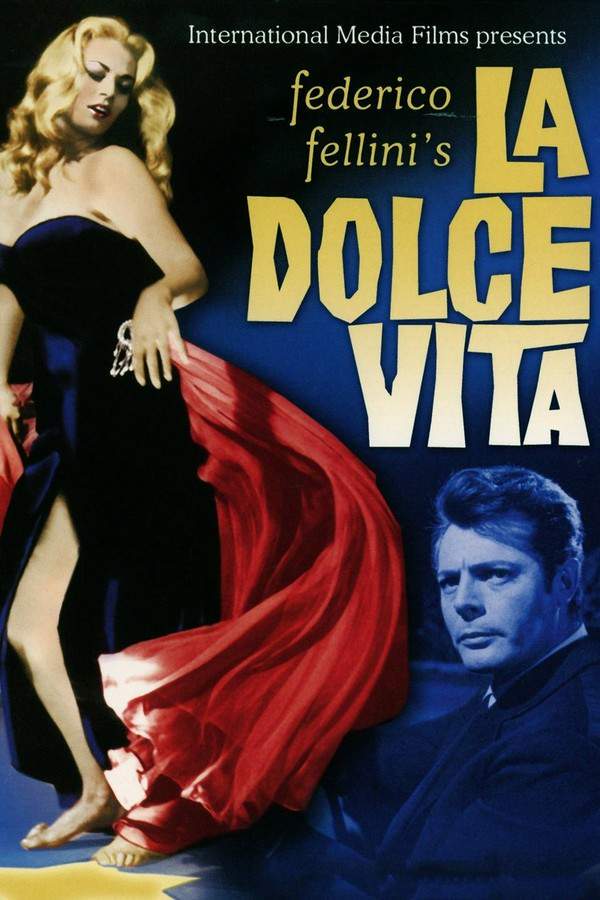

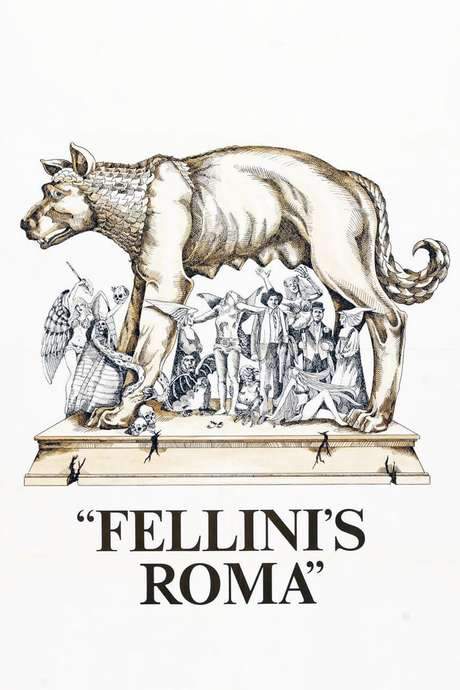

Featured on this page

What's After the Movie?
Not sure whether to stay after the credits? Find out!
Check out our other apps:

SAT Sphere
Build confidence for the Digital SAT.

Mori Atlas
Discover wild places worth protecting.

Luntero
Search smarter for a home in Amsterdam.

Plot Explained
Unravel movie endings and hidden clues.

Pokechamp
Dive into Pokémon data and battle logic.

Driving Theory
Get ready for your European theory test.

Movie Dust
Plan your next cinema trip with ease.

Musemap
Find art and culture as you travel.

Selkobase
Compare credentials before committing.

Local Manual
Turn an unfamiliar country into practical next steps.

Lernavi
Compare school systems before your next move.

GymRoam
Find a workout stop wherever your plans take you.
Explore Our Movie Platform
New Movie Releases (2026)
Famous Movie Actors
Top Film Production Studios
Movie Plot Summaries & Endings
Major Movie Awards & Winners
Best Concert Films & Music Documentaries
Movie Collections and Curated Lists
© 2026 What's After the Movie. All rights reserved.
Privacy Policy