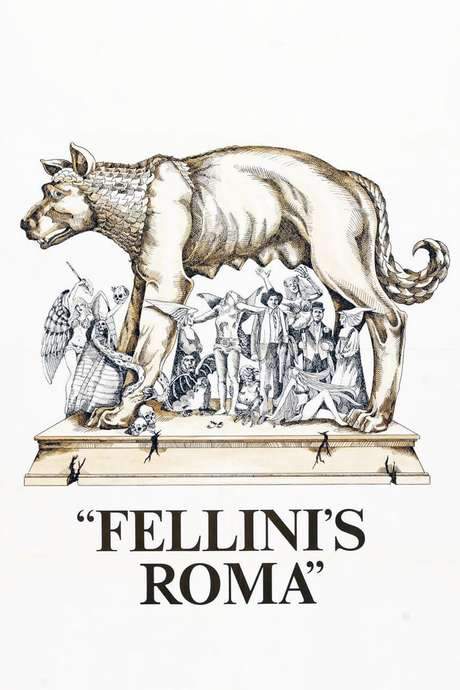
Roma 1972

Directed by
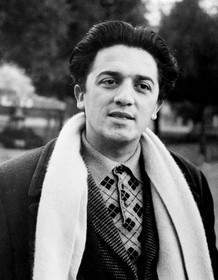
Federico Fellini

Roma Plot Summary
Read the complete plot summary and ending explained for Roma (1972). From turning points to emotional moments, uncover what really happened and why it matters.
Federico Fellini recounts his youth in Rome, weaving memory with the city’s vibrant, contradictory pulse. The film opens with a prolonged traffic jam that signals how the city moves through history, shifting from the Fascist-era 1930s to the mood of the 1970s. A young Fellini moves into a lively guesthouse filled with eccentric residents, run by a frail, obese landlady. He visits two brothels, one dilapidated and overcrowded, the other stylish and luxurious, and appears to fall for a woman working in the latter. The film paints a broader picture of Rome through a sequence of vivid vignettes: a cheap vaudeville theater, bustling streets, hidden tunnels, and an ancient catacomb whose frescoes are threatened by fresh air as excavators uncover it. One unforgettable moment in the vaudeville theater shows an irate patron hurling a dead cat onto the stage, a bold act of protest that lingers in memory.
The centerpiece unfolds as an extravagant liturgical fashion show staged by an elderly noblewoman, with a cardinal and other guests watching priests and nuns parade in surreal, ceremonial costumes. As the city moves toward the end, a group of young motorcyclists rides through the urban landscape, injecting a note of rebellion and life into the frame. The film closes on a quiet, melancholic note with a brief, poignant cameo by actress Anna Magnani, whom the crew met on the street during filming and who would die a few months later. The narrative blends autobiography with a dreamlike panorama of Rome, inviting viewers to read memory as a living, moving city where history, fantasy, and everyday life intersect in surprising ways.
Roma Timeline
Follow the complete movie timeline of Roma (1972) with every major event in chronological order. Great for understanding complex plots and story progression.
Opening traffic jam into Rome
The film opens with a long traffic jam as Fellini's journey into Rome begins. Cars crawl toward the city, setting a busy, impatient mood. This opening moment frames Rome as the living stage for the stories that follow.
Rome under Fascist regime depicted
Scenes depict Rome under the 1930s Fascist regime, with architecture and street life steeped in the era's atmosphere. The political climate provides a backdrop for Fellini's memories of youth. The tone blends documentary observation with dreamlike exaggeration.
Fellini moves into a lively guesthouse
A young Fellini moves into a vivacious guesthouse filled with eccentric residents. The house is run by a sick, obese landlady and features a Benito Mussolini lookalike among the guests. The setting establishes a playful yet probing canvas for city life.
Encounter with Mussolini lookalike guest
Among the guests is a Mussolini lookalike, whose presence adds a surreal political echo to the ordinary interactions. His figure underscores how authority and myth seep into everyday life. The moment foreshadows the film's blend of satire and memory.
First visit to a dilapidated brothel
Fellini visits a dilapidated, overcrowded brothel that reveals the harsher, intimate side of urban desire. The grim surroundings contrast with other, more polished scenes and hint at unspoken loves and losses. The experience deepens his perception of the city.
Luxurious brothel and budding love
In contrast, he visits a more stylish, luxurious brothel where he becomes smitten with a prostitute. The encounter signals romance amid the seedy city and the complexities of longing. The scene blends tenderness with the vibrant, nocturnal atmosphere.
Vaudeville theatre sequence with a cat
A cheap vaudeville theatre offers a vivid snapshot of performance and crowd energy. The theatre becomes a microcosm of Rome's spectacle-filled culture. In one moment, an irate patron hurls a dead cat onto the stage in protest, a shocking disruption.
Catacombs discovery and fresco damage
An ancient catacomb with frescoes is shown, then rapidly damaged by fresh air when excavators uncover it. The scene mixes wonder at hidden history with the fragility of preservation. It underscores how time and discovery alter what a city keeps sacred.
Noblewoman's extravagant liturgical fashion show
The film's most famous sequence follows an elderly noblewoman staging an extravagant liturgical fashion show for a Cardinal. Priests and nuns parade in bizarre, otherworldly costumes, turning sacred ritual into a theatrical spectacle. The scene satirizes power, piety, and the theater of Rome.
Motorcyclists ride into the city
Towards the end, a group of young motorcyclists rides into the city, injecting a sense of rebellious energy. Their presence contrasts with past scenes of authority and ritual, signaling a changing mood. The moment propels the film toward a vibrant, uncertain finale.
Anna Magnani’s street encounter and aftermath
During shooting, Fellini and the crew meet actress Anna Magnani on a street, a poignant cameo that would be followed by her death months later. The moment blends chance with cinema history and gives the film a bittersweet bite. It situates the making of Rome within real life.
Closing mood: Rome as a living collage
The closing mood lingers on Rome as a living collage of eras, a city that remembers and reinvents itself. The film ends on a melancholic note, reflecting on memory, spectacle, and daily life in the Italian capital. The city itself remains the central character, larger than any single moment.
Roma Characters
Explore all characters from Roma (1972). Get detailed profiles with their roles, arcs, and key relationships explained.
Fellini (Self)
The filmmaker narrates his own youth in Rome, guiding the viewer through the city’s chaotic beauty. He moves through guesthouses, streets, and a spectrum of characters, shaping the film’s autobiographical mood. His perspective anchors the memory of a city that is both affectionate and critical.
Princess Domitilla
An elderly noblewoman staging an extravagant liturgical fashion show for a Cardinal, priests, and nuns. The scene juxtaposes sacred pomp with theatrical spectacle, underscoring themes of religion, power, and decadence.
Cardinal Ottaviani
A high-ranking church figure who partakes in the lavish procession and fashion spectacle. His presence contrasts sacred ceremony with flamboyant display, highlighting themes of authority and ritual.
Dolores
A young prostitute encountered by Fellini in a stylish brothel. Her presence captures themes of desire, vulnerability, and the city’s underbelly, offering a counterpoint to the film’s more ceremonial images.
Anna Magnani
The legendary actress appears in the street during shooting, a fleeting cameo that adds a layer of meta-textual resonance and poignancy to the film’s Rome.
Mussolini Lookalike
A Benito Mussolini lookalike features in the guesthouse milieu, signaling the film’s engagement with Fascist imagery and the city’s political memory without foregrounding it.
Roma Settings
Learn where and when Roma (1972) takes place. Explore the film’s settings, era, and how they shape the narrative.
Time period
1930s and 1970s
The movie juxtaposes Rome during Mussolini's Fascist regime in the 1930s with scenes set in the 1970s. It uses these periods to explore memory, youth, and the social contrasts of a city undergoing change. The time layers emphasize how the past persists in the present and how memory shapes perception of the city.
Location
Rome, Italy
Rome serves as the film's living backdrop, where traffic grows into a portrait of the city. The narrative journeys through its streets, vaudeville theatres, catacombs, and crowded guesthouses. The city is shown across two eras—the Fascist-ruled 1930s and a vibrant, later period in the 1970s—revealing Rome as both stage and memory.
Roma Themes
Discover the main themes in Roma (1972). Analyze the deeper meanings, emotional layers, and social commentary behind the film.
🕰️
Nostalgia
The film functions as a memory piece, recalling Fellini's youth through a mosaic of encounters and places. Nostalgia is crafted through bustling streets, crowded rooms, and vivid impressions that feel both intimate and theatrical. Memory here is selective, blending charm with decay to construct a personal Rome.
🎭
Spectacle
The liturgical fashion show for a Cardinal showcases how ritual and performance can parody religion and power. Across brothels, theatres, and public squares, ordinary life is staged as cinema, blurring lines between reality and artifice. The film treats spectacle as both critique and magnet, drawing viewers into its carnival milieu.
🏙️
Urban Contrasts
Rome is depicted as a living archive of wealth, poverty, and appetite. The bustling streets sit beside opulent fashion events and dilapidated brothels, highlighting social divides. The city itself becomes a character—shifted by time, yet constant in its ability to astonish and overwhelm.

Coming soon on iOS and Android
The Plot Explained Mobile App
From blockbusters to hidden gems — dive into movie stories anytime, anywhere. Save your favorites, discover plots faster, and never miss a twist again.
Sign up to be the first to know when we launch. Your email stays private — always.
Explore the mobile appRoma Spoiler-Free Summary
Discover the spoiler-free summary of Roma (1972). Get a concise overview without any spoilers.
In a sweeping, almost painterly portrait of a city that never stops moving, the film captures Rome as a living museum of contradictions. From the lingering haze of the 1930s fascist streets to the restless pulse of the early 1970s, the camera drifts through traffic jams, hidden tunnels, and ancient catacombs, turning each alley and piazza into a tableau that feels both historic and immediate. The tone is deliberately impressionistic—gaudy colors clash with muted shadows, and the ordinary is rendered with a grandeur that suggests memory itself is a city of its own.
At the heart of this kaleidoscope is Federico Fellini, a young dreamer whose eyes become the audience’s guide. He settles into a bustling guesthouse run by an endearing, if slightly corpulent, landlady, sharing the cramped roof with an eclectic cast of residents whose quirks pulse like a second heartbeat beneath the city’s own rhythm. Through his perspective, the viewer is invited to wander between the private and the public, feeling the city’s texture through his youthful curiosity and occasional mischief.
The film stitches together a series of vivid vignettes that feel like moving paintings: cramped brothels that whisper of hidden desires, a dilapidated vaudeville theater where a disgruntled patron unleashes an unforgettable protest, and an extravagant liturgical fashion show where clergy parade in surreal costume under the watchful eyes of aristocracy. A pack of motorcyclists slices through the streets, injecting a flash of rebellion that mirrors the restless energy of Rome itself. Each scene is less a plot point than a brushstroke, building an atmosphere that is as intoxicating as it is disorienting.
A fleeting, poignant cameo by Anna Magnani—caught in the bustling streets as if by chance—adds a final, bittersweet note to the film’s dreamlike montage. Her brief appearance underscores the sense that Rome is a collage of fleeting encounters, where fame and anonymity, past and present, constantly intersect. The movie leaves the audience with the feeling that they have walked through a living memory, where every corner holds a story waiting to be imagined.
Movies with Similar Twists and Themes
Uncover films that echo the narrative beats, emotional arcs, or dramatic twists of the one you're exploring. These recommendations are handpicked based on story depth, thematic resonance, and spoiler-worthy moments — perfect for fans who crave more of the same intrigue.
Featured on this page

What's After the Movie?
Not sure whether to stay after the credits? Find out!
Check out our other apps:

SAT Sphere
Build confidence for the Digital SAT.

Mori Atlas
Discover wild places worth protecting.

Luntero
Search smarter for a home in Amsterdam.

Plot Explained
Unravel movie endings and hidden clues.

Pokechamp
Dive into Pokémon data and battle logic.

Driving Theory
Get ready for your European theory test.

Movie Dust
Plan your next cinema trip with ease.

Musemap
Find art and culture as you travel.

Selkobase
Compare credentials before committing.

Local Manual
Turn an unfamiliar country into practical next steps.

Lernavi
Compare school systems before your next move.

GymRoam
Find a workout stop wherever your plans take you.
Explore Our Movie Platform
New Movie Releases (2026)
Famous Movie Actors
Top Film Production Studios
Movie Plot Summaries & Endings
Major Movie Awards & Winners
Best Concert Films & Music Documentaries
Movie Collections and Curated Lists
© 2026 What's After the Movie. All rights reserved.
Privacy Policy