The Looking Glass War 1970


“Why do we listen to them? Why do we fight their wars for them?” When a Polish sailor deserts his ship in Britain, local intelligence officers place him under surveillance. They soon enlist him to infiltrate a missile installation outside East Berlin, hoping he can smuggle photographs of the newly‑installed rockets and reveal the covert arms buildup behind the Iron Curtain.


Does The Looking Glass War have end credit scenes?
No!
The Looking Glass War does not have end credit scenes. You can leave when the credits roll.
Meet the Full Cast and Actors of The Looking Glass War
Explore the complete cast of The Looking Glass War, including both lead and supporting actors. Learn who plays each character, discover their past roles and achievements, and find out what makes this ensemble cast stand out in the world of film and television.

Anthony Hopkins
John Avery

Peter Swanwick
Finnish Policeman
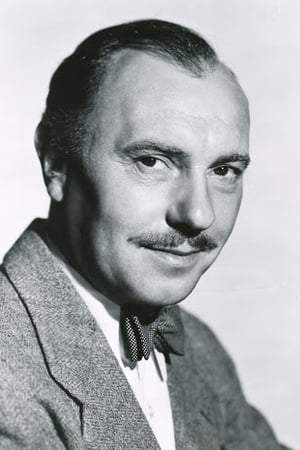
Ralph Richardson
LeClerc

Anna Massey
Avery's Wife
Michael Robbins
Truck Driver

Susan George
Susan
Ray McAnally
Undersecretary of State
Vivian Pickles
Mrs. King
Robert Urquhart
Johnson
Christopher Jones
Leiser
Cyril Shaps
East German Detective
Timothy West
Taylor
Jill Goldston
Pub Patron (uncredited)
Paul Rogers
Haldane
Paul Maxwell
CIA Man
Angela Down
Chelsea Girl
Maxine Audley
Mrs LeClerc
Frederick Jaeger
Pilot
Guy Deghy
Fritsche
Russell Lewis
Avery's Child
Pia Degermark
The Girl
External Links and Streaming Options
Discover where to watch The Looking Glass War online, including streaming platforms, rental options, and official sources. Compare reviews, ratings, and in-depth movie information across sites like IMDb, TMDb, Wikipedia or JustWatch.






Take the Ultimate The Looking Glass War Movie Quiz
Challenge your knowledge of The Looking Glass War with this fun and interactive movie quiz. Test yourself on key plot points, iconic characters, hidden details, and memorable moments to see how well you really know the film.
The Looking Glass War Quiz: Test your knowledge of the 1970 film The Looking Glass War with these ten questions ranging from easy to challenging.
Which actor portrays John Avery in the film?
Full Plot Summary and Ending Explained for The Looking Glass War
Read the complete plot summary of The Looking Glass War, including all major events, twists, and the full ending explained in detail. Explore key characters, themes, hidden meanings, and everything you need to understand the story from beginning to end.
John Avery, Anthony Hopkins, and his supervisor LeClerc, Ralph Richardson, find themselves entangled in a high-stakes Cold War ruse after an MI6 agent is killed and a roll of flyover photographs goes missing. The initial discovery suggests the Stasi are concealing a new rocket system based on the V-2, a potential violation of international accords. When a second source delivers photographs that supposedly confirm the rocket’s existence, the MI6 team pays for the set, only to learn that the images are said to be held in Kalkstadt by the source’s father. With this hint, the agency crafts a daring plan: to verify the rocket by sending one operative across the East German border, a mission that hinges on trust, timing, and a delicate political balance.
Leiser, a Polish defector and Christopher Jones who has illegally entered England to be with the woman who bears his child, is vetted for the mission and granted a potential path to UK citizenship in exchange for his service. He undergoes intense preparation at a safehouse, learning self-defense, survival skills, and how to use a compact radio transmitter to send coded updates. His resolve wavers when a private reunion with his girlfriend reveals a painful truth—their child was aborted—yet a night of shared camaraderie with Avery rekindles his determination to proceed.
Crossing the border under the cover of darkness, Leiser endures a brutal start: a severe hand injury from barbed wire, and, later, he is forced to kill a young East German border guard who glimpses his presence. The news of the killing ricochets through the morning papers, intensifying the spotlight on the mission. A series of dangerous twists follows: a lorry driver offers a ride that ends with betrayal, and Leiser must kill again to survive when the driver makes inappropriate demands. He presses on, guided by a West German cabin’s monitoring team who track his coded transmissions, while a local girl and her young friend secretly assist him before the lorry is submerged in a lake and he is left to fend for himself.
Meanwhile, in Kalkstadt, Leiser reaches the destination only to confront a stark truth: the photographs never existed, and the entire setup was a con by MI6’s source. Feverish from the infected wound and physically depleted, he attempts to leave but is intercepted by the Stasi, who learn of his West-to-East crossing. They detain him at a hotel, while the girl he met earlier reveals her own knowledge of his origins and a wish to escape with him. That night, MI6 orders the operation shut down due to the international incident it has sparked, yet Leiser witnesses a legitimate East German rocket being transported through the town’s streets. He communicates this discovery over the radio, but the Stasi triangulate his location, and he and the girl are shot down.
Back at the West German cabin, Avery confronts the moral toll of the operation: LeClerc reveals that Leiser was treated as expendable from the start, supplied with an obsolete radio to feign independence, and deliberately denied a pistol so the West could avoid an outright act of war. The overall plan appears to have been an elaborate bluff designed to provoke a Western response rather than to secure a genuine weapon. In a somber coda, the roll of film is recovered by children who, unaware of its significance, destroy it while playing, erasing the only physical trace of the operation’s supposed proof and underscoring the fragility and deception of Cold War theater.
Across the narrative, the human cost of espionage is laid bare: the personal losses, the blurred loyalties, and the perilous ambiguity of intelligence work. The film juxtaposes the sterile precision of spy craft with the messy, sometimes tragic, consequences that ripple outward from every decision. The cast’s performances add shaded depth to a story that moves from calculated risk to quiet tragedy, leaving the viewer to ponder what might have happened if even a single variable had shifted.
- Avery’s wife, Anna Massey, makes a quieter, supporting appearance in the wider arc of Avery’s personal life, highlighting the distance between private life and public duty.
- The cast also includes a range of colleagues and on-the-ground players who populate the world of MI6 and Kalkstadt, each contributing to the atmosphere of a tense, morally complex espionage drama.
- The final image suggests that the East German rocket, if it existed at all, may have been a bluff designed to provoke a response, leaving the film’s central mystery unsolved and the moral questions lingering.
Overall, the story blends suspense, political subterfuge, and character-driven drama to present a nuanced, somber portrait of Cold War espionage. The pacing builds gradually through moments of action, misdirection, and emotional revelation, culminating in a somber coda that questions the value and purpose of high-stakes intelligence operations.

Coming soon on iOS and Android
The Plot Explained Mobile App
From blockbusters to hidden gems — dive into movie stories anytime, anywhere. Save your favorites, discover plots faster, and never miss a twist again.
Sign up to be the first to know when we launch. Your email stays private — always.
Explore the mobile appDiscover Film Music Concerts Near You – Live Orchestras Performing Iconic Movie Soundtracks
Immerse yourself in the magic of cinema with live orchestral performances of your favorite film scores. From sweeping Hollywood blockbusters and animated classics to epic fantasy soundtracks, our curated listings connect you to upcoming film music events worldwide.
Explore concert film screenings paired with full orchestra concerts, read detailed event information, and secure your tickets for unforgettable evenings celebrating legendary composers like John Williams, Hans Zimmer, and more.


Cars Featured in The Looking Glass War
Explore all cars featured in The Looking Glass War, including their makes, models, scenes they appear in, and their significance to the plot. A must-read for car enthusiasts and movie buffs alike.
The Looking Glass War Themes and Keywords
Discover the central themes, ideas, and keywords that define the movie’s story, tone, and message. Analyze the film’s deeper meanings, genre influences, and recurring concepts.
The Looking Glass War Other Names and Titles
Explore the various alternative titles, translations, and other names used for The Looking Glass War across different regions and languages. Understand how the film is marketed and recognized worldwide.
Similar Movies To The Looking Glass War You Should Know About
Browse a curated list of movies similar in genre, tone, characters, or story structure. Discover new titles like the one you're watching, perfect for fans of related plots, vibes, or cinematic styles.


Quick Links: Summary, Cast, Ratings, More

What's After the Movie?
Not sure whether to stay after the credits? Find out!
Check out our other apps:

SAT Sphere
Build confidence for the Digital SAT.

Mori Atlas
Discover wild places worth protecting.

Luntero
Search smarter for a home in Amsterdam.

Plot Explained
Unravel movie endings and hidden clues.

Pokechamp
Dive into Pokémon data and battle logic.

Driving Theory
Get ready for your European theory test.

Movie Dust
Plan your next cinema trip with ease.

Musemap
Find art and culture as you travel.

Selkobase
Compare credentials before committing.

Local Manual
Turn an unfamiliar country into practical next steps.

Lernavi
Compare school systems before your next move.

GymRoam
Find a workout stop wherever your plans take you.
Explore Our Movie Platform
New Movie Releases (2026)
Famous Movie Actors
Top Film Production Studios
Movie Plot Summaries & Endings
Major Movie Awards & Winners
Best Concert Films & Music Documentaries
Movie Collections and Curated Lists
© 2026 What's After the Movie. All rights reserved.
Privacy Policy