
The Looking Glass War 1970

Directed by

Frank Pierson
Made by

Frankovich Productions
The Looking Glass War Plot Summary
Read the complete plot summary and ending explained for The Looking Glass War (1970). From turning points to emotional moments, uncover what really happened and why it matters.
John Avery, Anthony Hopkins, and his supervisor LeClerc, Ralph Richardson, find themselves entangled in a high-stakes Cold War ruse after an MI6 agent is killed and a roll of flyover photographs goes missing. The initial discovery suggests the Stasi are concealing a new rocket system based on the V-2, a potential violation of international accords. When a second source delivers photographs that supposedly confirm the rocket’s existence, the MI6 team pays for the set, only to learn that the images are said to be held in Kalkstadt by the source’s father. With this hint, the agency crafts a daring plan: to verify the rocket by sending one operative across the East German border, a mission that hinges on trust, timing, and a delicate political balance.
Leiser, a Polish defector and Christopher Jones who has illegally entered England to be with the woman who bears his child, is vetted for the mission and granted a potential path to UK citizenship in exchange for his service. He undergoes intense preparation at a safehouse, learning self-defense, survival skills, and how to use a compact radio transmitter to send coded updates. His resolve wavers when a private reunion with his girlfriend reveals a painful truth—their child was aborted—yet a night of shared camaraderie with Avery rekindles his determination to proceed.
Crossing the border under the cover of darkness, Leiser endures a brutal start: a severe hand injury from barbed wire, and, later, he is forced to kill a young East German border guard who glimpses his presence. The news of the killing ricochets through the morning papers, intensifying the spotlight on the mission. A series of dangerous twists follows: a lorry driver offers a ride that ends with betrayal, and Leiser must kill again to survive when the driver makes inappropriate demands. He presses on, guided by a West German cabin’s monitoring team who track his coded transmissions, while a local girl and her young friend secretly assist him before the lorry is submerged in a lake and he is left to fend for himself.
Meanwhile, in Kalkstadt, Leiser reaches the destination only to confront a stark truth: the photographs never existed, and the entire setup was a con by MI6’s source. Feverish from the infected wound and physically depleted, he attempts to leave but is intercepted by the Stasi, who learn of his West-to-East crossing. They detain him at a hotel, while the girl he met earlier reveals her own knowledge of his origins and a wish to escape with him. That night, MI6 orders the operation shut down due to the international incident it has sparked, yet Leiser witnesses a legitimate East German rocket being transported through the town’s streets. He communicates this discovery over the radio, but the Stasi triangulate his location, and he and the girl are shot down.
Back at the West German cabin, Avery confronts the moral toll of the operation: LeClerc reveals that Leiser was treated as expendable from the start, supplied with an obsolete radio to feign independence, and deliberately denied a pistol so the West could avoid an outright act of war. The overall plan appears to have been an elaborate bluff designed to provoke a Western response rather than to secure a genuine weapon. In a somber coda, the roll of film is recovered by children who, unaware of its significance, destroy it while playing, erasing the only physical trace of the operation’s supposed proof and underscoring the fragility and deception of Cold War theater.
Across the narrative, the human cost of espionage is laid bare: the personal losses, the blurred loyalties, and the perilous ambiguity of intelligence work. The film juxtaposes the sterile precision of spy craft with the messy, sometimes tragic, consequences that ripple outward from every decision. The cast’s performances add shaded depth to a story that moves from calculated risk to quiet tragedy, leaving the viewer to ponder what might have happened if even a single variable had shifted.
- Avery’s wife, Anna Massey, makes a quieter, supporting appearance in the wider arc of Avery’s personal life, highlighting the distance between private life and public duty.
- The cast also includes a range of colleagues and on-the-ground players who populate the world of MI6 and Kalkstadt, each contributing to the atmosphere of a tense, morally complex espionage drama.
- The final image suggests that the East German rocket, if it existed at all, may have been a bluff designed to provoke a response, leaving the film’s central mystery unsolved and the moral questions lingering.
Overall, the story blends suspense, political subterfuge, and character-driven drama to present a nuanced, somber portrait of Cold War espionage. The pacing builds gradually through moments of action, misdirection, and emotional revelation, culminating in a somber coda that questions the value and purpose of high-stakes intelligence operations.
The Looking Glass War Timeline
Follow the complete movie timeline of The Looking Glass War (1970) with every major event in chronological order. Great for understanding complex plots and story progression.
Dead MI6 agent and missing film
An MI6 agent is found dead while carrying a roll of film containing flyover photos of Kalkstadt, and the film itself goes missing. MI6 concludes the agent was killed by the Stasi to cover up a possible new rocket system based on the V-2. The incident triggers a high-stakes inquiry into the reality of the rocket and MI6’s informants.
Concealed lead and Kalkstadt
A new lead arrives when a source offers a second set of photographs that supposedly prove the rocket's existence. After MI6 pays, the source reveals the photographs are in Kalkstadt, held by his father. The reveal confirms the vulnerability and unreliability of the informant network.
Plan to verify the rocket
MI6 officers Avery, Haldane, and LeClerc devise a plan to retrieve the photographs and verify the rocket by sending a lone operative across the East German border. The mission rests on plausibility and the hope of a clean deniable operation. They prepare the operational details and select a candidate for the mission.
Leiser recruited and vetted
Polish defector Leiser is vetted for the risky role and offered UK citizenship if he agrees to work for MI6. He accepts in order to be with his child and to start anew. The decision sets the stage for a dangerous, high-stakes assignment.
Training and personal crisis
Leiser undergoes training in self-defence, survival, and radio signaling for coded messages. He briefly reunites with his girlfriend, who reveals their child was aborted, deeply shaking him. After this personal blow, he regains resolve through a night of bonding with Avery.
Crossing the border
Leiser crosses the border into East Germany under cover of night, while the West German cabin-based team monitors his radio transmissions. He cuts his hand on the barbed wire and kills a young East German border guard who sees him. The breach immediately becomes a major news story.
Lorry ride and new allies
The escaped operative is picked up by a lorry driver but kills him when demanded for sexual favors. He keeps driving until exhaustion, and a local girl and her young friend board and help him continue toward Kalkstadt. The uneasy journey heightens the risk of exposure.
Checkpoint and Stasi decision
At a military checkpoint, the girl covers for Leiser, but soldiers still check his papers. The Stasi notice inconsistencies and identify him as the border intruder, yet they are ordered to let him go to gauge his true intentions. The moment adds tension to the mission's fragile legitimacy.
Lake submersion and departure
Near Kalkstadt, the girl submerges the lorry in a lake; Leiser leaves her and the younger companion behind. He presses toward Kalkstadt with feverish hands from infection and mounting fatigue. The moment marks a personal separation from his allies and increasing peril.
Kalkstadt arrival and con artist reveal
Arriving in Kalkstadt, Leiser discovers the photographs never existed and that the MI6 source was a con artist. Despondent and feverish, he contemplates leaving, only to be detained by the Stasi with roads closed. The episode cements the mission as a diplomatic disaster.
Hotel confinement and renewed hope
Leiser reconnects with the girl at her apartment, and she expresses a desire to leave East Germany with him. That night, the MI6 operation is ordered shut down due to the incident; elsewhere, a crucial East German rocket is seen being transported through Kalkstadt. The tension between intent and reality thickens.
The observed rocket and the final blow
Leiser transmits the rocket sighting over the radio, prompting Stasi triangulation of his location. They gun him and the girl down, ending the perilous trek. In the West, Avery is outraged by LeClerc's revelation that Leiser was expendable and that MI6 was used; the supposed rocket 'reveal' is revealed as a bluff intended to provoke the West.
Roll of film recovered and destroyed
After the mission's collapse, the roll of film found by a group of children is opened and destroyed as they play. The film's destruction erases any potential documentary record of Kalkstadt and the failed operation, underscoring the operation's ultimate futility and deceit.
The Looking Glass War Characters
Explore all characters from The Looking Glass War (1970). Get detailed profiles with their roles, arcs, and key relationships explained.
John Avery (Anthony Hopkins)
MI6's lead operative on the mission, Avery is pragmatic and mission-focused, balancing caution with a willingness to take calculated risks. He navigates the political fallout as he learns the limits of his own authority and the cost of bluffing Cold War diplomacy.
Leiser (Christopher Jones)
A Polish defector recruited by MI6 for the risky cross-border mission, Leiser is driven by love for his child and a growing bond with Avery. He endures brutal training, crosses the border, and ultimately bears the cost of the operation, revealing the human stakes of espionage.
LeClerc (Ralph Richardson)
A senior MI6 figure who orchestrates the plan, LeClerc is cool, strategic, and ultimately reveals the expendability of assets. He embodies the cold calculus of espionage and the limits of moral responsibility within statecraft.
Avery's Wife (Anna Massey)
Avery's wife is depicted in the background as part of Avery's personal life. Her presence underscores the personal stakes involved in a life dedicated to espionage, even though the operation's focus remains on professional objectives.
The Girl (Pia Degermark)
A local East German girl who aids Leiser and provides a cover for his movements. She reciprocates trust and grows involved in the risk-filled escape, ultimately showing how civilians get drawn into espionage networks.
Truck Driver (Michael Robbins)
A lorry driver who helps Leiser briefly before he is revealed by his demands for sexual favors; the driver becomes a casualty of Leiser's desperate flight.
The Looking Glass War Settings
Learn where and when The Looking Glass War (1970) takes place. Explore the film’s settings, era, and how they shape the narrative.
Time period
1960s
The story unfolds during the Cold War, a period of covert operations between East and West Germany. Secrecy, surveillance, and political brinkmanship define everyday life, with border guards, checkpoints, and tense cross-border movements shaping the narrative.
Location
Kalkstadt, East Germany, West Germany
Kalkstadt is a small East German border town that becomes the focal point of Cold War intrigue when MI6 claims to possess photographs of a rocket. Its streets, a nearby lake, and a border crossing provide a tense backdrop for espionage and pursuit as the truth about the photos is questioned.
The Looking Glass War Themes
Discover the main themes in The Looking Glass War (1970). Analyze the deeper meanings, emotional layers, and social commentary behind the film.
🎭
Deception
The mission centers on a con artist who manufactured fake photographs, highlighting how easily truth can be manipulated in service of political aims. The MI6 operation unravels as the photos never existed and a bluff provokes an international incident. The ending shows the fragility of intelligence and the costs of deception.
🤝
Loyalty vs. Expendability
MI6's plan treats agents as disposable tools, illustrated by Leiser's precarious role and LeClerc's revelation that he was always considered expendable. Personal bonds, such as the connection formed with Avery, test loyalty against the state's strategic needs. The outcome questions where loyalty truly lies when government goals override individual lives.
🛂
Borders and Surveillance
The border crossing into East Germany and the Stasi's watchful presence drive the tension of the story. The border guard's death and the subsequent manhunt underscore how states monitor and manipulate movement. Surveillance and border control become instruments of geopolitical maneuvering.

Coming soon on iOS and Android
The Plot Explained Mobile App
From blockbusters to hidden gems — dive into movie stories anytime, anywhere. Save your favorites, discover plots faster, and never miss a twist again.
Sign up to be the first to know when we launch. Your email stays private — always.
Explore the mobile appThe Looking Glass War Spoiler-Free Summary
Discover the spoiler-free summary of The Looking Glass War (1970). Get a concise overview without any spoilers.
In the chilled grip of the early 1960s, Europe is a board of shadows where the line between duty and conscience blurs. Britain’s intelligence service watches a lone Polish sailor who has slipped ashore, his presence a quiet ripple against the massive tide of Cold‑War intrigue. When officials realize the man’s unique knowledge of the sea and of the Eastern bloc, they see an opportunity: he might be the key to exposing a mysterious missile site that looms just beyond the wall of East Berlin.
The film follows the careful orchestration of this covert plan through the eyes of John Avery, a seasoned MI6 operative whose measured demeanor masks an inner conflict about the ends of the mission. Beside him, the austere and methodical LeClerc embodies the bureaucracy and strategic calculus that drive the agency’s decisions, constantly weighing risk against the larger geopolitical chessboard. At the center of the operation is the defector himself, Leiser, a man driven by personal yearning and the promise of a new life, yet thrust into a world where every step is monitored and every choice carries weight far beyond his own aspirations.
The atmosphere is one of muted tension, bathed in the stark, overcast light of a divided continent. The narrative moves through cramped safe houses, whispered briefings, and the ever‑present hum of surveillance equipment, creating a sense that the characters are always on the edge of being seen or heard. Through careful direction and restrained performances, the film paints espionage not as glamorous gadgetry but as a delicate, morally fraught dance where ordinary lives become instruments in a larger, unseen conflict.
Against this backdrop, the story interrogates the price of loyalty and the murky ethics of a world where nations vie for advantage through secretive means. It leaves the audience with a lingering sense of unease, inviting contemplation of how far a person will go when the line between personal hope and political necessity becomes indistinguishable.
Movies with Similar Twists and Themes
Uncover films that echo the narrative beats, emotional arcs, or dramatic twists of the one you're exploring. These recommendations are handpicked based on story depth, thematic resonance, and spoiler-worthy moments — perfect for fans who crave more of the same intrigue.
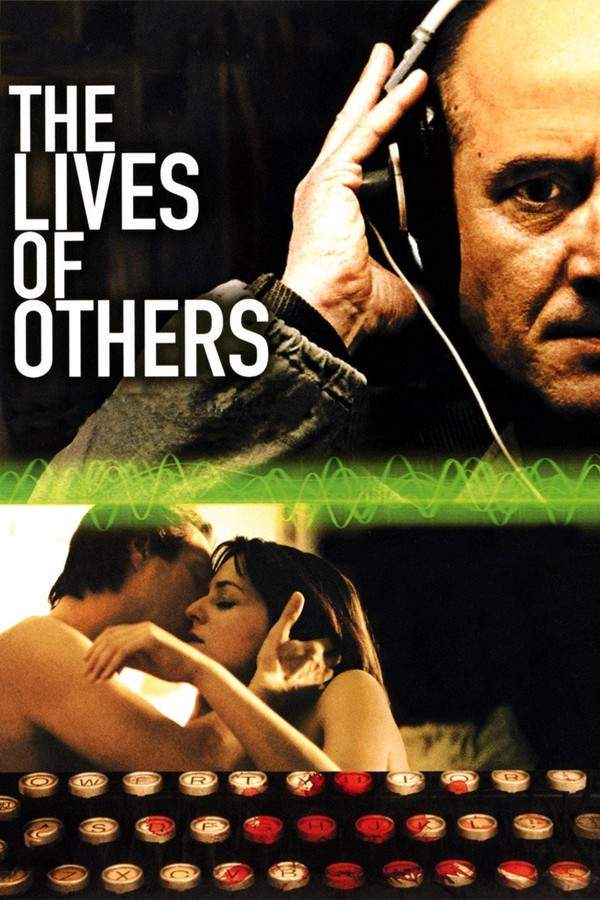
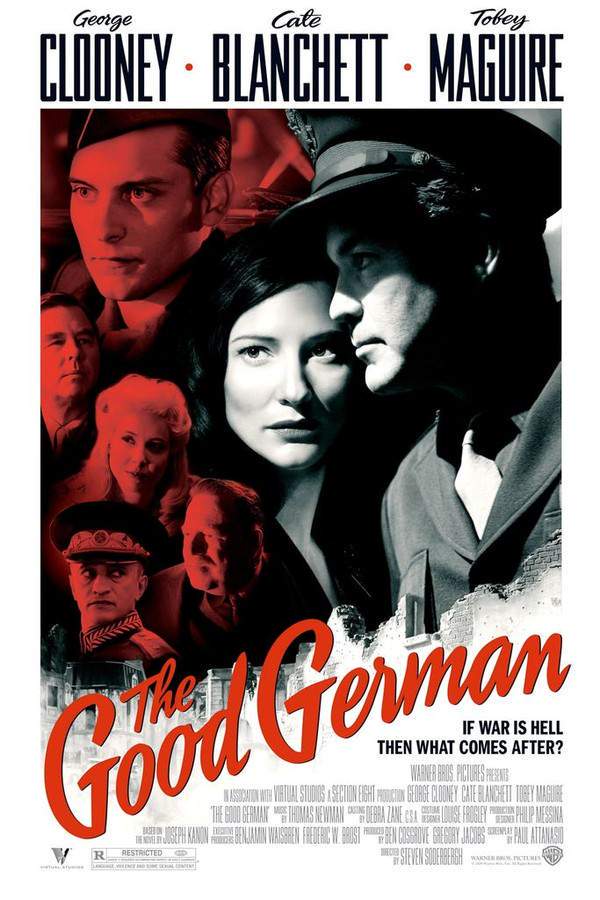
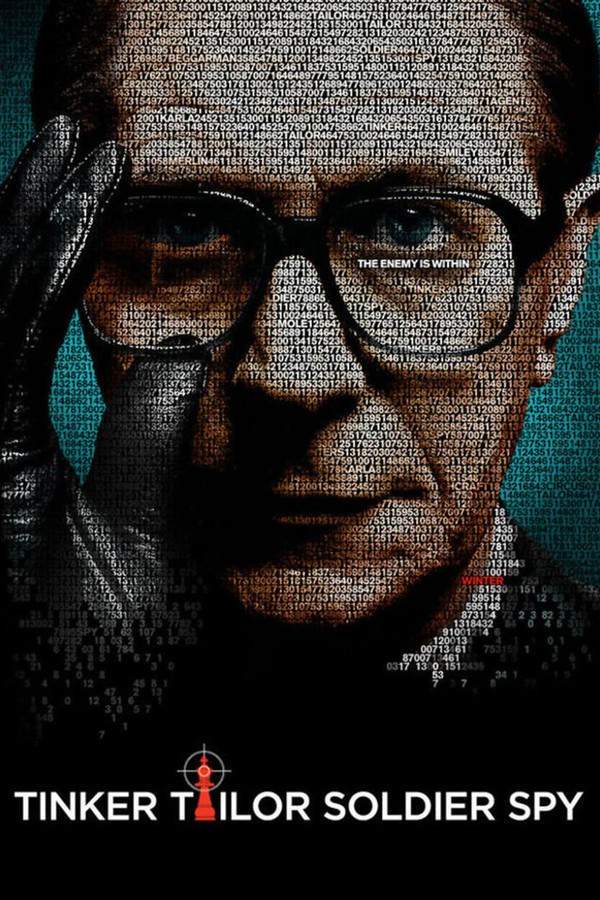
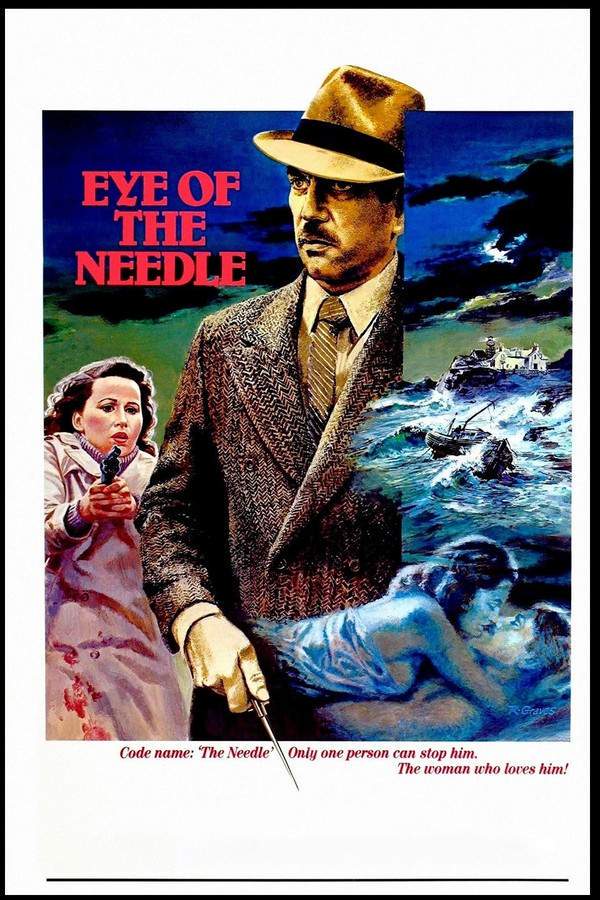


Featured on this page

What's After the Movie?
Not sure whether to stay after the credits? Find out!
Check out our other apps:

SAT Sphere
Build confidence for the Digital SAT.

Mori Atlas
Discover wild places worth protecting.

Luntero
Search smarter for a home in Amsterdam.

Plot Explained
Unravel movie endings and hidden clues.

Pokechamp
Dive into Pokémon data and battle logic.

Driving Theory
Get ready for your European theory test.

Movie Dust
Plan your next cinema trip with ease.

Musemap
Find art and culture as you travel.

Selkobase
Compare credentials before committing.

Local Manual
Turn an unfamiliar country into practical next steps.

Lernavi
Compare school systems before your next move.

GymRoam
Find a workout stop wherever your plans take you.
Explore Our Movie Platform
New Movie Releases (2026)
Famous Movie Actors
Top Film Production Studios
Movie Plot Summaries & Endings
Major Movie Awards & Winners
Best Concert Films & Music Documentaries
Movie Collections and Curated Lists
© 2026 What's After the Movie. All rights reserved.
Privacy Policy