
Bury My Heart at Wounded Knee (2007): Cast, Plot & Where to Watch

Bury My Heart at Wounded Knee is a 2007 historical western directed by Yves Simoneau, starring Adam Beach as Charles Eastman, Chevez Ezaneh and August Schellenberg. It runs 2 hours 5 minutes. Stream it on HBO Max, or rent or buy it on Amazon Video and Apple TV Store.
- Released
- Runtime
- 2h 5m (125 min)
- Director
- Yves Simoneau
- Original language
-
 English
 - Studio
- Wolf Entertainment
- After the credits
- No No extra scene
What Is Bury My Heart at Wounded Knee About?
The premise of Bury My Heart at Wounded Knee without spoilers. The whole story is in the plot summary further down.
Set just after the Sioux's decisive victory at Little Big Horn, the narrative follows two contrasting voices: Charles Eastman, a young Sioux doctor educated in white schools and presented as evidence of assimilation's promise, and Sitting Bull, the proud Lakota leader whose people secured the last major Native triumph.
Bury My Heart at Wounded Knee Themes & Keywords
· 50 tags- reservation
- massacre
- lakota tribe
- based on novel
- senator
- general
- u.s. army
- teacher
- doctor
- black hills
- battle
- assimilation
+38 more Show fewer
- village
- treaty
- tomahawk
- teenage boy
- singing
- sign language
- resistance
- rationing
- prayer
- native american reservation
- migration
- illness
- hunting
- horse thief
- gun
- flashback
- feather
- drinking
- dancer
- dakota territory
- cultural heritage
- cross
- clothing
- buffalo
- broken promise
- autograph
- 1870s
- death of child
- drumming
- the white house washington d.c.
- letter writing
- opening action scene
- combat
- hand to hand combat
- kiss
- love interest
- violence
- infantry
Where to Watch Bury My Heart at Wounded Knee
Stream it on HBO Max, or rent or buy it from Amazon Video and Apple TV Store. US availability and prices from JustWatch.
Stream 2
 HBO Max
  HBO Max Amazon Channel




Streaming availability in the US, powered by 
Bury My Heart at Wounded Knee Cast & Characters
Adam Beach leads the cast as Charles Eastman, with Chevez Ezaneh as Ohiyesa / Young Charles and August Schellenberg as Sitting Bull. Directed by Yves Simoneau; 33 actors are credited in all.
- Director Yves Simoneau
-
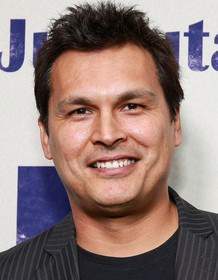 Adam Beach as Charles Eastman
 - Chevez Ezaneh as Ohiyesa / Young Charles
- August Schellenberg as Sitting Bull
- Sean Wei Mah as Bull Head
Also Starring in Bury My Heart at Wounded Knee
· 29 more- Star Birdyellowhead Bull Head's Wife
- Anna Paquin Elaine Goodale
- Morris Birdyellowhead American Horse
- Aidan Quinn Henry Dawes
- Fred Thompson President Ulysses S. Grant
- Wes Studi Wovoka
- J.K. Simmons James McLaughlin
- Colm Feore General Sherman
- Eddie Spears Chasing Crane
- Gordon Tootoosis Chief Red Cloud
- Tom Carey Issue Clerk
- Lee Tergesen Daniel Royer
- Shaun Johnston Col. Nelson Miles
- Eric Schweig Gall
- Michelle Thrush Four Robes
- Chantal Perron Teacher
Show all 33 cast members Show fewer cast members
- Patrick St. Esprit Major Walsh
- Jayson Therrien Soldier
- Billy Merasty Young Man Afraid
- Tokala Black Elk Little Wolf
- Brian Stollery Bishop Whipple
- Nakotah LaRance Crow Foot
- Wayne Charles Baker Jacob
- Duane Howard Uncle
- Nathan Lee Chasing His Horse One Bull
- Scott McAdam Photographer
- Holly Bird Scarlet Whirlwind
- David Cowley Mountie
- Jemma Blackwell Woman
Bury My Heart at Wounded Knee Plot Summary
What happens in Bury My Heart at Wounded Knee from start to finish, spoilers included, with a timeline of 12 key events. The opening is below; the full summary is a 2-minute read.
Spoilers ahead
The film, drawn from Brown’s historical work and other sources, centers on four figures whose lives intersect during a turning point in Native American policy: Charles Eastman, Elaine Goodale, Henry Dawes, and Sitting Bull. Eastman, a physician and reformer, and his future wife Goodale, a reformer from New England who serves as Superintendent of Indian Schools in the Dakotas, work to improve life on the reservation. At the same time, Dawes lobbies President Ulysses S. Grant for a more humane approach to policy, pushing a plan that originates with the Dawes Commission to break up the Great Sioux Reservation so white settlers can claim land while leaving enough for the Sioux to survive.
Full summary
The whole story of Bury My Heart at Wounded Knee, scene by scene
Bury My Heart at Wounded Knee Trailers & Videos
The trailer of Bury My Heart at Wounded Knee.
How Well Do You Know Bury My Heart at Wounded Knee?
9 questions about the story, each with a hint if you get stuck. Pick an answer to see whether you were right.
Question 1 of 9
- Question 1: not answered
- Question 2: not answered
- Question 3: not answered
- Question 4: not answered
- Question 5: not answered
- Question 6: not answered
- Question 7: not answered
- Question 8: not answered
- Question 9: not answered
Which Sioux leader famously resisted the Dawes Commission's plans to break up the reservation?
Bury My Heart at Wounded Knee Also Known As
24 alternative titles, including “Haudatkaa sydämeni Wounded Kneehen” and “Entierra mi corazón en Wounded KneeArgentina”.
- Also known as
-
- Haudatkaa sydämeni Wounded Kneehen
- Entierra mi corazón en Wounded KneeArgentina
- J'ai enterré mon coeur à Wounded Knee
- Begrabt mein Herz an der Biegung des Flußes
- Entierra mi corazón en Wounded Knee
- O kairos ton Indianon
- Wounded Knee-nél temessétek el a szívem
- L'ultimo pellerossa
- O Meu Coração Jaz em Wounded Knee
- J'ai enterré mon cœur à Wounded Knee
- Mé srdce pohřběte u Wounded Knee
- Begrabt mein Herz am Wounded Knee
+12 more Show fewer
- ליבי קבור בברך פצועה
- Kalbimi Oraya Gömün
- 내 심장을 운디드 니에 묻어다오
- Enterrem Meu Coração na Curva do Rio
- Pochowaj me serce w Wounded Knee
- Enterre mon cœur à Wounded Knee
- Схороните моё сердце у Вундед-Ни
- Зарови сърцето ми в Ундид Ний
- 魂归伤膝谷
- Поховайте моє серце у Вундед-Ні
- Entierren Mi Corazón En Wounded Knee
- ฝังหัวใจข้าไว้ที่วูนเด็ดนี
Seen Bury My Heart at Wounded Knee?
Movies Like Bury My Heart at Wounded Knee
Films with a similar story, tone or audience, including The Great Sioux Massacre, Custer of the West and Battle of Little Bighorn.
-
 The Great Sioux Massacre 1965
 -
 Custer of the West 1967
 -
 Battle of Little Bighorn 2020
 -
 The Great Sioux Uprising 1953
 -
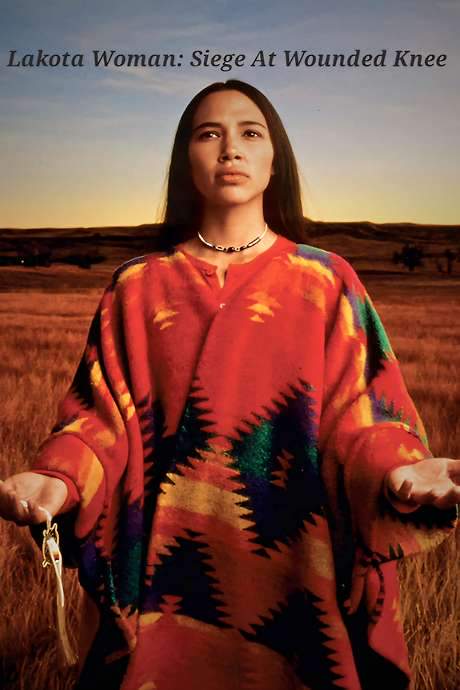 Lakota Woman: Siege at Wounded Knee 1994
 -
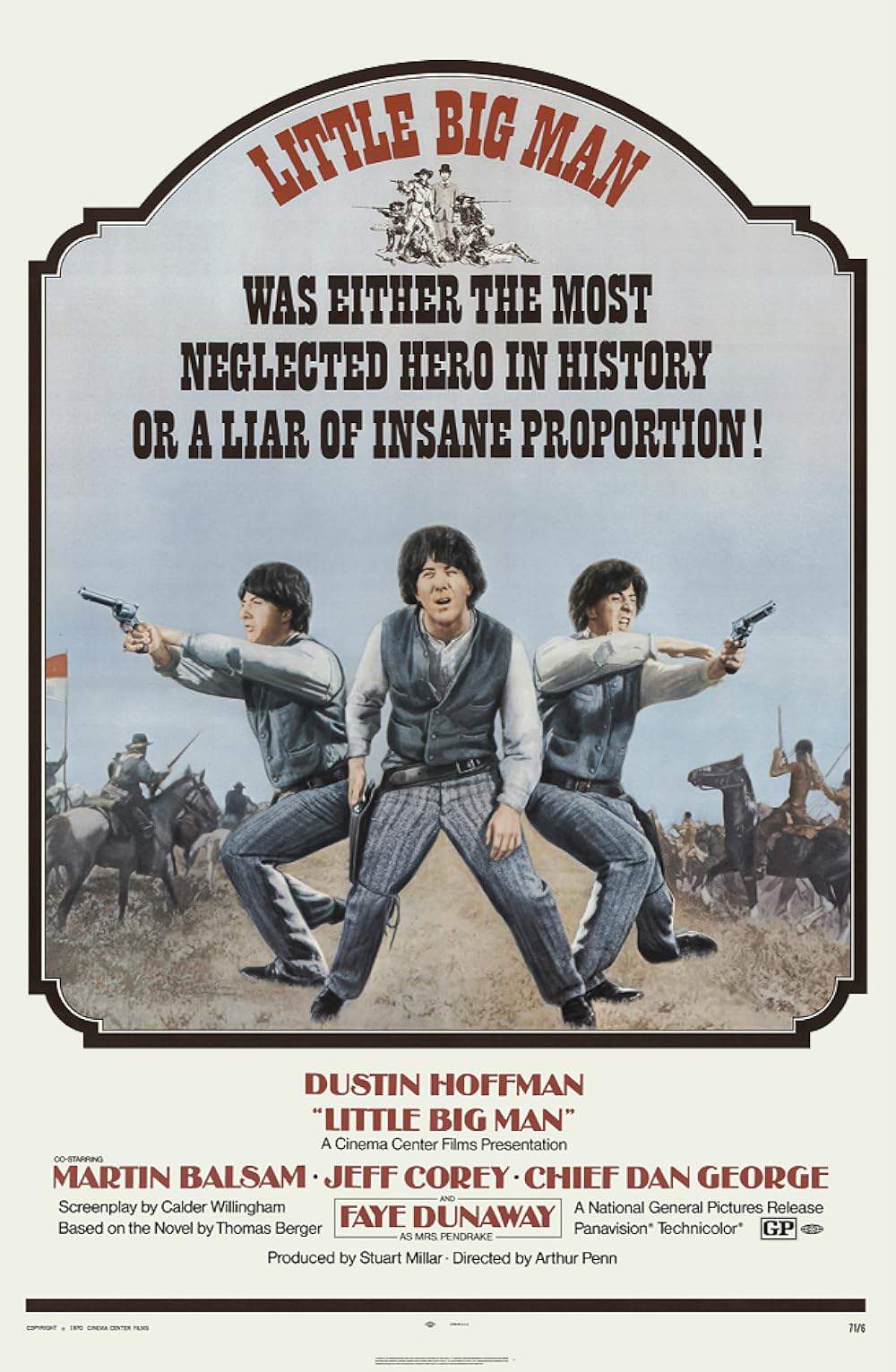 Little Big Man 1970
 -
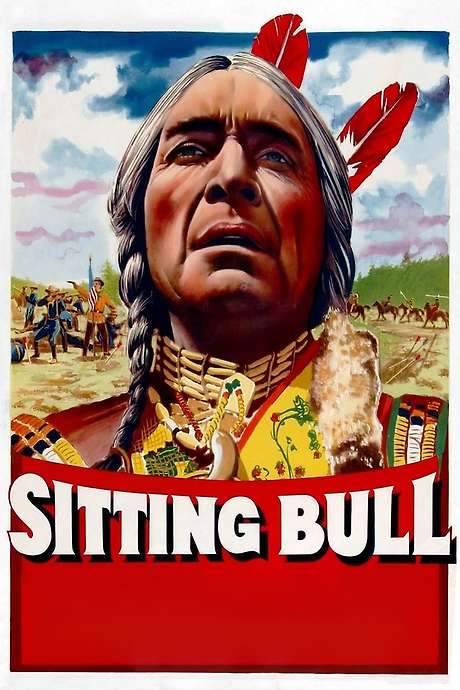 Sitting Bull 1954
 -
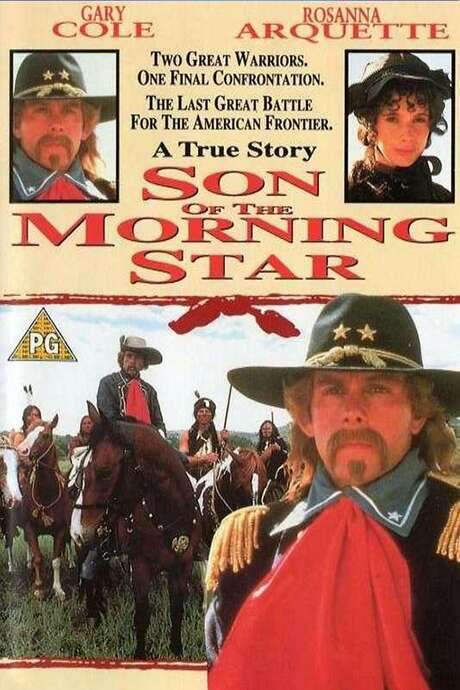 Son of the Morning Star 1991
 -
 Soldier Blue 1970
 -
 Cheyenne Warrior 1994
 -
 Chief Crazy Horse 1955
 -
 Little Big Horn 1951
Bury My Heart at Wounded Knee FAQ: Where to Watch & Cast
Runtime, release date, director, cast, where to watch and post-credit scenes of Bury My Heart at Wounded Knee, each answered in a sentence.
How long is Bury My Heart at Wounded Knee?
Bury My Heart at Wounded Knee runs 2 hours 5 minutes (125 minutes).
When was Bury My Heart at Wounded Knee released?
Bury My Heart at Wounded Knee was released on May 27, 2007.
Who directed Bury My Heart at Wounded Knee?
Bury My Heart at Wounded Knee was directed by Yves Simoneau.
More films by Yves Simoneau Who is in the cast of Bury My Heart at Wounded Knee?
Bury My Heart at Wounded Knee stars Adam Beach as Charles Eastman, Chevez Ezaneh as Ohiyesa / Young Charles and August Schellenberg as Sitting Bull, among 33 credited actors.
Where can I watch Bury My Heart at Wounded Knee?
In the US, Bury My Heart at Wounded Knee is streaming on HBO Max and available to rent or buy on Amazon Video, Apple TV Store and Fandango At Home (availability from JustWatch).
Does Bury My Heart at Wounded Knee have a post-credit scene?
No. Bury My Heart at Wounded Knee has no extra scene during or after the credits.
Coming soon to your phone
The Plot Explained Movie Summary App
From blockbusters to hidden gems: plot summaries, endings explained and timelines on your phone. Save your favorites and never miss a twist again.
Be the first to know when it launches. Your email stays private, always. Learn more about the app
