The Great Sioux Massacre 1965


Custer, a vocal advocate for fair treatment of the Indians, is removed from command and compelled to retire. Ambitious and urged by Senator Blaine to pursue the presidency, he seeks to outshine General Terry by confronting him at the Battle of Little Bighorn, igniting a clash of blood‑fueled vengeance.


Does The Great Sioux Massacre have end credit scenes?
No!
The Great Sioux Massacre does not have end credit scenes. You can leave when the credits roll.
Where to Watch The Great Sioux Massacre
See current US streaming, rental, and purchase options for The Great Sioux Massacre (1965) via JustWatch.







Meet the Full Cast and Actors of The Great Sioux Massacre
Explore the complete cast of The Great Sioux Massacre, including both lead and supporting actors. Learn who plays each character, discover their past roles and achievements, and find out what makes this ensemble cast stand out in the world of film and television.
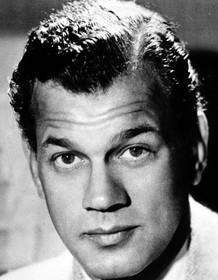
Joseph Cotten
Major Marcus A. Reno

Darren McGavin
Captain Frederick William Benton
Frank Ferguson
General Alfred Howe Terry
Don Haggerty
Senator Blaine
Philip Carey
Colonel George Armstrong Custer
Julie Sommars
Caroline Reno
Nancy Kovack
Libbie Custer
Michael Pate
Sitting Bull
Iron Eyes Cody
Crazy Horse
John Matthews
Dakota
Stacy Harris
Mr. Turner
House Peters Jr.
Mark Cambridge, a reporter
External Links and Streaming Options
Discover where to watch The Great Sioux Massacre online, including streaming platforms, rental options, and official sources. Compare reviews, ratings, and in-depth movie information across sites like IMDb, TMDb, Wikipedia or Letterboxd.




Take the Ultimate The Great Sioux Massacre Movie Quiz
Challenge your knowledge of The Great Sioux Massacre with this fun and interactive movie quiz. Test yourself on key plot points, iconic characters, hidden details, and memorable moments to see how well you really know the film.
The Great Sioux Massacre Quiz: Test your knowledge of the 1965 film *The Great Sioux Massacre* with these ten multiple‑choice questions ranging from easy to challenging.
Which officer serves as the film’s primary narrator, recounting his version of the events?
Full Plot Summary and Ending Explained for The Great Sioux Massacre
Read the complete plot summary of The Great Sioux Massacre, including all major events, twists, and the full ending explained in detail. Explore key characters, themes, hidden meanings, and everything you need to understand the story from beginning to end.
The film opens with a board of inquiry into the Battle of the Little Big Horn, focusing on the conduct of Major Joseph Cotten Reno. Captain Darren McGavin Benton is summoned to the stand and, rather than simply answering questions, declares that he will tell his version of the “true story” through a reflective flashback that the audience follows from the start.
Benton takes us back to 1875, arriving in the harsh frontier where his detachment is escorting the wife of the local Indian agent, Mr. Turner Stacy Harris. An ambush erupts as the Indians strike, and Mrs. Turner is abducted from Benton’s group. Their pursuers run into a trap because the Indian trail is false, laid to lure them into a deadly ambush. Dakota, the army scout, advises patience and postponement, but Benton and his comrades press on, only to encounter a wounded Indian whom Dakota shoots, muttering that he will no longer have to starve on an Indian reservation.
Back at the fort, Benton meets Lt. Col. George Armstrong Custer, played by Philip Carey, who gently consoles him about the misstep but agrees with Dakota’s cautious counsel. Custer invites Benton to a dress ball at the fort that evening, while dismissing Mr. Turner’s distraught wife. At the dance, Major Reno returns to the scene in a drunken mood, insisting that everyone address him as a “Major General” in a swaggering nod to his former Confederate rank. Custer, in good humor, tries to bridge old North-South tensions, but Reno’s temper flares and he physically lashes out, leaving Benton to tell Caroline Reno that her family line has taken a tumble.
The next day, Benton and Custer set out to negotiate with Crazy Horse and Sitting Bull to win Mrs. Turner’s release. The Indian leaders demand the release of their own prisoners in exchange, while Custer imposes a stern ultimatum: he will hang the chiefs if Mrs. Turner is not freed. The Indians reluctantly agree, and Mrs. Turner is released. Yet the peace is fragile: the captive Indians attempt a daring escape that ends in a brutal slaughter.
In Washington, DC, Custer’s animosity toward corrupt federal agents grows as he exposes widespread political graft, naming figures in the government who resemble the sort of corruption he has long suspected. Libbie Custer, his wife, stands by his side as they confront a federal machine that seems deaf to reform. President Ulysses S. Grant’s administration remains distant, and when Custer challenges the political status quo, the political world begins to tighten around him.
The narrative returns to the fort as General Alfred Howe Terry, portrayed by Frank Ferguson, informs Major Reno and Captain Benton that Custer’s position is headed for a court-martial. The prospect of command and advancement tempts Benton to stay loyal to his commander, and he initially wrestles with the choice between personal honor and his own future. Caroline Reno, steadfast in her support, rallies her father to reject the warmongering path when faced with the possibility of losing her fiancé.
Meanwhile, Senator Blaine Don Haggerty appears in Washington, softly nudging Custer toward a presidential campaign by leveraging the glory of a war with the Indians. A journalist, perhaps modeled on Mark Kellogg, is assigned to shadow Custer and return him to his regiment, hoping to craft a narrative that could secure political legitimacy.
As the campaign against the Indians grows more menacing, Benton senses that Custer’s empathy for Native Americans has faded. The general begins to push his regiment into a war he sees as a vehicle for personal glory, including brutal displays such as shooting deserters in the back—desertion by a trusted scout, Dakota, among them. Benton, outraged by this shift, confronts Custer and is arrested, a move that only deepens Benton’s resolve. He is eventually freed by his Indian friends, who had learned of his attempts to help their people during the abortive escape. Benton’s warnings of a coordinated, massed Indian force go unheeded as Custer continues to press forward, and the disparate tribes’ strength begins to cohere into a formidable resistance.
The story crescendos toward a convergence of misjudgments and missed signals that mirrors history: Benton fights to avert catastrophe, Custer advances with a divided, thinner force, and the army’s miscalculations culminate in a clash that unfolds with the same inexorable momentum as the famous battle. Through Benton’s testimony, the film traces how ambition, politics, and miscommunication converge to shape a turning point in the American frontier. The conclusion lingers on the cost of pride and the elusive nature of a single “true story” when a moment in history is filtered through memory, loyalty, and the fog of war.

Coming soon on iOS and Android
The Plot Explained Mobile App
From blockbusters to hidden gems — dive into movie stories anytime, anywhere. Save your favorites, discover plots faster, and never miss a twist again.
Sign up to be the first to know when we launch. Your email stays private — always.
Explore the mobile appDiscover Film Music Concerts Near You – Live Orchestras Performing Iconic Movie Soundtracks
Immerse yourself in the magic of cinema with live orchestral performances of your favorite film scores. From sweeping Hollywood blockbusters and animated classics to epic fantasy soundtracks, our curated listings connect you to upcoming film music events worldwide.
Explore concert film screenings paired with full orchestra concerts, read detailed event information, and secure your tickets for unforgettable evenings celebrating legendary composers like John Williams, Hans Zimmer, and more.


The Great Sioux Massacre Themes and Keywords
Discover the central themes, ideas, and keywords that define the movie’s story, tone, and message. Analyze the film’s deeper meanings, genre influences, and recurring concepts.
The Great Sioux Massacre Other Names and Titles
Explore the various alternative titles, translations, and other names used for The Great Sioux Massacre across different regions and languages. Understand how the film is marketed and recognized worldwide.
Similar Movies To The Great Sioux Massacre You Should Know About
Browse a curated list of movies similar in genre, tone, characters, or story structure. Discover new titles like the one you're watching, perfect for fans of related plots, vibes, or cinematic styles.




Quick Links: Summary, Cast, Ratings, More

What's After the Movie?
Not sure whether to stay after the credits? Find out!
Check out our other apps:

SAT Sphere
Build confidence for the Digital SAT.

Mori Atlas
Discover wild places worth protecting.

Luntero
Search smarter for a home in Amsterdam.

Plot Explained
Unravel movie endings and hidden clues.

Pokechamp
Dive into Pokémon data and battle logic.

Driving Theory
Get ready for your European theory test.

Movie Dust
Plan your next cinema trip with ease.

Musemap
Find art and culture as you travel.

Selkobase
Compare credentials before committing.

Local Manual
Turn an unfamiliar country into practical next steps.

Lernavi
Compare school systems before your next move.

GymRoam
Find a workout stop wherever your plans take you.
Explore Our Movie Platform
New Movie Releases (2026)
Famous Movie Actors
Top Film Production Studios
Movie Plot Summaries & Endings
Major Movie Awards & Winners
Best Concert Films & Music Documentaries
Movie Collections and Curated Lists
© 2026 What's After the Movie. All rights reserved.
Privacy Policy