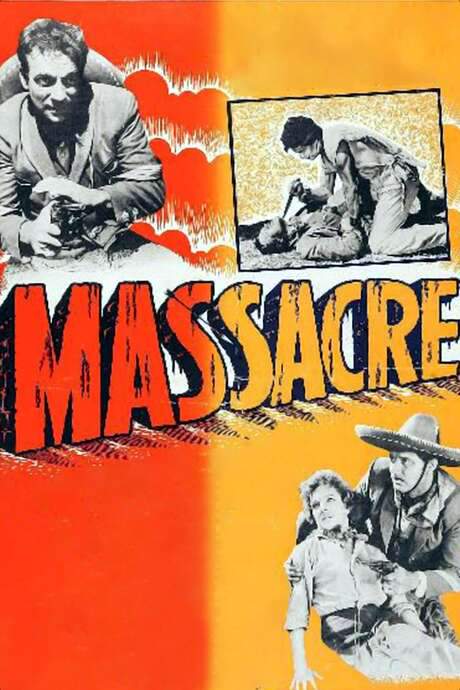
Massacre 1934

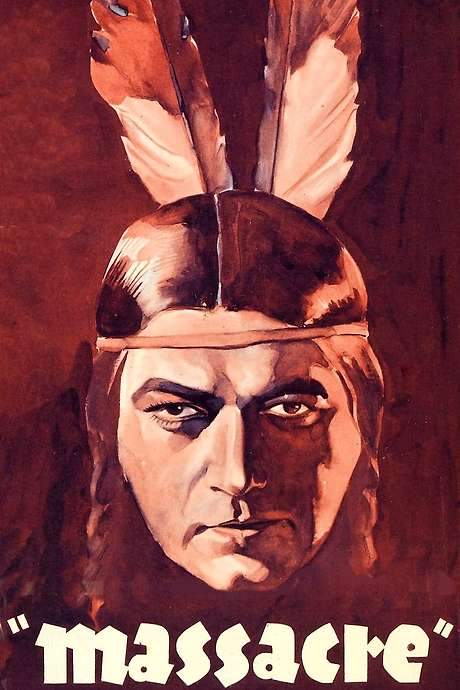
After his father, the tribal chief, dies, Joe Thunder Horse returns to his youth reservation only to discover his people are dying from disease and are being systematically stripped of their possessions and basic rights by corrupt Indian agents. Determined to right these wrongs, he journeys to Washington, confronting prejudice and hostility at every turn.


Does Massacre have end credit scenes?
No!
Massacre does not have end credit scenes. You can leave when the credits roll.
Meet the Full Cast and Actors of Massacre
Explore the complete cast of Massacre, including both lead and supporting actors. Learn who plays each character, discover their past roles and achievements, and find out what makes this ensemble cast stand out in the world of film and television.

Ann Dvorak
Lydia
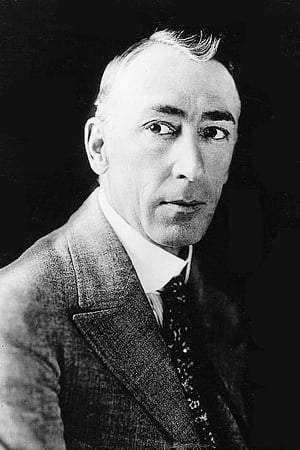
Tully Marshall
Jake
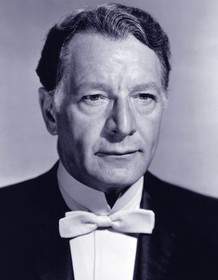
Robert Barrat
Dawson
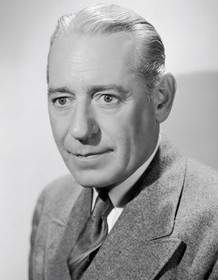
Henry O'Neill
J.R. Dickinson
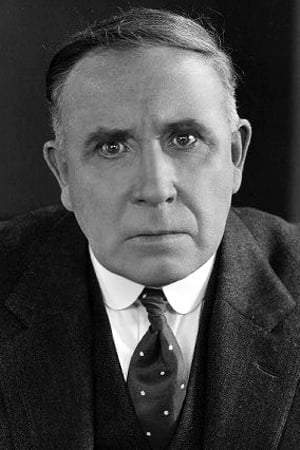
DeWitt Jennings
Sheriff Jennings

Claire Dodd
Norma
Charles Middleton
Sheriff Scatters
Clarence Muse
Sam
Dudley Digges
Elihu P. Quissenberry
Sidney Toler
Thomas Shanks
Frank McGlynn Sr.
Missionary
Iron Eyes Cody
Indian (uncredited)
Arthur Hohl
Dr. Turner
Richard Barthelmess
Chief Joe Thunderhorse
William V. Mong
Grandy
Wallis Clark
Cochran
Sidney Bracey
Norma's Butler (uncredited)
James Eagles
Adam Thunderhorse
Juliet Ware
Mrs. Trevor
Agnes Narcha
Jennie Thunderhorse
External Links and Streaming Options
Discover where to watch Massacre online, including streaming platforms, rental options, and official sources. Compare reviews, ratings, and in-depth movie information across sites like IMDb, TMDb, Wikipedia or Letterboxd.




Full Plot Summary and Ending Explained for Massacre
Read the complete plot summary of Massacre, including all major events, twists, and the full ending explained in detail. Explore key characters, themes, hidden meanings, and everything you need to understand the story from beginning to end.
Chief Joe Thunderhorse [Richard Barthelmess] is the star of a wild west show at the Century of Progress in Chicago. Though he is the son of a Native American chief, he has spent so many years away from the reservation that he has lost touch with his heritage. He once attended Haskell Institute and never went back, and at the show his Native identity and physical prowess are treated as spectacles by white showmen. His relationship with Norma [Claire Dodd]—his rich white girlfriend who flaunts him in front of her friends—highlights a complicated dynamic where his background is used to draw crowds and boost ratings.
When Joe learns that his father, Black Pony, is on his deathbed, he and his African American valet Sam [Clarence Muse] travel to the Stone Eagle Reservation. There they encounter Elihu P. Quissenberry [Dudley Digges], a white federal government agent who treats Native affairs as a political chessboard. Quissenberry’s conversations reveal a world where the so‑called Indian Problem is talked about in terms of power, land, and control, rather than people in need. The moment is personal for Joe: his father no longer recognizes him, yet the mounting neglect from the outside world intensifies his resolve to understand and defend his people.
The visit exposes a harsher reality. A government doctor, Dr. Turner [Arthur Hohl], has not checked on the ailing elder, and a sense that “the government never changes” hardens Joe’s view of the system. Joe disrupts a publicity stunt featuring Chief Black Star, a white‑handled front man for a Native remedy, when questions about money for the Native community go unanswered. He challenges the manipulators behind the scene and even confronts a white marketer, signaling that he will not be part of a show that erases the community it purports to represent.
Joe returns for the funeral when his father dies. At the ceremony, he refuses a white Reverend’s burial and sends his brother Adam Thunderhorse [James Eagles] to seek a Native man for the rites, insisting on a traditional path rather than a ceremonial appeasement. In the midst of grief, his sister Jennie Thunderhorse [Agnes Narcha] is taken away and horribly harmed by Thomas Shanks [Sidney Toler], an undertaker and white government agent. Joe discovers Jennie’s distress and sets out on a high‑speed car chase across the reservation to bring Shanks to justice. He lassos Shanks and drags him down the dirt road, a brutal reminder of the violence his people face with impunity.
The next day, the Natives perform a sacred funerary ceremony for Joe’s father, a moment that deepens the clash between tradition and modern governance. Quissenberry gets wind of Joe’s “pagan” behavior and demands action, ordering Joe’s arrest. A staged trial with a sham defense follows, and Joe is forced to plead guilty, fined heavily, and jailed. In a turn of fate, Lydia [Ann Dvorak], a college‑educated Native woman, helps Joe escape from jail as law enforcement closes in.
Seeking concrete changes, Joe travels to Washington, D.C. to meet the Commissioner of Indian Affairs, J.R. Dickinson [Henry O’Neill]. The dialogue between government officials and Joe unfolds into a broader discussion about land, water power, oil rights, cattle rangers, and timber—systems that have long blocked pro‑Native legislation. The exchange is searing and pointed, culminating in a stark declaration about the violence and manipulation that Native communities endure: “You used to shoot the Indian down. Now you should cheat him, starve him, kill him off by dirt and disease. It’s a massacre anyway you take it.”
Joe is arrested again for Shanks’ murder, and Quissenberry retaliates by kidnapping Jennie before she can testify. Fearing the worst, the Native men of the reservation stage a dramatic rescue, breaking Joe out of jail and burning the courthouse in a bid to avert a massacre. Joe pleads with the crowd to prevent more bloodshed, and they rally around him as the search for Jennie continues. The authorities arrive with force, but Quissenberry shoots Joe in cold blood and is quickly arrested alongside White Feather, a Native policeman who is implicated in the ordeal. Joe survives the shooting, and the community secures a measure of accountability as Quissenberry and Dr. Turner are removed from their posts.
In the aftermath, Joe is acquitted, and the injustice of the legal sequence is laid bare. He and Lydia reconnect, and Joe accepts a new role within the Indian Service at the Stone Eagle Reservation, signaling a hopeful, though hard‑won, path toward greater Native participation in governance and stewardship of their lands.
You used to shoot the Indian down. Now you should cheat him, starve him, kill him off by dirt and disease. It’s a massacre anyway you take it.
In the end, Joe’s journey—from public spectacle to shared leadership—offers a nuanced portrait of a man torn between a show‑business world that profits from stereotype and a community demanding real recognition, rights, and dignity. Through episodes of personal danger, political confrontation, and cultural renewal, the story remains anchored in the resilience of the Stone Eagle Reservation and the people who navigate a demanding and changing landscape.

Coming soon on iOS and Android
The Plot Explained Mobile App
From blockbusters to hidden gems — dive into movie stories anytime, anywhere. Save your favorites, discover plots faster, and never miss a twist again.
Sign up to be the first to know when we launch. Your email stays private — always.
Explore the mobile appDiscover Film Music Concerts Near You – Live Orchestras Performing Iconic Movie Soundtracks
Immerse yourself in the magic of cinema with live orchestral performances of your favorite film scores. From sweeping Hollywood blockbusters and animated classics to epic fantasy soundtracks, our curated listings connect you to upcoming film music events worldwide.
Explore concert film screenings paired with full orchestra concerts, read detailed event information, and secure your tickets for unforgettable evenings celebrating legendary composers like John Williams, Hans Zimmer, and more.


Massacre Themes and Keywords
Discover the central themes, ideas, and keywords that define the movie’s story, tone, and message. Analyze the film’s deeper meanings, genre influences, and recurring concepts.
Massacre Other Names and Titles
Explore the various alternative titles, translations, and other names used for Massacre across different regions and languages. Understand how the film is marketed and recognized worldwide.
Similar Movies To Massacre You Should Know About
Browse a curated list of movies similar in genre, tone, characters, or story structure. Discover new titles like the one you're watching, perfect for fans of related plots, vibes, or cinematic styles.



Quick Links: Summary, Cast, Ratings, More

What's After the Movie?
Not sure whether to stay after the credits? Find out!
Check out our other apps:

SAT Sphere
Build confidence for the Digital SAT.

Mori Atlas
Discover wild places worth protecting.

Luntero
Search smarter for a home in Amsterdam.

Plot Explained
Unravel movie endings and hidden clues.

Pokechamp
Dive into Pokémon data and battle logic.

Driving Theory
Get ready for your European theory test.

Movie Dust
Plan your next cinema trip with ease.

Musemap
Find art and culture as you travel.

Selkobase
Compare credentials before committing.

Local Manual
Turn an unfamiliar country into practical next steps.

Lernavi
Compare school systems before your next move.

GymRoam
Find a workout stop wherever your plans take you.
Explore Our Movie Platform
New Movie Releases (2026)
Famous Movie Actors
Top Film Production Studios
Movie Plot Summaries & Endings
Major Movie Awards & Winners
Best Concert Films & Music Documentaries
Movie Collections and Curated Lists
© 2026 What's After the Movie. All rights reserved.
Privacy Policy