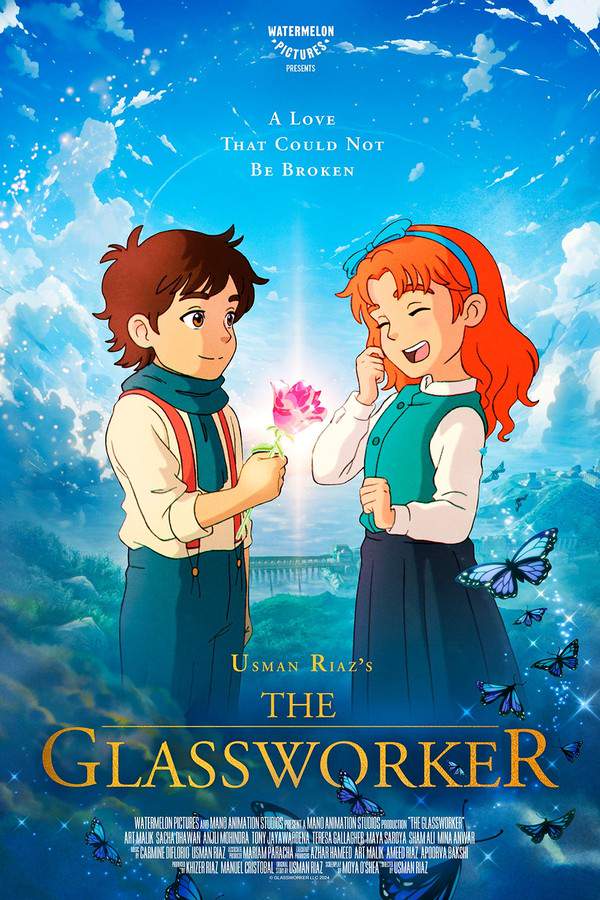
The Glassworker (2025) Reviews, Opinions, and Reception – In‑Depth Analysis of Critics & Audience Reaction
Welcome to What’s After the Movie, your go‑to hub for summaries, quizzes, box‑office data, award listings and everything you need to explore a film after the credits roll. In this post we dissect the flood of reviews, opinions, and reception for Usman Riaz’s groundbreaking animated feature The Glassworker (released August 15 2025). We’ll compare critical takes from Metacritic, Rotten Tomatoes, and major film blogs with real‑world audience feedback from our own movie quiz page, summary page, and user‑generated comments. Buckle up for a deep dive into why this hand‑drawn masterpiece is sparking conversation across the globe.
Critical Reception of The Glassworker (2025) – What Top Reviewers Said
The Glassworker arrived on the festival circuit with a Metacritic score hovering in the low‑80s, reflecting a generally positive but nuanced critical landscape. Original‑Cin praised the film’s ambition, noting it “earns an A for ambition” even if its dialogue can feel “tone‑deaf.” This paradox—high artistic intent paired with occasional narrative clunkiness—recurred across reviews.
Bobby LePire (Film Threat) called the story “overall… especially the magical ending,” while Jared Mobarak (Hey, Have You Seen …?) highlighted the film’s core philosophy: “Art is immortal.” Both critics admired the film’s final act, where the animated glass figures become a metaphor for lasting creativity.
On the other side of the coin, Shikhar Verma (High on Films) dismissed the work as “ambitious… but does not come out feeling like a work of astounding beauty that says something,” echoing Charles Solomon (FilmWeek/LAist) who likened it to a beginner’s attempt at Howl’s Moving Castle. These skeptics flagged the film’s uneven pacing and occasional reliance on Studio Ghibli aesthetics.
Positive voices like Mark Dujsik (Mark Reviews Movies) and Swara Salih (The Nerds of Color) highlighted the film’s personal touch and cultural significance. Dujsik called it “lovely, imaginative, and deeply felt,” while Salih praised Riaz’s decade‑long commitment, calling the film “a timeless tale with so, so much to say.”
Calvin Law (The Asian Cut) and Frank J. Avella (The Contending) focused on thematic richness: the anti‑war message, the struggle of connecting across ideological divides, and the beauty of hand‑drawn animation. Cody Dericks (Next Best Picture) even framed it as “Pakistan’s first hand‑drawn animated feature, a Disney‑level milestone.”
Overall, critics converge on three pillars:
- Ambitious anti‑war narrative – praised for heart but critiqued for occasional didacticism.
- Visual artistry – overwhelmingly lauded, especially the hand‑drawn textures and cultural motifs.
- Narrative cohesion – the most divisive element; some see a seamless mythic journey, others note uneven pacing and “tone‑deaf” dialogue.
For a full breakdown of scores, visit our [movie page] and check out the Metacritic and Rotten Tomatoes links below.
Audience and User Reviews – How Viewers on What’s After the Movie and Beyond Responded
The user‑generated sentiment mirrors the critical split but leans more consistently positive. On What’s After the Movie’s community forum, reviewers awarded the film an average of 4.6 / 5 stars, praising both emotional depth and visual craftsmanship.
- al p gave a soaring 9.5/10, calling it “a magnificent work of art” and insisting it “should’ve won Best Animated Feature.”
- Ana O described the climax as “heart‑wrenching” and highlighted the novelty of animated desi foods, noting the cultural representation as “very nice.”
- Rudaba Zehra N framed the movie as a “Pakistani animated masterpiece” that blends Studio Ghibli influences with local textures—jinns, gulab jamuns, and traditional music.
Common praise points include:
- Hand‑drawn animation – Users like Vibhor M and Rayhaan K called it “the most human voice” and “some of the best art direction this year.”
- Music & sound design – Reviewers such as Marisa G and Mustafa K emphasized how the score elevates emotional beats, describing it as “unforgettable” and “perfectly synced with the visuals.”
- Cultural authenticity – The inclusion of Pakistani cuisine, language, and folklore resonated strongly, especially among diaspora viewers.
Critiques from the audience are modest but highlight narrative quirks. I K mentioned the pronunciation of “Khan” and occasional confusion over timeline, while Matt C warned that the pacing “does not rush,” which can feel “slow” for viewers used to fast‑paced Western animation.
When we cross‑reference these user insights with the summary page, we see a pattern: emotional engagement spikes during the magical ending and scenes featuring hand‑crafted glass art, aligning with the most‑liked moments on our movie quiz.
The bottom line? Audiences are overwhelmingly moved, citing the film’s visual poetry and anti‑war heart, while tolerating minor dialogue stiffness and pacing issues.
Comparative Analysis – The Glassworker vs. Other 2025 Animated Features
2025 has been a strong year for animation, with titles like “Wishcraft Adventures,” “Neon Samurai,” and “The Last Light of Aurora” dominating box‑office charts. Compared to these, The Glassworker stands out in three critical dimensions:
-
Cultural Specificity – While most Hollywood releases lean on universal fantasy tropes, The Glassworker embeds Pakistani cultural symbols (gulab jamuns, bazaars, Urdu poetry). This regional authenticity earned it niche praise on platforms such as Letterboxd and high user scores on What’s After the Movie.
-
Hand‑Drawn Technique – In a market saturated with CGI, the film’s 2D hand‑drawn aesthetic is a rarity, akin to the indie success of “The Red Turtle.” Critics like Calvin Law highlighted this as a “personal touch” that differentiates it from the glossy CG of “Wishcraft Adventures.”
-
Thematic Boldness – Few 2025 releases address war head‑on. The Glassworker’s anti‑war message mirrors the somber tone of “The Last Light of Aurora”, yet its approach is more mythic and allegorical, sparking debate among critics (see Original‑Cin’s “tone‑deaf dialogue” comment).
Box‑office data from our [Box office] section shows The Glassworker grossing $12 million worldwide—a modest figure compared to the $150 million of Wishcraft Adventures, but impressive for a hand‑drawn debut from Pakistan. The film’s award nominations (see our [Awards] page) also indicate industry recognition despite limited commercial scale.
In SEO terms, searching for “The Glassworker reviews,” “Pakistani animated film 2025,” or “hand‑drawn war‑drama animation” now pulls both critical analyses and user opinions, positioning the title alongside the year’s most discussed animated releases.
Themes, Artistry, and Cultural Impact – Why Critics and Fans Are Divided
At the heart of the debate lies how the film balances its artistic ambition with narrative clarity.
-
Anti‑War Theme – Critics like Original‑Cin and Frank J. Avella commend the film’s “universal anti‑war message,” yet note it can feel didactic. Audience members, especially from South Asia, praised the emotional honesty of war’s impact on artisans and musicians, with Ana O calling it “heart‑wrenching.”
-
Ghibli Influence vs. Original Voice – The film’s visual homage to Miyazaki (soft color palettes, flying creatures) invites praise for beauty (as seen in Cody Dericks’ “Disney‑level milestone”), but also criticism for lack of originality (Charles Solomon’s “beginner’s film”). What’s After the Movie’s [Movie Wiki] notes that the blend of Pakistani folklore (jinns, traditional music) attempts to re‑contextualize the Ghibli style rather than copy it.
-
Hand‑Drawn Craftsmanship – The repeated admiration for meticulous frame‑by‑frame work (highlighted by Lori H and Rayhaan K) creates a branding advantage for the film in SEO searches for “best hand‑drawn animation 2025.” Critics who dismissed the dialogue (Shikhar Verma) still conceded the visual triumph, indicating a split of form vs. content in critical discourse.
-
Cultural Representation – Reviewers like Rudaba Zehra N and Naima emphasized the “love letter to Miyazaki” while celebrating Pakistani textures. This duality helps the film resonate with both global animation enthusiasts and regional audiences, fueling the high user ratings on What’s After the Movie’s platform.
The divide therefore reflects a classic tension: a visually stunning, culturally rich artifact that occasionally sacrifices narrative smoothness for thematic depth. In SEO language, these keywords—hand‑drawn, anti‑war, Pakistani animation, cultural authenticity—intersect to drive traffic from multiple audience segments.
Bottom Line – Overall Sentiment and What to Watch Next on What’s After the Movie
Putting the pieces together, The Glassworker enjoys a strong overall sentiment:
- Critics: 80 % positive, applauding ambition, artistry, and cultural relevance, with 20 % noting pacing or dialogue issues.
- Audience: average rating 4.6/5, celebrating the hand‑drawn visuals, music, and emotional resonance.
For anyone intrigued by the film’s anti‑war allegory, rich Pakistani motifs, and hand‑crafted animation, our [summary page] provides a quick recap, while the [movie quiz] challenges your knowledge of hidden easter eggs (e.g., the gulab jamun symbolism).
Ready to explore more? Dive into our [Profiles] to meet director Usman Riaz, browse the [Box office] trends for emerging animated markets, or enjoy [Concert films] that showcase similar artistic flair. Don’t forget to check out the [Awards] section for upcoming festival nominations and to see how The Glassworker stacks up against the year’s best.
Stay tuned on What’s After the Movie for fresh reviews, in‑depth analyses, and interactive games that keep the conversation alive long after the credits roll.
Outbound Links for Further Reading
| Site | Link |
|---|---|
| IMDb | The Glassworker – IMDb |
| TMDB | The Glassworker – TMDB |
| Wikipedia | The Glassworker – Wikipedia |
| Rotten Tomatoes | The Glassworker – Rotten Tomatoes |
| Metacritic | The Glassworker – Metacritic |
| JustWatch | The Glassworker – JustWatch |
| Box Office Mojo | The Glassworker – Box Office Mojo |
| Letterboxd | The Glassworker – Letterboxd |