What's After the Blog?
Opinions • Reception
Slanted (2026) Review: Critics and Fan Opinions on the Controversial Beauty-ideal Drama
An in-depth analysis of Slanted’s reception, exploring critic reviews, fan reactions, and the film’s commentary on performance, storytelling, and modern beauty standards within the 2026 cinematic landscape.
March 15, 2026
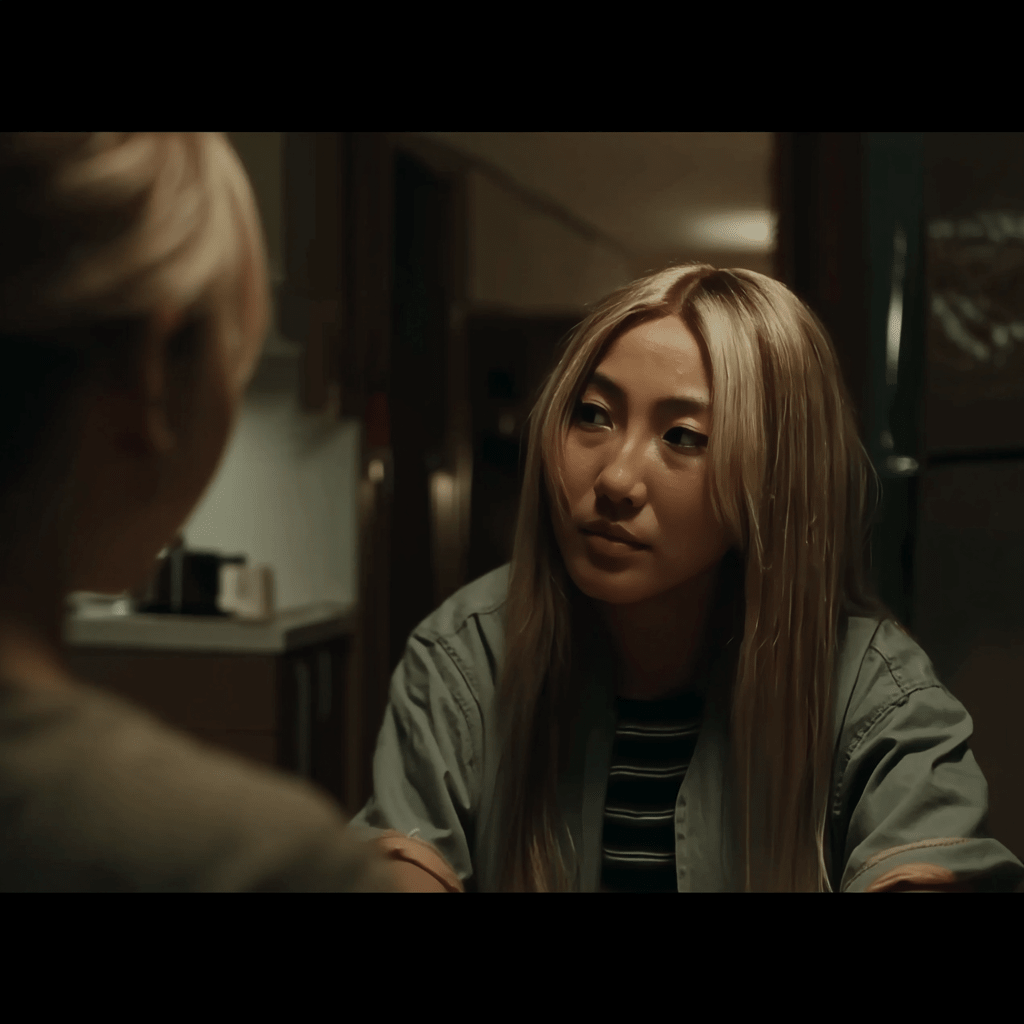
Movies mentioned in this article
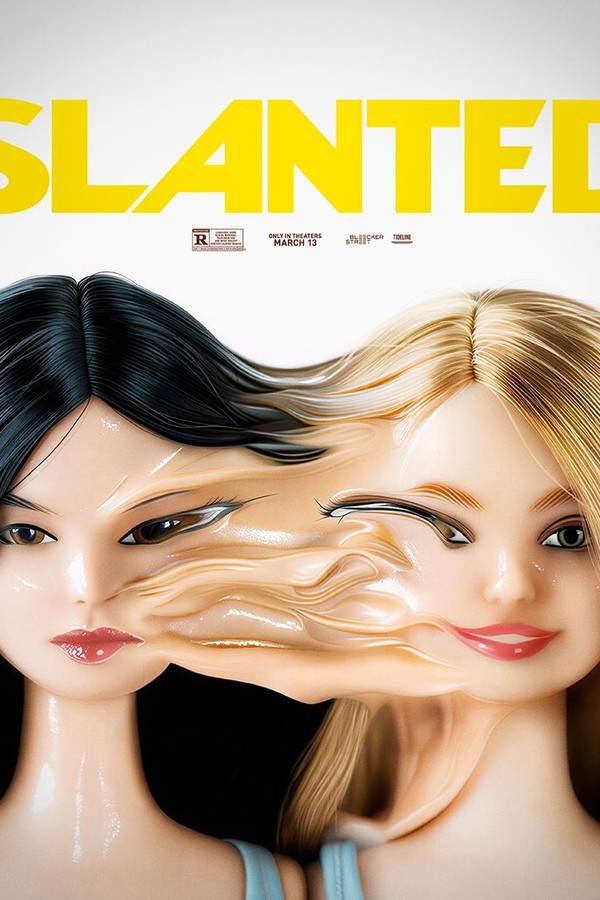
Slanted (2026) Reviews and Reception: Critical Consensus vs Audience Reactions – Is This Body Horror Satire Worth Watching?
When Slanted premiered at SXSW and subsequently took home the coveted jury award, anticipation immediately skyrocketed for this genre-bending exploration of identity, assimilation, and the horrors of high school hierarchies. Released on March 13, 2026, the film arrived in theaters carrying the weight of significant festival buzz, positioning itself as the next evolution in socially conscious body horror cinema. However, as critics and audiences began filing their Slanted reviews and reactions, a fascinating divergence emerged—one that reveals as much about our current cinematic landscape as it does about the film itself.
For visitors exploring What’s After the Movie, understanding the reception landscape of controversial releases like Slanted (2026) is crucial for deciding whether to invest your time and ticket money. This isn’t just another teen horror film; it’s a deliberate hybrid that critics have variously described as “Mean Girls meets The Substance” and a “nightmare of identity that feels slighter than it should.” The disparity between high-profile critical assessments and grassroots audience sentiment creates a complex tapestry of opinions that demands careful unpacking. Whether you’re searching for spoiler-free Slanted reviews, wondering about the film’s critical consensus, or trying to gauge if this SXSW winner delivers on its provocative premise, our comprehensive analysis breaks down exactly what viewers and critics are saying about one of 2026’s most divisive cinematic experiments.
Before diving into the reception analysis, be sure to check out the Slanted movie page on What’s After the Movie for detailed cast information, crew details, and our exclusive summary page breaking down the narrative structure.
Critical Consensus and Divisive Reception: Why Slanted (2026) Split the Reviewers
The critical reception of Slanted (2026) represents one of the most polarized responses to a festival darling in recent memory, creating a fascinating case study in how genre expectations can fundamentally alter perception. On one end of the spectrum, heavy-hitting outlets delivered scathing assessments that questioned the film’s fundamental execution. RogerEbert.com delivered a particularly devastating verdict, calling the film “regrettably botched” and arguing that “despite its bold concept at its core, ‘Slanted’ is too simple to make a statement.” This sentiment was echoed by The New York Times, which took issue with the film’s handling of trauma, noting that “it is no fun for a viewer to scoff at a film that purports to speak to pain that is real for many,” but ultimately concluding that Slanted “doesn’t actually have any interest in contending with those experiences seriously, instead using its palely observed traumas as a launchpad for a pastiche of other punchier genre films.”
The Los Angeles Times offered a similarly mixed-to-negative perspective, describing the viewing experience as leaving audiences “with a nightmare of identity that feels slighter than it should, unsure of where to point its knife.” These reviews suggest a fundamental disconnect between the film’s ambitious thematic goals and its execution, with critics feeling that the narrative lacked the precision necessary to deliver its social commentary effectively. For readers browsing our Awards section, it’s worth noting that despite these harsh critiques, the film’s SXSW jury award win indicates that at least one group of industry professionals saw something revolutionary in Wang’s vision.
However, the Slanted critic reviews weren’t universally negative. Several major outlets celebrated the film’s audacity and thematic richness. Screen Rant awarded the film an enthusiastic 80/100, praising how it was “infused with a sharp exploration of the immigrant experience in America and a smattering of such high school tropes as mean-girl cliques and prom queen competitions,” ultimately calling it “a wonderfully bonkers ride.” Collider matched this enthusiasm with another 80/100 score, highlighting that “through Wang’s astute direction, some moving performances, and well-rounded vision, it is just as provocative as it needs to be, while making for a very entertaining watch.” The San Francisco Chronicle (75/100) specifically praised the director’s handling of tone, noting that “Wang deals out absurdist humor with a deft hand, especially in scenes where Ethnos and its corporate videos extoll the so-called joys of whiteness.”
This bifurcation in critical response—ranging from 25/100 to 80/100—suggests that Slanted (2026) is a film that rewards specific viewing expectations while alienating others. Next Best Picture (70/100) perhaps best summarized the middle-ground consensus, stating that “Slanted has many interesting elements at play, not only in its own story but also in the films it draws inspiration from. Unfortunately, it just doesn’t go far enough in the end.” This criticism of narrative incompleteness appears consistently across both positive and negative reviews, suggesting that even fans of the film acknowledge its structural limitations.
For those researching Box Office trends and critical correlation, Slanted represents an interesting outlier: a film that won major festival recognition while simultaneously earning dismissive reviews from legacy publications. This disconnect raises important questions about the evolving nature of film criticism and whether traditional review aggregators fully capture the value of experimental cinema that prioritizes cultural commentary over narrative tidiness.
Audience Reactions and Viewer Sentiment: Is Slanted Worth Watching?
While critics debated the film’s artistic merits, audience reactions to Slanted (2026) have painted a notably different picture—one that suggests the film may find its true home with viewers rather than reviewers. User-generated Slanted reviews across platforms reveal a spectrum of engagement that, while still mixed, trends significantly more positive than the critical consensus might suggest. This divergence between professional critics and general audiences has become a defining characteristic of the film’s reception narrative.
User Matthew C awarded the film five stars, calling it “a fun and very poignant look at racial disparities in America,” while Luna D (4/5 stars) highlighted the film’s cultural currency, describing it as “probably the most current thing I’ve seen” and praising how “the funny moments catch you off guard and hit you like a ton of bricks.” These reactions suggest that viewers approaching Slanted without the burden of festival hype or critical expectation often find its social messaging more effective and its tonal shifts more successful than professional reviewers did.
The comparison to other films has become a recurring theme in audience discourse. User michael C (4/5) succinctly noted it was “very Mean Girls meets The Substance,” while Juandi (4/5) expanded on this, stating, “Whichever critic said ‘Mean Girls meets The Substance’ was absolutely right” and praising the film’s layers: “There are so many layers to unpack with all the messages in this film. It was well casted & the actors all played their roles perfectly.” This comparison has clearly resonated with viewers who appreciate the hybridization of teen comedy aesthetics with body horror mechanics.
However, audience sentiment isn’t uniformly positive, and the criticisms that do emerge from user reviews often mirror those found in professional critiques, albeit with different weighting. User Ricky M (3/5) expressed frustration with the film’s structural shift: “The main actress in the first half of the movie was doing a great job & the movie was so good up until the switch after the surgery it’s became goofy & threw the movie off.” Similarly, Michael S (3/5) offered a measured take: “I’m mixed about this film. I liked the look at high school life and racism, but it did not take any of those themes far enough. Instead it looks took ideas from other films and did not offer anything new. In addition, the movie falls apart in the third act and the payoff is disappointing.”
Perhaps the most intellectually engaged user review came from J.A. T (5/5), who provided a detailed analysis connecting the film to contemporary digital culture: “In an era of cinematic bloat, Slanted arrives as a masterclass in narrative economy… By blending the stylistic DNA of classic horror with a modern, surgical focus, the film achieves a level of social commentary that is as accessible as it is devastating.” This reviewer, identifying as a therapist, found particular resonance in the film’s portrayal of “the ‘burden of connectivity’” and Body Dysmorphic Disorder (BDD), calling it “a haunting & beautiful film that captures the silent crisis of our time.”
For visitors to our Movie Wiki and Quizzes and Games sections, understanding these nuanced viewer reactions is essential for contextualizing where Slanted fits in the broader landscape of 2026 cinema. The film appears to generate strong emotional responses from viewers who see their own experiences reflected in its narrative, even when technical execution falters. User Brad C (4.5/5) captured this emotional resonance perfectly, stating that “Slanted hones the internal horrors of body image and cultural alienation to create something poignant and entertaining.”
The question “Is Slanted worth watching?” ultimately depends on viewer priorities. Those seeking polished, traditional narrative structures may find the third-act criticisms valid, while viewers hungry for culturally relevant horror that tackles assimilation and identity politics will likely find the film essential viewing. As user TheMStory emphatically declared: “GO SEE THIS MOVIE!!!”
Genre Blending and Cinematic Comparisons: The “Mean Girls Meets The Substance” Phenomenon
One cannot analyze the reception of Slanted (2026) without addressing the pervasive comparison that has come to define its critical and audience discourse: “Mean Girls meets The Substance.” This hybrid descriptor, referenced by multiple reviewers and embraced by director Wang’s supporters, encapsulates both the film’s greatest strength and its most significant critical liability. Understanding how Slanted navigates the treacherous waters between teen comedy satire and visceral body horror provides crucial context for evaluating whether the film succeeds on its own ambitious terms.
The comparison to Mean Girls (2004) acknowledges Slanted’s deployment of high school social hierarchies, clique dynamics, and the performative cruelty of teenage femininity. Screen Rant specifically noted the film’s use of “high school tropes as mean-girl cliques and prom queen competitions,” while user Luna D recognized these elements as “the most current thing I’ve seen.” However, where Mean Girls ultimately offers a somewhat redemptive vision of female friendship and self-acceptance, Slanted pushes these dynamics into darker territory, using the high school setting as a microcosm for broader cultural assimilation and racial stratification.
The Substance (2024) comparison, meanwhile, speaks to Slanted’s body horror elements and its critique of impossible beauty standards, particularly as they intersect with race and cultural identity. User Julian C (4/5) described the film as “A great drama and body horror film that sends a message to people of color about being comfortable in your own skin,” directly connecting the physical transformations depicted in the film to broader themes of self-acceptance and cultural authenticity. This synthesis of high school comedy and grotesque physical transformation creates a tonal whiplash that some critics found exhilarating and others found disjointed.
The San Francisco Chronicle’s praise for Wang’s “absurdist humor” suggests that the film’s genre-blending succeeds when viewed through a satirical lens. The outlet specifically highlighted scenes involving “Ethnos and its corporate videos extoll the so-called joys of whiteness,” indicating that the film’s most successful moments come when it leans fully into satire rather than attempting traditional horror beats. This absurdist approach aligns with the “wonderfully bonkers ride” descriptor used by Screen Rant, suggesting that viewers who embrace the film’s tonal unpredictability will find more to appreciate than those seeking genre purity.
However, the hybrid nature also creates expectations that Slanted struggles to fulfill. The New York Times criticism that the film uses “its palely observed traumas as a launchpad for a pastiche of other punchier genre films” suggests that the comparisons to established works ultimately highlight Slanted’s deficiencies rather than its innovations. When a film invites comparison to two such distinct and successful works as Mean Girls and The Substance, it risks suffering by comparison, particularly if its execution doesn’t match the precision of its influences.
For fans exploring our Movie Collections and Movie Lists features, Slanted presents an interesting categorization challenge. Is it a horror film with comedic elements? A satire with horror aesthetics? A teen drama with body horror interludes? The film’s resistance to easy categorization explains both its passionate defenders and its frustrated detractors. Next Best Picture’s observation that the film “just doesn’t go far enough in the end” may speak to this identity crisis—by attempting to serve multiple genre masters, Slanted potentially fails to fully satisfy devotees of any single genre.
The “Mean Girls meets The Substance” shorthand also raises questions about originality and homage. Michael S’s user review explicitly criticized the film for looking like it “took ideas from other films and did not offer anything new,” while Juandi and others celebrated the synthesis as effective pastiche. This tension between derivation and innovation lies at the heart of Slanted’s mixed reception. For viewers interested in Profiles of emerging directors, Wang’s approach here will likely determine whether she is viewed as a skilled synthesist of cultural anxieties or a filmmaker still searching for her distinct voice.
Social Commentary and Thematic Depth: Immigration, Identity, and the Horror of Assimilation
Beneath the surface-level genre trappings and high school tropes, Slanted (2026) positions itself as a serious interrogation of the immigrant experience in America, racial disparities, and the psychological toll of cultural assimilation. The film’s most passionate defenders argue that its narrative imperfections are outweighed by its willingness to confront uncomfortable truths about identity performance and the commodification of whiteness in American society. Examining how critics and audiences responded to these thematic elements reveals the film’s true cultural stakes.
The San Francisco Chronicle’s praise for Wang’s handling of “Ethnos and its corporate videos extoll the so-called joys of whiteness” points to the film’s most audacious satirical target: the industrialization of racial passing and the marketization of cultural identity. This corporate satire element suggests that Slanted extends beyond personal drama into systemic critique, examining how institutions profit from and perpetuate racial hierarchies. Collider’s praise for the film being “just as provocative as it needs to be” likely references these moments of institutional critique, where the horror emerges not from supernatural elements but from the recognizable machinery of capitalist assimilation.
User Matthew C’s description of the film as “a fun and very poignant look at racial disparities in America” suggests that these themes resonated with viewers seeking cinema that engages with contemporary social issues. The film’s exploration of “the immigrant experience in America” (Screen Rant) positions it within a growing subgenre of horror films that use genre conventions to explore the specific traumas of displacement and cultural negotiation. However, The New York Times’ criticism that the film uses “palely observed traumas as a launchpad” raises serious questions about whether Slanted treats these experiences with the gravity they deserve, or merely exploits them for genre thrills.
The body horror elements serve a specific thematic function in this context, literalizing the psychological violence of assimilation. User Brad C’s observation that the film “hones the internal horrors of body image and cultural alienation” suggests that the grotesque physical transformations depicted in Slanted function as metaphors for the mutilation of self required to fit into dominant cultural standards. This aligns with Julian C’s reading of the film as sending “a message to people of color about being comfortable in your own skin”—the horror emerges from the rejection of one’s own body and heritage in pursuit of acceptance.
J.A. T’s detailed review connecting the film to “the dangers of social media and rise of BDD” introduces another layer of interpretation, suggesting that Slanted also functions as commentary on digital-age self-surveillance and the internalization of impossible beauty standards. This reading expands the film’s relevance beyond specific racial dynamics into broader conversations about how technology mediates self-image and self-worth. The reviewer’s professional background as a therapist who documented these issues in “Delete Me” lends authority to this interpretation, suggesting that Slanted captures real psychological phenomena affecting contemporary youth.
However, the criticism that the film’s comedy undermines its serious themes appears in both professional and user reviews. Julian C noted that “the comedy wasn’t written very well and I rarely cracked a smile,” while RogerEbert.com found the film “too simple to make a statement.” These critiques suggest a fundamental tension in the film’s approach: by blending absurdist humor with serious trauma, Slanted risks trivializing the very experiences it seeks to illuminate. The Los Angeles Times description of the film as “unsure of where to point its knife” speaks to this tonal uncertainty—does the film want to be a satire, a horror film, or a social drama, and can these modes coexist without mutual undermining?
For visitors to our Concert Films and alternative cinema sections, Slanted represents an interesting case study in how contemporary horror attempts to process complex social issues. The film’s SXSW jury award suggests that festival audiences, often more receptive to experimental approaches, found its thematic ambitions successful, while mainstream critics struggled with its execution. This festival-vs-mainstream divide highlights the growing gap between specialized film culture and general audience expectations.
Direction, Performances, and Pacing: Technical Execution in Slanted (2026)
Beyond thematic content and genre classification, the reception of Slanted (2026) hinges significantly on assessments of its technical execution—particularly Wang’s direction, the cast’s performances, and the film’s controversial pacing. These elements represent the concrete craft decisions that separate films with interesting ideas from films that successfully realize those ideas, and critical opinion remains divided on whether Slanted achieves the latter.
Collider’s praise for “Wang’s astute direction” and “moving performances” represents the optimistic reading of the film’s technical merits. This review suggests that despite narrative inconsistencies, the film succeeds on the strength of its visual storytelling and emotional authenticity. The San Francisco Chronicle’s specific praise for Wang’s “deft hand” in handling absurdist humor indicates that the director’s control of tone, at least in isolated sequences, impressed viewers who might have been skeptical of the film’s broader ambitions. For those browsing our Summaries section for detailed breakdowns of directorial choices, Slanted offers rich material for analysis of how contemporary directors navigate the line between horror and comedy.
User Juandi’s praise for the casting—“the actors all played their roles perfectly”—suggests that the ensemble successfully grounded the film’s more outlandish elements in recognizable human behavior. This is crucial for a film dealing with body horror and social satire; without believable performances, the metaphors collapse into camp or incoherence. Ricky M’s criticism that “the main actress in the first half of the movie was doing a great job” before the film “became goofy” after the surgery sequence indicates that the performances were strong enough to create disappointment when the narrative shifted away from character-driven drama toward more grotesque territory.
The pacing and structural issues, however, represent the most consistent criticism across both professional and amateur reviews. Next Best Picture’s observation that the film “just doesn’t go far enough in the end” combines with Michael S’s user review complaint that “the movie falls apart in the third act and the payoff is disappointing” to paint a picture of a film that loses narrative momentum precisely when it should be accelerating toward its conclusion. This structural weakness may explain why RogerEbert.com found the film “too simple to make a statement”—if the narrative doesn’t build effectively toward its thematic climax, the ideas remain underdeveloped.
The “switch after the surgery” mentioned by Ricky M appears to be a crucial turning point that divides viewers. Those who appreciate the film seem to accept this transition as part of the “wonderfully bonkers ride” (Screen Rant), while detractors see it as the moment where the film abandons its carefully constructed reality for incoherent spectacle. This suggests that Slanted requires a specific viewing disposition—a willingness to accept narrative rupture and tonal shift as intentional artistic choices rather than failures of craft.
J.A. T’s description of the film as a “masterclass in narrative economy” stands in direct opposition to these criticisms of pacing and structure, suggesting that what some viewers see as rushed or underdeveloped, others view as deliberate restraint. This divergence may reflect different expectations for horror cinema: viewers seeking the “cinematic bloat” of franchise filmmaking may find Slanted refreshingly concise, while those expecting thorough exploration of its themes may find it frustratingly brief.
The visual style of the film also generated specific commentary, with J.A. T noting that “Its styling is more deliberate and its message more vital” compared to studio productions. This suggests that Slanted employs a distinctive aesthetic that sets it apart from mainstream horror, potentially explaining its SXSW success—festival audiences often prioritize visual innovation and authorial voice over narrative tidiness. For viewers exploring our Movie Lists of visually distinctive horror films, Slanted likely qualifies as a notable entry in the 2026 cinematic landscape.
Final Verdict and Long-Term Reception Outlook: Will Slanted (2026) Become a Cult Classic?
As the initial wave of Slanted reviews settles and the film moves from festival circuit buzz to general availability, questions about its long-term legacy become increasingly relevant. Will this divisive body horror satire find a second life as a cult classic, celebrated for its ambition and cultural commentary despite its narrative imperfections? Or will it fade into obscurity as a noble misfire, remembered primarily for its SXSW jury award and the critical controversy surrounding its release?
The evidence suggests that Slanted (2026) possesses several key ingredients for long-term cult status. Films that generate passionate defenses alongside harsh criticism often develop dedicated followings precisely because of their imperfections. User TheMStory’s emphatic “GO SEE THIS MOVIE!!!” and J.A. T’s detailed psychological analysis indicate that the film resonates deeply with specific viewers who see their own experiences reflected in its narrative. This passionate niche support often proves more durable than broad critical consensus in sustaining a film’s cultural relevance.
The “Mean Girls meets The Substance” descriptor also works in the film’s favor for future rediscovery. As both reference points continue to influence contemporary cinema, Slanted’s position as a synthesis of these approaches may become more appreciated over time. Cult audiences often embrace films that bridge distinct genres or cultural moments, and Slanted’s specific focus on the intersection of immigrant identity, high school social dynamics, and body horror addresses a unique cultural moment that may become more resonant as conversations about representation in horror continue to evolve.
However, the structural criticisms—particularly regarding the third act and the film’s failure to “go far enough” (Next Best Picture)—present significant barriers to canonical status. Cult classics typically either achieve narrative coherence despite their weirdness (like Donnie Darko) or fully commit to incoherence as an aesthetic (like Eraserhead). Slanted appears to occupy an uncomfortable middle ground, attempting serious social commentary while also embracing absurdist humor, potentially satisfying neither camp fully enough to generate the passionate ownership required for cult status.
The SXSW jury award provides institutional validation that may help the film maintain relevance within film studies and cinephile communities. For visitors to our Awards section tracking festival winners, this recognition positions Slanted as a significant entry in 2026’s cinematic landscape regardless of its critical reception. Festival awards often predict future critical reassessment, particularly for films that were initially misunderstood or ahead of their cultural moment.
The film’s handling of contemporary issues—social media, BDD, racial disparities, and the immigrant experience—also suggests potential for academic and critical reevaluation. As user J.A. T’s therapeutic perspective demonstrates, Slanted engages with real psychological and social phenomena that will likely remain relevant. Films that capture specific cultural anxieties often age well even when their execution is imperfect, because they serve as documents of their moment.
For general audiences wondering whether to watch Slanted, the final verdict depends largely on viewing priorities. If you value thematic ambition and cultural commentary over narrative polish, the film offers “a wonderfully bonkers ride” (Screen Rant) with “moving performances” (Collider). If you require tight plotting and consistent tone, the criticisms of the third act and tonal inconsistency (RogerEbert.com, Michael S) should be taken seriously.
Ultimately, Slanted (2026) appears destined for a specific but significant place in contemporary horror: a conversation starter that generates more interesting discussions than it provides satisfying answers. Whether viewed as a successful provocation or a missed opportunity, it demands to be seen and debated by anyone interested in the evolution of socially conscious genre cinema.
Conclusion: Navigating the Polarized Reception of Slanted (2026)
The reception landscape of Slanted (2026) ultimately reveals more about the current state of film criticism and audience engagement than it does about the film’s objective quality. In an era where genre boundaries are increasingly fluid and social commentary is both demanded and scrutinized, Slanted finds itself caught between competing expectations: the festival circuit’s appetite for audacious experimentation versus mainstream audiences’ desire for narrative coherence; critics’ demand for thematic subtlety versus viewers’ appreciation for direct confrontation of social issues.
What emerges from this analysis is a film that succeeds most fully when viewed as a cultural document rather than a perfectly crafted narrative. The divergent reactions—from The New York Times’ dismissal of its trauma handling to J.A. T’s celebration of its psychological accuracy regarding BDD and social media—suggest that Slanted’s effectiveness depends entirely on the viewer’s personal relationship to its subject matter. For those who see their own experiences of cultural alienation, body dysmorphia, or high school social warfare reflected in Wang’s vision, the film’s imperfections matter less than its recognition of their reality.
For visitors to What’s After the Movie, Slanted represents exactly the type of film our platform is designed to help you navigate: a divisive, ambitious work that generates strong opinions on all sides. Whether you’re consulting our summary resources, exploring cast and crew profiles, or testing your knowledge with our movie quizzes and games, understanding the full context of a film’s reception helps you decide whether it deserves your time.
The “Mean Girls meets The Substance” hybrid may not satisfy purists of either genre, but it has clearly struck a chord with viewers hungry for horror that engages with contemporary identity politics. As the film moves from theaters to streaming and eventually to our Movie Wiki archives, its legacy will likely depend on whether future audiences view its tonal shifts as brave experimentation or unsuccessful compromise.
For now, Slanted (2026) stands as a fascinating case study in modern horror’s attempt to process complex social issues through genre conventions. Whether you ultimately find it “regrettably botched” or “wonderfully bonkers,” it demands to be seen, discussed, and debated—a film that, like its protagonist, refuses to fit comfortably into the categories assigned to it. Check out the Slanted movie page for continued updates on its reception, box office performance, and long-term cultural impact.
| Site | Link |
|---|---|
| Slanted TMDB | The Movie Database |
| Slanted Wikipedia | Wikipedia |
| Slanted Rotten Tomatoes | Rotten Tomatoes |
| Slanted Metacritic | Metacritic |
| Slanted JustWatch | JustWatch |
Continue reading



What's After the Movie?
Not sure whether to stay after the credits? Find out!
Check out our other apps:

SAT Sphere
Build confidence for the Digital SAT.

Mori Atlas
Discover wild places worth protecting.

Luntero
Search smarter for a home in Amsterdam.

Plot Explained
Unravel movie endings and hidden clues.

Pokechamp
Dive into Pokémon data and battle logic.

Driving Theory
Get ready for your European theory test.

Movie Dust
Plan your next cinema trip with ease.

Musemap
Find art and culture as you travel.

Selkobase
Compare credentials before committing.

Local Manual
Turn an unfamiliar country into practical next steps.

Lernavi
Compare school systems before your next move.

GymRoam
Find a workout stop wherever your plans take you.
Explore Our Movie Platform
New Movie Releases (2026)
Famous Movie Actors
Top Film Production Studios
Movie Plot Summaries & Endings
Major Movie Awards & Winners
Best Concert Films & Music Documentaries
Movie Collections and Curated Lists
© 2026 What's After the Movie. All rights reserved.
Privacy Policy