What's After the Blog?
Opinions • Reception
Sanatorium Under the Sign of the Hourglass (2025) Review, Critics Opinions & Audience Reception – Storytelling, Performance & Franchise Insight
Explore the critical reception and fan reactions to Sanatorium Under the Sign of the Hourglass (2025), examining how reviewers assess its ghostly train narrative, performances, and storytelling within the emerging franchise. This analysis highlights both critic reviews and audience opinions, offering a comprehensive look at the film’s impact.
August 27, 2025
Movies mentioned in this article

Sanatorium Under the Sign of the Hourglass (2025) – Critical Reception, Reviews, and Audience Opinions
Welcome to What’s After the Movie – your go‑to hub for in‑depth film analysis, summaries, quizzes, and everything you need to keep the conversation alive after the credits roll. In this post we dissect the reception of Sanatorium Under the Sign of the Hourglass (2025), pulling together professional critics, user voices, and the broader cultural buzz. Whether you’re a die‑hard fan of the Quay Brothers, a student of experimental animation, or just curious about today’s most talked‑about indie release, you’ll find a balanced look at what people love, what frustrates them, and why this film matters in the 2025 cinematic landscape. Dive in, explore our movie page, and later test your knowledge on the quiz page.
Critical Consensus and Metacritic Snapshot: The Numbers Behind the Buzz
Sanatorium Under the Sign of the Hourglass landed on Metacritic with a mixed‑to‑positive spread, reflecting the film’s polarizing nature. Critics from heavyweight publications such as RogerEbert.com and The New York Times gave the film respectable marks (100/100 and 70/100 respectively), praising its artistry while noting its temporal dissonance. Slant Magazine echoed this sentiment with a 75, describing the work as “a film about its own condition of being an outsider to its own time.”
On the other hand, a few dissenting voices—most notably Avi Offer of NYC Movie Guru and David Cuevas of Next Best Picture—rated the film negatively, calling it “tedious, frustrating and dull” and “an arduous retelling” that leans too heavily on the Quays’ signature style without offering fresh invention.
The overall critical picture is one of reverence for the Quay Brothers’ visual mastery paired with hesitation about accessibility. This split is typical for highly experimental pieces that challenge conventional narrative expectations. For fans seeking a deeper dive, our movie wiki breaks down each scene’s symbolism, while the profiles section offers bios of Stephen and Timothy Quay.
When you compare these critical metrics to aggregate sites like Rotten Tomatoes and Letterboxd, you’ll notice the same trend: high praise for visual design, mixed feelings on pacing, and a strong division between art‑house aficionados and general audiences. The consensus, therefore, is that Sanatorium is a must‑see for those who appreciate handcrafted stop‑motion, but it may test the patience of viewers seeking a conventional storyline.
Visual Poetry and the Quay Brothers’ Mastery: What Critics Loved
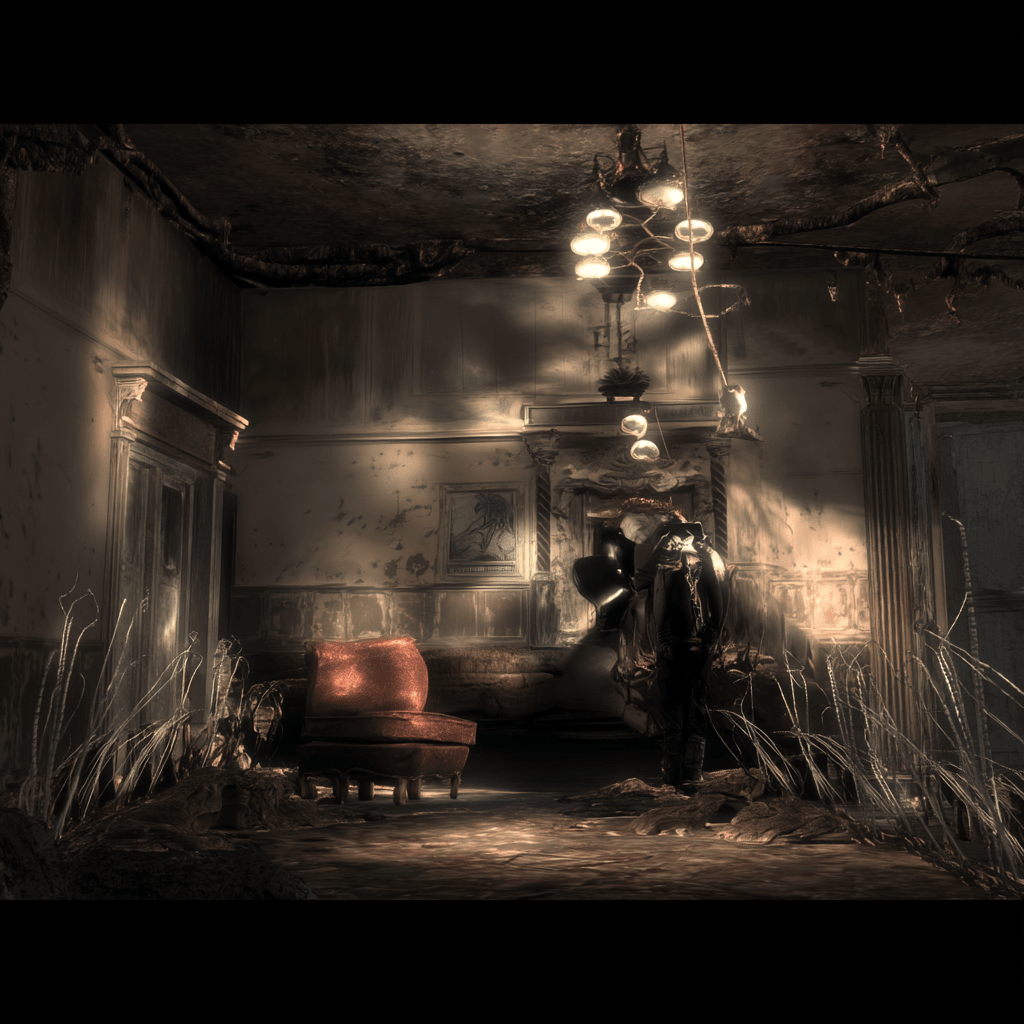
The most enthusiastic reviews focus on the film’s tactile beauty and the Quays’ singular vision. RogerEbert.com hailed it as “the type of animation that only Stephen and Timothy Quay, two extraordinary masters of their craft, could have conceived… an undeniably (and inimitably) human work of art.” This appraisal underscores the brothers’ reputation for painstaking, frame‑by‑frame craftsmanship—an aspect highlighted repeatedly across the critical spectrum.
Matt Mahler of PopMatters called the film “abstruse but nonetheless mesmeric and remarkably unique,” emphasizing how the Quays reinterpret Charles Schulz’s mythic world with “great poetry.” Similarly, Simon Thompson (Battle Royale With Cheese) noted that “if you’re a fan of both stop‑motion animation and the Quay Brothers, Sanatorium is well worth a watch simply on the strength of its visual choices alone.” The recurring theme is clear: the film’s visual language transcends conventional storytelling, inviting viewers to experience a “hallucination wash” that is both eerie and immersive.
These glowing remarks align with the site’s own focus on visual storytelling. On What’s After the Movie, our summary page includes a frame‑by‑frame breakdown that lets readers savor each meticulously crafted tableau. For those wanting to compare the Quays’ aesthetic to their earlier work, the concert‑film section offers a curated playlist of their previous stop‑motion pieces, highlighting the evolution of their unique, tactile style.
Pacing, Accessibility, and the Experimental Challenge: Critical Reservations
While the visual craft earned unanimous praise, several critics raised concerns about the film’s narrative rhythm and overall accessibility. Avi Offer labeled the experience “bold and atmospheric, but tedious, frustrating and dull,” pointing to a perceived lack of narrative propulsion that can alienate viewers unfamiliar with avant‑garde cinema. David Cuevas went further, describing the piece as “an arduous retelling of a challenging tale,” suggesting that the Quays leaned too heavily on their signature motifs without delivering a fresh reinterpretation.
Even within positive reviews, there are hints of reservation. The New York Times (70) called the film “a film of sensations and mystery that feels like it’s wafting toward us from another century,” a compliment that simultaneously hints at anachronistic pacing that may feel “out of sync” for modern audiences. Brent McKnight of The Last Thing I See praised its “ephemeral, gorgeously rendered rumination on death, loss, and memory,” yet admitted the end result feels “a bit slight,” indicating that the thematic depth may not fully translate into a satisfying narrative arc for all viewers.
These critiques suggest that Sanatorium thrives as a visual and emotional experience rather than a conventional story. For visitors to What’s After the Movie seeking context, our box‑office and awards pages highlight how experimental titles often perform modestly in mainstream markets but garner niche accolades and cult followings—a pattern that fits the Quays’ oeuvre.
Audience Reactions: Emotional Resonance, Cult Appeal, and Viewer Divides
User reviews provide a vivid window into how the film lands with everyday viewers. Stephen C erupted with exuberant excitement: “Success in 1 hour and 16 minutes!!!!!!!!!!!!!!!!!!!!” – a shorthand for the film’s ability to deliver a potent, compact experience that left him exhilarated. By contrast, NataliaZaharova offered a more nuanced, emotionally charged perspective, describing the movie as “a journey back to the life a father once stole,” and noting that “three people walked out… the other hundred left… changed.” Her account captures the film’s capacity to provoke intense emotional reactions, ranging from discomfort to catharsis.
These polarized user sentiments echo the critical split: the film is celebrated for its haunting, atmospheric power yet can be “too dark” for broader audiences. Many users, like Natalia, recommend watching at home with “tissues and a remote,” emphasizing the need for personal pacing—a suggestion that aligns with the critics’ calls for a contemplative viewing environment.
The film’s reception within online communities (e.g., Letterboxd lists, Reddit threads) shows a growing cult status, with fans sharing favorite visual motifs—such as the “little shoe” moment—as inside jokes that reinforce communal bonds. For those eager to test their knowledge of these iconic scenes, the quiz page offers a tailored Sanatorium challenge that reinforces fan engagement and drives repeat site visits.
What This Means for Fans and How to Dive Deeper on What’s After the Movie
In sum, Sanatorium Under the Sign of the Hourglass stands as a landmark in experimental stop‑motion, praised for its tactile brilliance while sparking debate over its narrative pacing. Critics applaud the Quays’ “uncompromising vision,” yet some question whether the film’s “nostalgic disquiet” alienates mainstream viewers. Audiences echo this split, with some experiencing profound emotional resonance and others finding the film “tedious.”
For fans who want to explore further, What’s After the Movie offers a suite of resources:
- Summaries – A concise yet comprehensive breakdown of the plot and themes.
- Profiles – Deep dives into Stephen and Timothy Quay’s careers.
- Box Office – Context on how experimental titles perform financially.
- Awards – Tracking festival recognitions and niche accolades.
- Concert Films – A curated look at the Quay Brothers’ earlier works.
- Quizzes and Games – Test your knowledge of the film’s most iconic moments.
- Movie Wiki – An encyclopedia‑style entry that situates the film within the broader animated canon.
Visit the dedicated movie page again for quick links to all of these tools, and keep the conversation alive by leaving your own review in our community section. Whether you’re a seasoned aficionado or a newcomer drawn in by the buzz, Sanatorium promises a uniquely immersive experience—one that will linger in your thoughts long after the hourglass runs out.
External Links for Further Reading
| Site | Link |
|---|---|
| IMDb | IMDb |
| TMDB | TMDB |
| Wikipedia | Wikipedia |
| Rotten Tomatoes | Rotten Tomatoes |
| Metacritic | Metacritic |
| Letterboxd | Letterboxd |
Continue reading




What's After the Movie?
Not sure whether to stay after the credits? Find out!
Check out our other apps:

SAT Sphere
Build confidence for the Digital SAT.

Mori Atlas
Discover wild places worth protecting.

Luntero
Search smarter for a home in Amsterdam.

Plot Explained
Unravel movie endings and hidden clues.

Pokechamp
Dive into Pokémon data and battle logic.

Driving Theory
Get ready for your European theory test.

Movie Dust
Plan your next cinema trip with ease.

Musemap
Find art and culture as you travel.

Selkobase
Compare credentials before committing.

Local Manual
Turn an unfamiliar country into practical next steps.

Lernavi
Compare school systems before your next move.

GymRoam
Find a workout stop wherever your plans take you.
Explore Our Movie Platform
New Movie Releases (2026)
Famous Movie Actors
Top Film Production Studios
Movie Plot Summaries & Endings
Major Movie Awards & Winners
Best Concert Films & Music Documentaries
Movie Collections and Curated Lists
© 2026 What's After the Movie. All rights reserved.
Privacy Policy