Masters of the Universe 2026: Roton Vehicle Toy Design Challenge
Production designer Guy Hendrix Dyas has revealed that his work on the upcoming Masters of the Universe movie created unprecedented challenges for Mattel’s toy engineering team. During an exclusive set visit last year, Dyas showcased concept designs for the redesigned Roton vehicle that prompted the toy manufacturer to declare it the most complicated product they have ever attempted to create, highlighting the intricate relationship between the 2026 blockbuster’s visual ambitions and its merchandising reality.
The Franchise’s Toy-First DNA
The Masters of the Universe property carries a unique legacy in the entertainment industry as one of the few major franchises born directly from toy aisles rather than television screens or comic books. In the early 1980s, Mattel established the brand through innovative marketing strategies, including promotional slime giveaways that required action figure purchases for refills, creating an early model of collectible-driven consumer engagement. However, the franchise’s breakthrough moment came with the 1984 Filmation animated series “He-Man and the Masters of the Universe,” which marked the first instance of a television program created specifically to support an existing toy line. This reverse-engineered approach to content creation proved game-changingly effective, establishing a template that countless brands would later attempt to replicate.
For the 2026 cinematic adaptation directed by Travis Knight, this commercial heritage remains central to the production’s mission. Unlike typical blockbuster productions where merchandising serves as secondary revenue, Masters of the Universe requires simultaneous satisfaction of narrative and play pattern requirements. Below-the-line creatives working on the project must navigate dual approval processes, securing sign-off not only from the directorial team but also from Mattel’s internal stakeholders who understand that these designs will inevitably translate to action figures, vehicles, and promotional items like themed popcorn buckets. This integrated development pipeline means that every vehicle and costume must function as both cinematic spectacle and manufacturable product.
Redesigning an Iconic Villain Vehicle
Among the various vehicles slated for the film, the Roton presented the most significant aesthetic challenge for Dyas and his conceptual team. The original 1980s incarnation featured a somewhat whimsical design: a barrel-shaped craft surrounded by spinning red blades, adorned with painted angry eyes on the front facade, and equipped with laser guns mounted behind the ocular features for additional menace. While charming in its retro context, the vintage aesthetic required substantial modernization to meet contemporary blockbuster standards without alienating the nostalgic fanbase that has sustained the property through multiple animated iterations and previous live-action attempts.
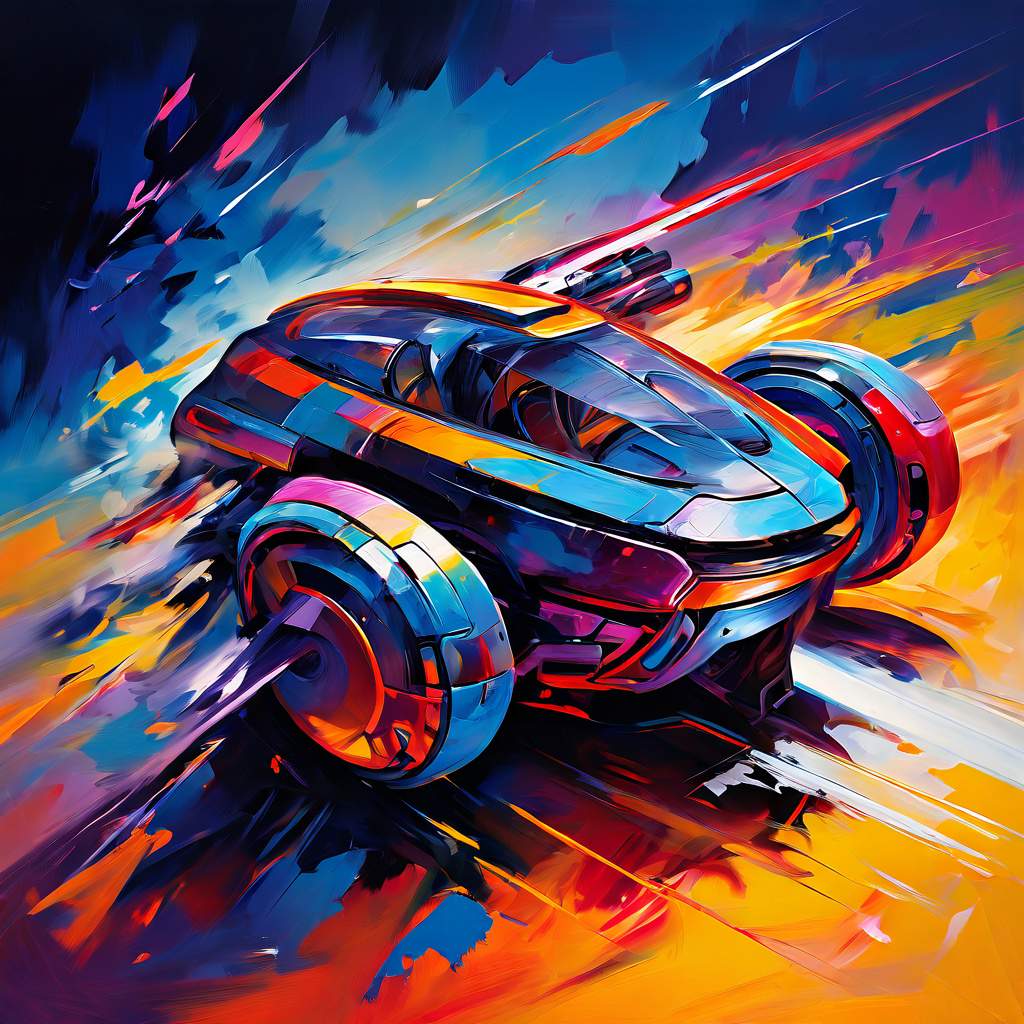
Dyas approached the redesign by deconstructing the vehicle’s core visual element—the circular buzzsaw blades—and reimagining their functionality within a gyroscopic framework. The production designer explained the evolutionary process as starting with the signature blades and asking, “What happens if we turn this into a gyroscopic situation?” The resulting concept transforms the Roton into an independent speeder-style vehicle where the entire craft can rotate around the pilot. This mechanical reimagining yielded aggressive, streamlined speeder bikes equipped with dual blades capable of 360-degree movement, creating a visual profile that suggests velocity and mechanical sophistication absent from the original toy.
The new iteration maintains the horizontal attack capability of the original design but expands tactical versatility through its reconfigurable blade system. When activated, the buzzsaw components can flip into a vertical orientation, becoming wheels of destruction that tear through terrain while maintaining forward momentum. The laser weaponry remains integrated into the design, preserving the intimidating presence of the vintage toy while significantly elevating the vehicle’s cinematic threat level. Dyas’s concept art sketchbook, filled with painstakingly detailed pencil drawings, served as the centerpiece of the set visit presentation, demonstrating the meticulous attention to mechanical detail underlying the redesign.
When Cinema Complicates Manufacturing
While computer-generated imagery offers filmmakers unlimited flexibility in realizing fantastic vehicles, the translation from digital asset to physical toy introduces concrete engineering constraints that cannot be solved through visual effects. Mattel’s toymakers faced the daunting task of miniaturizing Dyas’s gyroscopic mechanism into a functional, durable, and safe play pattern for children. The complexity of capturing the 360-degree blade maneuverability and the independent rotation system within injection-molded plastic components reportedly caused significant headaches in the company’s design labs, requiring innovative engineering solutions to replicate the cinematic functionality at toy scale.
The approval process between Sony’s production team and Mattel’s manufacturing division yielded an unexpected compliment that Dyas cherishes as validation of his industrial design background. After reviewing the revamped Roton concepts, Mattel’s toy engineers delivered what the production designer described as the only major note from “the mother company” during production: an acknowledgment that this represented the hardest toy they had ever had to design. For Dyas, whose previous career included industrial design work for Sony creating Walkman devices, this feedback carried particular weight. He interpreted the manufacturing challenges not as obstacles but as testament to the design’s ambition, stating with pride that hearing the project was “incredibly complicated” represented the highest possible praise given his history in consumer electronics design.
This intersection of film production and product engineering highlights the evolving sophistication of modern toyetic cinema, where production designers must consider material tolerances and child safety regulations alongside aesthetic concerns. The Roton serves as a case study in how contemporary franchise filmmaking requires fluency in multiple design languages, bridging the gap between concept art and manufacturing specifications.
Technical Specifications and Release Timeline
The Roton redesign represents just one element of the broader visual language Dyas is establishing for the 2026 release, which aims to honor the franchise’s colorful history while introducing sophisticated mechanical logic that satisfies modern audiences. The vehicle’s dual-mode functionality—capable of both horizontal flight and vertical ground assault—suggests that the film’s action sequences will feature dynamic vehicle choreography that takes advantage of these mechanical capabilities.
Key details confirmed during the set visit include:
- Release Date: The film will arrive in theaters on June 5, 2026
- Director: Travis Knight (known for Kubo and the Two Strings and Bumblebee)
- Production Designer: Guy Hendrix Dyas (credits include Inception and Passengers)
- Key Vehicle: Redesigned Roton with gyroscopic blade technology
- Manufacturing Partner: Mattel (original rights holder and toy producer)
- Design Challenge: Translating CGI-capable mechanics into functional toy mechanisms
- Source Material: Original 1980s Filmation animated series and toy line
The project continues the tradition of collaboration between entertainment production and consumer product development that has defined the Masters of the Universe brand for four decades. As the film moves toward its summer 2026 debut, additional set visits and promotional materials will likely reveal how other classic vehicles and characters have undergone similar transformations to balance nostalgic recognition with contemporary manufacturing realities. The production team’s commitment to honoring the source material while pushing engineering boundaries suggests that the final film will offer both visual spectacle and tangible play value for the next generation of He-Man fans.
What’s After the Movie
Planning your movie calendar around upcoming releases like Masters of the Universe? What’s After the Movie offers comprehensive coverage of major theatrical releases, including detailed box office tracking, spoiler-free summaries, and exclusive industry news. Explore our movie database to discover similar upcoming blockbusters, or visit our news section for the latest updates on toy-to-film adaptations and production design insights. Whether you’re tracking release dates or researching behind-the-scenes filmmaking challenges, our platform provides the tools to enhance your cinema experience.