Ratatouille 2 Unlikely as Director Brad Bird Rejects Sequel Plans
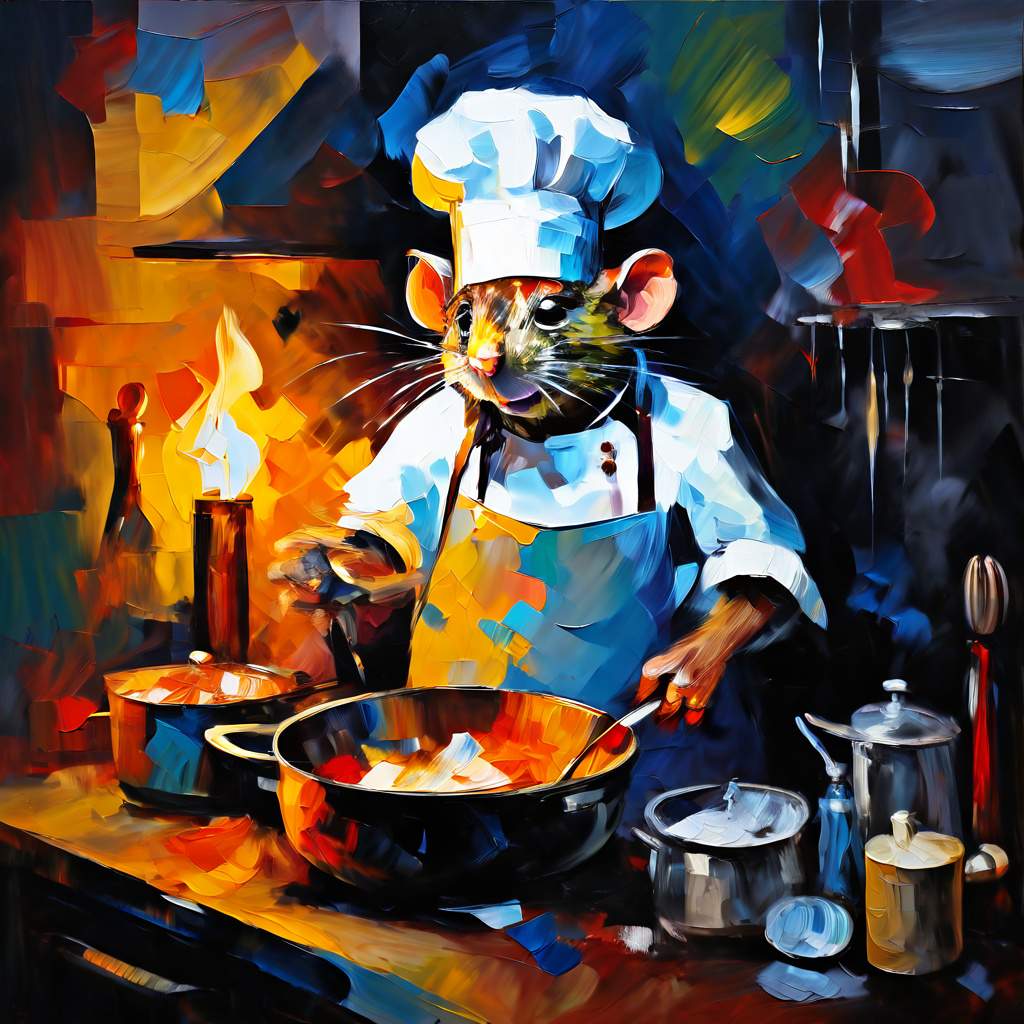
Nearly two decades have passed since audiences first met Remy, the ambitious rat who dreamed of culinary greatness in a prestigious Parisian restaurant. In the years since Pixar released this tale of gastronomic ambition, the film has cemented its status as one of the studio’s most beloved titles—a standalone masterpiece that blended sophisticated animation with genuine emotion. Yet despite the passage of time and the studio’s increasing reliance on established franchises, hopes for a sequel have now been definitively dampened by the one voice that matters most. Director Brad Bird has publicly confirmed that he has no interest in returning to the world of Gusteau’s restaurant, stating unequivocally that the original story reached its natural conclusion and should remain untouched.
The declaration arrives as Pixar continues to mine its back catalog for theatrical follow-ups, making Bird’s resistance particularly notable within the current animation landscape. While stars like Patton Oswalt have expressed willingness to reprise their roles, and fans have cultivated nostalgia for the culinary adventure, the creative architect behind the project maintains that some narratives deserve to remain complete rather than extended for commercial purposes.
Bird’s Definitive Rejection
Speaking with Collider in a recent interview, Bird addressed the persistent speculation surrounding a potential follow-up with characteristic frankness. When questioned directly about his interest in revisiting Remy, the bumbling Linguini, or the fearsome food critic Anton Ego, the director offered a simple, unambiguous response: he simply does not see the value in returning.
Bird revealed that Pixar has periodically attempted to gauge his interest through casual overtures disguised as humor. He described these moments as “little feints towards [a possible sequel] to see how I would react,” explaining that studio representatives would crack ostensibly joking comments that carried underlying seriousness about development possibilities. His response has remained consistent across these inquiries—the story they set out to tell concluded satisfactorily in the original film, and extending it would serve no creative purpose.
“We told that story,” Bird emphasized, articulating a philosophy that treats animated features as complete artistic statements rather than mere launchpads for franchises. This stance positions him in direct opposition to the contemporary entertainment industry’s relentless pursuit of intellectual property expansion, where even moderately successful films often spawn multiple sequels, spin-offs, and streaming series. Bird’s refusal suggests that creative integrity, in his view, must outweigh the financial incentives that typically drive sequel production.
Pixar’s Sequel Strategy and the Outlier
Bird’s unwillingness to develop a second installment stands in sharp contrast to Pixar’s broader corporate strategy, which has increasingly prioritized established franchises over original concepts. The studio has demonstrated remarkable success in transforming single films into ongoing series, creating sustainable ecosystems of characters that drive both theatrical revenue and merchandising opportunities.
Consider the studio’s current approach to legacy properties:
- Cars: Evolved from a single film into a three-installment franchise accompanied by an enormous merchandising operation
- Toy Story: Extended through five theatrical releases, with the latest installment currently dominating box office charts
- Inside Out: Received a long-awaited sequel after a nine-year gap, demonstrating the studio’s willingness to revisit acclaimed standalones
- The Incredibles: Finally received its Part II after a fourteen-year hiatus, with Part III now officially in development
This pattern of strategic franchise management has created industry-wide expectations that any financially or critically successful animated property will eventually spawn follow-ups. The original Ratatouille certainly possesses the credentials to justify sequel consideration—it was a major hit upon release and has only grown in cultural stature through streaming availability and social media appreciation.
Patton Oswalt, who provided the voice for Remy, has publicly voiced his enthusiasm for reprising the role, adding talent-side support to fan desires for continuation. However, Pixar appears reluctant to proceed without the original director’s creative vision, recognizing that Bird’s specific storytelling sensibilities and visual style defined the film’s unique charm and tone.
The Philosophy of Narrative Completion
Bird’s resistance to revisiting the Parisian kitchen reflects a broader creative ethos regarding narrative integrity and the dangers of diminishing returns. He drew explicit parallels to his earlier animated feature, The Iron Giant, another standalone film that has achieved legendary status despite initial commercial disappointment.
The director finds proposals for an Iron Giant sequel particularly misguided, noting that the film’s conclusion provided definitive closure while its legacy grew organically over time. He questioned what narrative ground could possibly remain to explore, highlighting the absurdity of extending narratives that have already said everything they needed to say. Bird noted the irony that sequel discussions often emerge only after a film has aged into prestige, observing that The Iron Giant “didn’t succeed at all in its initial release” yet now generates enthusiastic calls for continuation simply because it “caught up in time.”
This perspective illuminates his approach to the culinary tale—a film where Remy’s journey from sewer-dwelling outcast to respected chef reaches natural completion, where Linguini discovers his confidence and purpose, and where the ruthless critic Anton Ego experiences his transformative moment of revelation. To revisit these characters risks undoing the emotional resonance of their completed arcs merely to satisfy commercial appetites or nostalgic longing.
The Exception That Proves the Rule
Despite his steadfast refusal to return to the restaurant kitchen, Bird maintains a markedly different outlook regarding another Pixar property he created. When asked about The Incredibles, the director acknowledged seeing potential for additional stories, confirming that the superhero family naturally lends itself to ongoing adventures and evolving threats.
This selective approach to franchise extension reveals that Bird’s resistance stems not from blanket anti-sequel sentiment, but from specific assessment of each property’s narrative capacity. Superhero mythology, by its nature, accommodates continuing sagas and new challenges, whereas a rat mastering French cuisine represents a specific, self-contained fairy tale with nowhere organic left to go.
The studio announced in 2024 that Incredibles 3 is officially moving forward, with Bird attached to write the screenplay while ceding directorial responsibilities to Peter Sohn. This participation demonstrates that Bird will engage with legacy properties when he perceives legitimate creative justification, making his refusal to consider a culinary sequel all the more definitive and meaningful.
Currently, Bird’s professional attention remains focused on Ray Gunn, an animated feature set for Netflix release later this year. This commitment to new original material rather than legacy sequels reinforces his prioritization of fresh storytelling over franchise maintenance.
Preserving the Legacy
Without Bird’s creative leadership, a Pixar-produced follow-up appears virtually impossible. While studios occasionally navigate around creator reluctance—producing follow-ups without original directors—Pixar has historically maintained sacred bonds between its flagship properties and their originating filmmakers. The absence of Bird’s distinctive visual composition and narrative voice would render any hypothetical follow-up tonally inconsistent with the original.
The film thus stands poised to remain a singular achievement: a celebration of artistry, passion, and the democratization of fine dining that requires no elaboration or extension. For fans seeking additional time with these characters, the original remains readily available, its colors as vibrant and its message as resonant as they were upon initial release.
Bird’s steadfast protection of his completed work represents a rare instance of creative integrity superseding commercial potential in contemporary Hollywood. As studios increasingly prioritize franchise sustainability over standalone storytelling, the director’s refusal to dilute the original’s perfect conclusion serves as a reminder that some stories are best left exactly where they ended.
What’s After the Movie?
While Ratatouille may remain a deliciously complete standalone story, there’s always more cinematic content to explore. What’s After the Movie serves as your comprehensive resource for film information, offering detailed summaries, ending explanations, box office analysis, and industry news coverage. Whether you’re researching Pixar’s complete catalog or tracking upcoming animated releases, our platform provides the context and insights movie enthusiasts need. Visit our movie database for extensive filmographies, or check the blog for the latest updates on animation industry developments and sequel news.