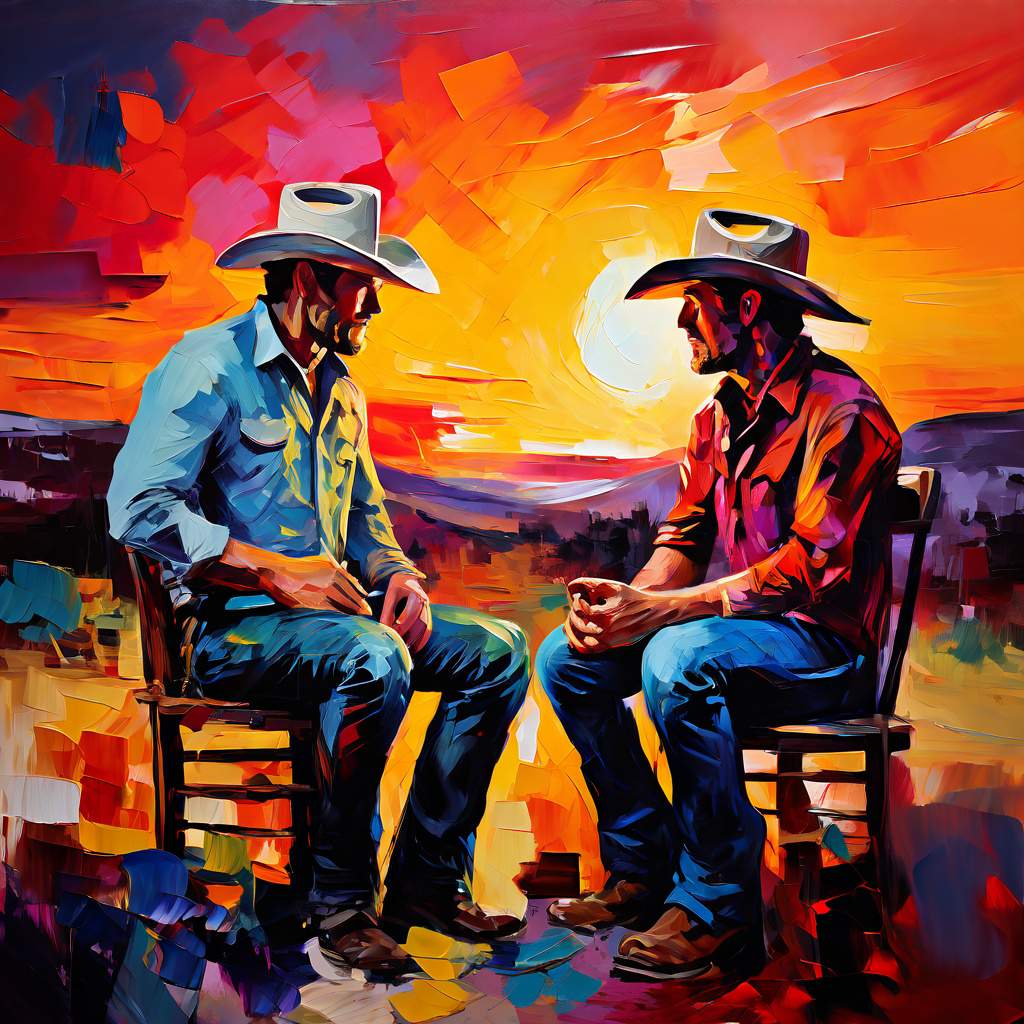
Taylor Sheridan Reveals Truth Behind Kevin Costner’s Yellowstone Exit
Two years after Yellowstone concluded its tumultuous final season, series creator Taylor Sheridan has finally broken his silence regarding the controversial departure of Kevin Costner. During a candid appearance on The Bill Simmons Podcast, Sheridan dismantled years of speculation by revealing that Costner’s exit was not merely a matter of behind-the-scenes discord, but rather the culmination of contractual obligations colliding with network anxiety. The disclosure sheds new light on how commercial pressures from Paramount Network fundamentally altered the trajectory of television’s most popular neo-Western saga, forcing creative compromises that left both the star and showrunner navigating an unexpectedly prolonged conclusion.
The Original Three-Season Plan
According to Sheridan, Kevin Costner was never intended to anchor Yellowstone indefinitely. The actor’s initial contract explicitly covered only the first three seasons, a timeframe Sheridan designed specifically to facilitate a generational transition within the Dutton family narrative. “That was in his contract,” Sheridan explained during the podcast interview. “And in my mind, that’s when his youngest son takes over and then we watch him lose that ranch or not lose it, whatever the case is gonna be.”
This revelation reframes Costner’s eventual departure not as a sudden rupture, but as a schedule the performer was prepared to honor. By season three’s conclusion, Costner had reportedly fulfilled his original obligations and was eager to pursue other projects, specifically his ambitious Western film franchise, Horizon: An American Saga. The creative roadmap seemed clear: John Dutton’s arc would conclude, passing the torch to the next generation while allowing Costner to exit gracefully and pursue his cinematic Western epic without the constraints of a rigorous television production schedule.
However, the show’s meteoric rise to cultural phenomenon status complicated these straightforward plans. Yellowstone had evolved from a modest cable series into a ratings behemoth, generating massive viewership numbers and social media engagement that made Paramount Network particularly nervous about losing its leading man. What began as a clear creative endpoint transformed into a protracted negotiation between artistic vision and commercial necessity, with the network unwilling to let go of its most valuable asset.
Network Pressure and Extended Stay
Paramount’s response to Costner’s planned exit reveals the anxiety that governs modern television economics. Despite Costner’s readiness to move on after fulfilling his contractual duties, the network insisted he remain, terrified at the prospect of continuing their flagship series without its established star. Sheridan characterized the network’s mindset bluntly, noting that “the network was so scared of not having Kevin be a part of it.”
The dynamics proved complex: Costner, though ready to depart, agreed to extend his participation for an additional two seasons, accommodating the network’s desire to maximize the show’s commercial potential during its ratings peak. Sheridan attributed this extension purely to corporate caution and risk aversion, explaining that “the show was such a behemoth and such a huge hit that the notion of giving up a hit before it had run of juice to squeeze is very foreign to a network.”
This extension, while commercially understandable from a shareholder perspective, created mounting tension behind the scenes. Costner’s commitment to his Horizon project grew increasingly incompatible with Yellowstone’s demanding production schedule, which required extensive location shooting and long hours in Montana’s challenging weather conditions. Eventually, the actor determined he had exhausted his patience with the Dutton family drama, leading to the abrupt mid-season exit that characterized Yellowstone’s fifth and final chapter. The departure, initially framed as acrimonious by outside observers and industry gossip, now appears as the inevitable result of conflicting timelines, diverging creative priorities, and the pressures of managing a blockbuster television property.
Narrative Consequences and Creative Adjustment
The prolonged uncertainty regarding Costner’s availability forced Sheridan into difficult narrative territory that compromised the show’s long-term storytelling integrity. With the star’s eventual exit becoming inevitable but its specific timing uncertain, the showrunner found himself unable to execute his preferred generational transition strategy. Sheridan admitted to “tread[ing] water for a bit,” a candid acknowledgment that explained the meandering plotlines and narrative stalling that characterized the series’ later seasons.
Viewers had long sensed this creative uncertainty. Yellowstone’s final episodes, particularly the series finale, struck many fans as bizarrely constructed, featuring Sheridan inserting himself as a heroic savior figure that seemed to materialize from nowhere to resolve the Dutton family’s legacy. This creative choice, which drew significant criticism from the fanbase, now makes sense within the context of a production forced to extend beyond its natural conclusion while simultaneously losing its central protagonist earlier than anticipated due to the actor’s film commitments.
The franchise’s conclusion proved particularly messy given these constraints. While Costner never followed through on his threatened legal action against Paramount—a dispute he had publicly contemplated during the height of exit speculation—the show limped toward a finale that satisfied few observers. The dissonance between the network’s desire for continued ratings success and the practical realities of cast availability created a final season that struggled to reconcile its commercial obligations with its storytelling needs, leaving threads unresolved and character arcs truncated.
Current Status: Spin-Offs Survive While Horizon Stalls
Despite Yellowstone’s rocky conclusion and the behind-the-scenes drama that marred its final production cycle, Sheridan’s neo-Western universe continues expanding successfully across Paramount’s streaming and cable platforms. The franchise has proven resilient enough to survive the loss of its original leading man, validating the network’s gamble that the setting itself—not just Costner’s presence—held significant commercial value.
Current projects involving the principal figures include:
- Dutton Ranch: The well-received spin-off concluding its first season on July 3, with Season 2 already ordered by Paramount
- Horizon: An American Saga – Chapter 2: Completed but unreleased, with no confirmed distribution date
- Horizon Chapters 3 & 4: In development limbo, with Costner seeking financing amid reported legal complications
Meanwhile, Costner’s post-Yellowstone career has encountered significant headwinds that lend irony to his determination to leave the television series. His Horizon project faces substantial legal and financial difficulties, with the actor reportedly in “a whole heap of legal trouble” regarding the unfinished production. While the second installment has completed production, it remains unreleased without a clear distribution strategy, and the prospects for the planned third and fourth films appear increasingly precarious. Costner remains publicly determined to complete the tetralogy, though financing sources for these remaining chapters remain unclear in the current entertainment economy.
The diverging fortunes suggest that while Costner’s star power initially built Yellowstone into a cultural powerhouse, Sheridan’s creative universe possesses sufficient narrative momentum and audience loyalty to outlast any single performer—a reality that perhaps validates the network’s original anxiety about losing its lead while simultaneously proving that such fears were ultimately surmountable through strong worldbuilding and ensemble casting.
What’s After the Movie
If you’re tracking the latest developments in television production dramas or looking for comprehensive coverage of where to watch Yellowstone and its expanding universe of spin-offs, What’s After the Movie provides detailed industry analysis and streaming guides. Our platform offers extensive box office data, spoiler-free summaries, and breaking news on franchise developments from Paramount and beyond.
Explore our complete coverage of Western genre productions and industry interviews at https://www.whatsafterthemovie.com, or browse our curated collections of series finales and behind-the-scenes production stories at https://www.whatsafterthemovie.com/movies/collection. For the latest updates on streaming availability and release dates for Sheridan’s expanding universe, visit our dedicated news section.