What's After the Blog?
interview • news • industry
Lou Ferrigno Called 'Wonder Woman' Style Over Substance in 1979 Interview
In a candid 1979 Starlog Magazine interview, 'The Incredible Hulk' star Lou Ferrigno harshly criticized Lynda Carter's 'Wonder Woman' series, dismissing it as superficial entertainment lacking character depth. The bodybuilder-turned-actor contrasted the show unfavorably with his own dramatic superhero series while reflecting on his transition from bodybuilding to acting and his rivalry with Arnold Schwarzenegger.
April 13, 2026
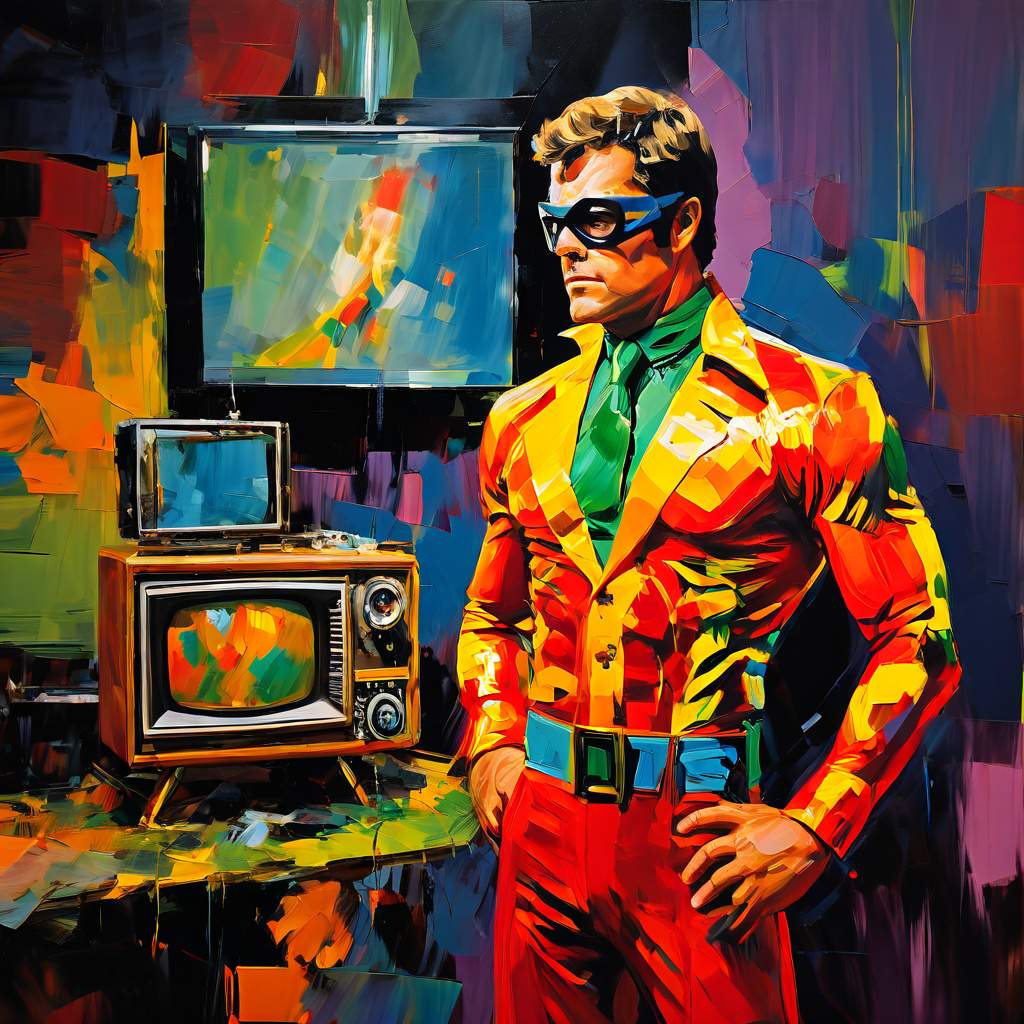
Lou Ferrigno Called ‘Wonder Woman’ Style Over Substance in 1979 Interview
During the height of 1970s superhero television dominance, bodybuilder-turned-actor Lou Ferrigno did not mince words regarding his competition. In a candid November 1979 interview with Starlog Magazine, the star of CBS’s “The Incredible Hulk” delivered a scathing assessment of ABC’s “Wonder Woman,” starring Lynda Carter, dismissing the popular series as superficial entertainment that prioritized visual appeal over narrative substance. The remarks, published mere months after Wonder Woman concluded its three-season run, offer a fascinating glimpse into the contrasting philosophies behind two of the era’s most recognizable comic book adaptations.
The Starlog Interview: Ferrigno’s Blunt 1979 Assessment
When Ferrigno sat down with Starlog Magazine in late 1979, the superhero television landscape was undergoing rapid expansion. Both Marvel and DC properties had established significant small-screen presence, prompting industry observers to examine the quality and staying power of these adaptations. Ferrigno, then at the peak of his fame as the green-skinned Goliath, approached the subject with characteristic frankness that reflected his bodybuilding background.
The actor admitted to feeling generally skeptical about comics-based television productions, suggesting that quality varied dramatically depending on the creative team involved. His commentary extended beyond mere professional rivalry; he offered specific casting critiques that revealed his personal taste in television drama. Notably, Ferrigno suggested that “The Amazing Spider-Man,” which starred Nicholas Hammond in the titular role, would have benefited from casting Patrick Duffy instead. Duffy, who had recently appeared in the action-fantasy series “The Man from Atlantis,” impressed Ferrigno with his physical presence and screen charisma—a detail particularly interesting given that Marvel Comics figurehead Stan Lee reportedly despised the Spider-Man adaptation.
‘Nothing But a Beautiful Body’: The Wonder Woman Critique
Ferrigno’s most pointed criticism landed squarely on Wonder Woman, which had captivated audiences from 1975 through 1979 with its blend of World War II and contemporary settings. Where viewers saw a fun, colorful, and sometimes raucous adventure series featuring Diana Prince’s transformation into the Amazonian warrior, Ferrigno saw only hollow spectacle.
“There’s nothing there […] Nothing to show at all but a ‘beautiful body,’ and that’s it,” Ferrigno stated in the interview. “You never get a chance to find out anything about the person at all. What a bore! I can’t understand why that show ran as long as it did.”
The publication noted that Wonder Woman had concluded its three-season run only months prior to the interview’s November 1979 publication date, and cautioned that legions of passionate fans would likely disagree with Ferrigno’s harsh assessment. Indeed, the series had earned its following through more than just its star’s appearance; it delivered mind-tickling fantasy conceits and genuine charm, with details like Diana’s invisible jet becoming pop culture touchstones.
In stark contrast to his dismissal of Wonder Woman, Ferrigno heaped praise upon his own production team. “We’re the best of them all,” he declared, citing producer Kenneth Johnson and co-star Bill Bixby as “very talented, creative people” who earned the respect of both critics and audiences through serious storytelling.
A Serious Take on Superheroes: Rejecting the Camp Legacy
Ferrigno’s criticism reflected a deliberate philosophical stance against the campy approach that had dominated superhero television in previous decades. He specifically contrasted “The Incredible Hulk” with the hit 1960s “Batman” series, noting that earlier adaptations had failed to treat comic material with appropriate gravity.
“No one ever took the comic book stuff seriously,” he remarked of previous efforts. “They looked at them as Batman-type camp stuff.”
This commitment to dramatic authenticity shaped Ferrigno’s interpretation of his own character. Rather than portraying the Hulk as a simple monster or Frankenstein-esque creature, the actor developed a nuanced understanding of the role that informed his physical performance. He viewed the character as “a big kid who doesn’t know his own strength,” emphasizing that the Hulk possessed “his good and bad sides that react to the way other people treat him.” This layered approach allowed the series to explore themes of isolation and persecution while delivering the action sequences audiences expected.
The 1970s Television Landscape: Context and Competition
Ferrigno’s comments arrived during a pivotal moment for superhero entertainment. Richard Donner’s 1978 “Superman” feature film had recently demonstrated that comic book properties could succeed as serious cinema, casting then-relative unknown Christopher Reeve in a role that balanced spectacle with emotional authenticity. Meanwhile, television networks competed fiercely for the burgeoning superhero demographic.
The era saw diverse approaches to costumed heroism:
- “The Six Million Dollar Man” and “The Bionic Woman” offered sci-fi enhancements grounded in (pseudo) scientific reality
- Japanese imports like “Super Sentai” and “Kamen Rider” delivered wildly creative tokusatsu action
- Sid and Marty Krofft productions including “Bigfoot and Wildboy” and “Electra Woman and Dyna Girl” targeted younger demographics with zany, psychedelic aesthetics
- Filmation series such as “Shazam!” (1974) and “The Amazing Spider-Man” (1977) brought DC and Marvel properties to weekly broadcast
Against this crowded backdrop, Ferrigno’s willingness to endure serious health risks—including significant infection dangers from the extensive green makeup application—demonstrated his commitment to the role. This dedication has kept him a fixture at superhero conventions decades later, where he continues to meet fans and sell merchandise related to the iconic character.
From Pumping Iron to Primetime: Ferrigno’s Rise
Ferrigno’s candid interview style reflected his unconventional path to acting stardom. Having engaged in bodybuilding since age 16, he approached his entertainment career with the same discipline that defined his athletic pursuits. The Starlog interview occurred just two years after the 1977 theatrical release of “Pumping Iron,” the documentary that chronicled his underdog quest to dethrone a confident Arnold Schwarzenegger during the 1975 Mr. Olympia competition.
While Ferrigno did not defeat Schwarzenegger in that contest, both men parlayed their physiques into successful film and television careers. In a satisfying twist of Hollywood fate, Ferrigno secured his victory over his Austrian rival in the casting arena: he famously beat out Schwarzenegger for the role of the Hulk, a part that required the imposing physical presence both men possessed but which ultimately demanded the specific vulnerability Ferrigno brought to the character.
The transition from competitive bodybuilding to dramatic acting suited Ferrigno’s ambitions. He spoke enthusiastically about his love for the craft, viewing his television success as validation of his artistic range beyond the weight room. This passion for performance informed his high standards regarding superhero adaptations, explaining his impatience with productions he perceived as failing to respect their source material or their audiences.
What’s After the Movie
Exploring the history of superhero television reveals how industry perspectives have evolved from the practical effects of the 1970s to today’s CGI spectacles. At What’s After the Movie, we dive deep into the stories behind your favorite films and series, from classic casting controversies to modern box office analysis. Whether you’re researching nostalgic superhero shows or tracking current industry developments, our comprehensive database covers movie summaries, ending explanations, and the latest entertainment news to keep you informed about what’s streaming and what’s coming next.
Continue reading




What's After the Movie?
Not sure whether to stay after the credits? Find out!
Check out our other apps:

SAT Sphere
Build confidence for the Digital SAT.

Mori Atlas
Discover wild places worth protecting.

Luntero
Search smarter for a home in Amsterdam.

Plot Explained
Unravel movie endings and hidden clues.

Pokechamp
Dive into Pokémon data and battle logic.

Driving Theory
Get ready for your European theory test.

Movie Dust
Plan your next cinema trip with ease.

Musemap
Find art and culture as you travel.

Selkobase
Compare credentials before committing.

Local Manual
Turn an unfamiliar country into practical next steps.

Lernavi
Compare school systems before your next move.

GymRoam
Find a workout stop wherever your plans take you.
Explore Our Movie Platform
New Movie Releases (2026)
Famous Movie Actors
Top Film Production Studios
Movie Plot Summaries & Endings
Major Movie Awards & Winners
Best Concert Films & Music Documentaries
Movie Collections and Curated Lists
© 2026 What's After the Movie. All rights reserved.
Privacy Policy