Faces of Death 2026 Review Roundup: Critical Consensus and Audience Reactions to the Controversial Horror Remake
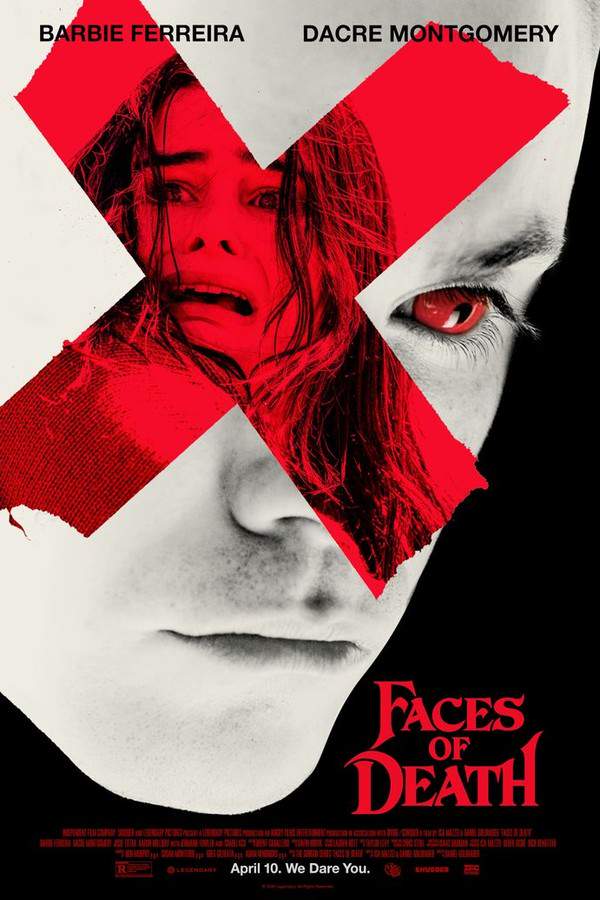
When Faces of Death hit theaters on April 10, 2026, it arrived with the weight of decades of infamy behind it. The original 1978 film occupies a peculiar corner of cinema history—a “mondo” shockumentary that mixed staged and allegedly real footage of death and violence, becoming a cult phenomenon through underground VHS trading and whispered playground lore. Remaking such a culturally loaded property for the TikTok era was always going to be a provocative move, and the Faces of Death 2026 movie page quickly became one of the most searched destinations on What’s After the Movie as viewers scrambled to understand whether this modern reimagining honored the original’s transgressive spirit or merely commodified nostalgia for the attention economy.
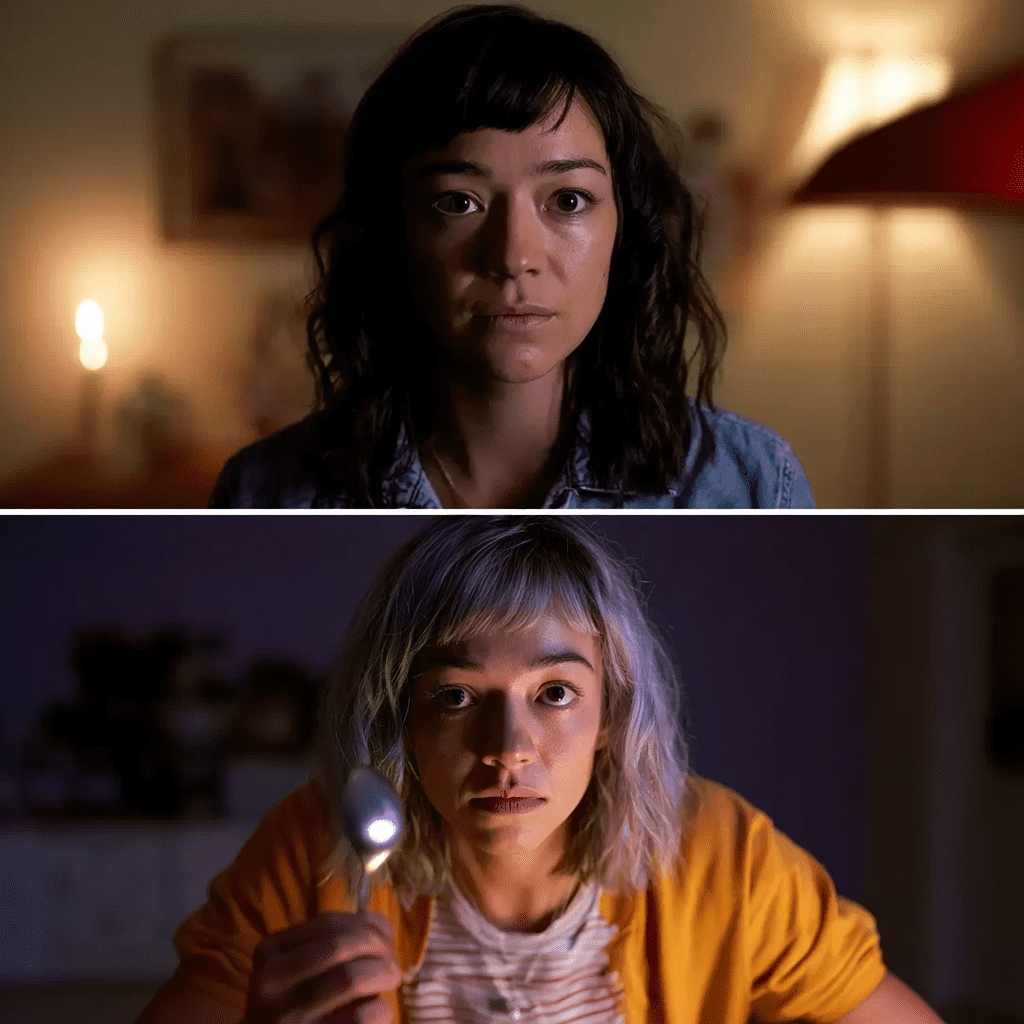
The 2026 version, directed by Isa Mazzei and Daniel Goldhaber, pivots sharply from the mockumentary format into a meta-horror narrative about a content moderator (Barbie Ferreira) who discovers disturbing videos recreating the original film’s death scenes. This shift has generated one of the most polarized critical receptions of the year, with scores ranging from scathing dismissal to enthusiastic celebration of its “ambitious trash” aesthetic. Whether you’re searching for spoiler-free reviews, wondering about ** Faces of Death 2026 box office performance**, or debating whether the film is worth streaming, understanding the divide between critical consensus and genuine audience reactions requires digging beneath the surface of aggregated scores. Our comprehensive analysis examines every facet of the reception landscape, from the performances by the cast to the film’s commentary on digital voyeurism.
Critical Reception Divided: Faces of Death 2026 Critic Reviews and Critical Consensus
The critical response to Faces of Death 2026 represents a fascinating schism in contemporary horror criticism, with reviewers fundamentally disagreeing on whether the film’s serious approach to inherently schlocky material represents bold filmmaking or a fundamental misunderstanding of the original’s appeal. The numbers tell a stark story: while The Globe and Mail (Toronto) awarded the film an impressive 89/100, praising how Goldhaber “twisted the end-goal of modern Hollywood radically and beautifully,” The Austin Chronicle delivered a devastating 11/100, calling it “dull and thoughtless” with attempts to smash influencer culture into voyeurism feeling “artificial.”
This 78-point spread between major publications suggests that Faces of Death 2026 is less a movie critics agree is mediocre and more a Rorschach test for how viewers feel about meta-horror and internet-age commentary. Slashfilm (70/100) appreciated this tonal tightrope, noting that “there’s a lot of room for cheap, silly schlock here, but Goldhaber and Mazzei actually attempt to take this (sort of) seriously, which results in a far better movie than you might be expecting.” This sentiment—that the filmmakers’ earnest ambition elevates potentially trashy material—recurs throughout positive notices. Variety (70/100) similarly celebrated the film as “‘ambitious’ trash, with the courage of its own gaudy thematic grandiloquence,” suggesting the movie works precisely because it refuses to wink at its own absurdity.
However, critics on the lower end of the spectrum found this same sincerity problematic. The A.V. Club (58/100) characterized it as “a straightforward slasher with a tech-savvy twist, ironically not outlandish enough to stand out from the formerly forbidden footage filling our feeds every single day.” This criticism—that reality has outpaced fiction in terms of online horror—represents perhaps the most damning indictment of the remake. When actual content moderation exposes workers to genuine trauma daily, can a fictionalized version still shock? Screen Rant (50/100) agreed, stating that “the biggest issue with Faces of Death, though, is that it’s just not all that dark down there,” suggesting the film’s exploration of internet rabbit holes feels sanitized compared to the genuine article.
Yet the film’s defenders argue this perceived weakness is actually its greatest strength. IndieWire (83/100) offered one of the most enthusiastic critic reviews, calling it “a smart, fun, and deeply unsettling post-modern slasher that knows it can’t manufacture anything scarier than what people scroll past on their phones every day, and leverages that awareness into a multiplex-ready meditation on the terror of living in a world where even the worst atrocities have been flattened into digital wallpaper.” TheWrap (82/100) similarly praised it as both “a terrifying, stark, oppressive horror film that outscares the other modern slashers” and “an intelligent treatise on the grim obsession we have with being obsessively grim.”
Audience Reactions and Viewer Reactions: Is Faces of Death 2026 Worth Watching?
While critics debated the film’s artistic merits, audience reactions to Faces of Death 2026 painted a more consistently favorable picture, with general viewers seemingly more receptive to the film’s genre-blending ambitions and practical effects. The user review ecosystem reveals a movie that satisfies hardcore horror fans even as it occasionally disappoints those seeking the transgressive intensity promised by marketing materials. For visitors checking our What’s After the Movie quiz page and games to test their horror knowledge, or browsing our movie collections for similar titles, understanding this gap between marketing hype and actual content proves crucial.
User Todd L awarded the film 3/5 stars, acknowledging its “classic cheese horror movie catches” while praising it as “an entertaining take on the old VHS movie.” This sentiment—that the film works as nostalgic genre entertainment despite (or because of) its flaws—resonates throughout viewer responses. leo g offered a similarly moderate take with “decent” and a 6/10 rating, suggesting that while Faces of Death 2026 may not revolutionize horror, it delivers competent thrills for undemanding audiences. These middle-of-the-road reactions actually represent a victory of sorts; given the radioactive reputation of the original franchise, a “decent” remake exceeds the low expectations set by decades of unnecessary reboots.
However, gore enthusiasts found more to celebrate. bob B (4/5) praised the film as “full of action,” noting that “the fact that the scenes looked so real made it gruesome and horrifying in a good way.” For fans of franchises like Saw, bob recommends the film as a worthy entry in the “torture porn” lineage, warning it’s “definitely not for the squimish but if you love gore… you will like this movie.” This validation from the horror community suggests the film succeeds on its primary level as a visceral experience, even when its thematic ambitions falter.
The most detailed user analysis comes from miguel a (3.5/5), who broke down the film’s reception into specific components that mirror professional criticism. Praising the “well done and engaging premise” and noting that “the way they tied the OG film into this worked surprisingly well,” miguel highlights the “solid gore effects and really good tension” while specifically singling out Dacre Montgomery’s performance as “the stand out.” However, the review echoes professional critics regarding the film’s intensity, noting it was “nowhere near as intense or disturbing as the marketing makes it out to be,” with particular disappointment regarding the killer’s motivation as “the definition of generic.”
Contrast this with aimee’s enthusiastic 4.5/5 review, which represents the film’s ideal viewer. Calling it a “brilliant throwback that inspires a killer” rather than a straightforward remake, aimee celebrates the meta-commentary on the 1978 film and the critique of “Tiktok culture.” The review specifically praises how “Barbie Ferreira shines as the moderator trying to find the truth” while being “traumatized by her own past with the obsession of online clicks.” For viewers seeking Faces of Death 2026 summaries and wondering about the plot’s relationship to internet culture, aimee’s reception suggests the film works best when viewed as commentary on content moderation and digital desensitization rather than pure horror.
Dacre Montgomery and Barbie Ferreira: Acting Analysis and Standout Performances
Amidst the divisive reception of Faces of Death 2026, one element generates near-universal agreement: the strength of its central performances. Both critics and audiences converge on the quality of the casting, with Dacre Montgomery and Barbie Ferreira receiving consistent praise across the critical spectrum, offering a rare point of consensus in an otherwise contentious reception landscape.
Villain Performance Breakdown
Dacre Montgomery’s portrayal of the antagonist—described in user aimee’s review as “the faces of death killer” with a look that “got me hyped”—emerges as the film’s most celebrated element. The Hollywood Reporter (50/100) noted that Montgomery was “very creepy as the copycat killer who would have benefited from a more wholesome media diet,” suggesting the actor brings genuine menace to a role that could have devolved into cartoonish villainy. miguel a’s user review specifically identifies Montgomery as delivering “the stand out performance here playing a great villain,” while aimee describes the portrayal as “really fun to watch” and “manic.”
This appreciation for Montgomery’s commitment crosses the critic-user divide that otherwise characterizes the film’s reception. Even reviewers who found the film’s overall tone lacking, like Screen Rant, acknowledged that the backstory, while containing “shades of cliché,” remained “effective in pushing [the protagonist] down the rabbit hole.” The strength of the antagonist’s portrayal apparently anchors the narrative even when other elements feel underdeveloped. For those exploring our movie wiki for information on Montgomery’s previous horror-adjacent roles, this performance appears to mark a significant evolution in his screen presence.
Lead Performance Analysis
Barbie Ferreira’s turn as the content moderator protagonist receives similarly enthusiastic notices, with particular emphasis on how her performance grounds the film’s more outlandish elements in emotional reality. TheWrap (82/100) described the film as featuring “Ferreira appealing in the lead role,” while aimee’s user review praises how she “shines as the moderator trying to find the truth and is traumatized by her own past with the obsession of online clicks.” This duality—professional investigation and personal trauma—apparently gives Ferreira substantial material to work with, allowing her to elevate what could have been a standard “final girl” archetype into something more psychologically complex.
The character’s occupation as a content moderator proves crucial here. IndieWire (83/100) highlighted how the film explores “the terror of living in a world where even the worst atrocities have been flattened into digital wallpaper,” and Ferreira’s performance apparently sells this existential dread. Unlike traditional horror heroines who stumble into danger, her character’s professional relationship with violent content creates a unique horror dynamic—she is simultaneously investigator, victim, and unwilling consumer of the very violence she seeks to stop. This layers the performance with a weariness and cynicism that distinguishes it from typical slasher protagonists.
From 1978 Shockumentary to 2026 Slasher: Franchise Context and Genre Expectations
Understanding the Faces of Death 2026 film reception requires grappling with the elephant in the room: the original 1978 film’s reputation as a genuine “video nasty” that blurred lines between documentary and exploitation. The remake’s decision to pivot from mockumentary to narrative slasher represents either a brilliant evolution or a fundamental betrayal, depending on which movie lists and collections you consult.
Next Best Picture (50/100) delivered perhaps the most pointed critique of this translation, noting that despite being “well shot and slickly constructed, ‘Faces of Death’ doesn’t successfully bring the decidedly not-good but undeniably captivating spirit of the original film into the 21st century.” This raises a fascinating question about remake ethics: when the original’s power derived from its amateurish “realness” and moral dubiousness, can a polished Hollywood production ever truly capture that transgressive energy? The original film’s grainy aesthetic and documentary pretense created a specific type of unease—the fear that you were watching something you shouldn’t—that high-gloss cinematography inherently undermines.
However, defenders argue the remake wisely recognizes this limitation and pivots toward commentary rather than imitation. aimee’s user review champions this approach, calling it a “meta-commentary on the original 1978 film” that works as “a brilliant throwback that inspires a killer.” By making the original film an in-universe artifact that inspires the new killer’s methodology, the 2026 version creates a dialogue between eras of horror. The content moderator protagonist discovering “videos recreating the original’s murders” allows the film to examine how the 1978 movie’s mythology persists in internet folklore and copycat culture.
This meta-textual approach connects Faces of Death 2026 to a broader trend in modern horror where remakes acknowledge their own redundancy. The Globe and Mail (89/100) praised how Goldhaber approached the material in “an era where studios are obsessed with reviving ostensibly comforting intellectual property,” suggesting the director “twisted the end-goal of modern Hollywood radically and beautifully” by making something genuinely uncomfortable rather than sanitized nostalgia. The film becomes, in this reading, a critique of IP exploitation itself—using a notorious property to examine how we consume images of violence while critiquing the industry that packages them.
Gore, Tone, and Pacing: Technical Reception and Visual Analysis
Beyond narrative and performance, technical aspects of Faces of Death 2026 generate significant discussion in both professional and amateur reviews, particularly regarding the film’s visual aesthetic and whether its pacing serves its thematic goals. For visitors to our concert film section interested in visual spectacle, or those comparing this to other entries in our box office tracking for horror releases, the technical execution appears to be a primary selling point even when the story divides opinion.
Next Best Picture praised the film as “well shot and slickly constructed,” a sentiment echoed by aimee, who specifically highlighted “the camera work and art direction of this film” as “very appealing.” This technical competence represents a double-edged sword for the remake. While the polished cinematography distances the film from the original’s grimy verisimilitude, it apparently creates a hyper-real aesthetic that serves the social media commentary. When the film depicts “scenes [that] looked so real” (as bob B noted), the high production values actually enhance the discomfort by making the staged deaths look like professional content—mirroring how actual disturbing content online often masquerades as slick entertainment.
The gore effects receive consistent praise across the reception spectrum. miguel a highlighted “solid gore effects and really good tension,” while bob B appreciated that the realistic look made the film “gruesome and horrifying in a good way.” This suggests that despite criticisms about the film not being “dark enough” in terms of its themes, the practical effects team delivered visceral horror that satisfies genre expectations. The disconnect between Screen Rant’s criticism that “it’s just not all that dark down there” and user praise for the gore suggests that the film succeeds at surface-level shock while potentially faltering in deeper psychological horror.
The pacing and structure apparently follow traditional slasher templates despite the modern trappings. The A.V. Club (58/100) described it as “a straightforward slasher with a tech-savvy twist,” suggesting the rhythm of suspense and release follows predictable patterns. This structural conservatism may explain why some critics found the film “dull” (Austin Chronicle) while audiences seeking reliable genre thrills found it satisfying. The film seems to occupy an awkward middle ground—too conceptually ambitious for pure exploitation fans, yet too conventional in its scare delivery for art-house horror enthusiasts.
The Social Media Horror Subgenre: Faces of Death 2026 in Context
Perhaps the most intellectually fruitful area of Faces of Death 2026’s reception involves its placement within the emerging subgenre of “screen-life” and social media horror. As IndieWire (83/100) astutely observed, the film operates on the understanding that it “can’t manufacture anything scarier than what people scroll past on their phones every day,” positioning it alongside films like Searching, Host, and Unfriended while distinguishing itself through the content moderation angle.
TheWrap (82/100) identified the film as “an intelligent treatise on the grim obsession we have with being obsessively grim,” suggesting that Faces of Death 2026 works as cultural diagnosis rather than simple entertainment. The content moderator protagonist serves as the perfect surrogate for modern audiences—someone professionally obligated to view horrors, yet increasingly desensitized to them. This setup allows the film to explore what IndieWire called the “terror of living in a world where even the worst atrocities have been flattened into digital wallpaper.”
aimee’s user review specifically praises this contemporary relevance, noting the film “deserves credit for peeling back the flesh to our current online Tiktok culture.” The review highlights how the protagonist is “traumatized by her own past with the obsession of online clicks,” suggesting the film understands that modern horror isn’t just about external threats but about the psychological toll of endless consumption. This positions Faces of Death 2026 as surprisingly empathetic toward internet workers who serve as the invisible labor force keeping platforms clean while absorbing psychic damage.
However, The A.V. Club (58/100) raises a valid counterpoint: when “the formerly forbidden footage filling our feeds every single day” exceeds fictional horror in disturbing content, does the film’s commentary become redundant? If audiences regularly encounter real violence on social media, does staging fictional recreations of a 1978 film’s deaths say anything new about voyeurism, or does it merely participate in the same economy of spectacle it critiques? This tension between critique and participation haunts the film’s reception, with some viewers appreciating the attempt at commentary while others find it hypocritical or naive.
Conclusion: Final Verdict on Faces of Death 2026 Film Reception and Critical Consensus
The reception landscape for Faces of Death 2026 reveals a film that succeeds despite—or perhaps because of—its contradictions. It is simultaneously too polished for grindhouse purists and too gruesome for mainstream audiences; too serious for camp enthusiasts and too trashy for highbrow horror fans. Yet this very liminal quality generates the passionate responses that make the film worth discussing. Whether you’re checking our Faces of Death 2026 awards page for industry recognition, exploring similar titles in our horror movie wiki, or deciding whether to add this to your watchlist based on ** Faces of Death 2026 fan opinions**, the data suggests a film that defies easy categorization.
The critical consensus settles somewhere between Variety’s celebration of “ambitious trash” and Next Best Picture’s disappointment that it failed to capture the original’s “undeniably captivating spirit.” Meanwhile, audience reactions skew more positive, with particular appreciation for the performances of Montgomery and Ferreira and the practical gore effects. For viewers wondering “is Faces of Death 2026 worth watching,” the answer depends largely on expectations: those seeking a meta-commentary on internet culture wrapped in slasher packaging will find a thoughtful, if imperfect, genre exercise, while those seeking the transgressive shock of the original may find the film too tame and conventional.
Ultimately, Faces of Death 2026 works best when viewed through the lens of its most enthusiastic defenders—as a post-modern examination of digital desensitization that uses the original film’s notoriety to examine how we consume violence today. It may not revolutionize horror, but it contributes meaningfully to conversations about content moderation, internet folklore, and the economics of attention. For comprehensive coverage of this and other controversial remakes, visit What’s After the Movie for detailed summaries, box office analysis, and exclusive games and quizzes to test your cinema knowledge.
| Site | Link |
|---|---|
| Wikipedia | Faces of Death (2026 film) |
| Rotten Tomatoes | Faces of Death 2026 |
| Metacritic | Faces of Death Reviews |
| JustWatch | Faces of Death 2026 Streaming |
| Box Office Mojo | Faces of Death Box Office |