

What Is Where the Sidewalk Ends About?
The premise of Where the Sidewalk Ends in 339 words, with nothing given away. The full story follows below.
In the smoky streets of 1950s New York, the city beats like a restless jazz drum, its neon glow casting long shadows over alleys where law and corruption blur. The atmosphere is thick with rain‑slicked pavement, smoky clubs, and the perpetual hum of a metropolis that never quite sleeps. Within this gritty urban landscape, a police precinct attempts to impose order, but the fragile balance between right and wrong is constantly tested by the tides of desperation and ambition that swirl through the city’s underbelly.
Mark Dixon is a hard‑boiled detective whose reputation precedes him. A recent demotion has forced him to confront the violent instincts that have long set him apart from his peers—a legacy tied to a father whose own criminal past still haunts him. Though the badge demands restraint, his instinctive forceful approach makes him both a valuable asset and a liability, leaving him caught between the desire to protect the city and the fear that his own nature may prevent him from becoming the good cop he pretends to be.
Amid the relentless grind of police work, Morgan Taylor appears as a striking figure who offers a glimpse of something softer beyond the gritty routine. Their connection hints at a tender, if unlikely, romance that could pull Dixon toward redemption, yet the very traits that make him dangerous also threaten to keep him apart from her. Their chemistry fuels an undercurrent of hope that a woman’s heart might finally reach the man hardened by violence.
When a new case emerges—one that weaves together the city’s high‑stakes gambling, influential figures, and hidden motives—Dixon finds himself at a crossroads. The investigation forces him to weigh his personal code against the expectations of his colleagues and the yearning for a life beyond the precinct’s cold walls. The tension between his inner demons and the promise of love sets the stage for a story steeped in noir atmosphere, moral ambiguity, and the perpetual question of whether a man can change when the world around him refuses to slow down.
What Happens in Where the Sidewalk Ends?
The complete story of Where the Sidewalk Ends, from the first scene to the last, in 487 words (about 2 minutes). Spoilers throughout. Names in the text link to 6 cast member pages.
Spoilers ahead
New York City, 1950. Mark Dixon is a city police detective who is demoted by Inspector Foley due to his frequent use of violence, a trait rooted in his own father’s criminal past. In a hotel elsewhere in town, gangster Tommy Scalise hosts a floating crap game that ends with the death of a visiting Texas tycoon. Police are summoned, including Dixon, who had once arrested Scalise for murder but was later acquitted.
During the investigation, detectives learn that newspaper columnist Ken Paine and a model, Morgan Taylor, had left the game early. Dixon joins the inquiry and visits Paine at his apartment. In questioning, Paine’s drunken belligerence becomes too much for Dixon; in self-defense, he slugs Paine, killing him. It soon emerges that Paine wore a metal plate in his head as a result of a war injury.
Fresh from his demotion for violence, Dixon tries to conceal what happened. He borrows Paine’s coat and puts a bandage on his own face where Paine had one, laying a false trail that Paine left town. Back at Paine’s apartment, Dixon narrowly avoids being seen by Morgan Taylor’s father, cab driver Jiggs Taylor, who bursts in, learns Paine slapped his daughter, and threatens Paine from outside before leaving when there’s no answer. Dixon then transports Paine’s corpse to the river, where it’s dumped, but the body is soon discovered. To cover his tracks, Dixon suggests Scalise murdered Paine as well as the Texas tycoon.
As the case unfolds, detectives question Morgan and Jiggs Taylor. It’s revealed that Morgan was Paine’s estranged wife, and the night of the Scalise gathering was the first time she had seen him in months. Dixon still insists Scalise is the killer, but Jiggs is arrested after being seen at Paine’s apartment. A complicated romance grows between Dixon and Morgan, yet he cannot bear to tell her the truth. He arranges a top lawyer for Jiggs—one who has never lost a murder case—but the attorney refuses the case.
After a tense confrontation with Scalise, Dixon writes a letter addressed to Inspector Foley, marked “to be opened in the event of my death.” He plans to meet Scalise again, believing that at least this time accountability will follow. Scalise anticipates this and shoots Dixon in the arm rather than killing him. Then one of Scalise’s men arrives with news that police have learned the truth about the tycoon’s murder from an informant. As the gang attempts to escape via a car elevator, Dixon stalls it until the police arrive. Back at the precinct, Foley—proud of Dixon’s work—returns the letter unopened, but Dixon asks him to read it. Foley arrests Dixon, and Morgan witnesses, still believing in him. When she asks why he’s being taken into custody, Dixon asks Foley to show her the letter; even knowing the truth, her love remains undaunted, and she declares that he will not be punished for the accidental death.
Where the Sidewalk Ends Timeline: Every Key Event in Order
14 key events in the order they happen, from “Dixon's demotion for violence” to “Morgan's unwavering support”. 14 events name a place, across 13 locations.
- 1
Dixon's demotion for violence
New York City, 1950. Detective Mark Dixon is demoted by Inspector Foley due to his violent tendencies rooted in his father's criminal past. The demotion strains his standing on the force and sets him on a collision course with the very system he serves. This setback becomes the spark that drives his later actions.
When:1950 Where:New York City
- 2
Texas tycoon death at Scalise's craps game
At Scalise's hotel craps game, the visiting Texas tycoon dies under suspicious circumstances. Police arrive and include Dixon, who years earlier had arrested Scalise for murder but was acquitted. Interrogations reveal that newspaper columnist Ken Paine and model Morgan Taylor had left the game early, steering the investigation.
Where:Scalise's hotel craps game
- 3
Paine questioned; Dixon kills him
Dixon goes to Ken Paine's apartment to question him. During the confrontation, Paine's drunken belligerence escalates and Dixon defends himself with a blow that proves fatal, killing Paine.
Where:Paine's apartment
- 4
Dixon covers up the murder
To conceal the murder, Dixon borrows Paine's coat and patches his own face where Paine had injuries, creating a plausible false trail that Paine left town. He hopes to mislead investigators and avoid a charge. The deception marks Dixon's willingness to bend the truth to protect himself.
Where:Paine's apartment
- 5
Jiggs arrives and threatens
Dixon barely avoids being seen by Morgan Taylor's father, Jiggs Taylor, who arrives outside Paine's door after learning Paine had slapped his daughter. He noisily threatens Paine from outside and then leaves when there is no answer. Dixon remains unseen, unsettled by the near-miss.
Where:Outside Paine's apartment
- 6
Paine's corpse dumped in the river
Dixon transports Paine's corpse to the river and dumps it, hoping to dispose of the evidence. The body is soon discovered, forcing Dixon to improvise and suggest that Scalise murdered Paine as well as the Texas tycoon. This shifts the investigation toward Scalise's crime ring.
Where:The river
- 7
Morgan and Jiggs questioned; family ties revealed
Detectives interview Morgan Taylor and Jiggs Taylor; it is revealed that Morgan is Paine's estranged wife. The night of the Scalise murder was the first time she had seen Scalise in months, adding a personal dimension to the case. The interviews begin to reveal underlying relationships behind the crime.
Where:Police interview locations
- 8
Dixon stands by Scalise; Jiggs arrested
Dixon maintains that Scalise is the killer, despite mounting pressure. Meanwhile, Jiggs is arrested after being seen at Paine's apartment, tying more suspects to the case. The investigation widens beyond the obvious suspects and deepens Dixon's entanglement.
Where:Paine's apartment area
- 9
Dixon seeks top legal help for Jiggs
Dixon arranges a renowned murder-case lawyer to defend Jiggs, aiming to secure a solid defense. The attorney refuses the case, leaving Jiggs without representation and highlighting the difficulties faced by the accused. Dixon's maneuvering reveals the legal tightrope surrounding the case.
Where:Courthouse / legal offices
- 10
Letter and a planned confrontation
After a fruitless confrontation with Scalise, Dixon writes a letter addressed to Inspector Foley, marked 'to be opened in the event of my death.' He then arranges to meet Scalise again, fully expecting to be murdered but hoping Scalise will be held responsible. The letter foreshadows a grim accounting of the truth.
Where:Dixon's desk
Show the other 4 events of Where the Sidewalk Ends Hide the last 4 events
- 11
Dixon is wounded but not killed
Scalise anticipates Dixon's trap and chooses not to kill him, shooting him in the arm instead. The confrontation ends with Dixon wounded but alive, complicating the plan to bring Scalise to justice. The injury slows Dixon while intensifying the race to the truth.
Where:Scalise's location
- 12
Informant reveals truth and the car elevator escape
One of Scalise's men arrives with news that police have learned the truth about the tycoon murder from an informant. The gang tries to escape via a car elevator, but Dixon delays it long enough for the police to close in. The revelation tightens the net around Scalise and his crew.
Where:Car elevator
- 13
Foley reads the letter and Dixon is arrested
Back at the precinct, Foley returns Dixon's letter unopened and then arrests him after reading it. Morgan is present, looking forward to a life with Dixon, and she declares that he will not be punished for the accidental death. The truth comes to light as Dixon faces accountability.
Where:New York City Police Department precinct
- 14
Morgan's unwavering support
Morgan remains by Dixon's side, expressing unwavering love and stating that the accidental death should not define him. Her steadfast faith underscores the personal stakes and the cost of the case on their relationship. The ending emphasizes resilience in the face of a grim arrest.
Where:Precinct / outside
Who Are the Main Characters in Where the Sidewalk Ends?
6 characters, among them Det. Lt. Thomas Dixon (Karl Malden), Morgan Taylor (Gene Tierney) and Tommy Scalise (Gary Merrill): who each one is and the part they play in the story. Every profile links to the actor’s page.
-
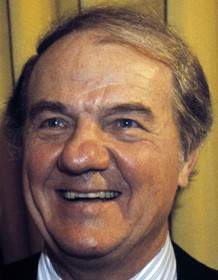
Det. Lt. Thomas Dixon (Karl Malden)
Played by Karl Malden
Hard-edged detective whose violent methods have earned him a demotion. He is haunted by his father's criminal past, which informs his paranoia and tendency to bend rules. After accidentally killing Ken Paine, he schemes to mask the truth while continuing to pursue Scalise.
- 🕵️♂️ Detective
- ⚖️ Moral conflict
- 🩸 Violence
- MT
Morgan Taylor (Gene Tierney)
Played by Gene Tierney
A glamorous model and Paine's estranged wife who becomes entangled with Dixon. She challenges his actions but also offers emotional support, standing by him despite the danger. Her presence intensifies the stakes as truth and loyalty collide.
- 💃 Model
- 💞 Love interest
- 🕊️ Secrets
- TS
Tommy Scalise (Gary Merrill)
Played by Gary Merrill
A ruthless gangster whose floating crap game sets the scene for the murder. He is suspected and ultimately confronted by Dixon, embodying the city’s mob influence. Scalise's persistence and violence heighten the tension as the investigation closes in.
- 💣 Gangster
- 🕶️ Crime Boss
- ⚔️ Rivalry
- KP
Ken Paine (Craig Stevens)
Played by Craig Stevens
A sharp-tongued newspaper columnist whose drunken bravado provokes a deadly confrontation with Dixon. His wartime head injury adds a layer of vulnerability to his character. Paine's death catalyzes the investigation and Dixon's frantic efforts to cover his tracks.
- 📰 Journalist
- 💥 Victim
- 🎭 Rowdy personality
- IN
Insp. Nicholas Foley (Robert F. Simon)
Played by Robert F. Simon
The precinct's commanding officer who, despite respect for Dixon's talent, must uphold the law. He initially supports Dixon's results but ultimately arrests him after reading the dead man's letter. Foley's actions underscore the film's theme that justice can require harsh decisions.
- 🧑💼 Authority
- ⚖️ Duty
- 🕵️♂️ Law
- JT
Jiggs Taylor (Tom Tully)
Played by Tom Tully
Morgan's protective cab-driver father who confronts Paine after discovering the abuse toward his daughter. His presence anchors the personal stakes in the city’s crime world. He becomes a potential participant in the case's moral fallout.
- 🚕 Family
- 🕯️ Tension
- 🗞️ Witness
Where and When Is Where the Sidewalk Ends Set?
Where the Sidewalk Ends is set in New York City (1950). Here is why the time and place matter to the story.
When
1950
Set in New York in 1950, the film captures a postwar noir mood where crime and policing clash in a sprawling urban environment. The period's social dynamics—mob influence, media sensationalism, and tough police work—shape the investigation. The time frame emphasizes the harsh realities and moral ambiguity of detectives in that era.
Where
New York City
New York City serves as the gritty urban backdrop. The action moves through hotel corridors, crowded streets, and riverfronts that reflect the era's noir mood. The dense metropolis functions as a character in its own right, shaping both the crime and the cops who chase it.
- 🗽 New York City
- 🕰 Postwar era
What Are the Themes of Where the Sidewalk Ends?
3 ideas the story keeps returning to, among them Justice, Violence and Love & Loyalty.
-
01
Justice
Justice is framed as a contested ideal, with Dixon’s violent methods clashing with official procedures. The film questions whether the letter of the law can be served through rough tactics or if truth must be faced head-on. As the investigation spirals, the line between protector and aggressor blurs. The finale reveals that true accountability may come at a personal cost.
-
02
Violence
Violence is both catalyst and consequence in the story. Dixon's growing use of force triggers a chain of cover-ups, misdirections, and moral compromise. Paine's death stirs a legal and ethical storm that cannot be neatly resolved. The film uses noir shadows to show how violence corrodes the people who wield it.
-
03
Love & Loyalty
Love and loyalty test the detective under pressure. Morgan's presence introduces a fragile tenderness amid the suspicion and danger. Their relationship challenges Dixon to balance truth with protection, even as the system tightens its grip. The final moment suggests that love can endure, even as justice takes its own course.
What Kind of Film Is Where the Sidewalk Ends?
Tense in tone, with steady pacing and a moderate story, going by the plot summary.
- Tone
- Tense
- Pacing
- Steady
- Story
- Moderate
- Intensity
- High
- Ending
- Bittersweet
A tense and morally gray film-noir that traps a violent detective in a self-made web of lies, creating a heavy atmosphere of anxiety and guilt, which is briefly pierced by a complex and bittersweet romance.
- tense
- anxious
- guilty
- melancholic
- grim
- claustrophobic
- crime investigation
- moral corruption
- police brutality
- guilt and redemption
Content notes: graphic violence, death of a spouse, police brutality, criminal cover-up, dead body disposal.
Quiz
How well do you remember Where the Sidewalk Ends? Test yourself on the story.


