What Is Dead End About?
The premise of Dead End in 320 words, with nothing given away. The full story follows below.
In the shadow of New York’s glittering skyline, the East River marks a stark divide between opulent apartments and cramped tenements where the air is thick with the scent of coal and ambition. The streets pulse with a restless energy, a place where hope and hardship scrape together on the same worn sidewalk. It is a world that feels both timeless and on the brink of change, its gritty realism softened only by moments of fragile tenderness.
Returning to the neighborhood that shaped him, Baby Face Martin steps back into a life he thought he had left behind. His mother, still bound to the modest home that raised him, turns away from the son whose reputation precedes him, while Francey, a former lover now living on the edge of respectability, offers a glimpse of the path he might have chosen. Meanwhile, Dave, an old friend with aspirations of architecture, walks a tightrope between the promise of a respectable future and the pull of the streets that still echo his past.
The Dead End Kids claim the alleyways as their kingdom, a tight‑knit crew led by Tommy Gordon whose quick wit and fierce loyalty keep the group together. Beside him are Dippy, Spit, T.B. and the newer recruit Milty, each adding their own brand of street wisdom to the mix. Their sister, Drina Gordon, dreams of a world beyond the brick walls, longing for a romance that could lift her brother out of the cycle of crime. Across the avenue, Kay Burton moves through a world of wealth, her presence hinting at the uneasy coexistence of the city’s upper echelons with its underbelly.
Together, these characters paint a portrait of a community caught between survival and aspiration. The film’s tone hovers between stark realism and lingering optimism, inviting the audience to wonder whether the ties of blood, love, and friendship can truly reshape the destinies forged in the city’s darkest corners.
What Happens in Dead End?
The complete story of Dead End, from the first scene to the last, in 764 words (about 3 minutes). Spoilers throughout. Names in the text link to 3 cast member pages.
Spoilers ahead
In the crowded tapestry of New York City’s underbelly, the East River banks divide a city of gleaming river views from streets that pulse with poverty and grit. On one side, luxury apartments crown the skyline; on the other, crowded, cockroach-infested tenements cradle the lives of those barely scraping by. The scene is set for a clash between ambition, crime, and the fragile dream of escape.
The Dead End Kids—the streetwise crew led by Tommy Gordon, Billy Halop—move through this world with a ready-made code: rough play, quick moves, and a hunger for something better. The gang includes the sharp-tonged Dippy, the tough-spoken Spit, the sly T.B., and the newer kid Milty, who slips into their ranks with a mix of bravado and loyalty. Spit, with a cruel streak, tests Milty’s mettle, but Tommy’s leadership gradually folds Milty into the group as a loyal ally. Their rough humor and close camaraderie keep them a step ahead of trouble, even as trouble keeps creeping closer.
Drina Gordon, Tommy’s sister, dreams in a brighter color than the street-slung shadows around them. Her longing for romance with a dashing, wealthy suitor is a mask for a deeper wish to save Tommy from a life spent chasing crime, while Francey, who once shared a tender past with Tommy, has drifted into a hard, hollow life that she masks with a cool, tired bravado. The neighborhood’s fragile moral balance is threatened when Dave Connell, an architect with a stubborn streak and a history on the same block, returns to his old stomping grounds. He is torn between a simmering affair with Kay Burton, a rich mistress who craves a different life, and the responsibilities that keep him from letting go of the life he knows. Dave’s ties to Drina’s world pull at him, even as he recognizes that love and money don’t always travel together.
When the kids lure Philip, a privileged boy from the upper floors, into a cellar and beat him, the consequences ripple outward. The boy’s father—a judge—tries to intervene, but Tommy’s impulsive act leaves him wounded and fleeing the law. The arrest’s shadow deepens: Martin, once a frightening force returned to the neighborhood with his partner Hunk, seeks to pull his own strings again. The goal is a ransom to lift him from the life of street violence, and Martin’s gaze hardens as he plans to kidnap a wealthy child to fund his escape.
Dave, who has known Martin since childhood, sees the danger and pleads for restraint, but Martin refuses to listen. A brutal confrontation follows: Martin stabs Dave, and Hunk pushes him into the river. Dave survives the fall, and the chase is on. He pursues the gang onto rooftops, where a tense, bullet-scarred pursuit ends with Dave mortally wounding Martin on a fire escape. Martin’s fall to the street below becomes a grim tableau as police move in, and Martin dies in a nearby exchange of gunfire with officers.
As the crowd gathers around the aftermath, the doorman—Ward Bond—recognizes Spit as a member of the gang that harmed the rich child’s father. Spit tries to deflect, confessing that the assault came from Tommy, who has disappeared into the night. The truth flickers in the air, a signal that could unravel the gang’s fragile unity.
In a separate thread, Kay—Wendy Barrie—approaches Dave with a tempting offer: run away with her using the reward money for Martin’s killing. Dave, however, refuses to abandon the moral line he’s drawn, and Kay returns to the life she believes she deserves, anchored by wealth rather than love. The lure of security cannot mend the rift fate has already carved.
Tommy’s sense of loyalty to his friends is tested when Spit’s betrayal surfaces. The plan to brand him as a “squealer” with a brutal knife-mark would be carried out by the gang, but Dave intervenes, and together with Drina, they persuade Tommy to surrender to the police. Dave offers to use his own reward money to fund Tommy’s defense, a gesture of protection that goes beyond a simple act of friendship. As Drina, Dave, and Tommy depart with Officer Mulligan, the remaining Dead End Kids drift back into the night, their chorus lifting into a hopeful note of resilience.
In the end, the film leaves viewers with a quiet, haunting refrain—a memory of a street where luck and peril walk hand in hand, and where a group of boys must decide whether to stay on the edge or step toward something more human. If I had the wings of an angel, over these prison walls I would fly.
Dead End Timeline: Every Key Event in Order
14 key events in the order they happen, from “Setting the stage: wealth, poverty and the East River divide” to “Final departure of the Dead End Kids”. 14 events name a place, across 14 locations.
- 1
Setting the stage: wealth, poverty and the East River divide
Two worlds sit side by side along the East River: luxury apartments with picturesque river views and crowded, cockroach-infested tenements. A dock at the end of the street marks the boundary between opulence and desperation. The Dead End Kids, led by Tommy Gordon, emerge from the slums to begin their risky street existence in this divided city.
Where:East River dock area, between luxury apartments and slums
- 2
The Dead End Kids gain Milty
The Dead End Kids roam the neighborhood under Tommy Gordon’s leadership. Spit bullies Milty at first, but Tommy decides Milty can stay and join the gang. Milty proves to be a loyal, if wary, new member as the group tightens.
Where:streets of the slums
- 3
Martin returns with Hunk
Hugh 'Baby Face' Martin returns to the neighborhood with his partner Hunk to visit his mother and old flame. Dave Connell, Drina's childhood friend, recognizes Martin and warns him to stay away. Martin ignores the warning, signaling new trouble on the horizon.
Where:neighborhood streets
- 4
Dave and Kay's affair and ambitions
Dave Connell, a frustrated architect, is secretly having an affair with Kay Burton, a rich man's mistress. They know their relationship cannot last or provide the life Kay desires. Their affair adds a bitter undercurrent to the class tensions around them.
Where:in the shadow of the luxury apartments and the slums
- 5
Philip lured and beaten by the kids
The Dead End Kids lure Philip, a rich kid from the apartments, into a cellar where they beat and rob him. When Philip’s father, a judge, tries to intervene, Tommy stabs him in the arm and the kid escapes. The incident triggers a police manhunt and Tommy’s need to vanish.
Where:cellar near the end of the street
- 6
Tommy goes on the run
Tommy escapes the pursuing police after stabbing the judge and hides from capture. The raid on the gang intensifies as authorities close in on the Dead End Kids, forcing them to scatter.
Where:city streets, pursuit routes
- 7
Martin's plan to kidnap for ransom
Martin is rejected by his mother and dumped by Francey, who is now a prostitute. Desperate for meaning, he plots to kidnap a rich child for ransom to make the trip worthwhile. He assembles his accomplices, including his old gang, and heads toward a new crime.
Where:neighborhood and the outside world
- 8
Dave confronts Martin's gang and is attacked
Dave sees Martin and his accomplices planning the kidnapping and warns them to back off. Martin knives him, and Hunk pushes him into the river. Dave survives, regroups, and continues the pursuit.
Where:streets and river
- 9
Pursuit across rooftops ends in tragedy
Dave chases Martin along rooftops, corners him on a fire escape, and a gunfight erupts. Dave lets Hunk be knocked out and mortally wounds Martin, who falls to the street below. Police intervene as a crowd gathers around the fallen gang leader.
Where:rooftops, fire escape, street
- 10
Martin's death and police shootout
Martin engages the approaching police in a firefight, shooting at officers before they return fire and kill him. The crowd and officers stand over his body, marking the end of his violent arc.
Where:street scene; police line
Show the other 4 events of Dead End Hide the last 4 events
- 11
Spit’s betrayal exposed
As a crowd forms, the doorman identifies Spit as a member of the gang that attacked the rich kid’s father. Spit claims innocence and explains that Tommy cut the man, shifting suspicion away from himself. Tommy reappears briefly to bid Drina goodbye before fleeing again.
Where:streets near the family’s residence
- 12
Kay tempts Dave with the reward
Kay Burton approaches Dave, urging him to run away with her using the reward money he is owed for killing Martin. Dave refuses, choosing not to abandon Drina or his own values, and Kay returns to the security of wealth with another man.
Where:in the shadow of the wealthier district
- 13
Tommy surrenders with help from Drina and Dave
Tommy learns of Spit's betrayal and contemplates giving him the mark of the squealer. Dave intervenes, and with Drina’s support, convinces Tommy to surrender to the police. Dave even offers to use his reward money to help pay Tommy’s defense.
Where:by the police, with Mulligan nearby
- 14
Final departure of the Dead End Kids
Tommy, Drina, and Dave leave with Mulligan as the rest of the Dead End Kids drift away into the night. The gang’s stories end with a chorus as they walk into the dark, singing a hopeful refrain about wings and freedom.
Where:streets at night
Who Are the Main Characters in Dead End?
10 characters, among them Tommy Gordon (Billy Halop), Dippy (Huntz Hall) and Spit (Leo Gorcey): who each one is and the part they play in the story. Every profile links to the actor’s page.
- TG
Tommy Gordon (Billy Halop)
Played by Billy Halop
Tommy is the de facto leader of the Dead End Kids, navigating the street with toughness and loyalty. He asserts authority within the gang and makes quick, often ruthless decisions to protect the group or gain advantage. His code of loyalty clashes with the adult world of danger and wealth as events unfold.
- 🎭 Leader
- 🛡️ Protective
- 🧭 Street-smart
- D(
Dippy (Huntz Hall)
Played by Huntz Hall
Dippy is one of the Dead End Kids known for mischief and bravado. He contributes to the gang's schemes with quick talk and clever tricks, while showing moments of vulnerability under pressure. His presence adds both humor and danger to the street dynamics.
- 🎩 Quick-witted
- 🌀 Impulsive
- S(
Spit (Leo Gorcey)
Played by Leo Gorcey
Spit is a harsher member with a cruel streak, driving some of the gang's most volatile moments. He tests Tommy's authority and becomes a focal point for the gang's escalation into crime. His actions reveal how fear and power can corrupt loyalty.
- 🔥 Hot-headed
- 💬 Blunt
- M(
Milty (Bernard Punsly)
Played by Bernard Punsly
Milty is the new kid who joins the gang, bringing honesty and a budding sense of generosity. His loyalty earns him the group’s respect, but his innocence also highlights the brutality of street life. He represents a potential path out if circumstances allow it.
- 💡 Loyal
- 🤝 Friendly
-
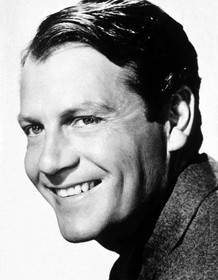
Dave Connell (Joel McCrea)
Played by Joel McCrea
Dave is Drina's childhood friend and a frustrated architect taking odd jobs, entangled in an affair with a wealthy mistress. He embodies the tension between practical love and the lure of security. Dave tries to guide others toward moral choices while confronting his own compromises.
- 💼 Ambitious
- 🧭 Moral-conflict
-

Drina Gordon (Sylvia Sidney)
Played by Sylvia Sidney
Drina is Tommy's sister who dreams of escaping poverty through marriage to a rich suitor. She anchors the emotional stakes of the story, torn between affection and the lure of a safer, wealthier life. Her interactions with Dave reveal the human cost of the city’s social divide.
- 💖 Dreamer
- 🕊️ Hopeful
-

Francey (Claire Trevor)
Played by Claire Trevor
Francey is a former companion of the neighborhood that has become disillusioned, hinting at a past that led to a hard life. She embodies the weariness and indifference that poverty can breed in relationships. Her presence underscores the consequences of choices made in desperation.
- 💋 Troubled
- 🕯️ Worn
-
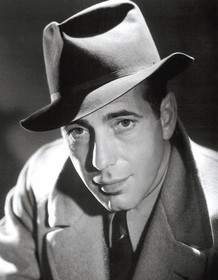
'Baby Face' Martin (Humphrey Bogart)
Played by Humphrey Bogart
Martin is a once familiar face returning to the neighborhood with a sense of menace and ambition. He plots kidnapping for money, displaying charisma that masks a dangerous violent streak. His end comes in a violent confrontation with law enforcement.
- 🗡️ Violent
- 🔥 Charismatic
- H(
Hunk (Allen Jenkins)
Played by Allen Jenkins
Hunk is Martin's partner, a brute who participates in the gang's violent schemes. He is a reliable, physical presence in confrontations and contributes to the tense escalation of events. His role highlights the brutal realities of gang life.
- 💪 Tough
- 🧭 Loyal
- KB
Kay Burton (Wendy Barrie)
Played by Wendy Barrie
Kay is Dave's wealthy mistress who seeks a different life through money and security. She pursues an escape from poverty, contemplating running away with Dave using reward money. Her choices illustrate how wealth can complicate love and loyalty.
- 💎 Social climber
- 💰 Opportunist
Where and When Is Dead End Set?
Dead End is set in New York City and East River docks near Queensboro Bridge (1930s). Here is why the time and place matter to the story.
When
1930s
The story unfolds during the Great Depression, when urban poverty and crowded tenements defined daily life. Wealth and status are visible across the street from the squalor of the slums, shaping choices and desperation. The period mood underscores a world where crime and survival collide with fragile hopes for a better life.
Where
New York City, East River docks near Queensboro Bridge
Set in the dense riverfront districts of New York City, the film contrasts luxury river-view apartments with cockroach-infested tenements. The Dead End Kids roam the cramped streets beside the East River, just steps from opulent blocks and distant wealth. The docks and riverfront backdrop amplify the tension between aspirational dreams and hard urban reality.
- 🏙️ Urban
- 🏚️ Slums
- 🚢 Riverfront
- 🌉 Bridge area
What Are the Themes of Dead End?
4 ideas the story keeps returning to, among them Poverty & Class, Law & Morality and Youth & Survival.
-
01
Poverty & Class
Extreme wealth sits just beyond the tenements, highlighting a deep class divide. The Dead End Kids survive on the margins, while nearby luxury apartments symbolize opportunity and detachment. The film uses this contrast to fuel ambition, resentment, and difficult moral choices.
-
02
Law & Morality
Crimes unfold against a backdrop of police presence and street codes that govern behavior. Dave grapples with right and wrong while money and revenge tempt characters toward compromising actions. The climax tests the boundaries between legal justice and vigilante restraint.
-
03
Youth & Survival
Young street dwellers navigate danger, loyalty, and poverty with a pragmatic mindset. Group allegiance often overrides caution, pulling characters deeper into crime. The story probes how early hardship hardens innocence and forges a fragile sense of belonging.
-
04
Dreams & Disillusionment
Drina longs for a wealthy protector to escape poverty, while Dave longs for stability and genuine love. Kay pursues financial security over romance, revealing how money can distort relationships. The film questions whether the American Dream can be reached from the street yet exposes its hollow promises.
What Kind of Film Is Dead End?
Dark in tone, with steady pacing and a moderate story, going by the plot summary.
- Tone
- Dark
- Pacing
- Steady
- Story
- Moderate
- Intensity
- High
- Ending
- Bittersweet
A grim and tense drama set in the slums of 1930s New York, where the brutal realities of poverty and crime crush youthful dreams, leaving a heavy atmosphere of sorrow and a faint, bittersweet glimmer of hope.
- gritty
- melancholic
- oppressive
- tense
- somber
- desperate
- poverty and class
- juvenile delinquency
- crime and punishment
- redemption
Content notes: syphilis, child assault, stabbing, gun violence, prostitution.
Quiz
How well do you remember Dead End? Test yourself on the story.