What Is Wake Island About?
The premise of Wake Island in 301 words, with nothing given away. The full story follows below.
Wake Island, a tiny outpost in the Pacific, sits at the edge of a world on the brink of upheaval. As 1941 draws to a close, the island’s remote barracks, half‑built airstrip, and makeshift shelters become a silent stage for a gathering storm. The strategic base, barely more than sand and coral, holds the weight of an empire’s Pacific ambitions, and the quiet routine of its occupants is tinged with an undercurrent of anticipation. In this isolated environment, the thin line between peace and conflict is constantly tested by the distant rumblings of war.
Into this still‑waiting environment arrives Maj. Geoffrey Caton, a career Marine tasked with tightening the island’s defenses. His disciplined approach immediately bumps against Shad McClosky, a pragmatic civilian contractor whose blueprint for extensive trenchwork clashes with military priorities. The friction between Caton’s order‑driven command and McClosky’s entrepreneurial drive creates a charged atmosphere that filters down to the enlisted men. Two young privates, Aloysius K. “Smacksie” Randall and Joe Doyle, find themselves caught between the demands of their commanding officer and the relentless pace of the civilian crews. Meanwhile, Lt. Bruce Cameron pilots the fledgling squadron, embodying the thin veneer of aerial readiness that the island clings to.
The island’s isolation breeds a gritty camaraderie, its residents bound by a shared sense of purpose that feels both inevitable and precarious. Veteran airman Captain Bill Patrick adds a seasoned perspective, reminding everyone that the looming threat is not merely abstract. Amid the clang of tools, the hiss of generators, and the endless horizon, Wake Island throbs with a resolve that is both stoic and daring. The film’s tone balances stark realism with a reverent nod to the courage required to stand against an overwhelming force, inviting viewers to feel the tension of a world on the edge of catastrophe.
What Happens in Wake Island?
The complete story of Wake Island, from the first scene to the last, in 660 words (about 3 minutes). Spoilers throughout. Names in the text link to 7 cast member pages.
Spoilers ahead
A map overlays the opening scenes, accompanied by a voiceover that traces the United States military presence on Wake Island up to November 1941. Maj. Geoffrey Caton (played by Brian Donlevy) lands at Wake Island aboard a Pan American Clipper to assume command, and immediately clashes with the civilian contractor Shad McClosky (played by Albert Dekker) over a sprawling trench and shelter-building project. The island’s defense hinges on grit and improvisation, and Caton’s arrival sets the stage for a clash between military discipline and civilian enterprise, all while the threat of war looms larger with each passing day.
As Caton investigates, he identifies two young Privates, Aloysius K. “Smacksie” Randall and Joe Doyle, portrayed by William Bendix and Robert Preston respectively, who are already under strain in a system that prizes order over convenience. He orders them to dig a substantial trench by hand, a task meant to harden the defenses but also a microcosm of the friction between the military and the civilian workforce. McClosky’s drive to finish his large-scale trenches and living quarters on time intensifies these tensions, as the civilian crew presses forward under pressure while the military upper ranks want to maintain efficiency and readiness. The clash underscores a fragile balance on an island that is about to be tested by a far larger force.
The narrative pushes forward with the dawn of December 7, 1941. Randall’s enlistment is coming to an end, and news from Pearl Harbor jolts Wake Island into a state of high alert. Randall, unsure of what to do next, retreats with civilians to a bomb shelter as enemy aircraft close in. In the sky above, a squadron of Japanese bombers presses an overwhelming assault—four Americans push back against twenty-four attackers, managing to shoot down several planes even as the island absorbs heavy bombardment. The battle marks a brutal turning point, with human courage tested against the brutality of the air and sea onslaught.
Back on the ground, Caton makes a hard decision: he informs Lt. Bruce Cameron (played by Macdonald Carey) that his wife, Sally Cameron (uncredited, portrayed by Barbara Britton), was killed at Pearl Harbor. The personal cost of war weighs heavily on the command structure, even as the defense rigs up makeshift responses and Cameron formulates a bold plan to strike back. When a Japanese heavy cruiser comes within range, Caton orders a clever plan by Cameron to strip a fighter plane down to a bare 15 gallons of fuel while carrying a double payload of bombs, a move that tests resources, nerve, and ingenuity in equal measure. Cameron is wounded in the ensuing aerial action, but he manages to complete the mission and makes a perilous, controlled landing, before succumbing to his injuries.
With dwindling large-caliber ammunition, Caton widens the defense by dispersing his forces and equipping them with smaller weapons. Japanese air raids persist, exacting heavy damage and casualties, and the island’s last lines of defense are strained to the limit. The island endures a particularly brutal moment when the final American pilot, Captain Bill Patrick (played by Damian O’Flynn), is killed while bailing out of a damaged craft. As the air and sea dominion of the attack intensifies, the Marines and civilians fight to hold the line against overwhelming odds.
Facing a renewed Japanese demand for surrender, Caton refuses to yield and issues a stark reply, “Come and get us,” signaling that his posts should act independently and endure as long as possible. When communications fail, Caton orders the last man to depart with a written message, a moment of solitary resolve in a losing battle. McClosky returns, seeking a weapon, and together they relocate to an abandoned machine-gun position where Caton takes the gun and holds their ground. The Japanese force breaches the defenses, and one by one the principal characters fall in action. The film closes on a somber note, with a voiceover declaring the grim truth of war:
This is not the end.
Wake Island Timeline: Every Key Event in Order
12 key events in the order they happen, from “Wake Island background and buildup” to “Final stand and the message to the world”. 12 events name a place, across 3 locations.
- 1
Wake Island background and buildup
A voiceover traces the U.S. military presence on Wake Island up to November 1941, setting the stage for the coming conflict. The film frames Wake Island as a remote outpost where isolation and fortitude are tested. This prelude introduces the principal players who will shape the story.
When:November 1941 Where:Wake Island
- 2
Caton departs Pearl Harbor to take command on Wake Island
U.S. Marine Corps Major Geoffrey Caton departs Pearl Harbor aboard the Pan American Clipper bound for Wake Island to assume command. He arrives to confront civilian contractor McClosky over project priorities. The clash signals the friction that will color operations on the island.
When:November 1941 Where:Pearl Harbor, Hawaii
- 3
Arrival and early clashes with McClosky; trench orders
Caton arrives on Wake Island and immediately clashes with contractor McClosky over trench work. He identifies Privates Randall and Doyle as troublemakers and orders them to dig a large slit trench by hand. The incident highlights the tense mix of military discipline and civilian labor.
When:November 1941 Where:Wake Island
- 4
Civilian-military tensions and air-raid preparations
There are ongoing clashes between the military and civilians, including drills that simulate air raids. McClosky pushes his crew to complete trenches and living quarters on a tight schedule. The civilians' presence complicates the island's readiness for war.
When:November–December 1941 Where:Wake Island
- 5
December 7, 1941: Pearl Harbor attack triggers Wake Island alert
On December 7, 1941, word arrives that Pearl Harbor has been attacked and Wake Island is placed on alert. The looming threat heightens the sense of urgency for the island garrison. Randall, nearing the end of his enlistment, faces a difficult decision about staying.
When:December 7, 1941 Where:Wake Island
- 6
The raid begins: defense against overwhelming air power
As enemy planes approach, Randall heads to a bomb shelter with the civilians. Four Americans are sent against 24 Japanese bombers; they down several planes but cannot prevent heavy bomb damage on the ground. The raid tests the island's defenses and the resolve of its defenders.
When:December 7, 1941 Where:Wake Island
- 7
Post-raid changes and a personal blow
After the raid, Caton informs Randall that he is no longer a civilian. McClosky remains to dig trenches with his heavy equipment. Caton also tells pilot Lieutenant Bruce Cameron that his wife was killed at Pearl Harbor.
When:December 7–8, 1941 Where:Wake Island
- 8
Refusing surrender and repelling a naval assault
Hours into the bombardment, the Marines camouflage equipment and Caton orders them to hold their fire until the ships reach a long range. He refuses a Japanese call for surrender and opens fire when the ships are at about 4,700 yards, repelling the landing attempt and sinking several ships.
When:December 1941 Where:Wake Island
- 9
Reconnaissance and a desperate bomber plan
A reconnaissance flight spots a Japanese heavy cruiser that can fire on the island from outside the defenders' weapon range. Caton approves Cameron's plan to strip a fighter down to 15 gallons of fuel and a double bomb load to strike the cruiser.
When:December 1941 Where:Wake Island
- 10
Cameron is wounded but completes the mission
Cameron is wounded by a Japanese fighter but manages to land his plane safely after the mission. Caton then asks Captain Lewis to fly back to Honolulu to provide intelligence to the U.S. Navy. Lewis refuses, and Caton makes it an order.
When:December 1941 Where:Over/near Wake Island
- 11
Ammo shortage alters the defense as the assault continues
With large-caliber ammunition running low, Caton spreads his forces wider and uses smaller caliber guns to sustain the defense. Japanese air raids continue to inflict major damage and casualties on the island.
When:December 1941 Where:Wake Island
- 12
Final stand and the message to the world
The Japanese press for surrender continues, but Caton replies with a defiant stance and orders his posts to act independently. With communications failing, the last man is sent out with a written message; McClosky asks for a weapon and they move to an abandoned machine-gun position where Caton mans the gun. The island is overrun, and the film ends with a voiceover declaring that this is not the end.
When:Final phase, December 1941 Where:Wake Island
Who Are the Main Characters in Wake Island?
10 characters, among them Maj. Geoffrey Caton (Brian Donlevy), Pvt. Joe Doyle (Robert Preston) and Pvt. Aloysius K. 'Smacksie' Randall (William Bendix): who each one is and the part they play in the story. Every profile links to the actor’s page.
- MG
Maj. Geoffrey Caton (Brian Donlevy)
Played by Brian Donlevy
A decisive Marine officer who assumes command on Wake Island, Caton shoulders the burden of defending the outpost under siege. He balances strict discipline with a pragmatic, often improvisational approach to scarce resources and civilian friction.
- 🛡️ Leader
- ⚔️ Decisive
- 🧭 Strategic
-
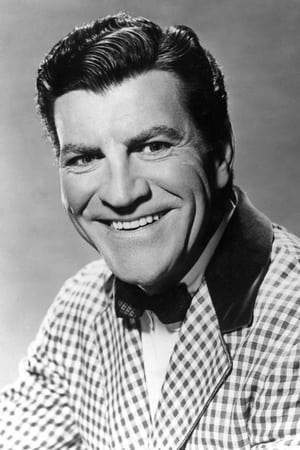
Pvt. Joe Doyle (Robert Preston)
Played by Robert Preston
A young private whose behavior marks him as a troublemaker early on, Doyle is drawn into the island’s grinding defense. His arc centers on learning duty and enduring hardship amid bombardment and dwindling supplies.
- 🪖 Soldier
- 🔥 Impulsive
- 🧭 Learning
- PA
Pvt. Aloysius K. 'Smacksie' Randall (William Bendix)
Played by William Bendix
Randall’s enlistment is up as the crisis escalates, forcing him to confront the realities of war far from home. He embodies the ordinary soldier pressed into extraordinary circumstances.
- 🪖 Soldier
- 💥 Tense
- 🧭 Growth
- SM
Shad McClosky (Albert Dekker)
Played by Albert Dekker
A ruthless civilian contractor pushing for rapid trench and shelter construction, McClosky is a source of friction with the military. He represents the civilian side of wartime logistics under pressure.
- 🏗️ Contractor
- 💼 Loud
- 🤝 Tension
- LB
Lt. Bruce Cameron (Macdonald Carey)
Played by Macdonald Carey
A key pilot and husband figure who copes with personal tragedy while carrying out reconnaissance and combat duties. His leadership under fire helps keep the defense coordinated until his death.
- 🛩️ Pilot
- 💔 Grief
- 🧭 Courage
- CP
Capt. Pete Lewis (Rod Cameron)
Played by Rod Cameron
A capable captain who coordinates air reconnaissance and supports ground defenses; he embodies improvisation and courage under a relentless bombardment.
- 🛰️ Reconnaissance
- 💪 Courage
- 🧭 Strategic
- CB
Capt. Bill Patrick (Damian O'Flynn)
Played by Damian O'Flynn
One of the last pilots to fight and die during the siege, Patrick represents the perilous sacrifice of air crew defending isolated outposts.
- 🛫 Pilot
- 🕊️ Sacrifice
- 🧭 Resolve
- SC
Sally Cameron (Barbara Britton)
Played by Barbara Britton
Sally Cameron is part of the island community, embodying the civilian presence on Wake Island and the personal costs of war on families tied to the garrison.
- 👩 Spouse
- 🕊️ Loss
- 🧭 Resilience
- CC
Cynthia Caton (Joyce Arleen)
Played by Joyce Arleen
Cynthia Caton represents the civilian side connected to the military leadership; her presence highlights the broader social impact of wartime decisions.
- 💑 Family
- 🗺️ Social Toll
- 🧭 Perspective
-
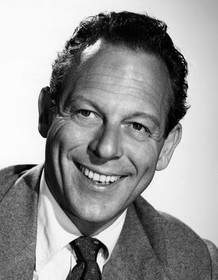
Sgt. Higbee (Bill Goodwin)
Played by Bill Goodwin
The Narrator and sergeant who anchors the human dimension of the siege, providing perspective on events and the daily grind of defense.
- 🗣️ Narration
- 🛡️ Duty
- 🗺️ Perspective
Where and When Is Wake Island Set?
Wake Island is set in Wake Island (December 1941). Here is why the time and place matter to the story.
When
December 1941
The action unfolds in the days surrounding the December 7 attack on Pearl Harbor. Wake Island becomes the focal point of a stubborn defense as Japanese forces intensify their assault. The siege progresses from initial combat to intense bombardment and desperate stand, within a few chaotic weeks.
Where
Wake Island
Wake Island is a small U.S. Marine outpost in the central Pacific. The film centers on the island’s defense against Japanese air raids and naval bombardment during December 1941. The conflict exposes the strain between military needs, civilian labor, and scarce resources under siege.
- 🏝️ Wake Island
- 🛡️ Military outpost
- 🌊 Pacific Theater
What Are the Themes of Wake Island?
3 ideas the story keeps returning to, among them Duty, Leadership and Civil-Military Tension.
-
01
Duty
The story centers on duty to country and unit. Marines and civilians push through dangerous conditions, perform hard labor, and maintain morale under bombardment. It highlights the cost of leadership and the willingness to risk oneself for others.
-
02
Leadership
Maj. Caton's decisions shape the defense while balancing orders with improvisation on the ground. The film portrays the weight of command under fire, including calculated risks and the resolve to refuse surrender. It explores how leadership under extreme stress tests loyalty and ethics.
-
03
Civil-Military Tension
A constant friction between military needs and civilian contractors drives conflict on site. The trench digging and resource competition reveal how civilian interests can clash with martial priorities. Despite tensions, collaboration and mutual dependence emerge as the island fights to hold.
What Kind of Film Is Wake Island?
Tense in tone, with fast pacing and a straightforward story, going by the plot summary.
- Tone
- Tense
- Pacing
- Fast
- Story
- Straightforward
- Intensity
- High
- Ending
- Bleak
A fast-paced and intensely grim war film that immerses the viewer in the desperate, high-stakes siege of a remote island, characterized by constant tension and a foreboding sense of tragic heroism.
- tense
- desperate
- grim
- determined
- somber
- heroic
- war
- military
- survival
- siege warfare
Content notes: war violence, mass death, bombardment, death of main characters.
Quiz
How well do you remember Wake Island? Test yourself on the story.